From all my years of keeping aquarium invertebrates, I have always been fascinated by the intricate relationship between them and plants. It is a delicate balance, with some invertebrates acting as allies while others pose a threat to our beloved plants. Luckily for you, I have kept these species for many years, and from my observations, I listed the most common invertebrates and the individual species to give you a better idea of which species specifically is harmful to plants and which is not.
Do aquarium invertebrates damage plants in a fish tank?
In my experience, a small number of aquarium invertebrates have been known to damage plants in a fish tank. The impact of these invertebrates on aquatic plant growth can be significant. For example, certain snails may nibble on plants, while apple snails can damage rice plants. Vampire crabs are also potential culprits when it comes to plant damage.
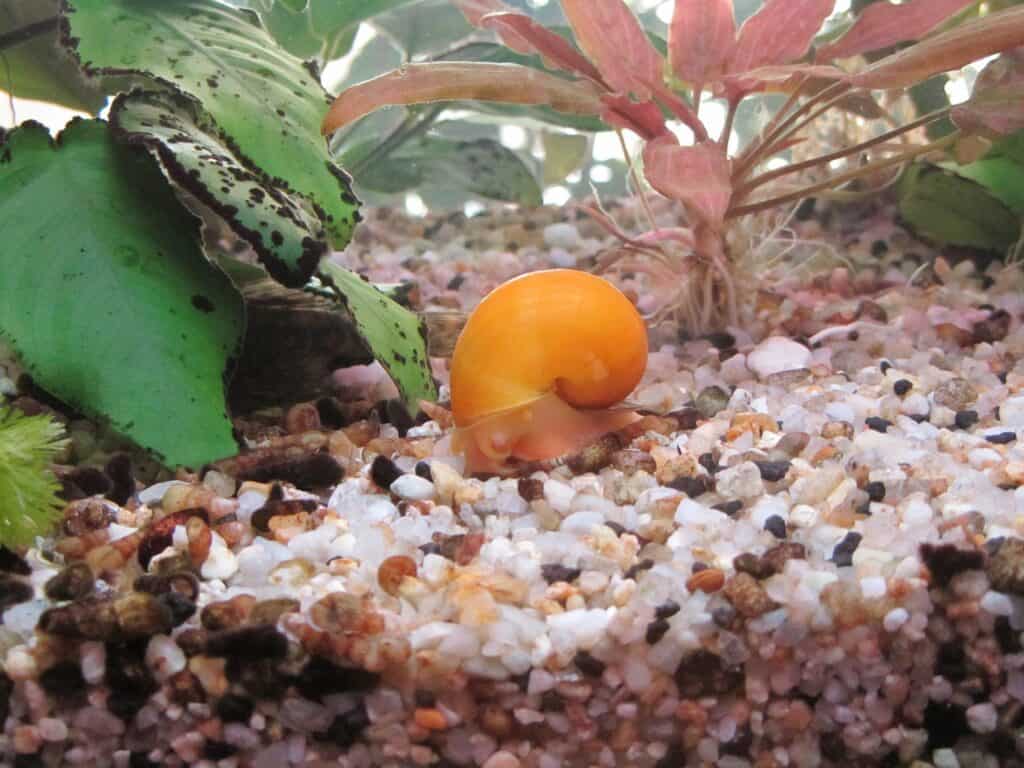
To prevent such damage, strategies can be implemented, such as providing alternative food sources for the invertebrates or creating physical barriers to protect the plants. Additionally, selecting the right plant species that can coexist with invertebrates is crucial. Certain species, like java fern, may be more resistant to damage. It is important to manage the population of plant-damaging invertebrates in aquariums to maintain a balanced ecosystem and ensure the health of the plants.
Common aquarium Invertebrates and if they damage plants
Through meticulous research and observation, I’ve noted that a variety of invertebrates, specifically shrimp, snails, crayfish, crabs, and mussels, commonly found in aquariums, have varying impacts on aquatic plants. Although these species may not directly gnaw at or consume plants, their behaviors can inadvertently lead to plant damage.
For example, they’re known to forage in the substrate, which can result in the uprooting of plants. Below, you’ll find a detailed list of these species and a brief description of their potential to damage plants in an aquarium environment. This knowledge can aid in selecting the most suitable mix of invertebrates for your aquarium, thus ensuring a healthy and harmonious ecosystem.
Shrimp
Shrimp are generally safe companions for plants in aquariums. They tend to be scavengers, feeding on algae and detritus, and do not typically damage the plants. In fact, by consuming algae, shrimp contribute to a cleaner environment, indirectly promoting plant growth. However, they may uproot delicate plants while foraging for food, so it’s best to pair them with sturdy plant species. Therefore, shrimp can be considered plant-friendly invertebrates, playing an essential role in maintaining the aquarium’s balance without harming plant health.
- Cherry Shrimp – No damage to plants
- Ghost Shrimp – No damage to plants
- Amano Shrimp – No damage to plants
- Bamboo Shrimp – No damage to plants
- Blue Tiger Shrimp – No damage to plants
- Cardinal Shrimp – No damage to plants
- Crystal Red Shrimp – No damage to plants
- Snowball Shrimp – No damage to plants
- Vampire Shrimp – No damage to plants
- Sulawesi Shrimp – No damage to plants

Snails
Snails exhibit a mixed relationship with aquatic plants. Certain species, such as the Nerite and Malaysian Trumpet Snails, are beneficial, consuming algae and detritus without causing plant harm. However, others, like the pond snails, can cause significant plant damage. Here’s the rundown on common snails:
- Mystery Snail – No damage to plants
- Nerite Snail– No damage to plants
- Apple Snails are infamous in fish tanks for their propensity to feed on rice plants. They tend to target the tender parts of the plant, causing significant damage. This appetite for rice plants can disrupt the balance of a carefully curated aquarium ecosystem.
- The Ramshorn Snail, whilst known to occasionally nibble, is generally considered safe for aquatic plants. They often prefer detritus or algae over live plants, making them a beneficial addition to your aquarium for controlling algae levels without significantly damaging your plant life.
- Malaysian Trumpet Snail – No damage to plants
- Pond Snails can indeed damage aquarium plants. They breed rapidly and can quickly overrun a tank, devouring delicate plants in the process. While they often feed on algae and detritus, a large population may turn to live plants, especially if other food sources are scarce.
- Assassin Snail – No damage to plants
- Ivory Snail – No damage to plants
- Japanese Trapdoor Snail – No damage to plants
- Rabbit Snails, despite being peaceful creatures, are a danger to Java Fern in aquariums. They are unique in their preference, nibbling at these plants whilst generally leaving others unharmed.
Crayfish
Crayfish pose a well-documented concern among aquarists due to their propensity to damage plants. Their impact on aquatic plant growth can be significant, as they feed on both leaves and roots, leading to stunted growth, reduced reproduction, and potentially even plant death. However, their impact can be somewhat mitigated by providing alternative food sources and maintaining a balance of plant-friendly and plant-damaging species within the aquarium. It is essential to research the specific crayfish species and their habits before introducing them into your aquarium ecosystem.
- Electric Blue Crayfish: This species thrives on a diet that includes plant material, causing significant damage to the foliage and roots when feeding. Their tendency to burrow can result in uprooted plants, disrupting the overall growth and development of the plant life in your aquarium.
- Dwarf Orange Crayfish: Although smaller in size, the Dwarf Orange Crayfish poses a substantial threat to aquatic plants. They feed on plant matter, which can consume leaves and stems, leading to stunted plant growth and potential death in severe cases.
- Red Claw Crayfish: Known for its voracious appetite, the Red Claw Crayfish can strip plants to their stems. They feed extensively on plant material, making them a significant risk to aquatic vegetation in tanks.
- Ghost Crayfish: Ghost Crayfish, due to their omnivorous nature, will consume plant material when other food sources are scarce. This leads to considerable damage to the plants, including stripped leaves and uprooted stems.
- White Specter Crayfish: This species is known to feed on plant material, resulting in serious damage to aquatic plants. Their feeding habits can destroy plant foliage, disrupting the health and growth of the plant life in your aquarium.
- Procambarus Clarkii Crayfish: This highly invasive species can cause extensive damage to aquatic plant life. Their omnivorous diet includes plants, and their burrowing habits can uproot and disrupt the growth of the plant life in your aquarium.
- Marble Crayfish: Marble Crayfish have a voracious appetite and will consume plant material. They are known to eat leaves and stems, causing significant damage to aquatic plants. Their digging habits can also result in uprooted plants, disrupting the overall balance of the tank ecosystem.

Crabs
Aquarium crabs, like the Vampire Crabs and Red Claw Crabs, can potentially damage aquarium plants. Primarily omnivores, crabs may nibble on plant leaves, especially when other food sources are scarce. However, providing them with a balanced diet and implementing measures to protect more delicate plants can mitigate this behavior. Therefore, it’s essential to consider the compatibility of crabs with the specific plant species in your aquarium.
- Red Claw Crabs (possibly)
- Fiddler Crabs- No damage to plants
- Thai Micro Crabs- No damage to plants
- Panther Crabs – No damage to plants
- Vampire Crabs (possibly)
- Patriot Crabs – No damage to plants
Mussels
Mussels, as common aquarium invertebrates, do not cause damage to plants. Mussels and plant interactions in my aquatic ecosystems have been extensively studied, and I have found that mussels actually play a beneficial role in these environments. Mussels can impact aquatic vegetation indirectly through their influence on nutrient cycling. They filter-feed on organic matter, including algae and detritus, and release nutrients back into the water column in the form of excretion and pseudofeces. This nutrient enrichment can enhance the growth of aquatic plants. Use this list to identify which species of mussels damage plants and which don’t.
- Swan Mussel – No damage to plants
- Duck Mussel – No damage to plants
- Painter’s Mussel – No damage to plants
- Freshwater pearl mussel- No damage to plants
- Three-Ridge Mussel – No damage to plants
- Pistolgrip Mussel – No damage to plants
Clams
Clams, fascinating filter feeders, can obtain nutrients by meticulously filtering water and extracting organic particles. With their intricate filtering mechanisms, they play a vital role in maintaining the ecological balance of their surroundings. By nourishing themselves through this process, clams not only thrive but also contribute positively to the health and vitality of their environment, providing a sustainable ecosystem for other organisms to flourish. As a result, it can be confidently stated that clams pose no threat to plants and instead create a harmonious coexistence that benefits the overall ecosystem.
- Asiatic Clam – No damage to plants
- Golden Clam – No damage to plants
- Giant Floater – No damage to plants
- Paper Pondshel – No damage to plants
- River Pigtoe – No damage to plants
The importance of beneficial aquarium invertebrates to plant health
- Biological Control: Beneficial invertebrates like certain snails and shrimp help control algae growth, which could otherwise outcompete plants for nutrients. They graze on algae, preventing it from enveloping plant surfaces and obstructing photosynthesis.
- Nutrient Cycling: Invertebrates like mussels and clams filter-feed on organic matter and excrete nutrients. These nutrients are crucial for plant health, promoting robust growth and enhancing the vibrancy of foliage.
- Substrate Aeration: Some invertebrates burrow in the substrate, aiding in its aeration. This process is crucial for the health of the plant roots, allowing them to access oxygen more readily and aiding nutrient uptake.
- Decomposition: Many invertebrates feed on detritus, aiding in its breakdown. This process releases nutrients into the substrate, contributing to a nutrient-rich environment supporting healthy plant growth.
- Predation: Certain invertebrates predate on harmful pests that could cause damage to aquarium plants. This natural pest control helps maintain a healthy and balanced aquarium ecosystem, supporting plant vitality.
- Plant Pollination: For aquariums with flowering plants, some aquatic invertebrates may assist with pollination, a critical process for plant reproduction. This interaction showcases the fascinating interdependence within the aquatic ecosystem.

Overall, from my experience, I conclude that apart from crayfish, pond snails, and a few other invertebrates listed above, Invertebrates generally do not damage aquarium plants; instead, they contribute positively to their surrounding environment. The key is to maintain a balanced, diverse, and well-maintained ecosystem in your aquarium, with proper care and management practices for both plants and invertebrates. So don’t be afraid to introduce some beneficial invertebrates into your aquarium; they may just surprise you with their positive impact on plant health! Non-native species
Frequently Asked Questions
How Do Ivertebrates Damage Plants in an Aquarium?
- Invertebrates can damage plants in an aquarium through their feeding and burrowing habits.
Are There Any Benefits of Having Invertebrates in a Fish Tank?
- Having invertebrates in a fish tank can provide various benefits, such as natural pest control, nutrient cycling, and aesthetic appeal. However, it is important to consider their compatibility with other tank inhabitants and the maintenance required for their specific types and breeding needs.
Are All Invertebrates Harmful to Aquatic Plants in an Aquarium?
- In my experience, not all invertebrates in an aquarium harm aquatic plants. Some, like snails, can actually have beneficial interactions with plants, such as symbiotic relationships that enhance plant growth and nutrient uptake, contributing to ecological balance.
How Can I Prevent Invertebrates From Damaging My Plants in a Fish Tank?
- To prevent invertebrates from damaging plants in a fish tank, it is important to focus on fish tank maintenance, controlling invertebrates, and proper plant care. Regularly cleaning the tank and monitoring for pests can help protect the plants.
Can Invertebrates Be Beneficial to the Overall Health of Plants in an Aquarium?
- Invertebrates can be beneficial to the overall health of plants in an aquarium. They have a symbiotic relationship with plants, acting as natural cleaners and promoting growth by consuming algae and organic waste.