Tropical fish species come in a wide range of colours and variants, but overall, there are a few that stand out from the rest. In my years of keeping these beautiful creatures, I have come across a few that truly stand out from the rest, and I have taken the time to list 21 of my favorites that I found truly unique and worth mentioning.
Top 21 most interesting tropical fish
In my opinion, the most interesting tropical fish mainly originate from areas like South America and Asia. These fish showcase a wide array of colorful patterns, from the striking stripes of the Discus to the intricate scales of the Arrowana. Their unique adaptations enable them to survive in their environments. Here are my top 21 picks for the most interesting species I have ever encountered:
- Arowana (Osteoglossidae)
- Discus (Symphysodon sp.)
- Knifefish (Notopteridae)
- Black Ghost Knifefish (Apteronotus albifrons)
- Flowerhorn Cichlid (man-made hybrid)
- Killifish (Cyprinodontidae)
- Electric Blue Acara (Andinoacara pulcher)
- Pea Puffer (Carinotetraodon travancoricus)
- Neon tetra (Paracheirodon innesi)
- Fancy Guppies (Poecilia reticulata)
- Dwarf Gourami (Trichogaster lalius)
- Kuhli Loach (Pangio cuneovirgata)
- German Blue Ram (Mikrogeophagus ramirezi)
- Jack Dempsey Cichlid (Rocio octofasciata)
- African Cichlids (Cichlidae)
- Cherry barb (Puntius titteya)
- Betta Fish (Betta splendens)
- Guppy (Poecilia reticulata)
- Zebra pleco (Hypancistrus zebra)
- Clown Loach (Chromobotia macracanthus)
- Endlers Livebearers
Arowana (Osteoglossidae)
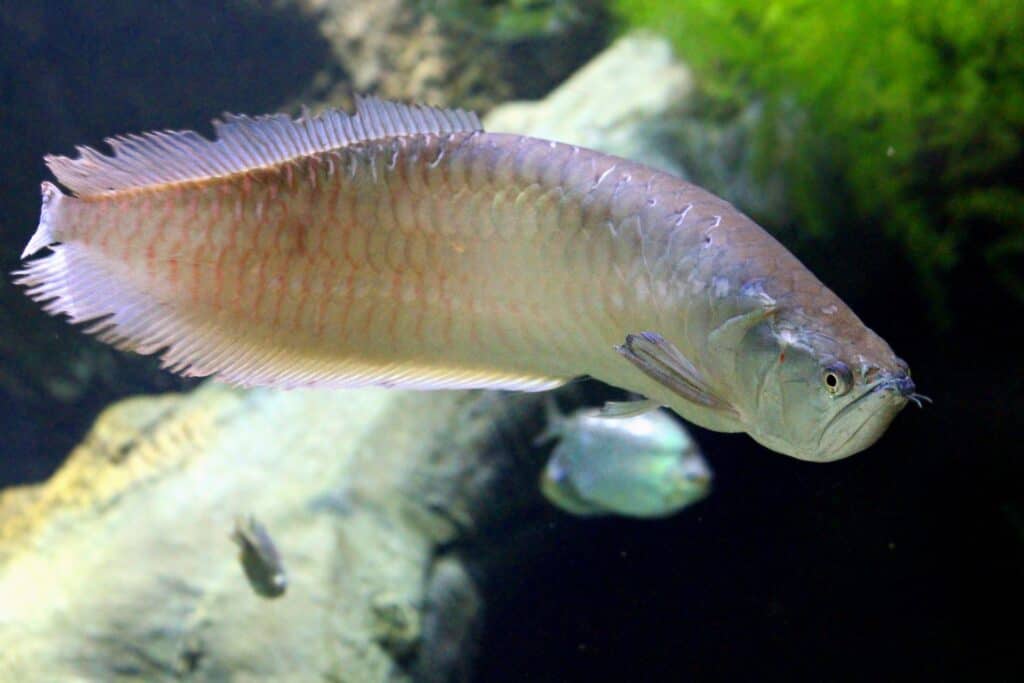
The Arowana, or “Osteoglossidae,” is a captivating tropical fish known for its elongated body and dragon-like scales. Hailing from the freshwater basins of South America, the Arowana is considered a symbol of luck and prosperity. This exotic fish boasts a high care level due to its predatory nature and large size. Arowanas thrive in large, well-filtered aquariums with ample swimming space, replicating their natural riverine environments. Their diet, consisting primarily of crustaceans and smaller fish, underscores the need for a tailored feeding regimen. Housing an Arowana is a commitment, but their mesmerizing appearance and intriguing behavior make the endeavor worthwhile.
Discus (Symphysodon sp.)
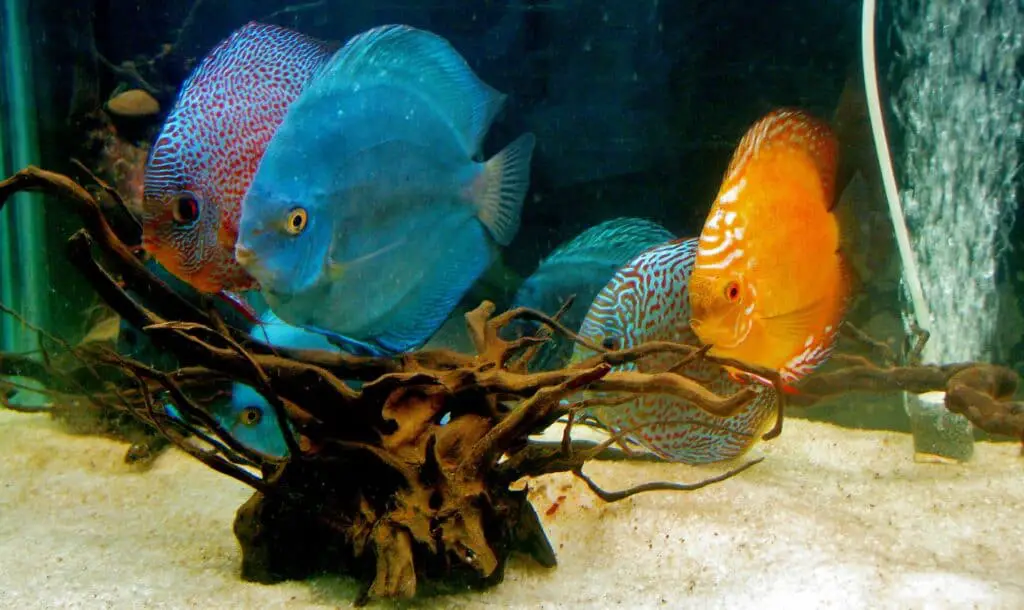
The Discus (Symphysodon sp.), commonly known as the “King of the Aquarium,” is a truly exotic and fascinating tropical fish. With its vibrant hues and unique, disc-shaped body, it captivates the eyes and steals the spotlight in any aquarium. These magnificent creatures originate from the Amazon River basin, where they exhibit intriguing social behaviors and form strong pair bonds. Discus fish are renowned for their cooperative parental care, adding another layer of fascination to their complex behavioral patterns.
When it comes to caring for Discus fish, it is important to note that they require a moderate to high level of care. Creating an ideal environment involves replicating the warm and soft waters of their natural habitat. Maintaining a consistent water temperature pH level and providing ample hiding spots are crucial for their well-being.
In terms of diet, Discus fish are primarily carnivorous. Offering them a varied diet of high-quality flake pellets, as well as frozen or live foods, such as bloodworms and brine shrimp, are essential to meet their nutritional needs.
Knifefish (Notopteridae)
The Knifefish (Notopteridae) hails from the fresh and brackish waters of Africa and Asia, where it captures the attention of observers with its unusual elongated, ‘knife-like’ shape. Their care level is moderate, and they need a large aquarium to accommodate their active swimming habits. To replicate their natural habitat, provide a sandy bottom with plenty of driftwood and hiding spots, maintaining a slightly acidic to neutral pH and low lighting. As primarily nocturnal creatures, Knifefish are opportunistic carnivores in their dietary habits, feeding mostly on small invertebrates and fish. They are a uniquely appealing species, and their exotic charm is truly captivating.
Black Ghost Knifefish (Apteronotus albifrons)
The Black Ghost Knifefish (Apteronotus albifrons) is a truly exotic species hailing from the clear, fast-flowing rivers of South America. This charmer is famous for its unique, ribbon-like body and electric field-sensing capability. Providing a moderate care level, this nocturnal creature enjoys a spacious tank with a soft, sandy bottom, driftwood, and low light conditions that mimic its natural habitat. Hiding spots are vital for them, as they appreciate solitude during daylight hours. Apteronotus albifrons are carnivores, feeding predominantly on small invertebrates and fish. These fascinating characteristics make the Black Ghost Knifefish a mesmerizing addition to any freshwater aquarium.
Flowerhorn Cichlid (man-made hybrid)
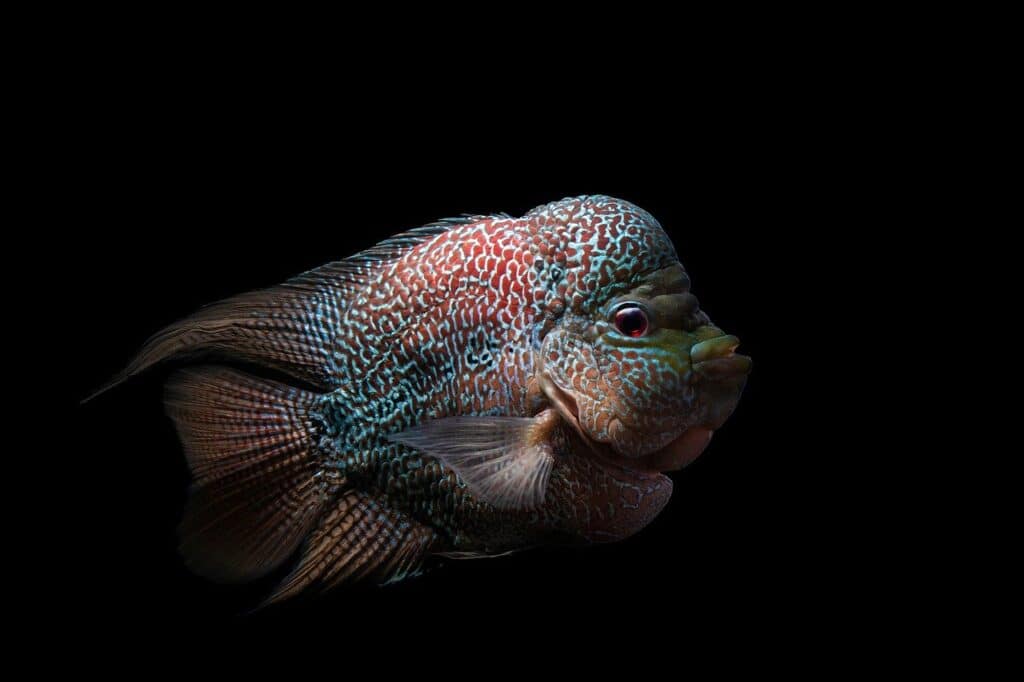
The Flowerhorn Cichlid, a striking man-made hybrid, is cherished for its vibrant colors and unique ‘hump’ on its forehead. Originating from crossbreeding various Central American Cichlid species, this artificial marvel exhibits a high care level. An ideal environment for the Flowerhorn, replicating its original habitat, involves a large tank with sufficient hiding spots and slightly alkaline water. Since these fish are territorial, each specimen requires ample space. Nutritionally, Flowerhorn Cichlids are omnivorous, thriving on a diet comprising high-quality pellets, live food, and vegetables. This exotic blend of color and personality makes the Flowerhorn Cichlid truly captivating.
Killifish (Cyprinodontidae)
The Killifish, or “Cyprinodontidae,” is an exotic species with a palette of vibrant colors that make it stand out in any aquarium. Hailing from freshwater and brackish environments globally, this diminutive fish exhibits a low to moderate care level, making it a favorite among enthusiasts. Killifish thrive in aquariums, replicating their natural habitats – shallow water with slow currents, dense vegetation, and sandy bottoms. They prefer a diet of small invertebrates and crustaceans, reflecting their feeding habits in the wild. Their diverse origins and easy care make Killifish a truly fascinating addition to any aquatic collection.
Electric Blue Acara (Andinoacara pulcher)
The Electric Blue Acara (Andinoacara pulcher) is a visually striking exotic fish revered for its vibrant blue coloration. Originating from the clear, slow-moving waters of South America, its moderate care level makes it appealing to both novice and experienced aquarists. The ideal environment for this species mirrors their original habitat, involving a spacious tank, water with a neutral pH, and plenty of hiding spots amongst rocks or vegetation. Proper nutrition for the Electric Blue Acara includes a diverse diet of high-quality flakes, live food, and occasional plant matter. This spectacular blend of beauty, mild disposition, and manageable care requirements make the Electric Blue Acara an enticing addition to any aquarium.
Pea Puffer (Carinotetraodon travancoricus)
The Pea Puffer, scientifically known as Carinotetraodon travancoricus, is an exotic and fascinating species hailed from the freshwaters of Southwest India. This diminutive creature, with its striking pattern and intelligent eyes, has a low to moderate care level, making it suitable even for novice aquarists. Pea Puffers thrive in aquariums that mimic their natural habitats, featuring vegetation, sandy bottoms, and plenty of hiding spots. It’s crucial to maintain a neutral to slightly acidic water pH. As for their diet, Pea Puffers are predominantly carnivorous, feeding on a range of small invertebrates, including snails and brine shrimp. Their unique charm and manageable care needs to make the Pea Puffer an attractive addition to any small aquarium.
Neon tetra (Paracheirodon innesi)
The Neon Tetra (Paracheirodon innesi) is an exotic species renowned for its glowing, neon-like stripes illuminating worldwide aquariums. Hailing from the soft, acidic waters of South America, its care level is low, making it accessible for beginner aquarists. Replicating its natural habitat involves maintaining slightly acidic water conditions and providing dim lighting to resemble the shaded waterscapes it hails from. The ideal aquarium setup also includes plenty of vegetation and hiding spots. Nutritionally, the Neon Tetra is omnivorous, thriving on a varied diet of quality flake food, brine shrimp, and even small food pellets. This captivating combination of care, easy, vibrant appearance, and entertaining behavior makes the Neon Tetra a fascinating addition to any aquarium.
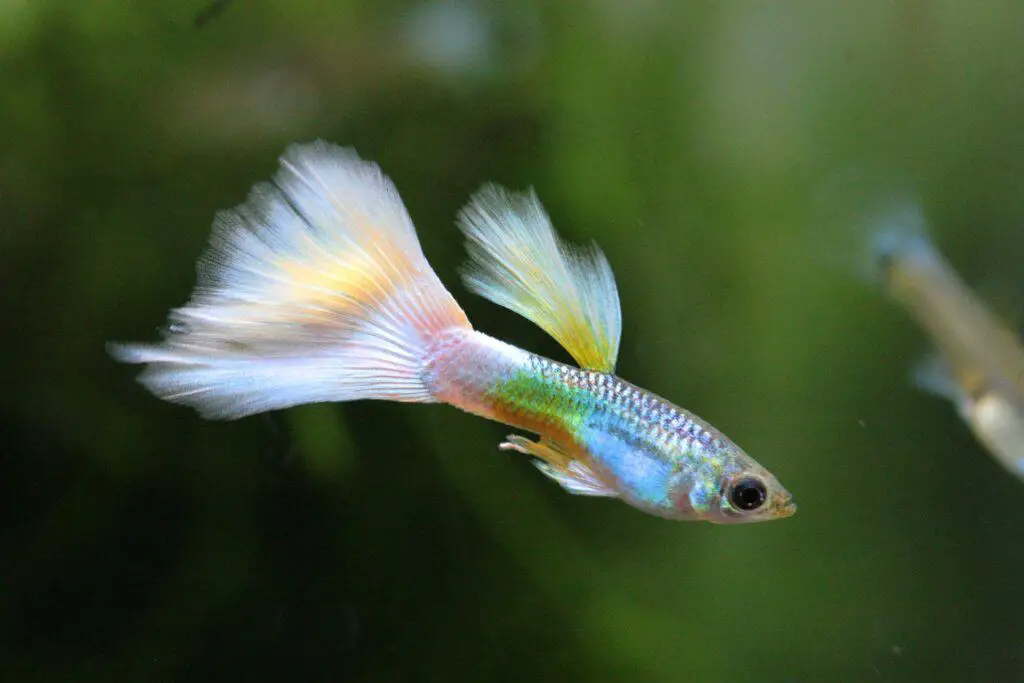
Fancy Guppies (Poecilia reticulata)
The Fancy Guppy, or Poecilia reticulata, is a truly fascinating species celebrated for its vivid array of colors and distinctive patterns. Originating from South America, this exotic marvel requires a low to moderate care level, making it a delightful choice for beginners. To mimic their natural habitat, a spacious tank with ample vegetation, a neutral to slightly alkaline pH, and moderate lighting is ideal. Fancy Guppies thrive on a diverse diet, including quality flake food, brine shrimp, and occasional plant matter. This enchanting blend of effortless care, radiant appearance, and captivating behavior makes the Fancy Guppy a cherished addition to any aquarium.
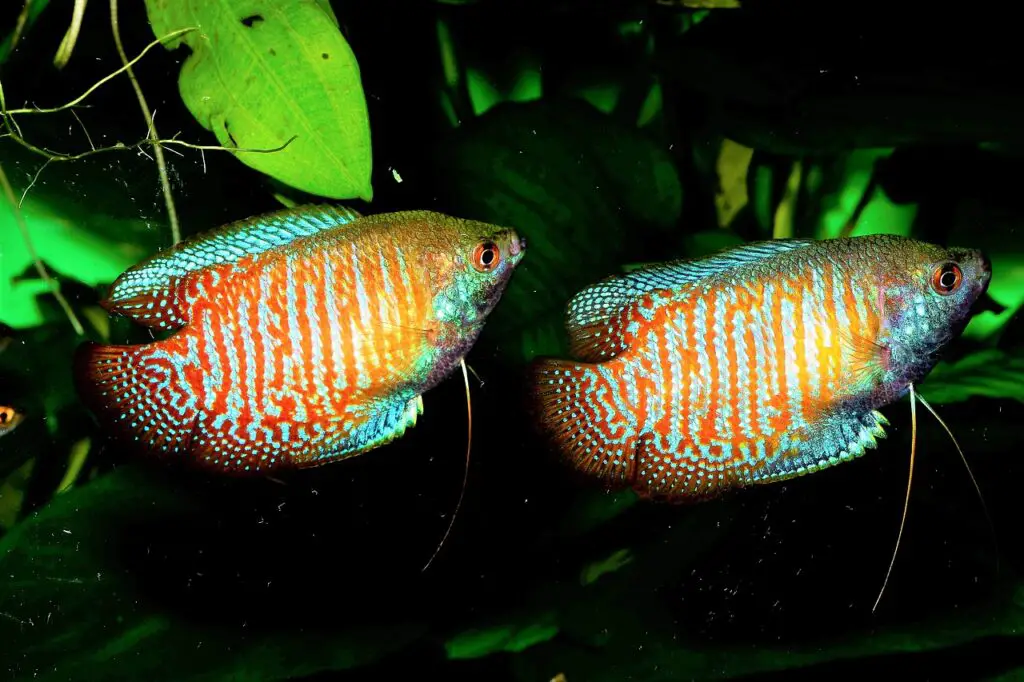
Dwarf Gourami (Trichogaster lalius)
The Dwarf Gourami (Trichogaster lalius) is an exotic fish hailing from the tranquil waters of South Asia. This fascinating creature’s vibrant hues and peaceful temperament make it a standout in any aquarium. The Dwarf Gourami requires a moderate care level, suitable for both novice and experienced aquarists. To replicate its ideal environment, a sizeable tank with plenty of vegetation, a neutral to slightly acidic pH, and subdued lighting is recommended. Additionally, providing hiding spots using rocks and driftwood can mimic its natural habitat. As omnivores, Dwarf Gouramis thrive on a diverse diet, including high-quality flake food, live food, and occasional vegetable matter. The fascinating blend of easy care, beautiful appearance, and calm nature make the Dwarf Gourami a truly captivating addition to any aquarium.
Kuhli Loach (Pangio cuneovirgata)
The Kuhli Loach, or Pangio cuneovirgata, is an alluring exotic species from the tropical waters of Southeast Asia. Its fascinating snake-like appearance and nocturnal habits have made it a favorite amongst aquarists. The Kuhli Loach has a moderate care level, making it accessible for most aquarium enthusiasts. To replicate its natural habitat, a soft, sandy substrate with plenty of hiding spots amongst rocks and vegetation is ideal, along with a neutral to slightly acidic pH. Diet-wise, the Kuhli Loach is omnivorous, appreciating a varied menu of quality pellet or flake foods, along with occasional live or frozen fare. The combination of its intriguing habits, unique appearance, and manageable care requirements make the Kuhli Loach a captivating addition to any aquarium.
German Blue Ram (Mikrogeophagus ramirezi)
The German Blue Ram (Mikrogeophagus ramirezi) is a truly exotic species emanating from the warm waters of Venezuela and Colombia. It’s famed for its vibrant colorings and peaceful disposition, making it a captivating addition to any aquarium. This fascinating species requires moderate care, making it suitable for intermediate to experienced aquarists. The German Blue Ram thrives in warm water conditions, around 27-30 degrees Celsius, with a slightly acidic pH. Recreating its natural habitat involves a tank filled with soft substrate, plenty of vegetation, and hiding spots among rocks. The diet of the German Blue Ram is omnivorous, encompassing a variety of foods such as fine pellet or flake foods with an occasional serving of live or frozen daphnia, brine shrimp, or bloodworms. This stunning blend of intense colors, unique behavior, and specific care requirements make the German Blue Ram an irresistible choice for aquarists.
Jack Dempsey Cichlid (Rocio octofasciata)
The Jack Dempsey Cichlid, or Rocio octofasciata, is an exotic species native to the warm waters of Central America. Known for its aggressive nature and striking colors, it’s a captivating addition to larger aquaria. This unique species requires moderate to high care, making it better suited for experienced aquarists. Jack Dempsey Cichlids thrive in spacious tanks that replicate their natural environment with a soft substrate, plenty of hiding spots among rocks, and a neutral to slightly alkaline pH. They are carnivorous, favoring a diet of live food, like brine shrimp and bloodworms, but will also accept quality flake or pellet foods. This combination of vibrant colors, unique behavioral traits, and specific care requirements make the Jack Dempsey Cichlid a truly fascinating aquatic creature.
African Cichlids (Cichlidae)
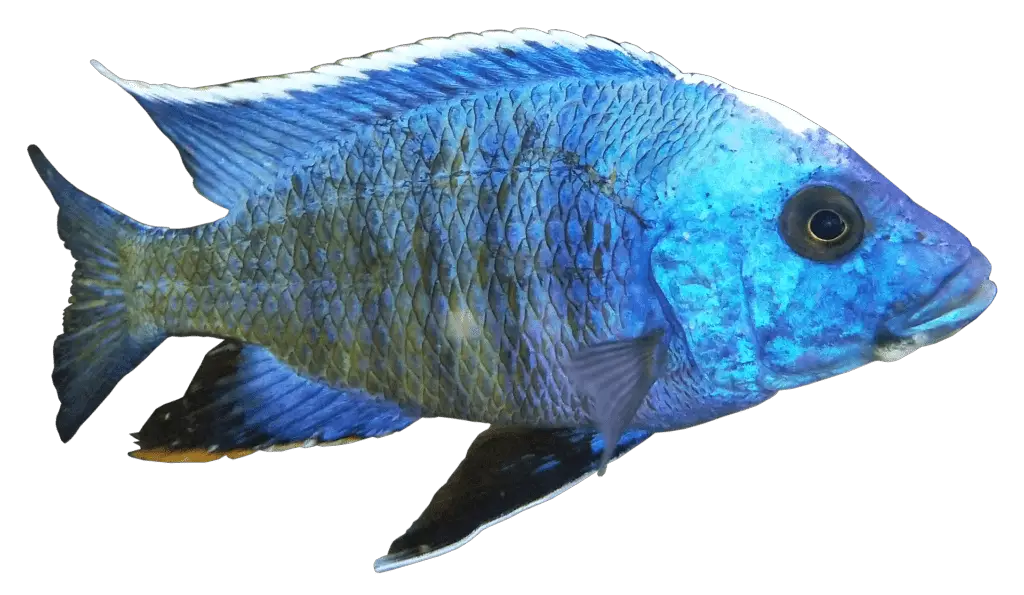
One fascinating aspect of African Cichlids (Cichlidae) is their remarkable diversity in size, color, and behavior. These fish exhibit a wide range of breeding patterns, with some species engaging in intricate courtship rituals and others practicing mouthbrooding, where the male carries and protects the eggs in his mouth. African Cichlids are known for their vibrant color variations, which can be influenced by diet and social status. Their aggressive behavior is often seen in defending their territory and establishing dominance within their community. These fish display habitat preferences, with some species inhabiting rocky environments while others prefer sandy bottoms. African Cichlids have various feeding habits, including herbivorous, omnivorous, and carnivorous diets. Popular species among hobbyists include the Peacock Cichlids (Aulonocara spp.), Mbuna Cichlids (Pseudotropheus spp.), and Frontosa Cichlids (Cyphotilapia frontosa).
Cherry barb (Puntius titteya)
The Cherry Barb, or Puntius titteya, is a fascinating species originating from the tranquil streams of Sri Lanka. Their vibrant coloration and peaceful nature make them a delightful addition to any aquarium. The Cherry Barb requires a moderate care level, suitable for novice to experienced aquarists. To mirror their natural habitat, a tank with a soft substrate, abundant vegetation, and a slightly acidic pH is recommended. They thrive on a varied diet, with a preference for high-quality flake food supplemented with occasional live food. The enticing blend of striking appearance, easy care requirements, and serene behavior makes the Cherry Barb a truly captivating aquatic species.
Betta Fish (Betta splendens)
The Betta Fish, or Betta splendens, originates from the serene waters of Thailand and is renowned for its stunning colors and gracefully flowing fins. With a moderate care level, it is suitable for aspiring aquarists. To recreate its natural environment, an ideal setup would be a small, well-aerated tank with slightly acidic pH and ample hiding spots among plants and rocks. As a carnivorous species, the Betta thrives on a diet of high-quality flake or pellet foods, supplemented with occasional treats of live or frozen brine shrimp or bloodworms. This captivating blend of vibrant colors, distinctive beauty, and manageable care requirements makes the Betta fish a truly exotic addition to any aquatic collection.

Guppy (Poecilia reticulata)
The Guppy, scientifically known as Poecilia reticulata, is a remarkably vibrant tropical fish species that hails from the freshwaters of South America. Its striking, exotic allure can be attributed to its diverse and captivating color patterns, which range from bold and vivid to subtle and intricate. This lively little fish is an absolute favorite among both experienced and novice aquarists alike, thanks to its low care level and charming personality.
To recreate the Guppy’s natural habitat, it is recommended to provide it with a well-lit aquarium containing water that has a slightly alkaline to neutral pH. Adding an abundance of aquatic plants not only enhances the aesthetic appeal of the tank but also provides the Guppies with ample shelter and hiding spots. These beautiful fish are renowned for their omnivorous diet, thriving on a combination of high-quality flake or pellet food. For added variety and nutrition, occasional live or freeze-dried food can also be offered.
Beyond their stunning colorations and easy care requirements, Guppies are also known for their playful and social nature. Observing their interactions and lively behavior can be a truly captivating experience that adds an extra layer of fascination to these aquatic gems. Whether you are an experienced fish keeper or just starting out, Guppies are a delightful addition to any aquarium, bringing a burst of vibrant colors and endless joy to your underwater world.
Zebra pleco (Hypancistrus zebra)
The Zebra Pleco, or Hypancistrus zebra, is a remarkably captivating species originating from the Xingu River in Brazil. This exotic fish is renowned for its striking black-and-white striped pattern, which mimics the appearance of a zebra, hence the name. The Zebra Pleco has a moderate care level, making it suitable for those with a bit of experience in fish keeping. To replicate its natural habitat, a tank with warm water, a slightly acidic pH, and rock formations for hiding is recommended. As a primarily carnivorous species, the Zebra Pleco favors a diet of high-quality pellets and live foods supplemented occasionally with vegetables. This combination of unique appearance, specific care requirements, and intriguing diet make the Zebra Pleco a truly fascinating and exotic addition to any aquarium.
Clown Loach (Chromobotia macracanthus)
The Clown Loach, or Chromobotia macracanthus, hails from the flowing rivers of Indonesia, making it a truly exotic species. Known for their vibrant orange and black stripes, these fish are a delight to observe. The Clown Loach has a moderate care level due to its specific tank requirements — replicating its natural environment is essential. They thrive in well-oxygenated water with a pH of 6.0-7.5, a temperature between 25-30°C, and ample hiding spots amongst rocks and plants. They also appreciate a current in the water, mimicking their riverine habitat. As omnivores, their diet consists of a mix of high-quality flakes or pellets, supplemented with occasional treats of live or frozen food. This striking blend of vibrant colors, unique behavior, and manageable care requirements render the Clown Loach a fascinating addition to any aquarium.
Endlers Livebearer (Poecilia wingei)
The Endlers Livebearer, scientifically known as Poecilia wingei, is a lively and captivating species originating from Venezuela. Known for their vibrant colors and active nature, these fish are a popular choice among aquarists of all levels. They require minimal care and maintenance, making them ideal for novice aquarium owners. A tank with a variety of plants and hiding spots is recommended to mimic their natural habitat in shallow rivers and streams. The Endlers Livebearer thrives on a diet of high-quality flakes or pellets, supplemented with occasional treats of live or frozen foods such as bloodworms or brine shrimp. Their small size makes them suitable for smaller tanks, adding charm and beauty to any aquatic setup.
In conclusion, these tropical fish are truly fascinating creatures that never fail to captivate with their vibrant colors and unique behaviors. From the graceful Arowana to the mesmerizing Betta fish, each species brings its own charm to the underwater world. As we continue to explore and understand these intricate creatures, we are reminded of the beauty and complexity of the natural world.
Frequently Asked Questions
How Do You Care for Arowana Fish?
- To care for Arowana fish, I set up a spacious tank, maintained proper water parameters, and provided a diet of live foods. I ensure compatible tank mates and watch for common diseases.
What Are the Unique Characteristics of the Black Ghost Knife Fish?
- The black ghost knife fish is known for its unique behavior, habitat, and diet, but most of all, it is known for its striking appearance.
Are African Cichlids Suitable for Beginners?
- African cichlids can be suitable for beginners, but they have pros and cons. They require a specific tank setup and proper feeding. Common health issues and compatibility factors can arise.
Can Cherry Barbs Be Kept in a Community Tank?
- Cherry barbs can coexist in a community tank with peaceful species such as tetras and guppies.
What Is the Lifespan of a Zebra Pleco?
- The lifespan of a zebra pleco ranges from 10 to 15 years. They thrive in warm, well-maintained tanks with plenty of hiding spots.