Being a fishkeeper for many years, I’ve always been amazed by the enormous impact that invertebrates have on water quality. Over the years, I have noticed that they have the power to alter pH levels and even impact the nitrogen cycle, making their presence crucial. With the information below, I will explain the various ways aquarium invertebrates can affect water quality. By providing you with essential information, I aim to empower you in maintaining a healthy and thriving aquatic environment.
Do aquarium invertebrates alter water conditions?
Aquarium invertebrates can significantly alter water conditions. These fascinating creatures play a crucial role in maintaining a healthy aquatic environment.
Water parameters are essential for the well-being of both invertebrates and other aquatic inhabitants. Invertebrates, such as snails and shrimp, produce waste and consume food, which can have an impact on the quantity of ammonia, nitrite, and nitrate in the water. These parameters need to be monitored regularly to ensure they remain within safe limits.

Filtration systems are also vital for preserving water quality in fish tanks. Invertebrates, particularly those with a high bio-load, can put a strain on the filtration system. It is important to choose a filtration system that is appropriate for the number and type of invertebrates in the tank. Proper filtration helps remove waste, excess nutrients, and harmful substances, contributing to a stable and healthy environment for both the invertebrates and other tank inhabitants.
Water quality control is crucial for the health and well-being of aquarium invertebrates. Maintaining proper water conditions, including temperature, pH, and hardness, is essential. Aquarium invertebrates have specific requirements and can be sensitive to changes in water parameters. Regular testing and alterations are necessary to ensure optimal conditions.
Ways in which aquarium invertebrates affect water conditions
The presence of aquarium invertebrates can directly impact water conditions in several ways. Here are three ways in which these fascinating creatures affect the quality of the water in your aquarium:
- Water Filtration: Aquarium invertebrates play a crucial role in maintaining water clarity by actively filtering out particles and debris. Many species, such as freshwater shrimps and snails, possess specialized structures like feathery appendages or rasping tongues that help them sift through the water and remove unwanted substances. This natural filtration process helps keep the water clean, reducing the risk of harmful pollutants.
- Nutrient Cycling: Invertebrates also contribute to nutrient cycling in the aquarium ecosystem. They break it down into smaller particles as they consume organic matter, such as uneaten fish food and decaying plant material. These particles are then further broken down by bacteria, creating essential nutrients for plants and other organisms in the tank. This cycle helps to maintain a healthy balance of nutrients in the water, promoting the growth of aquatic plants and reducing the risk of nutrient imbalances that can lead to algae blooms.
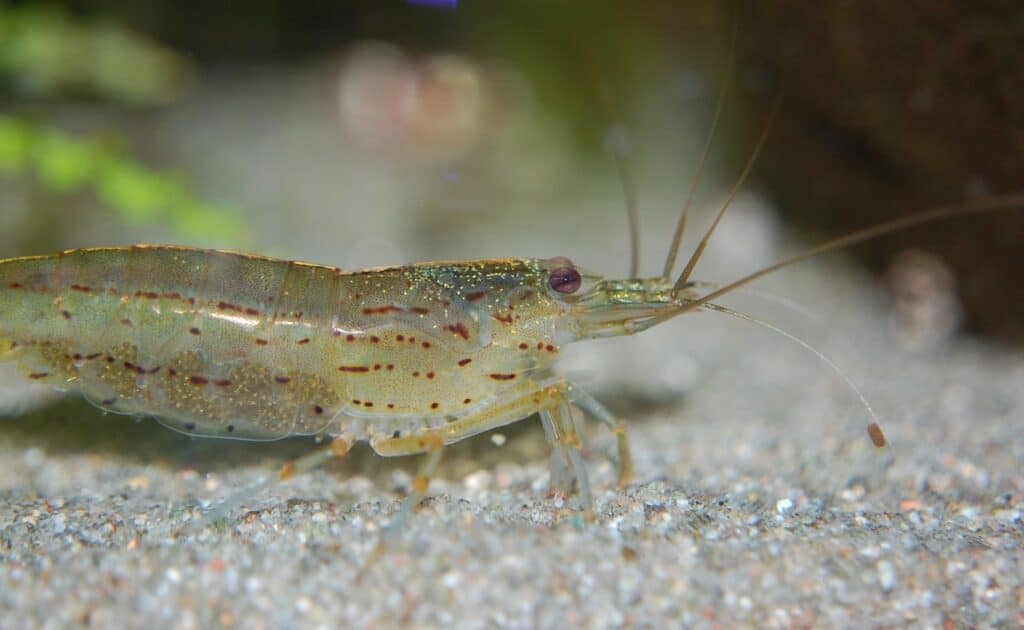
- Ammonia Detoxification: Ammonia is a toxic waste product produced by fish and other organisms in the aquarium. Luckily, many aquarium invertebrates have the ability to detoxify ammonia. Certain species, like the popular freshwater shrimp known as Amano shrimp, have specialized organs called gills that can convert toxic ammonia into less harmful compounds. By removing ammonia from the water, these invertebrates ensure the health of the fish and other species in the aquarium.
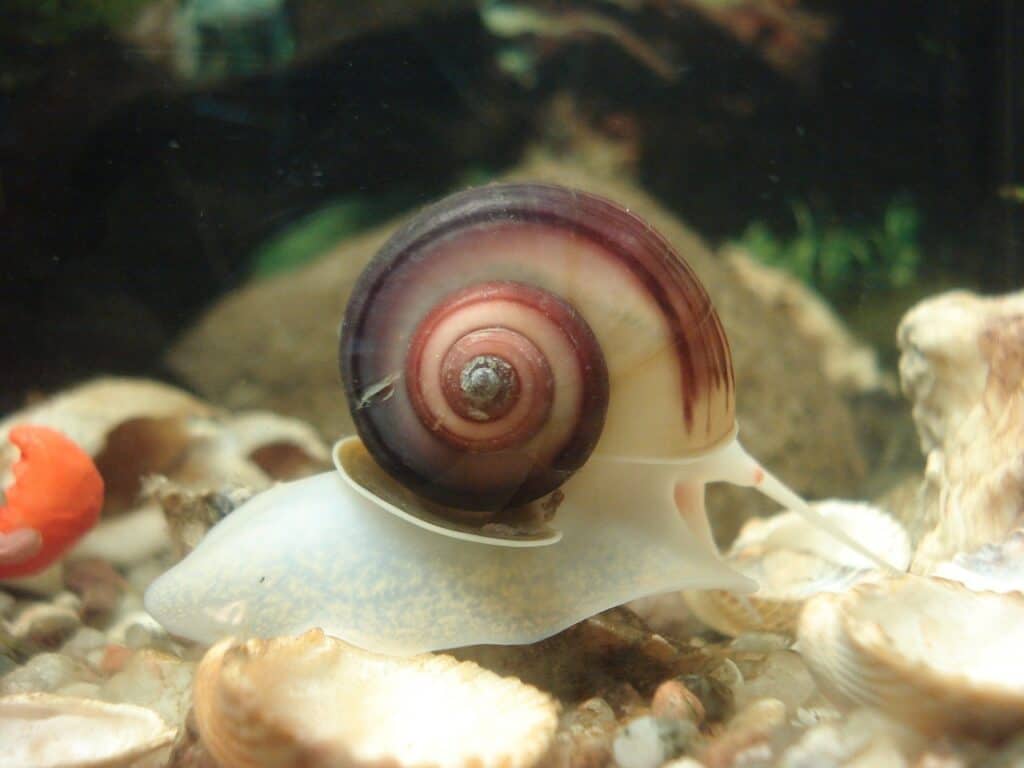
In addition to these three important roles, aquarium invertebrates also contribute to oxygenation and waste removal in the water. The constant movement of their appendages and their activities help agitate the water’s surface, promoting gas exchange and increasing oxygen levels. Furthermore, invertebrates like snails and shrimp actively consume detritus and waste, preventing them from accumulating and negatively impacting water quality.
Bio-load and Waste Production
Waste management is a crucial aspect of maintaining a healthy aquatic environment. Aquarium invertebrates play a significant role in this process through nutrient cycling and filtration benefits.
One way in which aquarium invertebrates contribute to waste management is through their role in nutrient cycling. Invertebrates, such as snails and shrimp, help break down organic matter, such as uneaten food and decaying plant material, into smaller particles. These particles are then consumed by bacteria and other microorganisms, which convert them into simpler compounds that can be utilized by plants as nutrients. This process, known as nutrient cycling, helps maintain a balanced ecosystem within the aquarium.
Additionally, aquarium invertebrates contribute to waste management through their filtration benefits. Some invertebrates, like filter-feeding shrimp and mollusks, actively filter the water, removing suspended particles and debris. This improves water clarity and reduces the accumulation of waste in the tank. Furthermore, the presence of invertebrates stimulates bacterial activity, as they provide a source of food for beneficial bacteria. These bacteria play a major role in breaking down ammonia and nitrites, that are harmful to fish and other aquatic organisms. By promoting bacterial activity, invertebrates help maintain a stable water chemistry and reduce the risk of water quality issues.
Influence on pH Levels
How do aquarium invertebrates influence pH levels?
1. Acid Buffering: Some aquarium invertebrates, such as snails and certain species of shrimp, play a crucial role in maintaining acidity control within the aquarium. They have the ability to release bicarbonate ions into the water, which helps to stabilize the pH level. These bicarbonate ions act as a buffer, preventing sudden changes in pH by absorbing excess hydrogen ions and maintaining the acid-base equilibrium.

2. Alkalinity Balance: Invertebrates like corals and other calcifying organisms significantly impact alkalinity balance. They utilize calcium carbonate from the water to build their skeletons or shells. This process, known as calcification, removes carbonate ions from the water, effectively reducing alkalinity. As a result, pH levels can decrease over time if not properly monitored and managed.
3. Water Chemistry: Aquarium invertebrates can also influence pH levels through their metabolic processes. Just like fish, invertebrates produce waste, including ammonia, which is highly toxic to aquatic life. In a well-established aquarium, beneficial bacteria convert ammonia into nitrite and then nitrate, a process known as nitrification. However, high nitrate levels can lead to a decrease in pH, making it important to monitor both ammonia and nitrate levels to maintain a stable pH.
Maintaining the ideal pH level in an aquarium is crucial for its inhabitants’ overall health and well-being. Understanding the influence of aquarium invertebrates on pH levels allows aquarists to take necessary steps to ensure proper acidity control and alkalinity balance. By monitoring water chemistry and implementing appropriate measures, such as water changes and buffering agents, you can create a stable environment that supports the acid-base equilibrium necessary for the thriving of all aquarium inhabitants.
Effect on Nitrogen Cycle
One important aspect of the nitrogen cycle in aquariums is the significant influence that aquarium invertebrates have on this process. Nitrogen cycling is crucial for maintaining a healthy aquatic environment, and the presence of invertebrates plays a vital role in this cycle.
Aquarium invertebrates contribute to the nitrogen cycle by altering water conditions through their waste production. Invertebrates release nitrogenous compounds such as ammonia as they consume food and produce waste. Ammonia is toxic to fish and leads to death. Beneficial bacteria are crucial in transforming ammonia into less hazardous substances such as nitrite and nitrate. This process, known as nitrification, is vital for establishing a stable nitrogen cycle. By converting ammonia, these bacteria contribute to maintaining a balanced and healthy environment.
Invertebrates also influence the nitrogen cycle by their pH influence. Some species produce acidic waste, which can lower the pH of the water. This acidity can hinder the growth of beneficial nitrifying bacteria and slow the conversion of ammonia to nitrate. On the other hand, certain invertebrates, like snails, can consume decaying organic matter and release bicarbonate ions, which can increase pH levels and indirectly support the growth of nitrifying bacteria.
Calcium Uptake and Hardness
Aquarium invertebrates continue to impact water quality through their involvement in calcium uptake and hardness. Calcium regulation is essential for the health and well-being of many aquatic organisms, including invertebrates such as snails, crustaceans, and corals. Here are three important ways in which calcium uptake and hardness play a role in maintaining water quality in aquariums:
- Shell Growth: Many invertebrates, such as snails and crustaceans, rely on calcium to build and maintain their shells. These shells provide protection, support, and a means of defense against predators. Without sufficient calcium in the water, these invertebrates may struggle to develop and maintain strong, healthy shells. This can lead to deformities, weakness, and increased vulnerability to diseases.
- Plant health and growth: Calcium is also essential for the growth of aquatic plants, which plays a significant role in maintaining water quality by absorbing nutrients and producing oxygen through photosynthesis. Invertebrates that consume calcium from the water contribute to maintaining appropriate levels for plant health, ensuring they thrive and contribute positively to the overall ecosystem.
- Mineral Balance and Water Hardness: Calcium uptake by invertebrates and other mineral ions helps maintain the mineral balance and water hardness in the aquarium. Proper water hardness is important for the overall health and well-being of aquatic organisms. It affects their osmoregulation, metabolism, and overall physiological functions. Inadequate calcium levels can disrupt the mineral balance and lead to adverse effects on invertebrates’ health and the overall stability of the aquarium ecosystem.

Understanding and maintaining appropriate calcium levels and water hardness is vital for the well-being of aquarium invertebrates. If necessary, regular water testing and supplementation of calcium can help ensure optimal conditions for their growth, shell development, and overall health.
Detritus Consumption and Water Clarity
An important aspect of water quality influenced by aquarium invertebrates is the consumption of detritus, which enhances water clarity. Detritus refers to the decomposing organic matter that accumulates in aquariums over time, such as uneaten fish food, dead plant material, and waste products. When left unchecked, detritus can lead to a buildup of nutrients and cause water quality issues. However, aquarium invertebrates play a crucial role in maintaining water clarity by actively consuming detritus and promoting nutrient cycling.
Detritus consumption by aquarium invertebrates helps to break down organic matter and prevent its accumulation. Invertebrates like snails, shrimp, and certain species of fish are particularly effective in the breakdown of detritus. They use their specialized mouthparts to sift through the substrate or scrape surfaces, consuming detritus. Through their feeding activities, these invertebrates enhance microbial activity, which aids in the decomposition of organic matter.
As detritus is consumed, the breakdown of organic matter returns nutrients back into the water. This process, known as nutrient cycling, is essential for maintaining a balanced and healthy aquarium ecosystem. The invertebrates consume detritus and excrete waste products that contribute to the overall nutrient availability in the water. Plants and beneficial bacteria use these nutrients, further promoting water clarity.
In addition to detritus consumption, aquarium invertebrates also contribute to water clarity through their role in water filtration. Many invertebrates, such as filter-feeding shrimp and bivalves, actively filter the water, capturing suspended particles and debris. This filtration process helps to remove particulate matter and further improve water quality.
Biofilm and Algae Interactions
While aquarium invertebrates play a crucial role in maintaining water clarity through detritus consumption and nutrient cycling, their interactions with biofilm and algae also significantly impact water quality. Here are three key aspects of these interactions:
1. Biofilm competition: Biofilms are complex communities of microorganisms that form on various surfaces in the aquarium, including rocks, decor, and even the glass itself. Invertebrates such as snails and shrimp actively graze on biofilms, competing with algae for the available nutrients. This competition helps prevent excessive algae growth, which can lead to poor water quality and unsightly tanks. By consuming the biofilm, invertebrates contribute to the overall ecological balance of the aquarium.
2. Nutrient cycling: Invertebrates, like certain species of snails and shrimp, are known as detritivores, meaning they feed on decaying organic matter. This includes dead plant material, uneaten fish food, and even fish waste. As they consume detritus, invertebrates release nutrients back into the water through their excretions. In order for biofilms and algae to grow, nutrients like nitrogen and phosphorus are essential. However, when present in excess, they can lead to imbalances and harm the overall health of the aquarium ecosystem.
3. Oxygen exchange and microbial diversity: Invertebrates, especially those that burrow in the substrate, like freshwater clams, play a crucial role in oxygen exchange within the aquarium. As they move and disturb the substrate, they enhance the circulation of water, allowing for better oxygenation. Additionally, invertebrates contribute to microbial diversity by introducing beneficial bacteria into the biofilm and algae communities. These bacteria help break down organic matter, further enhancing nutrient cycling and maintaining a healthy aquarium environment.
Understanding the intricate interactions between aquarium invertebrates, biofilm, and algae is essential for achieving and maintaining optimal water quality. Invertebrates play a vital role in establishing a balanced and thriving aquarium ecosystem by promoting biofilm competition, facilitating nutrient cycling, and contributing to oxygen exchange and microbial diversity.

Oxygen Consumption and CO2 Production
During my research, I found that certain aquarium invertebrates significantly impact water quality through their consumption of oxygen and the expulsion of carbon dioxide. Oxygen is imperative for the survival of aquatic organisms, including invertebrates. Each species has specific oxygen requirements based on its metabolic activity and respiration rate.
The oxygen requirements of aquarium invertebrates vary depending on their size, activity level, and habitat preferences. Larger and more active invertebrates generally require higher oxygen levels to support their energy needs. Some species, such as crayfish and large snails, have higher metabolic rates and, therefore, need more oxygen compared to others. It is crucial to maintain adequate dissolved oxygen levels in the aquarium to ensure the well-being of these invertebrates.
On the other hand, aquarium invertebrates, like all living organisms, produce carbon dioxide as a byproduct of respiration. The accumulation of carbon dioxide can have negative effects on water quality. High levels of carbon dioxide can lower the pH of the water, making it more acidic and potentially harmful to the invertebrates and other aquatic inhabitants.
To maintain ideal water quality, monitoring dissolved oxygen and carbon dioxide levels in the aquarium is essential. Regular testing and appropriate adjustments, such as increasing aeration or reducing stocking density, can help ensure a healthy environment for the invertebrates. Additionally, the presence of live plants in the aquarium can help maintain a balance between oxygen and carbon dioxide levels through photosynthesis.
Substrate Disturbance and Aeration
I rely on substrate disturbance and aeration in my aquarium to maintain optimal water quality. These two factors play a crucial role in ensuring a healthy environment for the invertebrates and other aquatic organisms. Here are three key benefits I commonly find of substrate disturbance and aeration in my aquarium:
1. Enhanced Filtration Efficiency: Substrate disturbance helps to prevent the accumulation of debris, uneaten food, and waste materials at the bottom of the tank. By gently stirring the substrate, I promote the circulation of water and increase the efficiency of my filtration system. This action allows the filter media to capture and remove more particles, resulting in cleaner water and improved water quality.
2. Oxygenation of the Water: Aeration is essential for maintaining optimal oxygen levels in the aquarium. Invertebrates, like other aquatic organisms, require oxygen for respiration. By providing aeration through the use of an air pump or a surface skimmer, I ensure that there is a continuous supply of oxygen in the water. This helps to prevent oxygen depletion and keeps the invertebrates healthy and active.
3. Stimulates Natural Behavior: Many invertebrates, such as shrimp and snails, exhibit natural behavior that involves foraging and digging in the substrate. By regularly disturbing the substrate, I recreate a more natural environment for them. This provides mental stimulation, encourages their natural instincts, and promotes overall well-being.
Chemical Sensitivities and Responses
I frequently observe how aquarium invertebrates respond to various chemicals present in the water. Chemical sensitivities play a crucial role in maintaining water quality and influencing invertebrate behavior. Invertebrates are highly sensitive to changes in their environment, especially when it comes to chemical composition. Understanding their responses to these chemicals is essential for sustaining a healthy and balanced aquarium ecosystem.
Water quality is directly impacted by the presence of chemicals in the aquarium. Invertebrates can exhibit a range of responses, from stress and reduced activity to death, depending on the concentration and type of chemicals present. This highlights the importance of regularly monitoring and maintaining water quality parameters.
Invertebrates also play a vital role in maintaining water quality through their filtration efficiency. They help remove excess nutrients, such as nitrates and phosphates, from the water. These nutrients can lead to poor water quality, causing algae blooms and oxygen depletion. By consuming detritus and organic matter, invertebrates contribute to nutrient cycling and help maintain a healthy balance in the aquarium.
Certain chemicals, such as copper-based medications or aquarium salts, can be toxic to invertebrates. It is important to be cautious when using medications or additives in the aquarium, as they can have unintended consequences on the invertebrate population. Researching the compatibility of chemicals with invertebrates is always recommended before introducing them to the aquarium.
In conclusion, aquarium invertebrates play a crucial role in maintaining water quality. They help to regulate bio-load and waste production, influence pH levels, contribute to the nitrogen cycle, interact with biofilm and algae, consume oxygen and produce CO2, disturb substrate, and provide aeration. Their presence in the aquarium enhances the overall ecosystem and evokes a sense of wonder and tranquility, creating a captivating experience for the audience.
Frequently Asked Questions
Can Aquarium Invertebrates Improve Water Quality by Consuming Excess Nutrients?
- Yes, aquarium invertebrates can improve water quality by consuming excess nutrients. They act as biofilters, helping to control nutrient levels in the water. This benefits overall water quality and promotes a healthier environment for aquatic life.
Do Aquarium Invertebrates Impact the Oxygen Levels in the Tank Water?
- Sure, aquarium invertebrates do have an impact on oxygen levels in the tank water. Their behavior and water circulation can affect the amount of dissolved oxygen. Proper oxygenation techniques are important for their well-being.
How Do Aquarium Invertebrates Affect the Overall Clarity of the Water?
- Aquarium invertebrates play a crucial role in maintaining water clarity. They do this by eating algae and other detritus from the substrate. This helps to keep excess particles from clouding the water, improving visibility and overall clarity.
Are There Any Specific Types of Aquarium Invertebrates That Can Help Control Algae Growth?
- Introducing algae-eating invertebrates to your aquarium can help control algae growth. The best choices for this purpose are shrimp and snails. They can eat large algae without adversely affecting the aquarium’s balance.
Can Certain Aquarium Invertebrates Contribute to the Maintenance of a Stable Ph Level in the Tank Water?
- Certain aquarium invertebrates, like snails and shrimp, are vital in maintaining stable pH levels in the tank water. They also aid in nutrient control, promote oxygen levels, and contribute to water clarity while controlling algae growth.