When I started keeping aquarium invertebrates, I never knew there were so many things to it. From the endless variety of species to their unique behaviors, these small creatures can add a whole new dimension to your aquarium hobby. However, like everything else in life, there are pros and cons to keeping aquarium invertebrates, so let me share my real-life experiences with you by providing all the pros and cons that I have come across in my many years of keeping different species.
Pros and Cons of Aquarium Invertebrates
When considering the pros and cons of aquarium invertebrates, evaluating the potential benefits and drawbacks of specific species such as shrimp, snails, crabs, crayfish, and mussels is important. These invertebrates can contribute to the overall health and balance of the aquarium ecosystem by aiding in algae control, scavenging excess food, and promoting water quality. However, it is crucial to also consider the potential risks associated with certain species, such as aggression, overpopulation, and damage to plants or other tank inhabitants.
Shrimp:
Pro’s:
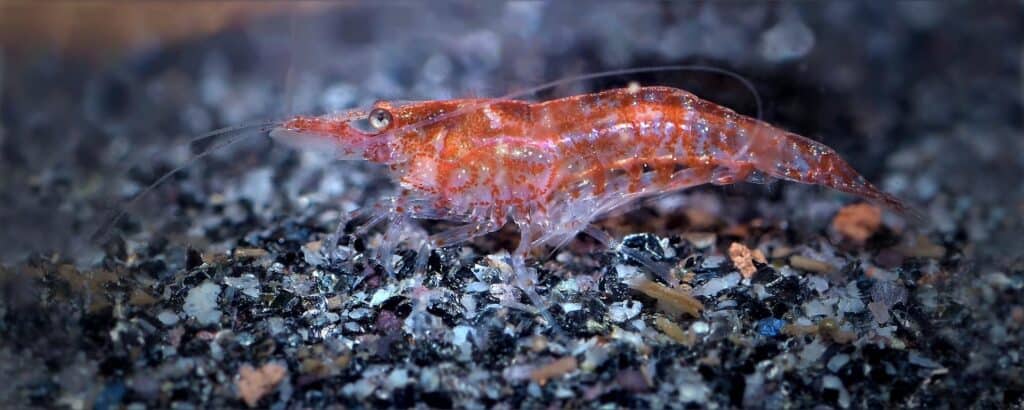
- Effective Algae Eaters: Shrimp are natural algae controllers, contributing to a cleaner tank environment, reducing manual cleaning, and improving overall aesthetics.
- Variety of Species and Colors: The vast array of shrimp species available in different colors and patterns allows aquarists to create visually stunning and diverse aquariums.
- Efficient Scavengers: Shrimp’s scavenging habits help maintain water quality by reducing excess food and detritus, minimizing waste buildup.
- Valuable Food Source: Larger shrimp species, like Amano shrimp, serve as a natural and nutritious food source for predatory fish, promoting a balanced ecosystem.
- Low Bioload: Due to their small size, shrimp produce minimal waste, contributing to stable water parameters and making them an excellent addition to planted tanks.
- Social Behaviors: Some species, such as Cherry Shrimp, exhibit intriguing social behaviors like schooling, adding depth to the aquarium’s entertainment factor.
Con’s:
- Susceptible to Diseases: Shrimp can be sensitive to diseases and water quality fluctuations, necessitating consistent monitoring and water parameter management.
- Specific Water Parameters: Certain shrimp species require precise water parameters, such as salinity for brackish shrimp, making them less forgiving of parameter fluctuations.
- Rapid Reproduction: Shrimp have a high reproduction rate, potentially leading to overpopulation if not controlled, requiring population management strategies.
- Medication Sensitivity: Shrimp are vulnerable to medications used to treat fish illnesses, complicating the treatment process and necessitating careful consideration.

Snails:
Pro’s:
- Algae Control: Snails are nature’s algae controllers, actively grazing on algae, reducing the need for manual cleaning, and promoting a cleaner, healthier tank.
- Natural Tank Cleaners: Their voracious appetite for leftover fish food and detritus makes snails efficient tank cleaners, enhancing water quality and reducing maintenance.
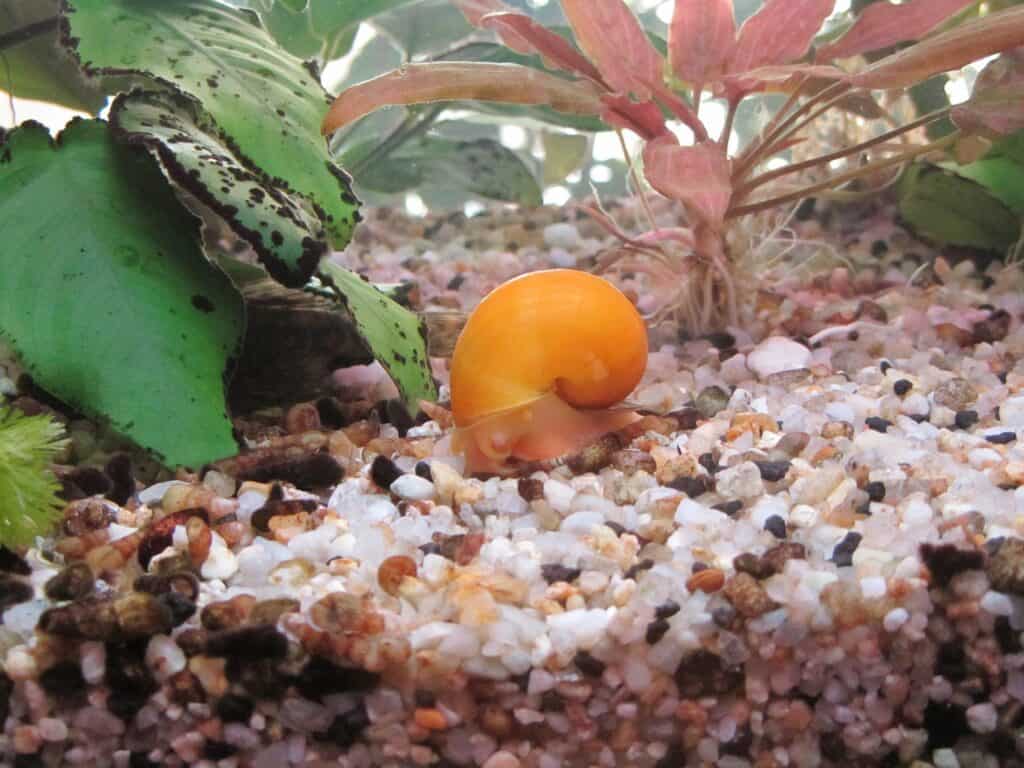
- Visual Aesthetics: Snails come in various colors and sizes, adding visual diversity and aesthetic appeal to the aquarium.
- Low-Maintenance: Snails are renowned for their hardiness and minimal care requirements, making them suitable for both beginners and experienced aquarists.
- Behavioral Indicators: Changes in snail behavior, such as reduced activity, can serve as early indicators of water quality issues, prompting timely corrective actions.
- Ornate Shells: Some snail species, like Mystery Snails, sport ornate and colorful shells, contributing to the tank’s overall beauty.
Con’s:
- Overpopulation Risk: Certain snail species reproduce rapidly, potentially leading to population explosions if not actively managed through population control methods.
- Plant Damage: Snails may consume or damage aquarium plants, especially when present in large numbers, demanding careful plant selection and management.
- Waste Production: Snails’ consumption of food and organic matter results in significant waste production, contributing to the tank’s bioload and necessitating efficient filtration.
- Parasite Vectors: Certain snail species can serve as vectors for parasites, potentially introducing diseases to the tank, emphasizing the importance of quarantine procedures.
Crabs:
Pro’s:
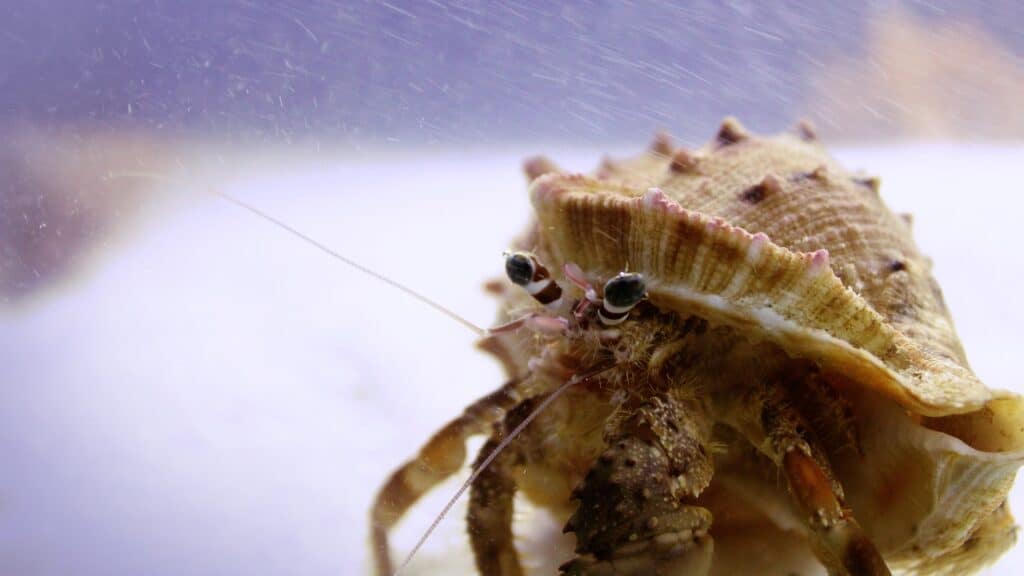
- Unique Behavior and Appearance: Crabs exhibit captivating and unique behaviors while showcasing distinctive appearances, making them intriguing additions that enhance the aquarium’s overall appeal.
- Substrate Aeration: Through burrowing activities, crabs actively aerate and maintain the health of the substrate, enhancing oxygen levels for all tank inhabitants.
- Effective Scavengers: Some crab species act as efficient scavengers, helping to maintain water quality by consuming uneaten food and detritus, reducing excess waste accumulation.
- Novelty: Crabs introduce novelty and diversity to the tank, offering a refreshing change from more common tank inhabitants, sparking curiosity and interest.
- Breeding Potential: Many crab species can be bred in captivity, providing opportunities for hobbyists to engage in breeding projects and fostering a deeper connection with the aquarium hobby.
- Versatile Habitat: Crabs can thrive in both freshwater and brackish setups, accommodating various tank environments and offering aquarists versatility in tank composition.
Con’s:
- Aggression and Territoriality: Aggressive and territorial behaviors among crabs can lead to conflicts with other tankmates, necessitating careful species selection and monitoring.
- Disruption of Decor: Crabs may disrupt tank decor and uproot plants, affecting the aquarium’s overall aesthetic layout and arrangement.
- Habitat Requirements: Proper land areas for air-breathing are necessary for crab species, adding complexity to tank design and maintenance.
- Molting Issues: Susceptibility to molting issues, which can be fatal if not managed, demands vigilant monitoring and proper care, including ensuring suitable post-molt conditions.
- Escape Potential: Crabs may escape from the tank without secure lids, emphasizing the importance of secure enclosure design.
- Dietary Specificity: Some crab species have specific dietary requirements, necessitating thorough research, appropriate feeding practices, and a varied diet.
Crayfish:
Pro’s:
- Fascinating Behavior and Appearance: Crayfish exhibit captivating behaviors and possess unique appearances, offering an engaging and visually appealing aspect for aquarium enthusiasts to observe.
- Efficient Scavengers: Crayfish are proficient scavengers, actively contributing to water quality maintenance by consuming organic matter and detritus, which helps reduce waste buildup.
- Hardiness and Adaptability: Some crayfish species demonstrate hardiness and adaptability, tolerating various water conditions and providing flexibility in tank setups.
- Breeding Potential: Crayfish can be bred in captivity, offering opportunities for breeding projects and potentially serving as a source of income for hobbyists interested in breeding ventures.
- Aquatic and Semi-Aquatic: They can serve as both aquatic and semi-aquatic additions to the tank, diversifying the habitat and providing interesting behavioral diversity.
- Aesthetic Variety: Crayfish are available in a variety of colors and patterns, allowing aquarists to customize their tank aesthetics and create unique aquascaping designs.
Con’s:
- Aggression and Predation: Crayfish’s aggressive and predatory nature can pose a threat to smaller tankmates, necessitating careful species selection and monitoring.
- Substrate Disturbance: Crayfish may dig and rearrange the aquarium substrate and decor, affecting the tank’s aesthetics and potentially disrupting plants.
- Habitat Requirements: Crayfish require hiding spots and secure lids to prevent escapes, adding complexity to tank design and setup.
- Molting Challenges: Susceptibility to molting issues, which can be fatal if not managed, requires close attention and appropriate care, including providing adequate post-molt care.
- Plant Consumption: Some crayfish species may consume live plants in the aquarium, limiting the selection of suitable aquatic vegetation.
- Short Lifespan: Certain crayfish species have relatively short lifespans compared to other aquarium animals, making considerations of longevity important when keeping them.
Mussels:
Pro’s:
- Effective Filter Feeders: Mussels significantly enhance water quality by effectively removing particles and improving water clarity through their filter-feeding activities.
- Aesthetic Mantles: Their colorful mantles provide eye-catching displays that elevate the tank’s visual appeal, serving as natural focal points within the aquarium.
- Low-Maintenance: Mussels are hardy when water parameters are suitable, reducing care demands and making them suitable for aquarists seeking low-maintenance additions.
- Compatibility: Mussels can coexist peacefully with other tankmates, providing flexibility in tank community composition and offering various compatibility options.
- Conversation Starter: The presence of mussels often initiates discussions and interest among aquarists, especially among those interested in the unique role these creatures play within the tank ecosystem.
- Species Diversity: Availability in various mussel species offers diversity in appearance and size, catering to aquarists’ preferences and allowing for varied setups.
Con’s:
- Water Quality Sensitivity: Mussels require stable water quality conditions, demanding meticulous management of water parameters, including pH and calcium levels.
- Limited Availability: Mussels are not commonly found in the aquarium trade, limiting accessibility to interested hobbyists and potentially requiring specialized sourcing.
- Sensitivity to Changes: Mussels can be sensitive to fluctuations in water chemistry, such as salinity and calcium levels, necessitating consistent monitoring and maintenance.
- Low Activity: Mussels exhibit limited movement and interaction compared to more active tank inhabitants, offering passive rather than dynamic entertainment.
- Tank Size Consideration: Mussels may not be suitable for small or heavily stocked tanks, considering space and bioload considerations.
- Bioload Contribution: Mussels produce waste, contributing to the tank’s bioload, necessitating regular maintenance and potential adjustments to filtration systems.
Clams:
Pro’s:
- Aesthetic Appeal: Clams’ colorful mantles enhance the tank’s visual appeal, serving as natural focal points that elevate the overall aesthetic of the aquarium.
- Water Quality Improvement: Clams effectively filter-feed, promoting water clarity and overall tank health by removing particles and impurities from the water column.
- Compatibility: Clams can coexist peacefully with a variety of tankmates, offering flexibility in tank community composition and providing compatibility options with different species.
- Conversation Starter: Their presence often sparks discussions and interest among advanced aquarists who appreciate their unique role within the tank ecosystem.
- Nutrient Control: Clams help control excess nutrients in the aquarium, aiding in maintaining stable water parameters and reducing the risk of nutrient-related issues.
- Patterned Mantles: Some clam species exhibit intricate and colorful patterns on their mantles, offering captivating and dynamic displays that enhance the visual interest of the tank.
Con’s:
- Water Quality Sensitivity: Clams are highly sensitive to fluctuations in water parameters, especially regarding salinity and calcium levels, requiring meticulous monitoring and maintenance.
- Limited Availability: Clams are not commonly found in the aquarium trade, making them less accessible to interested hobbyists and potentially requiring specialized sourcing.
- Low Activity: Clams exhibit minimal movement and interaction compared to more active tank inhabitants, providing passive rather than dynamic entertainment.
- Tank Size Consideration: Clams may not be suitable for small or heavily stocked tanks, necessitating careful consideration of tank size and bioload management.
- Feeding Challenges: Some clam species have specific feeding requirements, such as phytoplankton supplementation, demanding specialized care and nutrition.
- Flow and Feeding Requirements: Clams may require supplemental feeding and appropriate water flow in the tank to ensure adequate food capture, adding to maintenance efforts.
The presence of aquarium invertebrates can bring both advantages and disadvantages to an aquatic environment. On the one hand, these fascinating creatures add diversity and visual appeal while also contributing to the overall health of the ecosystem by assisting in waste management. On the other hand, certain species may pose a threat to other inhabitants or require specific care conditions. It is crucial for aquarium enthusiasts to carefully consider the pros and cons before introducing invertebrates to their tanks.