When it comes to freshwater aquarium invertebrates, we all know they serve an important function in our aquariums, but how do you feed them and what do you feed them are questions we all faced at some point when looking to add them to our aquatic setup. Luckily, I have kept all types of invertebrates for over 20 years, so let me share my experiences with you.
What do aquarium invertebrates eat
As an experienced aquarist, I know that the diet of aquarium invertebrates can vary depending on the species. There are four categories that freshwater aquarium invertebrates fall under, and they are:
- Herbivorous Invertebrates: (Eats plant-based foods)
- Carnivorous Invertebrates: (Eats meat-based foods)
- Omnivorous Invertebrates (Eats both plant and meaty foods)
- Detritivores and Scavengers: (Eats decaying plant and animal matter)
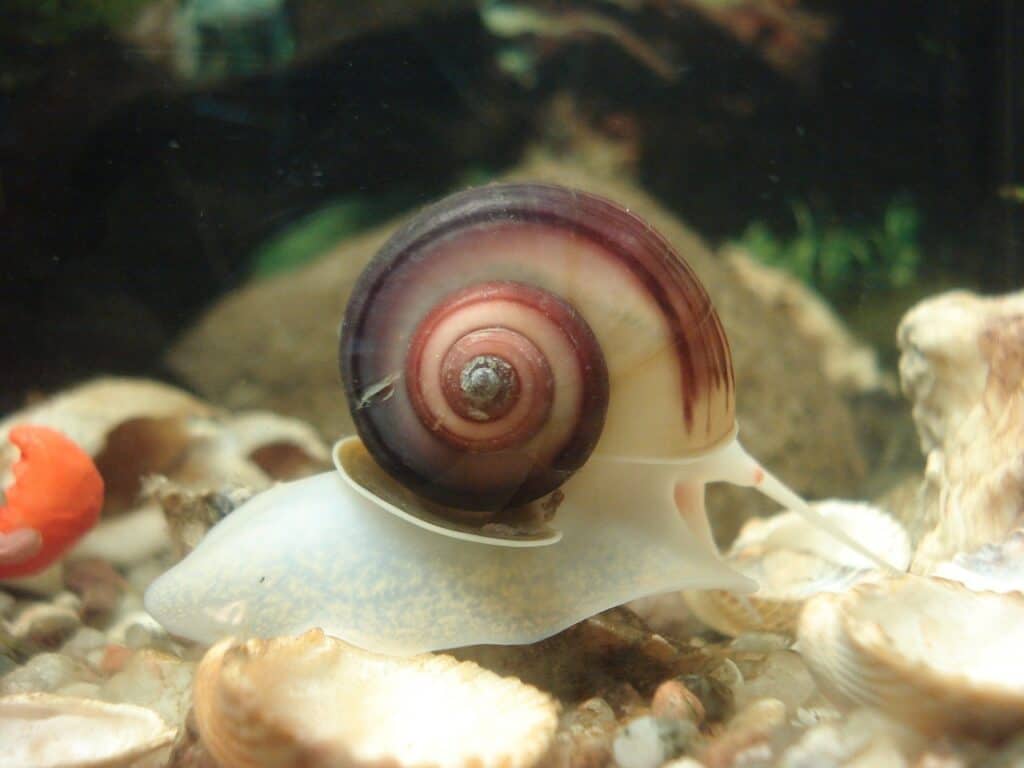
Freshwater aquarium shrimp, for example, typically feed on algae, biofilm, and small particles of organic matter. Snails also graze on algae and decaying plant matter, while crayfish have a more diverse diet that includes algae, detritus, and even small fish. Freshwater aquarium crabs are opportunistic feeders, consuming a mix of plant matter, small invertebrates, and even carrion. Finally, clams and mussels are filter feeders, extracting nutrients from the water through their specialized gills.
What do Freshwater Aquarium Shrimp eat
Freshwater aquarium shrimp primarily consume detritus, algae, dead fish, other dead shrimp, and small organic particles. It is important to provide a varied diet to meet their nutritional requirements. A feeding schedule for freshwater shrimp should include a mix of commercial foods specifically formulated for shrimp, such as pellets or flakes. Additionally, supplementing their diet with live or frozen foods like brine shrimp or daphnia can enhance their nutrition.
What do Freshwater Aquarium Snails eat
Freshwater aquarium snails have a diverse diet, consuming organic matter and decaying plant material to meet their nutritional needs. Here are some important points about their feeding habits and dietary requirements:
- Feeding habits: Snails are natural scavengers, eagerly consuming leftover fish food, algae, and detritus present in the aquarium.
- Nutritional requirements: Calcium is crucial for the growth of snail shells, making it vital to provide them with a diet rich in calcium.
- Snail-friendly foods: Optimal options for snail food include blanched vegetables, sinking pellets, and algae wafers.
By understanding their feeding habits and providing appropriate nutrition, you can ensure the well-being of your freshwater aquarium snails.
What do Freshwater Aquarium Crayfish eat
I regularly observe the dietary habits of my crayfish, and these fascinating creatures have diverse feeding habits and dietary preferences. Their food sources include algae, plants, small invertebrates, and even leftover fish food. To meet their nutritional requirements, providing a balanced diet that includes high-quality pellets, vegetables, and occasionally live or frozen foods is important. Crayfish are opportunistic feeders and can be fed once or twice a day, considering their feeding behaviour and adjusting the feeding schedule accordingly.

What do Freshwater Aquarium Crabs eat
When it comes to freshwater aquarium crabs, their diet requirements are quite similar to crayfish. Here are some key points to consider about the feeding habits and nutritional needs of freshwater crabs:
- Freshwater aquarium crab species have omnivorous diets, meaning they eat both plant matter and small animals.
- Their diet should include various foods, including high-quality commercial crab pellets, frozen or live foods like brine shrimp and bloodworms, and fresh vegetables like spinach and peas.
- It is important to provide them with calcium-rich foods like cuttlebone or crushed eggshells to support their exoskeleton development.
- To maintain a healthy diet for freshwater crabs, feeding them small amounts multiple times a day is recommended to prevent overfeeding and maintain water quality.
What do Freshwater Aquarium Clams and Mussels eat
When it comes to the diet of freshwater aquarium clams and mussels, they primarily feed by filtering microscopic particles from the water. These invertebrates have specific nutritional demands that must be met in order to sustain their health and well-being. These invertebrates usually don’t need to be fed as they feed on the debris within your gravel and do just fine with all the leftover fish food. They can, however, benefit greatly from the occasional algae wafer treat.
What are the best foods to feed aquarium invertebrates?
Selecting the best foods for freshwater aquarium invertebrates involves a mix of commercial and natural sources to ensure a balanced diet. Here are a few prime options:
- Commercial Foods: High-quality, invertebrate-specific foods are available in flakes, pellets, and wafers. These foods are nutritionally balanced and often fortified with essential vitamins and minerals. They are suitable for herbivorous, carnivorous, and omnivorous species.
- Vegetables: Blanched vegetables like zucchini, peas, and spinach are a tasty treat for many invertebrate species. Providing these in moderation ensures a diverse diet.
- Live and Frozen Foods: Live foods such as daphnia, brine shrimp, and bloodworms are ideal for carnivorous and omnivorous invertebrates. They provide essential proteins and can stimulate natural hunting behaviours.
- Algae Wafers: Algae wafers are a perfect choice for herbivorous species and detritivores. They offer an excellent source of essential nutrients and cater to the natural grazing habits of these creatures.
- Calcium Sources: Foods rich in calcium, like cuttlebone, crushed egg shells, or calcium-enriched pellets, are vital for invertebrates with exoskeletons. They aid in healthy shell or exoskeleton development.

Remember, variety is the key component of a healthy diet. Rotating between different types of foods ensures a balanced intake of nutrients and keeps your invertebrates interested in their meals.
Do aquarium invertebrates eat algae?
Algae consumption is a significant component of the diet for many aquarium invertebrates. Invertebrates such as snails, shrimp, and some species of crabs are known to feed on algae. However, it’s important to note that not all invertebrates eat algae exclusively. Some may also consume plants, detritus, live prey, frozen food, pellets, and even vegetables. The diet of aquarium invertebrates can vary depending on the species, so it’s crucial to provide a balanced and diversified diet to ensure their nutritional needs are met.
Do I need to feed my aquarium invertebrates?
Feeding aquarium invertebrates would depend on a few factors, like how often you feed the other fish in your tank, how much you feed, and how many invertebrates you have. For example, if you feed once a day and you notice that there is food falling to the floor or getting swept away by the current, then eventually, this excess food will be consumed by your invertebrates, and they should be fine with leftovers, but if you notice all the food is being eaten before it gets to the bottom or before it is being dispersed in the tank, then you may need to provide additional food for your invertebrates depending on the species.
- Importance of feeding aquarium invertebrates: A regular food source ensures their nutritional needs are met and promotes overall well-being.
- Common mistakes in feeding aquarium invertebrates: Overfeeding or underfeeding can lead to health issues or even death. It’s important to feed them the right amount and avoid excessive or inadequate feeding.
- Benefits of a balanced diet for aquarium invertebrates: A balanced diet promotes growth, reproduction, and vibrant coloration in invertebrates. It also helps boost their immune system and enhances their ability to withstand stress.
- How to choose the right food for aquarium invertebrates: Research the specific dietary requirements of your invertebrates to determine the appropriate food. Consider their natural diet and provide a variety of foods, including pellets, flakes, frozen or live prey, and vegetables.
How often should I feed my aquarium invertebrates?
I typically feed my aquarium invertebrates daily to ensure their nutritional needs and promote their overall health and well-being. It’s important to establish a consistent feeding schedule for aquarium invertebrates. Providing them with the recommended diet for their species is crucial. Neglecting their nutritional needs can lead to health issues. Common mistakes in feeding aquarium invertebrates include overfeeding, resulting in poor water quality. Additionally, it’s beneficial to offer alternative food sources to introduce variety and ensure a well-rounded diet.

Tips that helped me in feeding
- Always consider how much excess food is in your tank from feeding others
- Keep in mind that certain species already have a food source, i.e. algae and detritus
- If you notice dead fish and the invertebrates are feeding on that, then avoid feeding for that day
Feeding aquarium invertebrates is crucial for their health and well-being. Just like us, they need a balanced diet to thrive. We can witness their vibrant colours and active behaviour by providing the best foods and ensuring regular feeding. I remember once neglecting to feed my invertebrates for a few days, and their energy levels dropped significantly. It taught me the importance of consistent feeding for their overall vitality. So remember, a well-fed invertebrate is a happy invertebrate!
Frequently Asked Questions
Can Aquarium Invertebrates Survive Solely on Algae in the Tank?
- No, aquarium invertebrates cannot survive solely on algae in the tank. While it can be a part of their diet, they also need other alternatives.
Can Overfeeding Aquarium Invertebrates Be Harmful to Them?
- Overfeeding aquarium invertebrates can be harmful. It leads to poor water quality and health issues.
Are There Any Commercially Available Specialized Diets for Aquarium Invertebrates?
- Yes, there are commercially available specialized diets for aquarium invertebrates. These diets cater to their unique nutritional needs and offer alternative food sources.
Can Aquarium Invertebrates Obtain Enough Nutrition From Leftover Fish Food in the Tank?
- In my experience, relying solely on leftover fish food for aquarium invertebrates’ nutritional needs is insufficient.