Keeping aquarium invertebrates comes with many challenges, and there are many things to consider before getting them. But before diving in, knowing what you’re getting into is important. In this comprehensive guide, I’ll walk you through everything you need to know about keeping aquarium invertebrates. From the challenges they pose to the benefits they bring, I’ll provide you with all the knowledge you should have to create a thriving underwater ecosystem.
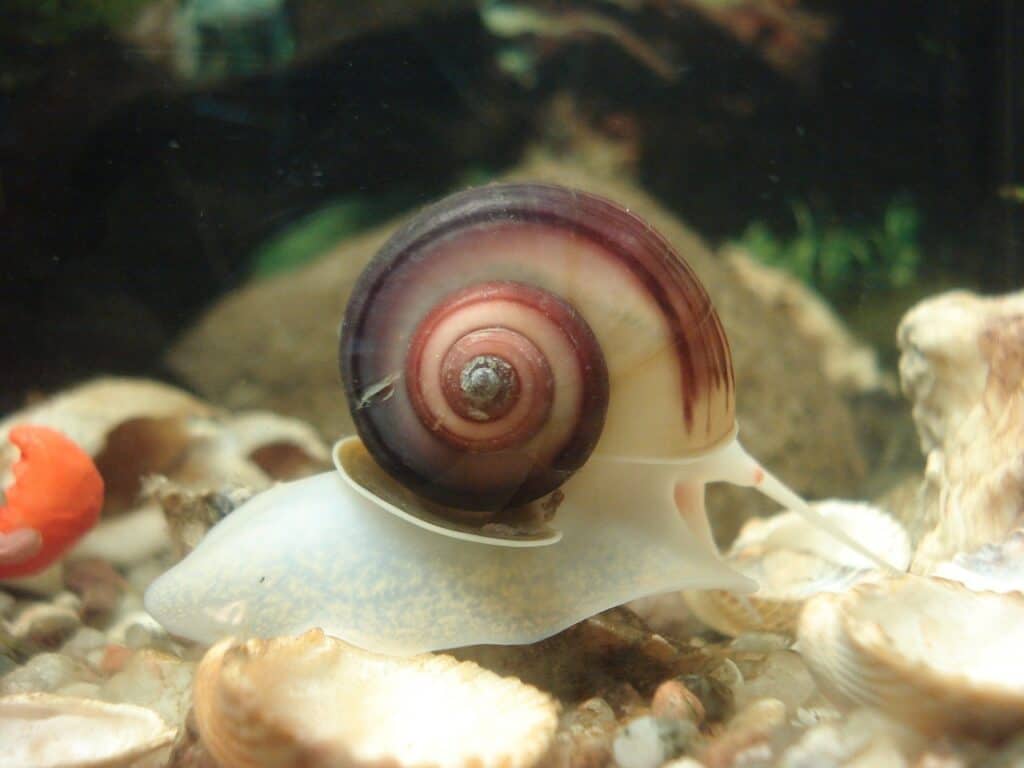
What to consider when keeping aquarium invertebrates
Understanding Water Parameters
To keep aquarium invertebrates successfully, it’s crucial to closely monitor water parameters, including pH levels and temperature. Proper water filtration and regular water changes are also essential for maintaining a healthy environment.
Dietary Requirements
To meet the dietary needs of aquarium invertebrates, it is crucial to offer a diverse and well-balanced diet. This should include a combination of live and frozen food to provide essential nutrients. Establishing a feeding schedule that mimics their natural behavior and using specialized invertebrate food and target feeding techniques will contribute to their overall health and well-being.
Tank Mates and Compatibility
When keeping aquarium invertebrates, it’s important to consider tank mate compatibility. Here are some key points:
- Choose peaceful invertebrates to avoid aggression.
- Avoid pairing species that may harm or eat each other.
- Create community tanks that mimic natural habitats.
- Monitor tank mates’ behavior and health for a harmonious environment.
Substrate and Shelter
When keeping aquarium invertebrates, it’s essential to prioritize suitable substrate and shelter options for their well-being. The right substrate provides a natural environment for burrowing, feeding, and reproduction, while hiding spots create a secure and stress-free environment. Natural shelters like live rocks and plants offer a diverse habitat. Substrate composition also maintains water quality and supports beneficial bacteria growth.
Molting and Growth
As a passionate aquarium enthusiast, I’ve learned the importance of understanding the molting and growth process for caring for aquarium invertebrates successfully. Here are some key insights to consider:
- Molting cycle: Invertebrates shed their old exoskeleton and grow a new one in a regular cycle.
- Growth stages: Invertebrates go through different stages during molting.
- Nutrition: A balanced diet with proper nutrients is crucial for healthy molting and growth.
- Molting complications: Some invertebrates may face issues like failed molts or getting stuck in their old exoskeleton.
- Promoting growth: Maintaining water quality, providing hiding places, and avoiding sudden environmental changes can promote healthy molting and growth in aquarium invertebrates.

Breeding and Population Control
To maintain a healthy and sustainable aquarium ecosystem, it is vital to consider breeding and population control of invertebrates. Selective breeding and promoting natural spawning help preserve genetic diversity, while methods like separating males and females prevent overbreeding.
Disease and Health Monitoring
I keep a close eye on the disease and health of my aquarium invertebrates by regularly monitoring their symptoms and behavior. To ensure disease prevention and maintain their well-being, I follow strict quarantine procedures when introducing new specimens. Recognizing symptoms such as changes in color, appetite, or behavior is crucial for early detection.
Equipment and Tank Maintenance
Proper equipment and regular tank maintenance are crucial for the well-being of aquarium invertebrates. This includes cleaning filters, checking water parameters, ensuring proper lighting, and testing water quality. A consistent feeding schedule and carefully chosen tank decor are also important for their health and natural habitat.
Specialized Care for Specific Invertebrates
Proper care for specific invertebrates in your aquarium involves considering their unique requirements and providing tailored attention to ensure their health and well-being. When caring for these creatures, it is important to take into account their feeding habits, lighting requirements, reproduction methods, and environmental enrichment. Additionally, tank size considerations and proper handling and acclimation techniques are crucial for their overall well-being.
Challenges of keeping aquarium invertebrates
Keeping aquarium invertebrates can be challenging due to the need to maintain the right balance of water parameters. Each species has specific requirements for tank size, feeding habits, water quality, and temperature. Research and understanding these needs are crucial for providing a suitable environment. Regular monitoring and proper care are necessary to prevent and treat common diseases that may affect the health of your invertebrates.

Benefits of keeping aquarium invertebrates
Keeping aquarium invertebrates offers numerous benefits. They enrich the tank’s ecosystem, control pests, display fascinating behaviors, and require minimal maintenance. Their unique aesthetics and educational value provide an enriching experience for beginners and busy individuals. Here are 6 reasons I find them to be beneficial.
- Enhance Ecosystem
- Pest Control
- Low Maintenance
- Aesthetic Appeal
- Biodiversity
- Stress Relief
Keeping aquarium invertebrates can be a rewarding and enjoyable experience for any aquatic enthusiast. By considering the specific demands and challenges of these fascinating creatures, you can create a thriving and vibrant ecosystem within your aquarium. From the colorful beauty to the intricate movements of shrimp and snails, there is so much to explore and appreciate in the world of invertebrates.
Frequently Asked Questions
Can I Keep Aquarium Invertebrates With Other Types of Fish?
- Yes, you can keep aquarium invertebrates with other types of fish. However, there are compatibility concerns and steps to take.
How Often Should I Feed My Aquarium Invertebrates?
- Once a day or once every 2 days does well with my invertebrates.
Are there Specific Water Parameters That Are Crucial for the Well-Being of Aquarium Invertebrates?
- There are specific water parameters that are crucial for the well-being of aquarium invertebrates. These include tank size, feeding schedule, tank mates, breeding conditions, and water quality.