As an old-school fish keeper, I’ve always been fascinated by invertebrates that can thrive in our miniature ecosystems. However, we must address a darker side to this hobby: the threat of invasive species. These sneaky creatures can wreak havoc on our aquariums, breeding rapidly and causing infestations that can be difficult to control. Over the years, I have found a handful of species that are invasive, and I will share them with you along with some control tips for them.
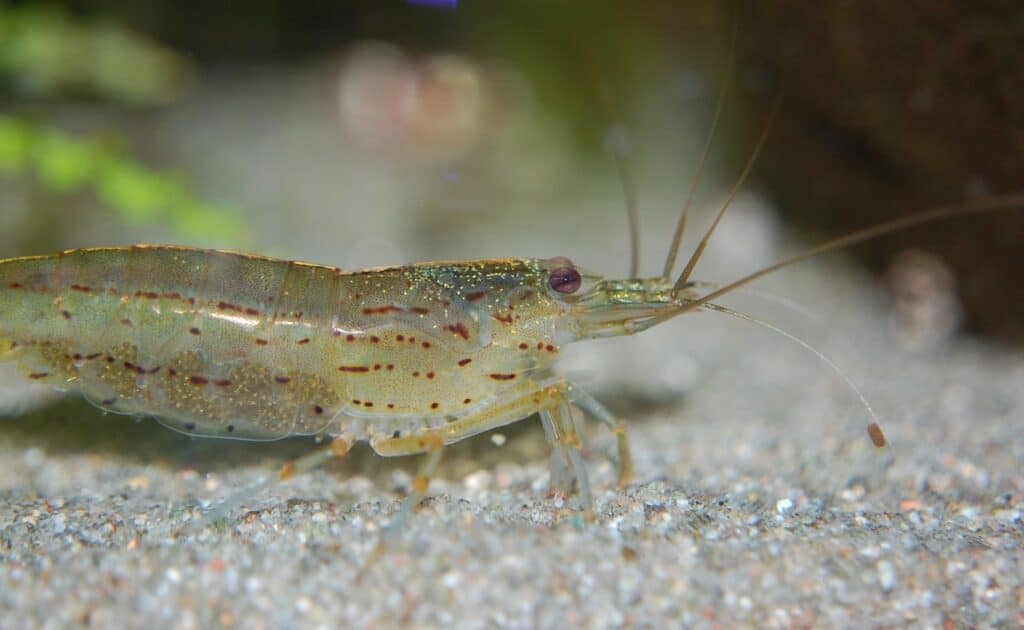
Invasive invertebrates in aquariums
In my experience, invasive invertebrates pose a significant threat to the delicate balance of aquarium ecosystems. These invaders can harm native aquatic ecosystems, disrupting food chains and outcompeting native species. Implementing strategies to prevent their introduction in aquariums is crucial to mitigate their negative effects. Furthermore, the economic costs of invasive invertebrate infestations in aquariums can be substantial. However, there have been successful case studies of
eradication, emphasizing the need for early detection and swift action.
Are aquarium invertebrates invasive?
In freshwater aquarium setups, certain invertebrates (See complete list below) can become invasive and pose a threat to the delicate ecosystem. These organisms have the ability to multiply rapidly, taking advantage of overfeeding or the absence of natural predators. Without proper management, they can quickly overrun the aquarium, out-competing other species for resources and disrupting the balance of the ecosystem. This can lead to detrimental changes, impacting the health of the entire aquatic community.
While these organisms may not be invasive in their native environments, the confines of an aquarium can allow them to reach plague proportions, further exacerbating the issue. To mitigate these challenges, it is crucial to adopt a proactive approach by regularly maintaining the aquarium, implementing proper feeding practices, and considering the introduction of natural predators, if feasible. By prioritizing these measures, a balanced and manageable population can be achieved, ensuring the overall health and sustainability of the aquatic environment.
Do aquarium invertebrates breed rapidly, leading to infestations?
Aquarium invertebrates can rapidly breed, leading to infestations that pose a threat to native aquatic species and ecosystems. The impact of invasive invertebrates on native aquatic species is significant, as they can outcompete and displace native species, disrupt food chains, and alter habitats. Factors influencing the rapid breeding of aquarium invertebrates include favorable environmental conditions and a lack of natural predators. The economic and ecological consequences of invertebrate infestations in aquariums are substantial, resulting in costly eradication efforts and ecological damage. Strategies for preventing and managing invasive invertebrate populations in aquariums include:

- Quarantine protocols.
- Proper disposal of unused aquarium water and materials.
- Raising awareness among aquarium hobbyists.
List of Aquarium Invertebrates that are Invasive
Red Cherry Shrimp (Neocaridina davidi)
The Red Cherry Shrimp (Neocaridina davidi), while not truly invasive, exhibits prolific breeding when housed under optimal conditions. As a species highly sought after by hobbyists, it’s seldom considered a nuisance. However, with ideal conditions, it breeds readily throughout the year, potentially leading to overpopulation if not properly managed. Thus, while not directly threatening, it underlines the importance of balanced aquarium management.
Ramshorn Snails (Planorbidae family)
Ramshorn snails from the Planorbidae family pose a threat to aquariums because they can be introduced into aquariums and potentially become invasive. These snails can have a significant impact on aquarium ecosystems. They reproduce rapidly and consume large amounts of algae and detritus, affecting water quality and causing imbalances in the ecosystem. Controlling the spread of ramshorn snails in aquariums is crucial to prevent their negative ecological risks. Proper management and prevention strategies can help in managing ramshorn snail populations in aquarium settings.
Malaysian Trumpet Snails (Melanoides tuberculata)
The potential for an invasive species to disrupt the ecosystem is greatly heightened with the introduction of Malaysian Trumpet Snails, also known as “Snails of Satan,” into aquariums. These snails are often added to aquariums for their beneficial traits, such as their ability to consume excess food and algae. However, their rapid population growth and burrowing behavior has detrimental effects on native species and the overall balance of the aquarium. It is crucial to control their population growth in order to prevent infestations and safeguard the ecosystem from the risks posed by invasive invertebrates.
Marmorkrebs (Procambarus fallax f. virginalis)
I have observed that the presence of Marmorkrebs (Procambarus fallax f. virginalis) in aquariums poses a significant risk of invasiveness and disruption to the ecosystem. Marmorkrebs are considered invasive due to their ability to reproduce through parthenogenesis, allowing them to rapidly populate new environments. This species has a high reproductive rate and can quickly outcompete for resources. Controlling the Marmorkrebs population is challenging, as their ability to reproduce without mating makes eradication difficult.
Ivory Snails (Pomacea diffusa)
The presence of Ivory Snails (Pomacea diffusa) in aquariums poses a significant risk of invasiveness and disruption to the ecosystem. 1. Ecologically, ivory snails can outcompete native species for resources, leading to declines in biodiversity. 2. Preventing the introduction of ivory snails can be achieved through strict quarantine protocols and careful monitoring of aquarium plants and decorations. 3. The economic costs of managing ivory snail infestations in aquariums include the need for chemical treatments and potential damage to equipment. Understanding the ecological impact and implementing preventative measures are essential in mitigating the risks.
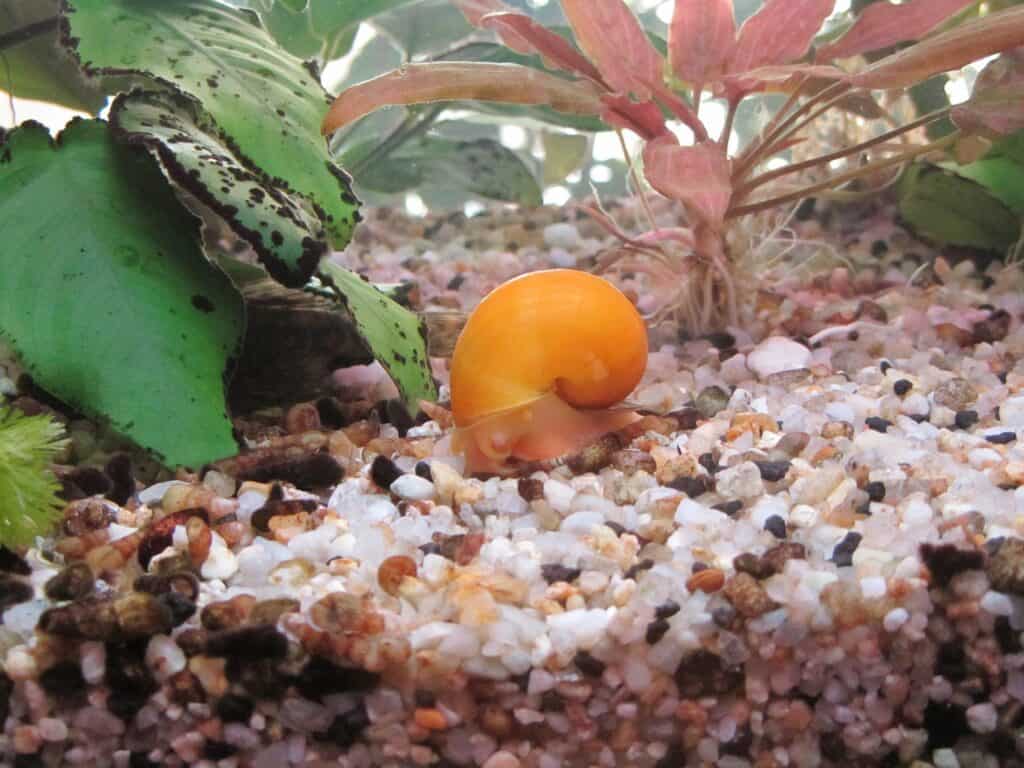
How to control invasive freshwater aquarium invertebrates
To effectively control invasive freshwater aquarium invertebrates, implementing a targeted management strategy is crucial. Prevention is the first line of defense, ensuring that no invasive species enter the aquarium in the first place. If prevention fails, various methods can be employed for management and eradication. Biological control, through the presence of natural predators or competitors, can be effective in controlling populations.
Introducing fish species that are known to prey on invertebrates can help keep populations in check. Physical removal of invasive species through manual collection or traps can also be effective (even though it won’t feel like it at first). Additionally, chemical treatments may be necessary but should only be used as a last resort and with caution, as they can have harmful effects on the overall ecosystem.
Overall, managing invasive invertebrates in freshwater aquariums requires a proactive approach that involves careful monitoring, prevention, and targeted control measures to maintain the balance and health of the aquatic environment. As responsible hobbyists, it is crucial to be informed about the potential risks associated with introducing new species into our aquariums and take appropriate steps to prevent their spread.
Frequently Asked Questions
Are There Any Legal Restrictions or Regulations Regarding the Ownership and Trade of Invasive Invertebrates for Aquariums?
- Legal restrictions and trade regulations exist for the ownership and trade of invasive invertebrates in aquariums.
Can Invasive Invertebrates in Aquariums Outcompete Native Species and Have a Negative Impact on Biodiversity?
- Competition dynamics between invasive invertebrates and native species can lead to negative impacts on biodiversity.
Are There Any Effective Biological Control Methods to Manage Invasive Invertebrates in Aquariums Without Harming Native Species?
- Predator species like assassin snails or clown loaches, etc
- Competitor species that outcompete the invasive invertebrates for food and resources.