Adding invertebrates to an aquatic setup is a wonderful choice. Not only do they serve as natural filters, but they also bring a unique charm to the environment. However, you might question how long they will thrive in your care. Fear not, for I have kept these delightful creatures for years and gleaned invaluable insights into their lifespan. Allow me to share with you the duration for each species and impart tips on how to extend their longevity.
What is the lifespan of aquarium invertebrates?
The lifespan of aquarium invertebrates varies greatly depending on the species. While some invertebrates have relatively short lifespans compared to fish, others can live for several years under optimal conditions. Environmental factors are vital in determining the lifespan of these fascinating creatures. I found often that factors such as water quality, temperature, and diet can greatly impact their longevity and overall well-being.
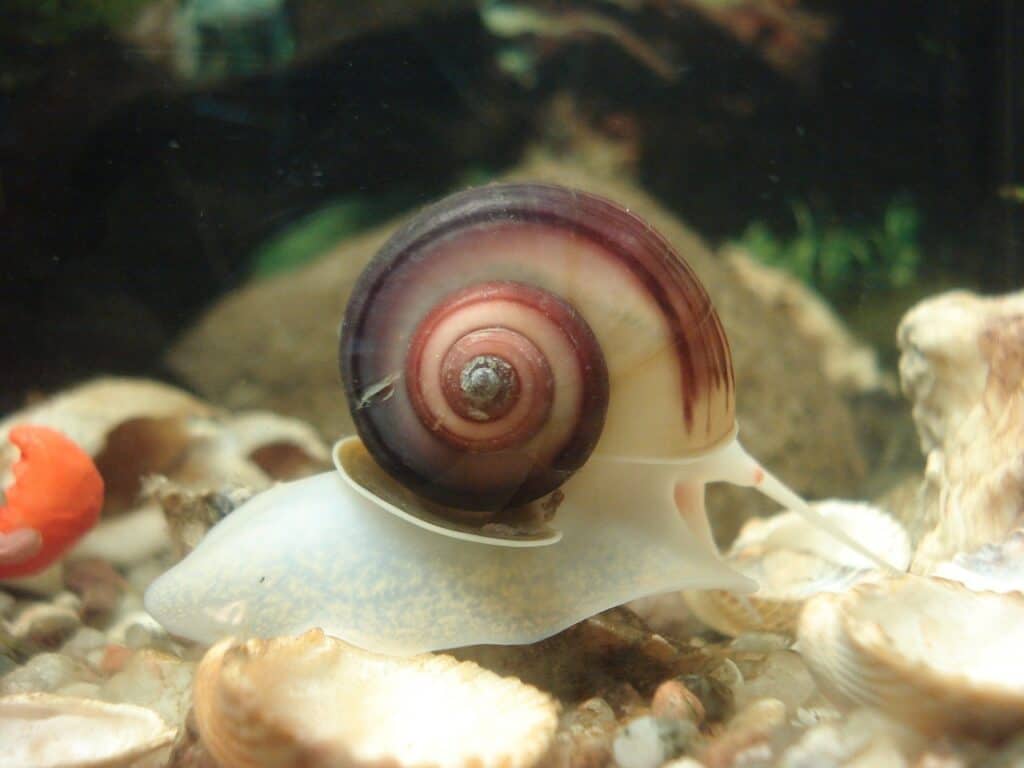
To ensure the health and longevity of aquarium invertebrates, it is important to provide them with proper care. This includes offering a balanced diet that meets their nutritional needs, creating a suitable environment with appropriate water conditions, and conducting regular maintenance to keep their habitat clean and stable. Avoiding common mistakes, such as overfeeding or introducing incompatible tank mates, is also crucial in promoting their well-being.
By providing the necessary care and attention, you can enhance the health and lifespan of aquarium invertebrates, allowing you to enjoy their beauty and unique characteristics for many years to come. Based on my experience handling these types of invertebrates, I have listed them along with their lifespan to give you a better idea of how long each species lives.
List of invertebrates and their lifespan
Shrimp
- Cherry Shrimp: 1-2 years
- Ghost Shrimp: 1 year
- Amano Shrimp: 2-3 years
- Bamboo Shrimp: 1-2 years
- Blue Tiger Shrimp: 1-2 years
- Cardinal Shrimp: 1-2 years
- Crystal Red Shrimp: around 18 months
- Snowball Shrimp: 1-2 years
- Vampire Shrimp: 5 years
- Sulawesi Shrimp: 1-2 years
Snails
- Mystery Snail: 1-year
- Nerite Snail: 1-2 years
- Apple Snail: 2-3 years in cooler water. (+-5 years in warmer water)
- Ramshorn Snail: 1-2 years
- Malaysian Trumpet Snail: Between 1 to 2 years
- Pond Snail: 1 year
- Assassin Snail: 2-3 years
- Ivory Snail: Around a year
- Japanese Trapdoor Snail: 5-10 years
- Rabbit Snail: 1-3 years
Crayfish
- Electric Blue Crayfish: 5-6 years
- Dwarf Orange Crayfish: 2-3 years
- Red Claw Crayfish: 4-5 years
- Ghost Crayfish: 5-6 years
- White Specter Crayfish: 5-6 years
- Procambarus Clarkii Crayfish: 3-5 years
- Marble Crayfish: 2-3 years
Crabs
- Red Claw Crabs: 2-3 years
- Fiddler Crabs: Up to 2 years( 3 years in captivity)
- Thai Micro Crabs: 1.5 years
- Panther Crabs: Up to 10, usually 2-4 years
- Vampire Crabs: 2 years
- Patriot Crabs: Up to 10 years
Mussels and Clams
Mussels
- Swan Mussel: 10-12 years
- Duck Mussel: 5-13 years
- Painter’s Mussel: up to 100 years undisturbed (rivers) in captivity, up to 15 years
- Freshwater pearl mussel: up to 30 years
- Three-Ridge Mussel: 5-15 years
- Pistolgrip Mussel: 5-9 years
Clams
- Asiatic Clam: 4-7 years
- Golden Clam: 5-7 years
- Giant Floater: 6-10 years
- Paper Pondshell: up to 10 years
- River Pigtoe: 5-6 years
Factors that affect the lifespan of an aquarium invertebrate
Water Quality
Water quality is a crucial factor that can profoundly impact the lifespan and well-being of aquarium invertebrates. These fascinating organisms rely on a stable and pristine environment to thrive. Environmental conditions, including water temperature and filtration efficiency, are of utmost importance in establishing the perfect habitat for these delicate creatures.
Diet
In addition to maintaining optimal environmental conditions, providing these invertebrates with a proper and balanced diet is vital. Offering a variety of nutritious food sources will not only promote their overall health but also contribute to their longevity. It is worth noting that different species of aquarium invertebrates may have specific dietary requirements, so it is important to research and cater to their unique needs.
Predators and competition
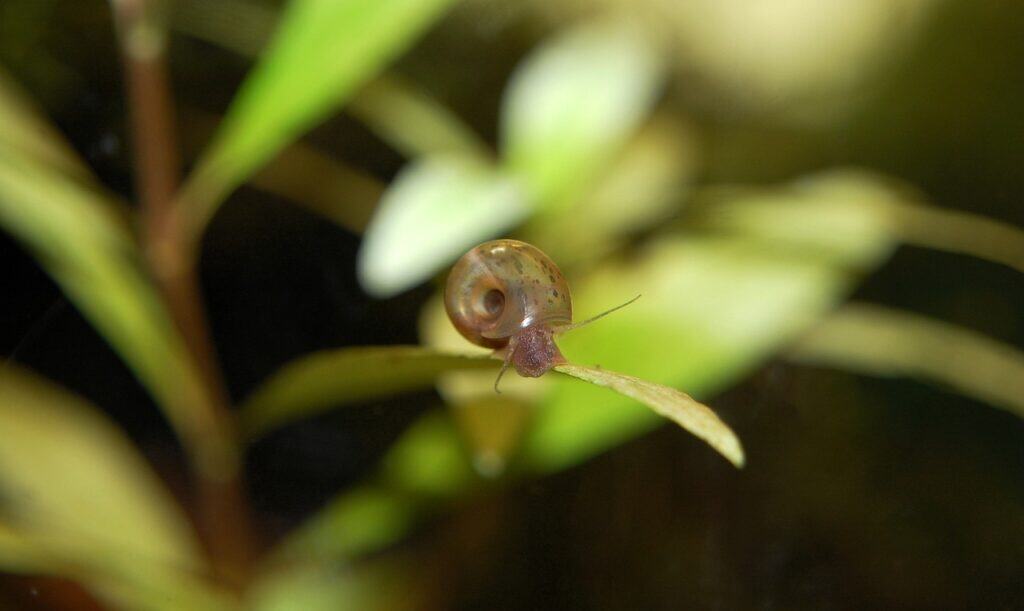
The presence of tank mates can introduce additional challenges for these invertebrates. Predation and competition for resources are potential threats that need to be carefully managed. Selecting compatible tank mates and providing adequate hiding places can help alleviate these concerns and create a harmonious community within the aquarium.
Genetics
Lastly, it is important to acknowledge that genetic factors also play a role in the health of aquarium invertebrates. Some species may be more prone to certain health issues due to their genetic predispositions. Observing and monitoring their behavior and physical condition regularly can help in detecting any potential health concerns early on.
Overall, maintaining a high standard of water quality, providing a suitable diet, managing tank mates, and being aware of genetic factors are all crucial elements in ensuring the well-being and longevity of my aquarium invertebrates.
To conclude, taking care of aquarium invertebrates requires attention to detail, and ensuring their longevity can be a rewarding experience. By providing a suitable environment, proper nutrition, and regular maintenance, you can help these fascinating creatures thrive for their full lifespan. Remember to research the specific needs of each species and adapt your care routine accordingly. With a little effort, you can create a vibrant and long-lasting underwater ecosystem in your own home.
Frequently Asked Questions
Can Aquarium Invertebrates Live Longer in a Saltwater or Freshwater Environment?
- In my experience, aquarium invertebrates tend to live longer in a saltwater environment. The benefits of adding live plants to a freshwater aquarium can also enhance their longevity. Water quality, temperature fluctuations, naturalistic habitat, and hiding spots play crucial roles in ensuring their longevity.
Are There Any Specific Feeding Requirements to Help Increase the Lifespan of Aquarium Invertebrates?
- Different species have different dietary requirements. However, offering a variety of high-quality food sources such as algae wafers, live or frozen foods, and specialized invertebrate pellets can help enhance their health and lifespan.
Do Different Species of Invertebrates Have Different Lifespans in Captivity?
- Different species of invertebrates have varying lifespans in captivity due to environmental factors, reproduction, diet, stress, and genetic factors.
Are There Any Common Diseases or Illnesses That Can Significantly Shorten the Lifespan of Aquarium Invertebrates?
- Poor water quality leads to various health issues, such as bacterial infections, fungal diseases, parasites, and viral diseases. Maintaining a clean and stable environment is important to prevent these illnesses and promote the longevity of aquarium invertebrates.
Are There Any Specific Water Parameters or Environmental Conditions That Can Impact the Lifespan of Aquarium Invertebrates?
- Water quality, temperature variations, food availability, substrate type, and light intensity all play a crucial role in the lifespan of aquarium invertebrates. Maintaining optimal conditions in these areas will help ensure their longevity.