Have you ever wondered if aquarium invertebrates are truly effective at keeping aquariums clean? From my years of keeping these creatures, I discovered that these little creatures can indeed make excellent tank cleaners. From snails to shrimp, they diligently consume algae, leftover food, and other debris, keeping the water pristine and the tank healthy. Join me as I explore the top six invertebrate species (and subspecies) that make up a fantastic clean-up crew for your aquarium.
Are aquarium invertebrates good for cleaning
Absolutely, aquarium invertebrates are very effective at maintaining cleanliness within aquariums. They operate as natural scavengers, diligently removing algae, uneaten food, and waste that can accumulate in the tank. For instance, species like the Cherry Shrimp and the Nerite Snail are renowned for their cleaning capabilities.
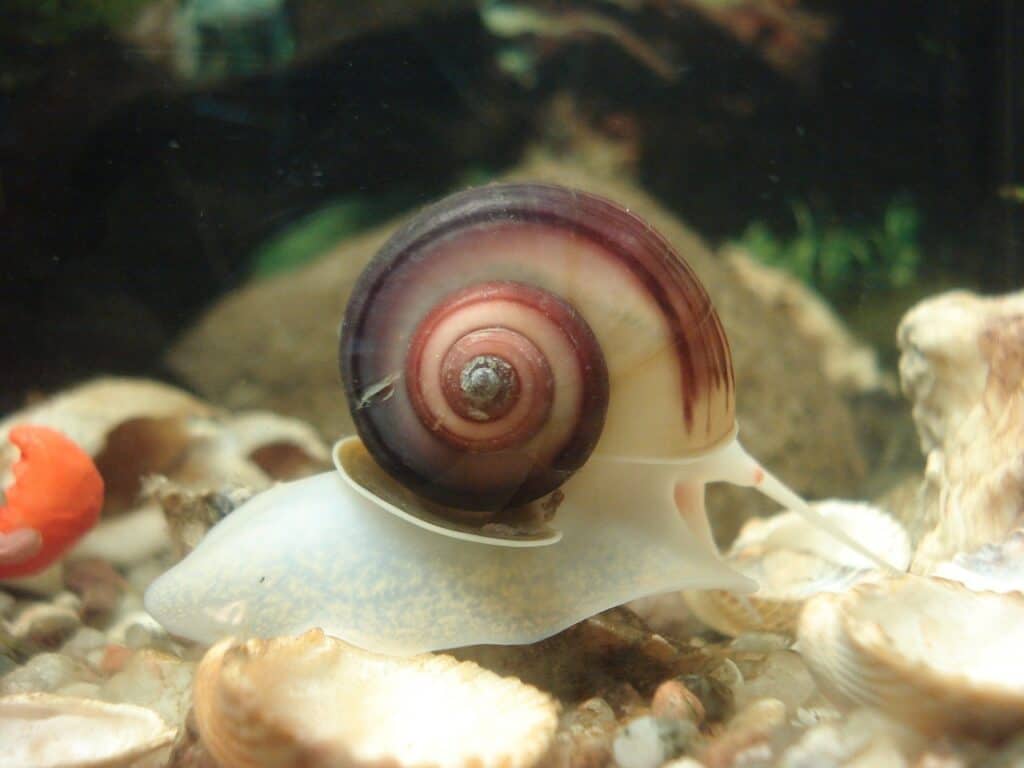
These creatures not only add to the aesthetic appeal of your tank but also contribute significantly to sustaining a healthy environment for other inhabitants. Therefore, employing them in aquariums is an environmentally friendly, efficient, and visually pleasing way to maintain cleanliness.
Benefits of the Clean-Up Crew in Freshwater Tank
- Reduction of Algae: Clean-up crews, particularly invertebrates like snails and shrimp, help control the growth of algae in the tank, reducing the need for frequent scrubbing.
- Prevention of Toxic Build-Up: By consuming leftover food, fish waste, and decaying plant matter, these invertebrates prevent the build-up of harmful toxins and bacteria that could potentially harm fish.
- Enhanced Aesthetics: A clean and clear tank is pleasing to the eye, and the presence of invertebrates adds an extra layer of interest and movement.
- Balance of the Ecosystem: Invertebrates play an essential role in a balanced aquarium ecosystem, contributing to the biodiversity of the tank.
- Stress Relief for Fish: A clean environment means less stress for the fish, potentially leading to better overall health and longevity.
- Natural and Eco-Friendly: Using clean-up crews for tank maintenance is a natural and eco-friendly alternative to chemical treatments.
Top six clean-up crew invertebrate species for your fish tank
Having a clean-up crew in your fish tank can greatly benefit the overall health and cleanliness of the aquarium. When it comes to invertebrates, shrimp, snails, crabs, crayfish, and clams are some of the top choices for maintaining a tidy tank. These species are known for their scavenging abilities and can help keep the tank free of excess food, algae, and debris.
Shrimp
As adedicated fish keeper, I can confidently say that shrimp are excellent additions to any tank’s clean-up crew. My top six shrimp species for this purpose include:
- Cherry Shrimp
- Ghost Shrimp
- Amano Shrimp
- Bamboo Shrimp
- Blue Tiger Shrimp
- Cardinal Shrimp
- Crystal Red Shrimp
- Vampire Shrimp
- Snowball Shrimp
- Sulawesi Shrimp
These shrimp not only help keep the tank clean by consuming detritus, algae, and leftover food, but they also add a vibrant and dynamic element to the overall aesthetic of the aquarium.
Cherry Shrimp
Cherry Shrimp make highly efficient tank cleaners due to their omnivorous diet and active scavenging behavior. They tirelessly forage around the tank, consuming algae, detritus, and any uneaten food. This helps maintain water clarity and prevents the build-up of harmful toxins that can result from decaying organic matter. Moreover, Cherry Shrimp are non-aggressive and cohabitate easily with other tank inhabitants. As a bonus, their vibrant red color adds a splash of brightness to the aquarium, making them not only useful but also a visually appealing addition to your clean-up crew.

Ghost Shrimp
After observing their diligent scavenging abilities, I have found Ghost Shrimp to be an excellent choice for maintaining tank cleanliness. Ghost Shrimp, also known as Glass Shrimp, are small invertebrates that breed easily in aquariums. They are peaceful and can be kept with other non-aggressive fish species. Ghost Shrimp have a diverse diet, feeding on algae, decaying plants, and leftover food. They have a lifespan of around one to two years and require proper care to thrive in the tank.
Amano Shrimp
Amano Shrimp are highly regarded in the aquarium world for their impressive cleaning abilities. They eat algae, leftover food, and organic detritus, helping maintain a balanced ecosystem. They peacefully coexist with a diverse range of tank mates. Their larger size allows them to eat more algae and waste, making them a great addition to any aquarium clean-up crew.
Bamboo Shrimp
Regularly, I find that Bamboo Shrimp are a valuable addition to any fish tank as part of the top clean-up crew invertebrate species. Keeping Bamboo Shrimp in an aquarium has its pros and cons. They are excellent natural algae eaters and can help keep the tank clean. However, they require specific care in a freshwater tank, including maintaining stable water parameters and providing enough food. Bamboo Shrimp have a unique feeding behavior, using their fan-like appendages to filter feed. They are generally compatible with other tank inhabitants, but aggressive fish may harm them.
Blue Tiger Shrimp
Blue Tiger Shrimp are excellent for aquarium clean-up crews. Their striking blue coloration and black stripes add visual delight to any tank. Known for their efficiency in maintaining tank cleanliness, they have an endless appetite for algae and detritus. With access to hard-to-reach spaces, they keep even the most hidden crevices clean. Peaceful in temperament, they can coexist with various tank mates. Including Blue Tiger Shrimp in your clean-up crew promotes a healthier environment for your aquarium inhabitants.
Cardinal Shrimp
Cardinal Shrimp are stunningly beautiful and valuable members of any clean-up crew. With their vibrant red and white coloration, they bring aesthetic appeal to an aquarium. But they offer more than just looks – they actively scavenge for algae, uneaten food, and detritus, ensuring a healthy tank environment. These tireless workers are non-aggressive and get along well with other tank mates.

Crystal Red Shrimp
Crystal Red Shrimp are an ideal choice for maintaining a clean aquarium. With their ability to consume harmful algae and leftover food, they help keep the tank’s ecosystem balanced. Their small size allows them to clean hard-to-reach areas. These peaceful and non-aggressive shrimp can coexist with various peaceful fish. Additionally, their striking red-and-white appearance adds visual interest and enhances the overall aesthetic of your aquarium. In summary, Crystal Red Shrimp provides both cleaning services and visual appeal to your aquarium.
Snowball Shrimp
Snowball Shrimp are an excellent addition to any aquarium clean-up crew. They are known for their scavenging abilities, consuming algae and leftover food in the tank. Their small size enables them to reach into crevices and corners that other creatures can’t, ensuring a thorough clean. They are peaceful creatures and coexist well with a variety of tank mates. Besides their cleaning benefits, Snowball Shrimp add a visual charm to your aquarium with their translucent white bodies, distinguishing them from other shrimp species.
Vampire Shrimp
As a shrimp enthusiast, I highly recommend Vampire Shrimp as one of the top clean-up crew invertebrate species for your fish tank. These unique species of shrimp are fascinating to watch and have specific habitat requirements for optimal health. Vampire Shrimp are omnivorous and will happily scavenge on leftover food and algae, making them excellent tank cleaners. They are peaceful and can be kept with a variety of fish species.
Sulawesi Shrimp
Sulawesi Shrimp make excellent additions to aquarium clean-up crews due to their omnivorous diet. These shrimp are known for their propensity to consume algae, uneaten food, and detritus, thereby ensuring that the tank remains clean and the water quality is maintained. Their unique feeding habits enable them to access nooks and crannies other creatures can’t reach, ensuring a thorough clean. They peacefully coexist with a variety of tank mates, making them a non-disruptive addition to your aquarium.
Snails
As a passionate aquarium enthusiast, I can confidently affirm that snails make exceptional additions to any tank’s clean-up crew. Allow me to introduce you to some remarkable snail species that serve this purpose:
- Nerite Snail
- Apple Snail
- Ramshorn Snail
- Malaysian Trumpet
- Snail
- Pond Snail
- Mystery Snail
These snails play a crucial role in maintaining the cleanliness of the tank by feeding on dead plant matter, algae, and leftover fish food, helping to prevent the build-up of debris and detritus.
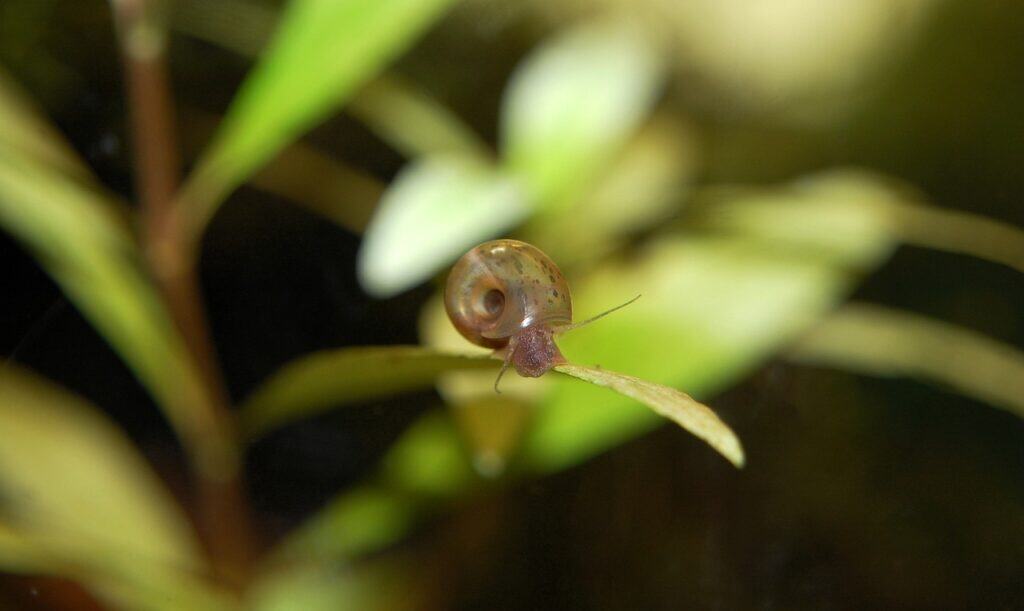
Nerite Snail
I have found that Nerite Snails are one of the top clean-up crew invertebrate species for my fish tank, specifically for cleaning up algae. They offer several benefits, such as efficiently consuming algae and preventing its overgrowth. Nerite Snails have a herbivorous feeding habit, primarily grazing on algae. They reproduce by laying small, hard, and black eggs that can be a challenge to remove. These snails are generally compatible with other tank inhabitants and have simple care requirements. However, a common issue with Nerite Snails is their tendency to escape from the tank.
Apple Snail
The Apple Snail’s ability to efficiently clean up algae makes it a valuable addition to any fish tank’s clean-up crew. These snails have numerous benefits, such as helping to maintain a clean and balanced ecosystem. Apple snails are relatively straightforward to care for, requiring a tank size of at least 10 gallons. They have a diverse diet, including algae, decaying plants, and leftover fish food that is present in the water column. With proper care, apple snails can live for up to 2-3 years. Breeding apple snails can be a fascinating process, but it requires specific conditions and careful monitoring.
Ramshorn Snail
Ramshorn Snails make an excellent addition to your aquarium’s clean-up crew as they are diligent algae-eaters and consummate scavengers. They tirelessly scour the tank, feeding on different types of algae, decaying plant matter, and leftover fish food. Their unique feeding habits and agile movements allow them to access corners and crevices other species might miss, ensuring a more thorough clean. Not only do they help in maintaining a balanced and healthy ecosystem, but their spiral-shaped shells add an aesthetic element to your aquarium.
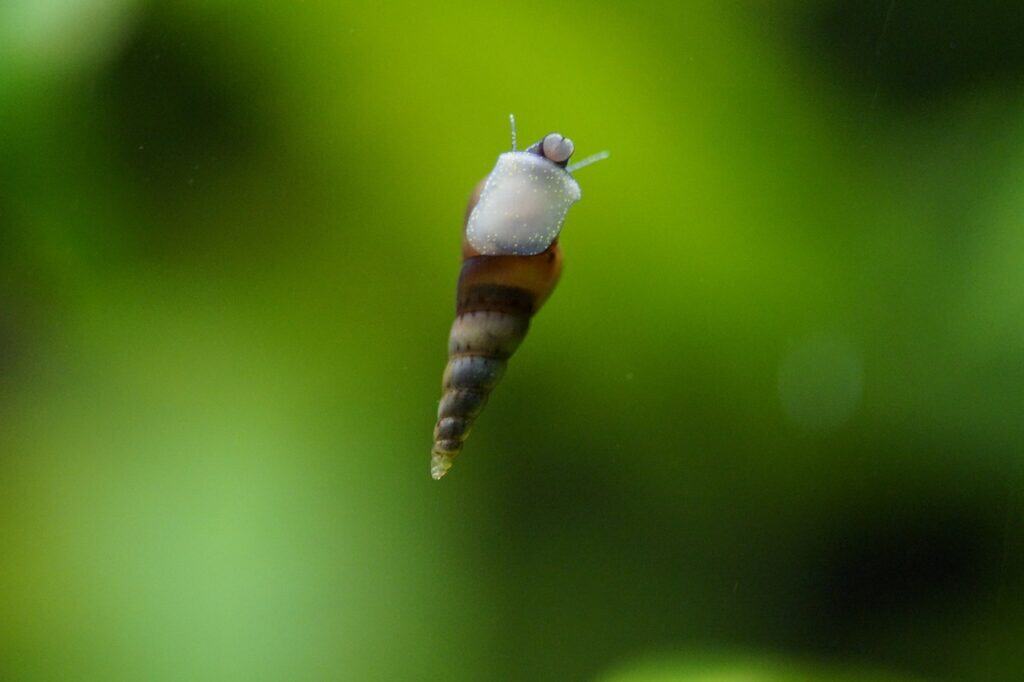
Malaysian Trumpet Snail
How well do Malaysian Trumpet Snails clean fish tanks as part of the invertebrate clean-up crew? Malaysian Trumpet Snails (MTS) efficiently keep fish tanks clean by consuming decaying plant matter, uneaten food, and detritus, preventing waste accumulation. They require a well-maintained tank with sufficient food sources, and their population can be controlled by adjusting feeding and water conditions. MTS are compatible with most tank mates and have a scavenging feeding habit.
Pond Snail
What makes the Pond Snail a top choice among invertebrate species for keeping your fish tank clean? There are several benefits of having pond snails in your aquarium. First, they help control algae, keeping your tank clean and clear. Second, pond snails play a crucial role in maintaining water quality by consuming decaying organic matter. Finally, caring for pond snails in a freshwater tank is relatively easy. Just ensure they have enough food and a suitable environment.

Assassin Snail
The Assassin Snail is not a great addition to your aquarium’s clean-up crew unless you have an excessive number of other snail species. These unique carnivorous snails primarily feed on other snails, helping to control their population in your tank. By consuming diseased or dying snails, they prevent the accumulation of decaying matter, which can degrade water quality. Unlike other snail species, Assassin Snails do not consume algae or leftover food.
Ivory Snail
Ivory Snails are a splendid choice for your fish tank’s clean-up crew due to their prodigious appetite for algae and detritus. These snails are effective at preventing the build-up of algae on aquarium surfaces, contributing to a cleaner and clearer environment. Furthermore, they also consume leftover food, reducing waste and helping to maintain water quality. In addition to this, Ivory Snails are known to eat decaying plant matter, thus preventing the accumulation of potentially harmful organic material.
Japanese Trapdoor Snail
The efficiency of Japanese Trapdoor Snails as tank cleaners makes them a valuable addition to any aquarium. Compared to other snail species, Japanese Trapdoor Snails are known for their ability to consume a wide range of debris, including uneaten fish food and dead plant matter. They are also excellent algae eaters, helping to keep the tank clean and free from unsightly green growth. In terms of care, these snails are relatively low-maintenance and can reproduce easily in a well-maintained aquarium.
Rabbit Snail
Rabbit Snails are remarkable contributors to the cleanliness of your aquarium. These snails are well-known for their scavenging habits, able to consume significant amounts of detritus and excess food that would otherwise decay and impact the water quality. They are also fond of algae, making them valuable allies in preventing excessive algal blooms on tank surfaces. While not as prolific in their cleaning as some other species, they make up for it with their fascinating looks and behavior, adding another layer of intrigue to your aquatic environment.
Mystery Snail
Mystery Snails are an intriguing and valuable addition to any aquarium’s clean-up crew. These snails have a diverse diet, ranging from algae to decaying plant matter and leftover fish food. They are also known for their ability to consume excess nutrients in the water, helping to maintain a balanced ecosystem and prevent issues such as algae overgrowth.
Crabs
I’ve found that crabs can be excellent additions to an aquarium’s clean-up crew, and the most common of them from my experience are:
- Red Claw Crabs
- Fiddler Crabs
- Thai Micro Crabs
- Panther Crabs
- Vampire Crabs
These are all species known for their ability to help keep the tank tidy. These crabs are scavengers and will happily eat various types of organic waste, such as dead leaves, dead fish, and detritus, helping to maintain a clean environment for your aquarium.
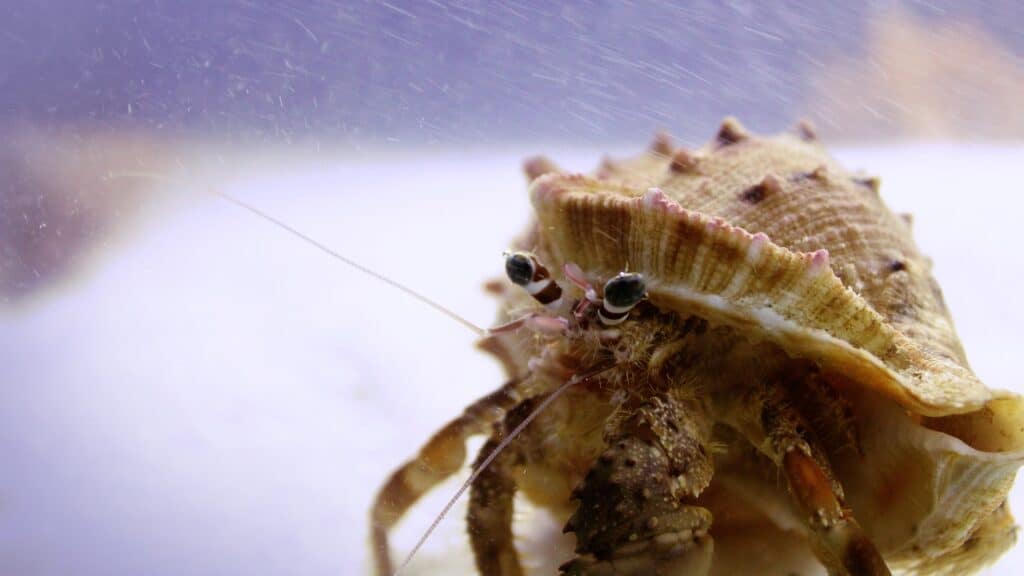
Red Claw Crabs
One option to consider for keeping your fish tank clean is adding red claw crabs to your tank’s clean-up crew. These crabs are excellent for tank maintenance as they help with substrate cleaning and algae control. They also add a unique touch to your tank decoration with their vibrant colors and interesting scavenging behavior. Red claw crabs are a valuable addition to any aquarium, providing both practical and aesthetic benefits.
Fiddler Crabs
Fiddler crabs excel at maintaining tank cleanliness with their exceptional cleaning abilities. They eat leftover food, detritus, and algae, keeping your tank pristine. Fiddler crabs require a brackish water habitat with a mix of freshwater and saltwater. They are omnivores, feeding on both plants and small invertebrates. These crabs are also known for their unique behavior of waving their large claws to communicate and attract mates.
Thai Micro Crabs
Thai Micro Crabs are tiny crustaceans that have a significant impact on aquarium cleanliness. Despite their small size, they are industrious scavengers that consume algae, detritus, and leftover food, improving water quality. Their small size allows them to navigate hard-to-reach areas, which helps keep the substrate clean. These peaceful creatures pose minimal threat to other tank inhabitants, making them an excellent choice for a clean-up crew.
Panther Crabs
Panther Crabs are vibrant additions to aquariums. As scavengers, they help keep the tank clean by consuming waste materials like leftover fish food and decaying plants. They also eat algae, preventing unsightly build-up. While they require some care, their cleaning benefits make them valuable for any aquarium.
Vampire Crabs
Vampire Crabs are an excellent choice for your aquarium clean-up crew. These captivating crabs have striking colors and distinctive eyes. Aside from their visual appeal, they contribute significantly to tank cleanliness. As detritivores, Vampire Crabs feed on decaying organic matter, effectively removing waste and detritus that would otherwise build up in the tank. This behavior helps maintain the tank’s water quality and prevent issues like excessive algae growth.
Patriot Crabs
I have found that Patriot Crabs are an excellent addition to your fish tank as part of a clean-up crew. Patriot crabs are known for their active and curious behavior, constantly exploring their surroundings. They require a well-maintained tank with stable water parameters and plenty of hiding spots. Compatibility-wise, they generally get along with most tank inhabitants. Patriot crabs are omnivorous, feeding on algae, detritus, and leftover food.
Crayfish
I’ve found that crayfish make excellent tank cleaners due to their scavenging nature and ability to consume various types of debris. The top clean-up crew crayfish species for your fish tank include:
- Dwarf Orange Crayfish
- Red Claw Crayfish
- Ghost Crayfish
- White Specter Crayfish
- Procambarus Clarkii Crayfish
These crayfish species have a natural diet that includes dead leaves, dead fish, detritus, and other organic matter commonly found in fish tanks, making them highly effective at keeping the tank clean and free from waste build-up.
Dwarf Orange Crayfish
Dwarf Orange Crayfish are vibrant and efficient cleaners in aquariums. With their big appetite for detritus and leftover food, they act as natural waste disposal units. They coexist peacefully with other tank inhabitants and help maintain a clean aquatic environment.

Red Claw Crayfish
Red Claw Crayfish, scientifically known as Cherax quadricarinatus, are substantial contributors to tank cleanliness. They excel in consuming dead plant matter, algae, detritus, and leftover food, thus keeping the tank environment pristine. Their scavenging dietary habits play a key role in maintaining the water quality in an aquarium.
Ghost Crayfish
Ghost Crayfish, or Procambarus alleni, are fascinating creatures that make a great addition to an aquarium’s clean-up crew. With their striking translucent appearance, they not only add visual appeal but also contribute to maintaining a healthy environment. These diligent scavengers feed on decaying plant material, uneaten fish food, and other waste, helping to keep the aquarium clean. Their substrate-combing behavior prevents dead spots and improves water quality.
White Specter Crayfish
White Specter Crayfish is a top choice for the aquarium clean-up crew. Their excellent cleaning abilities help maintain water quality by consuming leftover food, algae, and decaying plant matter. These peaceful invertebrates also coexist well with other tank inhabitants, promoting harmony in your aquarium.
Procambarus Clarkii Crayfish
The Procambarus Clarkii Crayfish, also known as the Louisiana Crayfish, is a highly adaptable and beneficial species for your aquarium. With their voracious appetite for organic matter, they help maintain water cleanliness by consuming uneaten food, decaying plants, and detritus. Their burrowing behavior also promotes substrate aeration, creating a healthier environment for beneficial bacteria.
Marble Crayfish
Marble Crayfish, also known as Procambarus Virginalis, play a vital role in maintaining aquarium cleanliness. Their scavenging nature helps manage waste by feeding on organic matter like dead plants and leftover fish food. By reducing waste build-up, they prevent water quality degradation and excessive algae growth.
Clams
As a seasoned fish enthusiast, I can confidently say that clams make excellent tank cleaners. Four species of clams that i used succesfully are:
- Golden Clam
- Giant Floater
- Paper Pondshell
- River Pigtoe
These species are highly effective in maintaining the cleanliness of fish tanks. These clams have a natural diet that includes dead leaves, dead fish, and detritus, making them efficient scavengers that help keep the tank free from organic waste.
Golden Clam
The Golden Clam, also known as Corbicula fluminea, is an effective natural cleaner for aquariums. These filter feeders help maintain water quality by removing detritus and suspended particles. They create a cleaner and healthier environment for aquatic inhabitants while reducing the need for manual cleaning. With moderate care and a well-oxygenated environment, incorporating Golden Clams can enhance the self-sustainability of your tank.
Giant Floater
I have found that the Giant Floater is a valuable addition to my tank’s clean-up crew. This invertebrate species is perfect for a freshwater tank and offers numerous cleaning benefits. The Giant Floater is a type of clam that helps maintain the cleanliness of the fish tank. It actively filters the water, removing excess nutrients and algae. As part of the clean-up crew, the Giant Floater plays a vital role in maintaining a healthy and balanced ecosystem in the fish tank.
Paper Pondshell
The Paper Pondshell, known scientifically as Utterbackia imbecillis, is another beneficial cleaner for your aquarium. Much like other clams, the Paper Pondshell maintains your fish tank’s cleanliness through its natural filtration process. As a filter feeder, it constantly sifts through the water, consuming microscopic organisms, decaying organic matter, and suspended detritus. This process not only removes waste but also helps to regulate algae growth by reducing the nutrients available for algal proliferation.
River Pigtoe
Moving on to another clam species that is excellent for maintaining a clean fish tank, I highly recommend the River Pigtoe. River Pigtoe clams, also known as freshwater clams, are a valuable addition to any aquarium invertebrate clean-up crew. These invertebrate species are efficient tank cleaners, as they filter water and consume organic waste and debris. With their ability to improve water quality and reduce algae growth, River Pigtoe clams are a great choice for maintaining a pristine and healthy aquarium environment.
Mussels
When it comes to mussels in your aquarium, there are a few species that make excellent clean-up crew members, and the most common are:
- The Swan Mussel
- Duck Mussel
- Painter’s Mussel
These are all great options for maintaining a healthy tank environment. These mussels are known for their ability to filter water, removing debris and excess nutrients, which helps to prevent algae blooms and maintain water quality.
Swan Mussel
The Swan Mussel, scientifically known as Anodonta cygnea, is a highly effective natural cleaner for aquariums. With their remarkable filtering capabilities, they efficiently remove tiny particles, algae, and other suspended matter from the water column. By drawing in water through their siphon, filtering out food particles, and releasing the clean water back into the tank, they greatly improve water clarity and quality, creating a healthier environment for aquarium inhabitants.
Duck Mussel
The Duck Mussel, scientifically known as Anodonta anatina, is a valuable asset in maintaining aquarium cleanliness. Similar to the Swan Mussel, the Duck Mussel is a filter feeder, consuming microscopic particles and algae from the water. By doing so, it improves water clarity, reduces waste, and prevents algae blooms, contributing to a healthier, cleaner aquarium environment.
Painter’s Mussel
The Painter’s Mussel, known scientifically as Unio pictorum, is an essential part of the aquarium clean-up crew. As a filter feeder, it clears the water by consuming microscopic organic particles and algae. This function not only enhances water clarity but also prevents excessive algae growth, promoting a cleaner, healthier aquarium environment.
How to choose a clean-up crew for your aquarium
When choosing a clean-up crew for your aquarium, it’s important to consider the specific needs of the tank’s ecosystem. Selecting suitable cleaners is crucial for maintaining a balanced and healthy environment.
Invertebrates play a vital role in removing waste, algae, and debris, ensuring optimal water quality. Factors to consider include the size of the tank, compatibility with other inhabitants, and the cleaning abilities of the invertebrates. They not only help maintain a stable nitrogen cycle but also contribute to biodiversity, creating a thriving and harmonious underwater habitat.
Disadvantages of a Clean-Up Crew in a Tropical Tank
Whilst an aquarium clean-up crew offers various benefits, it’s important to acknowledge potential downsides. These creatures may become overzealous, consuming beneficial algae or damaging sensitive plants. They can also overpopulate if not controlled, leading to competition for resources. Moreover, in some instances, they may disturb the natural balance of the aquarium, introducing diseases or becoming a nuisance to other tank inhabitants. These potential issues emphasize the importance of careful selection and monitoring when introducing a clean-up crew to your aquarium.
While beneficial in many ways, there are potential drawbacks to having a clean-up crew in a tropical tank. It is important to consider these disadvantages before adding invertebrates to your aquarium.
With their diverse range of species and benefits, a well-chosen clean-up crew can bring balance and vitality to your tropical tank, leaving you with a pristine and harmonious underwater paradise.
Frequently Asked Questions
How Do Aquarium Invertebrates Help Maintain Water Quality in a Freshwater Tank?
- They help remove excess waste and contribute to a balanced ecosystem.
Are There Any Specific Considerations to Keep in Mind When Choosing a Clean-Up Crew for Your Aquarium?
- Consider the size of your tank for its effectiveness, compatibility with other inhabitants, feeding requirements, benefits of live plants, risks of overpopulation, and their role in controlling algae growth.
Do Aquarium Invertebrates Require Any Special Care or Maintenance in Order to Fulfill Their Cleaning Role Effectively?
- Not really; they only require food and an environment that matches their requirements.
What Factors Should Be Monitored When Introducing a Clean-Up Crew to Your Aquarium?
- Water quality, population size, and any changes in the behavior or health of other tank inhabitants.
Can You Mix Different Species of Invertebrates in Your Clean-Up Crew?
- Yes, as long as they are compatible and their combined presence does not adversely affect the tank’s ecosystem. It is best to research and consult with a professional before adding different species to your aquarium.