Although many people think all aquarium invertebrates are easy to keep, I beg to differ. From my years of keeping them, I find that some are easier to care for than others, and I, therefore, have taken the time to only speak about the species that are good for beginners. Join me as I share my experience while providing tips on how to keep these marvelous creatures.
Are aquarium invertebrates good for beginners?
Absolutely! Aquarium invertebrates make an excellent choice for beginners as they require less comprehensive care than fish, yet they still contribute to a balanced aquatic ecosystem. They help control algae, decompose plant matter, and provide an engaging visual element. However, they require a stable environment with the right water parameters, so beginners should invest time learning about their specific needs.

Best aquarium invertebrates for beginners
Shrimp
Red cherry shrimp
I love keeping red cherry shrimp in my aquarium as they’re among the best invertebrates for beginners. Red cherry shrimp come in various vibrant colors, including red, orange, and even blue. While they’re generally hardy, there are some key points about red cherry shrimp to consider:
1. Breeding: These shrimp are prolific breeders and can reproduce easily in a well-maintained aquarium.
2. Care: They’re relatively easy to care for, requiring a stable water temperature and a well-balanced diet.
3. Feeding: They mainly feed on algae and detritus but also enjoy small amounts of specialized shrimp food.
4. Tank mates: They’re generally peaceful and can be kept with small, non-aggressive fish and other peaceful invertebrates.
Amano shrimp
Amano shrimp are among the best aquarium invertebrates for beginners when it comes to shrimp as a species. Amano shrimp, also known as Caridina multidentata, are highly popular due to their attractive appearance and ease of care. They are known for their peaceful behavior and can be kept in a community tank. Amano shrimp are native to Japan and are named after the renowned aquarist Takashi Amano.
| Amano Shrimp | About |
| Amano Shrimp Care | Easy |
| Amano Shrimp Behavior | Peaceful |
| Amano Shrimp Tank Setup | Freshwater, well-planted |
| Feeding Amano Shrimp | Algae, biofilm, commercial shrimp pellets |
| Breeding Amano Shrimp | Difficult |
| Amano Shrimp Compatibility with Other Species | Peaceful, but avoid large predatory fish |
Ghost shrimp
Moving on to the next shrimp species, The Ghost shrimp, which is another excellent choice for beginner aquarists looking to keep invertebrates in their aquarium.
Here are some key points about Ghost shrimp:
- Care: They’re relatively easy to care for, requiring basic water parameters and a well-maintained tank.
- Feeding: They’re omnivorous and will eat a variety of foods, including algae, pellets, and small live or frozen foods.
- Tank size: A small tank of 5-10 gallons is sufficient for keeping a few Ghost shrimp.
- Behavior: They’re peaceful and generally get along well with other tank mates.
Clams
While clams may seem like an interesting addition to an aquarium, they’re only sometimes recommended for beginners. This is due to their specific dietary needs, as they filter feed on microscopic algae and bacteria, which can be challenging to provide in a home aquarium for someone just starting out. Furthermore, they demand pristine water conditions, and any shift could lead to their demise.
Clam care involves providing them with the right tank requirements, including aged water that’s at least 9 months old (filtration dependent).
Crabs
I have always found crabs to be fascinating creatures to keep in my aquarium. They come in various species, each with its unique characteristics.
Some popular choices for beginners include the following:
- Marble Crab
- Pom Pom Crab
- Thai Micro Crab
- Red Claw Crabs
- Fiddler Crabs

These crabs can add a touch of color and activity to your tank, making them an excellent choice for novice aquarium enthusiasts.
Marble Crab
Marble crabs are compatible with most peaceful tank mates but avoid aggressive fish that may harm them. Common health issues in marble crabs include shell damage and molting problems. Regular monitoring and appropriate care will help keep your marble crab healthy and happy in your aquarium.
1. Marble Crab Care: Provide a sandy substrate and plenty of hiding places for the crab to feel secure.
2. Marble Crab Behavior: They’re generally peaceful and can be kept in small groups.
3. Aquarium Setup for Marble Crabs: Maintain a well-filtered tank with stable water parameters.
4. Feeding Marble Crabs: Offer a varied diet of meaty foods like shrimp and fish.
Pom Pom Crab
The Pom Pom Crab’s care requirements and behavior make it an ideal choice for beginners in the aquarium hobby. This small and colorful crab is relatively low-maintenance and thrives in a variety of tank setups. It is omnivorous, feeding on both algae and small invertebrates. Pom Pom Crabs are peaceful and can be kept with other non-aggressive tank mates. They are known for their unique behavior of carrying small anemones in their claws, giving them their distinctive “pom pom” appearance.
Breeding: Challenging and requires specialized care.
Thai Micro Crab
When caring for the Thai Micro Crab, beginners in the aquarium hobby should be mindful of its specific needs and requirements.
- Habitat requirements: Thai Micro Crabs prefer brackish water with plenty of hiding spots like rocks and driftwood.
- Feeding habits: They’re omnivorous and will eat algae, detritus, and small organisms.
- Reproduction cycle: Females carry eggs under their abdomen until they hatch into tiny larvae.
- Tank mates compatibility: They’re peaceful and can be kept with small, non-aggressive fish and other invertebrates.
- Common health issues: Poor water quality can lead to shell problems and bacterial infections.
- Tips for creating an ideal environment: Maintain stable water parameters and provide regular water changes to ensure their well-being.
Red Claw Crabs
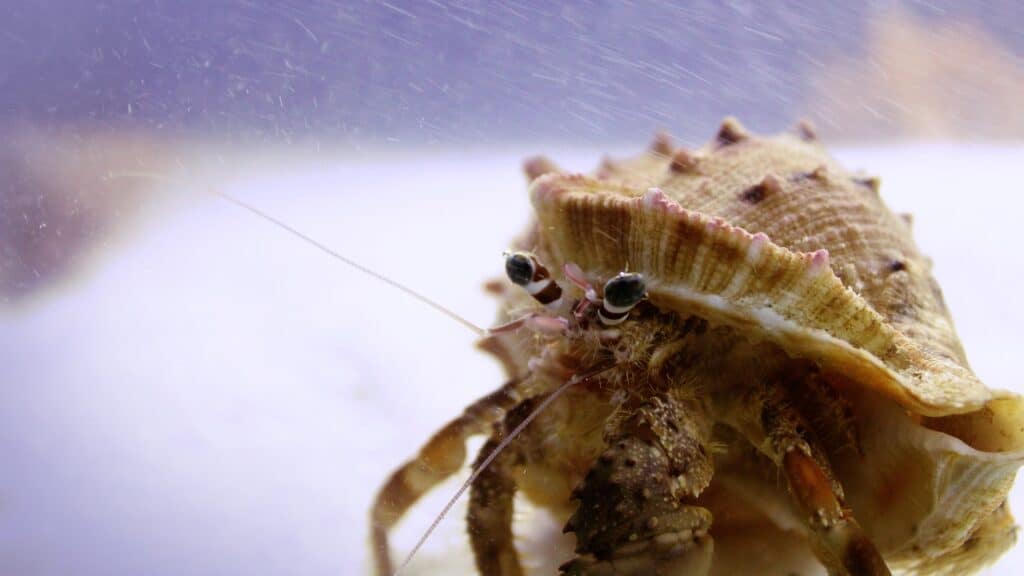
Red Claw Crabs require a proper tank setup with brackish water, hiding spots, and a land area for them to explore if given they are relevantly easy to care for. They have omnivorous feeding habits and enjoy a plant and animal-based diet.
These crabs exhibit territorial behavior, so it’s important to consider their compatibility with other species. Common health issues include shell problems and stress-related diseases, so proper care and maintenance are crucial.
Red Claw Crabs shouldn’t be handled frequently; they’re delicate and can be easily injured.
Fiddler Crabs
I recommend adding Fiddler Crabs to your aquarium as they’re one of the best beginner-friendly crab species. Here are some important things I discovered from my time keeping Fiddler Crabs:
- Lifespan: Fiddler crabs typically live for about 2-3 years in captivity.
- Diet: They’re omnivorous and will eat a variety of foods, including algae, small invertebrates, and commercial crab pellets.
- Tank setup: Fiddler crabs need a brackish water tank with both land and water areas, along with plenty of rocks and plants.
- Behavior: These crabs are known for their unique claw-waving behavior and are generally peaceful towards other tank mates.
Please note that breeding Fiddler Crabs can be challenging and requires specific conditions.
Snails
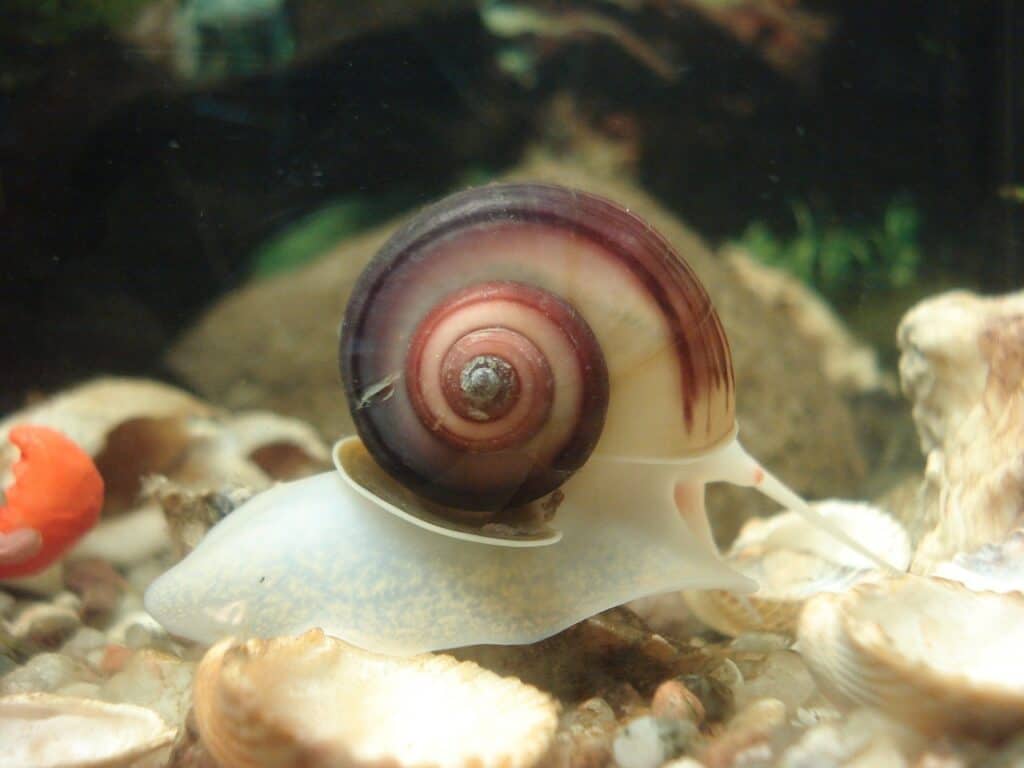
Keeping snails is popular among novice aquarium enthusiasts due to their resilience and low maintenance requirements, regardless of the snail type.
In terms of compatibility, certain snail species can coexist with other fish and invertebrates, while others may not.
Crayfish
Almost all species of freshwater Crayfish are a great selection for beginners due to their ease of care and fascinating behavior.
When preparing a crayfish tank, it’s important to keep these crucial factors in mind:
- Tank setup: Provide plenty of hiding places, such as caves or plants, as crayfish like to hide.
- Feeding: Feed them a balanced diet of sinking pellets, vegetables, and occasional live or frozen foods.
- Breeding: Breeding crayfish can be challenging, as they require specific conditions and a separate breeding tank.
- Species diversity: Various crayfish are available, each with unique colors and patterns, allowing for a diverse and visually appealing aquarium.
Mussels
Mussels, in general, are an excellent choice for beginners looking to keep aquarium invertebrates due to their ease of care and adaptability to new water conditions. As for tankmates, compatible species include snails, small fish, and shrimp. In brackish water, mussels require a gradual acclimation process. Common diseases in mussels include shell erosion and parasites, which can be treated with proper water quality maintenance and medication. Mussels are filter feeders, so their diet consists of microscopic organisms in the water. Maintaining water quality is crucial for the optimal health of mussels, as they’re sensitive to pollutants.
Tips for beginners to successfully keep aquarium invertebrates.
I have four essential tips for beginners looking to successfully keep aquarium invertebrates.
- Proper tank setup: Make sure to provide the right environment for your invertebrates, including appropriate substrate, hiding places, and water temperature.
- Feeding requirements: Different invertebrates have specific dietary needs, so research and provide the right food for each species.
- Water parameters: Maintaining proper water quality is crucial for the health of invertebrates. Regularly test and monitor parameters like pH, ammonia, and nitrate levels.
- Common diseases and treatments: Learn about common diseases that can affect invertebrates and their appropriate treatments to prevent and address health issues.
In conclusion, keeping aquarium invertebrates can be a rewarding experience for beginners. By choosing the right species and following some simple care tips, anyone can successfully maintain a thriving invertebrate ecosystem in their aquarium.
Frequently Asked Questions
Can Aquarium Invertebrates Be Kept in the Same Tank as Fish?
- Yes, aquarium invertebrates can be kept in the same tank as fish. It is important to consider compatibility, so research in depth.
How Often Should I Clean the Tank When Keeping Aquarium Invertebrates?
- Clean when necessary, but always do a 20-40% water change once a week or once every two weeks.
Are There Any Specific Water Parameters That Are Essential for Keeping Aquarium Invertebrates?
- Yes, specific water parameters are essential for keeping aquarium invertebrates. Maintaining proper pH levels, temperature control, and effective filtration systems are crucial.
Can Aquarium Invertebrates Be Kept in a Planted Tank?
- Yes, aquarium invertebrates can be kept in a planted tank. They are compatible with live plants and provide algae control and nutrient cycling benefits.