As an avid aquarium enthusiast, I’ve always been on the hunt for the best invertebrates to add to my small tank. And let me tell you, the search hasn’t been easy. But fear not, fellow hobbyists! In this article, I’ll guide you through the top 12 invertebrates that will thrive in your compact aquatic haven. From vibrant shrimp to graceful snails, these little critters bring life and charm to even the tiniest of tanks. So, let’s dive in and explore the wonders of invertebrates for small tanks.
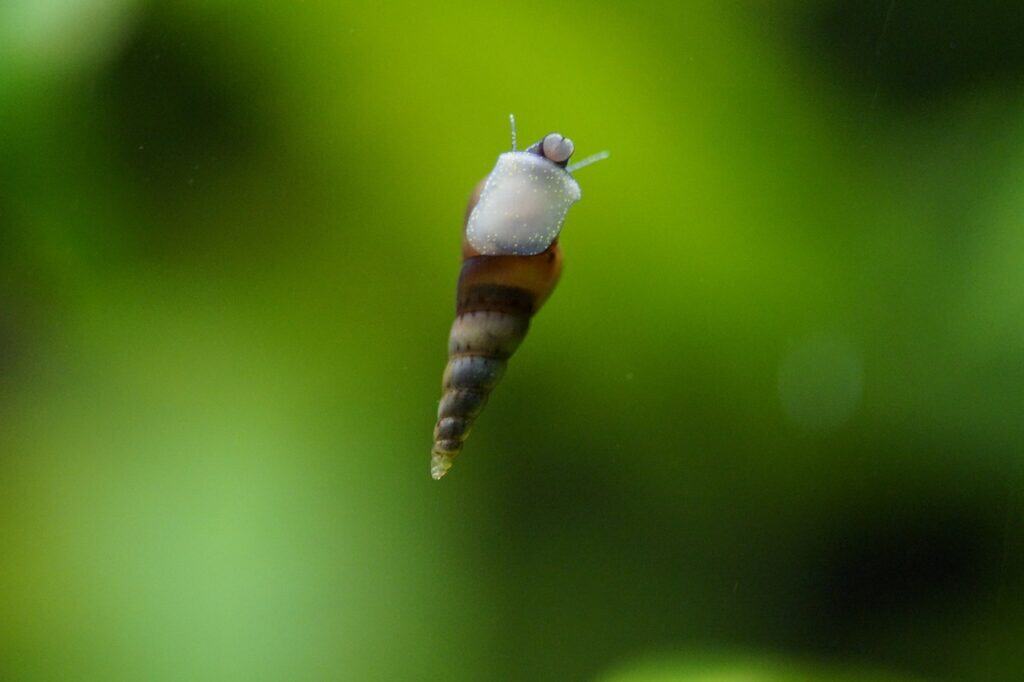
Aquarium invertebrates for small aquariums
Aquarium invertebrates are an ideal choice for small tanks due to their small size, low maintenance requirements, and the intriguing diversity they offer. Their modest size allows them to comfortably inhabit smaller environments, while their relatively simple care requirements make them suitable for both novice and seasoned aquarists.
Moreover, these tiny creatures exhibit a wide range of fascinating behaviors and come in a broad spectrum of colors and forms, adding vibrancy and interest to a small tank. In addition to this, many invertebrates play a crucial role in maintaining tank cleanliness by scavenging uneaten food and algae, providing a self-sustaining ecosystem within your aquatic setup.
12 best aquarium invertebrates for small aquariums
After extensive research and consideration, I have identified the best aquarium invertebrates for small tanks. These include
- Cherry Shrimp (Neocaridina davidi)
- Nerite Snails (Neritina natalensis)
- Amano Shrimp (Caridina multidentata)
- Malaysian Trumpet Snails (Melanoides tuberculata)
- Bumblebee Snails (Engina mendicaria)
- Thai Micro Crabs (Limnopilos naiyanetri)
- Ghost Shrimp (Palaemonetes paludosus)
- Ramshorn Snails (Planorbidae family)
- Crystal Red Shrimp (Caridina cantonensis)
- Dwarf Crayfish (Cambarellus patzcuarensis)
- Dwarf Blue Leg Hermit Crab (Clianarius tricolori)
- Pom Pom Crabs: (Lybia leptochelis)
These invertebrates are not only suitable for small aquariums, but they also offer unique benefits such as algae control and scavenging capabilities.
Cherry Shrimp (Neocaridina davidi)
Despite their diminutive stature, cherry shrimp (Neocaridina davidi) are an excellent selection for small aquariums, thanks to their adaptability and low maintenance needs. These shrimp possess a proclivity for breeding, making it simple to develop a flourishing colony within a compact tank. Cherry shrimp are omnivorous creatures, readily consuming a variety of sustenance choices that encompass algae wafers and blanched vegetables. Preferred living conditions for cherry shrimp include water with a pH level between 6.5 and 8.0, a temperature range between 70-78°F, and a moderate degree of water hardness.

Nerite Snails (Neritina natalensis)
Nerite Snails (Neritina natalensis) are undeniably a great choice for compact aquariums despite their unassuming size. Renowned for their hardiness and minimal upkeep, fostering a thriving population within a small tank is straightforward. They have a varied diet, which includes algae films and supplemented feed. Ideal conditions for Nerite Snails encompass water with a pH of 7.0-8.5, a temperature range of 72-78°F, and moderate to high water hardness.
Amano Shrimp (Caridina multidentata)
Despite their small size, Amano Shrimp (Caridina multidentata) prove to be an excellent addition to compact aquariums due to their adaptability and minimal maintenance needs. They breed prolifically, simplifying the process of establishing a thriving colony in a limited space. Amano shrimp are omnivorous, consuming a range of foods from algae wafers to blanched vegetables. They perform best in water that has a pH of 6.5-8.0 and a temperature of 70-78°F.
Malaysian Trumpet Snails (Melanoides tuberculata)
One important invertebrate to consider for small aquariums is the Malaysian Trumpet Snail (Melanoides tuberculata). These snails have several pros for small tanks. They help to maintain the tank by eating excess food and algae, preventing water quality issues. Malaysian Trumpet Snails are compatible with most tank inhabitants, as they are peaceful and non-aggressive. They thrive in a tank with moderate water flow, a pH of 7-8, and a temperature of 75-82°F. They breed rapidly, laying eggs in the substrate and hatching in a few weeks.
Bumblebee Snails (Engina mendicaria)
Though diminutive, Bumblebee Snails (Engina mendicaria) are an outstanding choice for small aquariums due to their adaptability and minimal maintenance requirements. They breed efficiently, allowing for a thriving population within a compact tank. Their diet is omnivorous and includes a mix of algae wafers and blanched vegetables. These snails flourish in water with a pH of 6.5-8.0, a temperature range of 70-78°F, and moderate water hardness.

Thai Micro Crabs (Limnopilos naiyanetri)
Despite their minuscule size, Thai Micro Crabs (Limnopilos naiyanetri) make a fantastic addition to small aquariums owing to their adaptability and low maintenance demands. They are prolific breeders, facilitating the creation of a substantial colony in a petite tank. These crabs have an omnivorous diet, enjoying a mix of algae wafers and blanched vegetables. Ideal conditions for Thai Micro Crabs include water with a pH of 6.5-8.0, a temperature span of 70-78°F, and moderate water hardness.
Ghost Shrimp (Palaemonetes paludosus)
Although small, Ghost Shrimp (Palaemonetes paludosus) make for a remarkable choice for small aquariums, given their adaptability and low upkeep. They breed prolifically, easily creating a thriving colony in a small tank. They are omnivorous, devouring a wide range of foods, including algae wafers and blanched vegetables. Ghost Shrimp flourish in water with a pH of 6.5-8.0, a temperature of 70-78°F, and moderate water hardness.
Ramshorn Snails (Planorbidae family)
I have found that Ramshorn Snails from the Planorbidae family are an excellent choice for small aquariums due to their adaptable nature and efficient cleaning abilities. Ramshorn Snails are reasonably easy to care for and breed, making them suitable for beginners. They are omnivorous and can feed on decaying matter, algae, and leftover fish food. Ramshorn Snails are compatible with a wide range of tankmates, including fish and other invertebrates. They thrive in water with a pH of 7-8, a temperature range of 68-78°F, and moderate water hardness.
Crystal Red Shrimp (Caridina cantonensis)
Despite their petite size, Crystal Red Shrimp (Caridina cantonensis) are a superior choice for small aquariums due to their adaptability and ease of maintenance requirements. They breed prolifically, facilitating the establishment of a thriving colony in a small tank. These omnivorous shrimp enjoy a diverse diet that includes algae wafers and blanched vegetables. They flourish in water with a pH of 6.5-8.0, a temperature range of 70-78°F, and moderate water hardness.
Dwarf Crayfish (Cambarellus patzcuarensis)
Despite their small size, Dwarf Crayfish (Cambarellus patzcuarensis) are an excellent choice for compact aquariums due to their adaptability and straightforward maintenance needs. They breed efficiently, ensuring the establishment of a thriving colony within a limited space. Their omnivorous diet allows for a variety of food options, including algae wafers and blanched vegetables. Dwarf Crayfish flourish in water with a pH of 6.5-8.0, a temperature range of 70-78°F, and moderate water hardness.
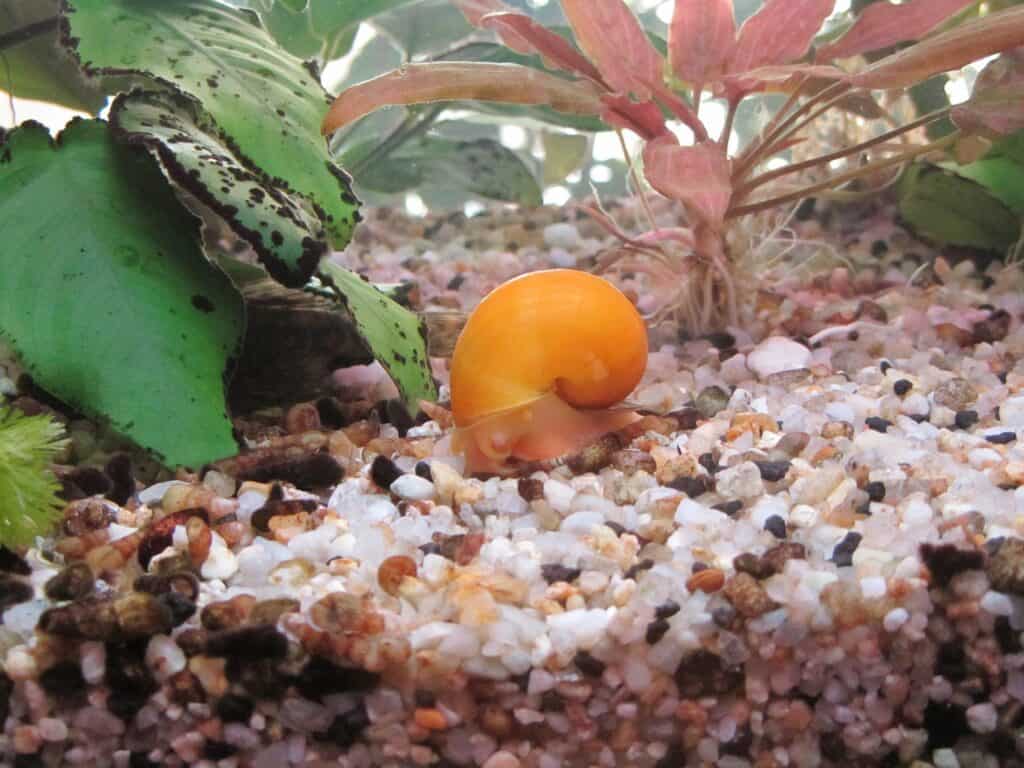
Dwarf Blue Leg Hermit Crab (Clianarius tricolori)
Renowned for their small stature, Dwarf Blue Leg Hermit Crabs (Clibanarius tricolor) are perfect for smaller aquariums due to their robust adaptability and simple upkeep requirements. These crabs breed effectively, guaranteeing a flourishing colony, even in a constricted space. They enjoy an omnivorous diet featuring a variety of foodstuffs, such as algae wafers and blanched vegetables. For optimal health and activity, these hermit crabs require water with a pH between 6.5 and 8.0, a temperature bracket of 70-78°F, and moderate water hardness.
Pom Pom Crabs: (Lybia leptochelis)
Despite their diminutive size, Pom Pom Crabs (Lybia leptochelis) make a brilliant addition to small aquariums due to their adaptability and easy care requirements. They breed effectively, which ensures a prosperous colony even in confined spaces. Their omnivorous diet includes diverse food selections, from algae wafers to blanched vegetables. Pom Pom Crabs thrive in water conditions with a pH of 6.5-8.0, a temperature range of 70-78°F, and moderate water hardness.
Benefits of Invertebrates in Small Aquariums
1. Role in maintaining ecosystem balance: Invertebrates play a vital role in the ecosystem by contributing to nutrient cycling and waste management. They help break down organic matter and keep the tank clean and healthy.
2. Unique behavior: Invertebrates in small tanks exhibit fascinating behaviors, such as scavenging, burrowing, and filter feeding. These behaviors add interest and diversity to the aquarium, making it more visually appealing.
3. Suitable tank mates: Invertebrates can coexist with other small fish and invertebrates in a small tank. They can create a harmonious environment and contribute to the overall equilibrium and stability of the aquarium ecosystem.
Disadvantages of invertebrates in small aquariums
Invertebrates, while fascinating, can pose challenges in terms of care requirements, suitable tank mates, feeding habits, breeding, and potential health issues. Some invertebrates may require specific water parameters or specialized diets, limiting their compatibility with other fish species. Additionally, breeding invertebrates can be complex and may require specific conditions, making it challenging for hobbyists. Finally, invertebrates may be susceptible to certain health issues, requiring diligent monitoring and care.

Frequently Asked Questions
What Is the Ideal Tank Size for Keeping Invertebrates in Small Aquariums?
- The ideal tank size for keeping invertebrates in small aquariums depends on the species, but generally, for a small species, 5-10 gallons is usually sufficient.
Can Invertebrates Be Kept With Other Fish Species in Small Tanks?
- Invertebrates can be kept with other fish species in small tanks, but compatibility considerations are crucial.
Are Invertebrates Low-Maintenance Pets?
- Invertebrates can be low-maintenance pets if their needs are met. Providing proper tank setup and decorations and feeding them appropriately is crucial.
What Common Diseases or Health Issues Invertebrates in Small Tanks May Encounter?
- Common diseases in invertebrates include shell rot, fungal infections, and bacterial infections.