When can I add fish to my new aquarium? That’s the question every eager fish owner asks. Before you dive into adding those colorful additions, there are a few important steps to take. In this article, I’ll guide you through the process of setting up your new tank, cycling it properly, and determining the ideal waiting period. By following these steps, you’ll ensure a healthy and thriving aquatic habitat for your new finned friends. Let’s get started!
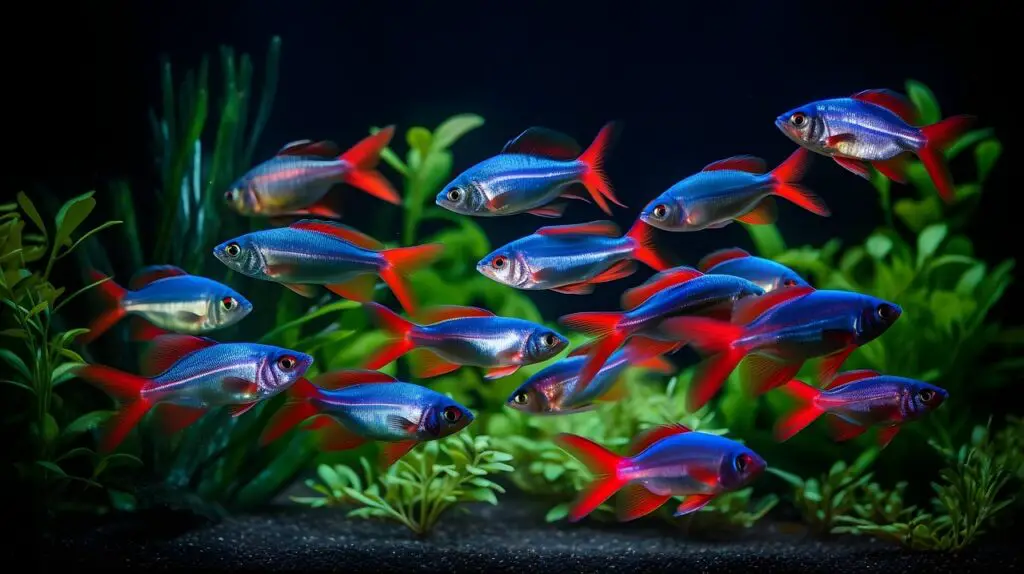
How long before you can put tropical fish in a new tank?
I usually wait at least around four to six weeks before adding tropical fish to a new tank. This waiting period is essential for ensuring the health and well-being of the fish. When you set up a new aquarium, it takes time for the water chemistry to stabilize and for beneficial bacteria to establish. These bacteria help break down harmful substances like nitrite and ammonia. By waiting for around six weeks, you allow the tank to go through the necessary cycling process. During this time, you should monitor the water parameters regularly to ensure they are within the appropriate range for the fish you plan to add. Waiting patiently before introducing fish to your new tank will greatly increase their chances of thriving without stress.
Here Are Some Important Steps To Follow Before Adding any Fih To Your New Fish Tank:
Setting Up Your New Tank
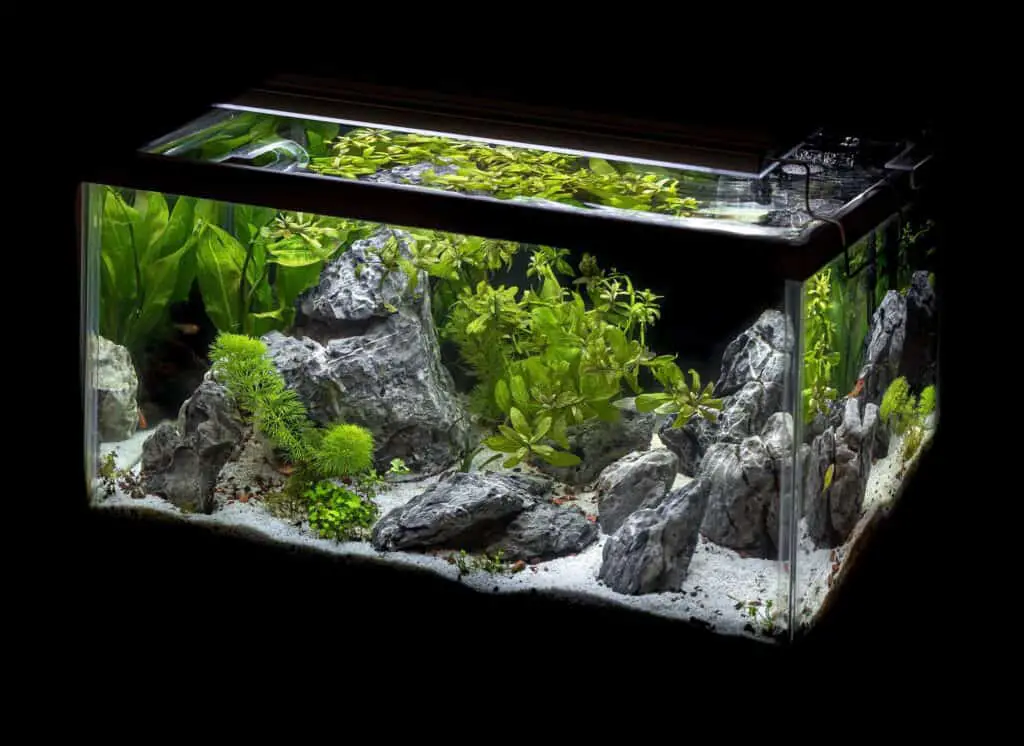
When setting up a new tank, I always consider the tank size and equipment that goes into it. A larger tank offers more swimming space and stability. It is vital to choose equipment based on the fish’s needs and maintain proper water quality before adding any fish into the tank.
- Tank Size and Equipment: To properly set up your new aquarium, ensure that you have the appropriate tank size and necessary equipment and species of tropical fish that you wish to keep.
Water Quality Parameters
After ensuring the appropriate tank size and necessary equipment, the next step in setting up your new aquarium is to establish the essential water quality parameters. This is crucial for the well-being of both your fish and your aquarium. The key water quality parameters to consider are temperature, pH level, ammonia, nitrite, and nitrate levels. It is important to invest in a reliable aquarium thermometer to monitor the water temperature consistently. For freshwater tanks, the ideal pH level is usually between 6.8 and 7.8. Ammonia and nitrate levels should be regularly tested using water testing kits and should be kept at zero. By ensuring these water quality parameters are within the appropriate range, you will create a suitable environment for your fish to thrive.
Cycling Your Tank
Cycling your tank is an essential step in preparing it for fish. It helps create a stable and healthy environment for your fish to thrive in.
What Is Tank Cycling?
The purpose of tank cycling is to establish beneficial bacteria in the aquarium so that fish will be able to live in a stable and healthy environment. It is an essential step before adding fish to a new aquarium. Here are three key points to understand about tank cycling:
– Beneficial Bacteria: These play a vital role in breaking down harmful substances in the tank, such as ammonia and nitrites.
– Cycling Methods: There are various methods to cycle a tank, including fish-in cycling, fishless cycling, and using beneficial bacteria supplements.
– Cycling Time: Tank cycling typically takes around 4-6 weeks, although it can change depending on the method used and the individual tank.
The Ideal Waiting Period
When it comes to adding fish to a new aquarium, patience is key. In some cases, fish can die as a result of stress during the process. The ideal waiting period depends on several factors and the specific needs of different fish species.

Patience is Key
During the initial setup of a new aquarium, it is crucial to exercise patience in order to establish an ideal waiting period before adding fish. Rushing this process can lead to detrimental consequences for both the fish and the aquarium. To ensure a successful and thriving environment, it is important to consider the following:
– Allow the aquarium to cycle
– Test water parameters
– Establish a stable temperature
– Research fish compatibility
Factors Affecting the Wait Time
One important factor that affects the wait time before adding fish to a new aquarium is the establishment of beneficial bacteria. Healthy and balanced aquarium environments require beneficial bacteria. They help break down harmful substances like ammonia and nitrites, converting them into less harmful forms. The process of establishing beneficial bacteria, known as the nitrogen cycle, typically takes around 4-6 weeks.
How to Cycle a Tank Without Fish?
To successfully cycle a tank without fish, I recommend using the fishless cycling method. This method allows you to establish a healthy and stable environment for your aquarium before adding any fish. Here are the steps to cycle a tank without fish:
– Add ammonia source: Introduce ammonia into the tank to simulate fish waste. You can use products specifically designed for fishless cycling or household ammonia without any additives.
– Test water parameters: Regularly test the ammonia, nitrite, and nitrate levels to monitor the progress of the cycling process.
– Establish beneficial bacteria: As the ammonia breaks down, beneficial bacteria will develop and convert ammonia into less harmful substances.
– Monitor the cycling process: It can take several weeks for the tank to fully cycle. During this time, keep an eye on the water parameters and make any necessary adjustments.
Adding Fish to Your New Tank
When adding fish to your new tank, there are a few important points to consider. First, it’s crucial to wait until the tank has completed the fishless cycling process and the water parameters are stable.
The Right Time to Introduce Fish
I typically introduce fish to my new tank after it has completed the nitrogen cycle. This process ensures beneficial bacteria establish themselves in the tank and convert harmful ammonia into less toxic substances. Once the nitrogen cycle is complete, the tank is ready to support fish life. Here are some important considerations before adding fish to your new tank:
– Water parameters: Ensure that the temperature, pH level, and water hardness are suitable for the specific fish species you plan to introduce.
– Compatibility: Research the compatibility of different fish species to avoid aggression or territorial issues.
– Gradual introduction: Introduce fish gradually, starting with a few hardy species and gradually adding more over time.
– Acclimation process: Properly acclimate the fish to the new tank environment to reduce stress and ensure a smooth transition.
The process of setting up a new aquarium can be exciting and rewarding. However, it is essential to take the time to properly research the process and cycle the tank before adding fish. By following these steps and being patient, you will create a healthy and stable environment for your fish to thrive in. Remember to regularly monitor water parameters and make any necessary adjustments as your tank matures. Happy fishkeeping!
Frequently Asked Questions
What Types of Fish Are Suitable for a New Aquarium?
- There is a wide variety of fish suitable for a new aquarium, but it’s important to choose species that are hardy and can tolerate the cycling process. Some popular options include guppies, mollies, tetras, and danios.
How Often Should I Clean My New Tank Before Adding Fish?
- Before adding fish to a new aquarium, it is important to clean the tank regularly. I clean my tank twice a week to ensure a healthy environment for my fish.
Can I Add Fish Immediately After Setting up the Tank?
- No, it’s not advisable to add fish immediately after setting up a new aquarium. It’s crucial to ensure the tank is properly cycled, water parameters are stable, and beneficial bacteria are established for the well-being of the fish.
What Is the Recommended Temperature for a New Aquarium Before Adding Fish?
- The recommended temperature for a new aquarium before adding fish is typically around 75-80 degrees Fahrenheit.