There are many factors to consider when choosing the right temperature for your tropical fish. Some species of tropical fish thrive in warmer water, while others prefer cooler temperatures. To ensure that your fish live a long and healthy life, it’s important to understand the optimal temperature range for each type of fish.
What temperature should tropical fish be at
The ideal temperature for tropical fish is determined by their natural habitat and can vary depending on the specific species. Providing the appropriate temperature for tropical fish to ensure their health and well-being is important. Generally, tropical fish thrive in water temperatures ranging from 75 to 80°F (24 to 26°C). However, it is crucial to note that different species have specific temperature requirements.
For example, some tropical fish species prefer slightly cooler temperatures, such as the neon tetra (Paracheirodon innesi), which thrives between 72 and 78°F (22 to 25°C). On the other hand, the discus fish (Symphysodon spp.) requires warmer water, typically around 82 to 84°F (28 to 30°C).
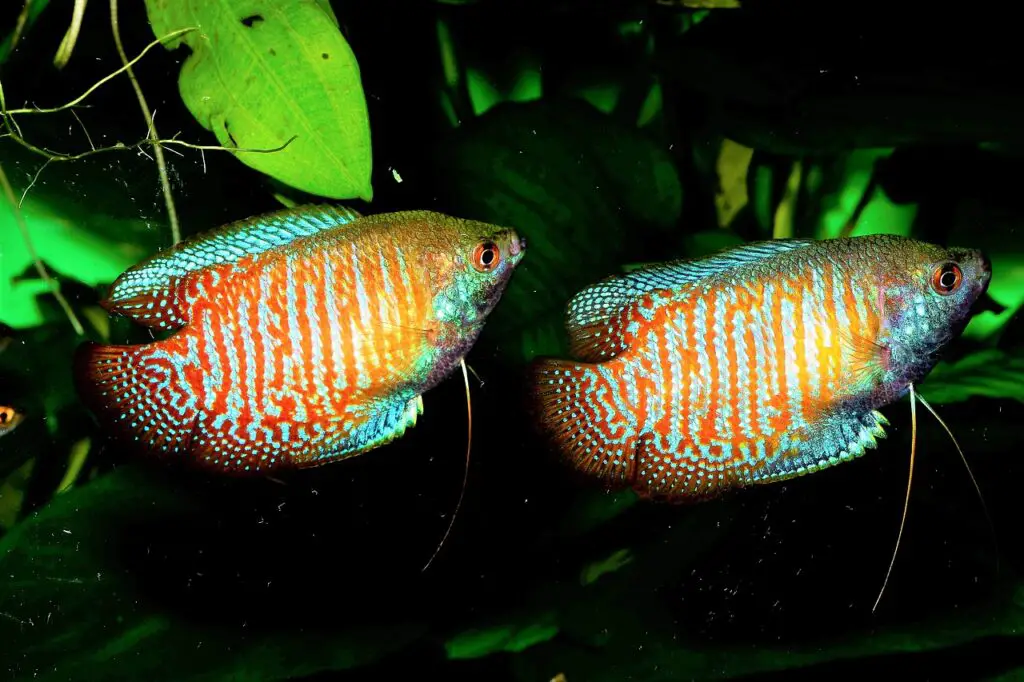
Maintaining the appropriate temperature is essential to support the fish’s metabolic processes, digestion, and overall health. Therefore, it is crucial to regularly monitor the water temperature using a reliable thermometer and make adjustments as needed. By providing the optimal temperature for tropical fish, you can ensure their comfort and promote their overall well-being in your aquarium.
What About Different Seasons of the Year?
During different seasons of the year, it is important to adjust the water temperature in your aquarium to meet the specific needs of your tropical fish. Fish are ectothermic animals, meaning their body temperature is regulated by their environment. As the seasons change, so does the temperature of the water bodies in their natural habitats. Therefore, it is crucial to replicate these temperature variations in your aquarium to ensure the well-being of your tropical fish.
In the summer months, when the weather is warmer, you may need to lower the temperature of the aquarium water. This can be achieved by using a combination of air conditioning, fans, and ice packs. It is recommended to keep the water temperature between 75-80°F (24-27°C) during this time. This range provides a comfortable environment for most tropical fish species.
During the winter months, when the weather is colder, you may need to increase the temperature of the aquarium water. Using a heater can help maintain a stable temperature, ideally between 78-82°F (26-28°C). This range ensures that the fish’s metabolism remains active and their immune system functions optimally.
It is important to monitor the water temperature regularly and make adjustments as necessary. Sudden temperature fluctuations can cause stress and health issues for your tropical fish. By providing the right temperature for each season, you are contributing to their overall well-being and promoting a healthy aquatic environment.
How does water temperature affect fish?
I have observed firsthand how water temperature directly impacts the health and behavior of tropical fish. Water temperature is a crucial factor in maintaining the well-being of these delicate creatures. Fish are ectothermic, so any fluctuations in water temperature can have significant effects on their physiological processes.
When the water temperature is too low, fish become sluggish, and their metabolism slows down. This can lead to a decreased appetite and a weakened immune system, making them more susceptible to diseases. On the other hand, when the water temperature is too high, fish become stressed, which can cause them to exhibit erratic behavior, such as increased aggression or lethargy. High temperatures can also lead to oxygen depletion in the water, which can be fatal for fish.
What to do if your heater breaks?
Having a functioning heater is crucial to maintain the proper water temperature for tropical fish. However, in case of a malfunction or breakage, these are the steps I took to regulate the temperature until the issue was resolved.
- Turn off the heater: Firstly, if your heater is malfunctioning, turn it off and unplug it immediately to prevent any further damage or accidents.
- Monitor the temperature: Use a reliable thermometer to monitor the temperature of your aquarium regularly. This will help you notice any fluctuations and take immediate action.
- Adjust room temperature: You can try lowering or raising the room temperature to regulate the aquarium water temperature. Using air conditioning or fans can help lower the temperature while using a room heater can increase it.
- Partial water change: If the water temperature has become too high, you can do a partial water change by replacing some of the warm water with cooler water to bring down the overall temperature.
- Use ice packs: In case of warm temperatures, placing ice packs on top of the aquarium hood can help lower the water temperature gradually.
In conclusion, maintaining the optimal water temperature for tropical fish is crucial for their well-being. Different species have specific temperature preferences, and it is essential to research and provide the appropriate conditions before adding any fish to your community tank.
Frequently Asked Questions
Can Tropical Fish Survive in Water Temperatures Below Their Recommended Range?
- Yes, they can survive a few ° lower, but it’s not ideal. Tropical fish have specific temperature ranges for optimal health. Deviating from these ranges can lead to stress, weakened immune systems, and even death.
How Does Water Temperature Affect the Behavior of Tropical Fish?
- Water temperature greatly impacts the behavior of tropical fish. It affects their metabolism, digestion, and overall health. Higher temperatures can increase activity levels, while lower temperatures can slow them down.
Are There Any Specific Tropical Fish Species That Require Higher or Lower Temperatures Than Others?
- Yes, some tropical fish species have specific temperature requirements, such as the Betta fish (Betta splendens), which prefers warmer temperatures between 75-80°F (24-27°C). On the other hand, the White Cloud Mountain Minnow (Tanichthys albonubes) can tolerate colder temperatures between 64-72°F (18-22°C).
Can Sudden Changes in Water Temperature Harm Tropical Fish?
- Sudden changes in water temperature can indeed harm tropical fish. These changes can stress the fish, weaken their immune system, and even lead to illness or death.
What Are the Signs That Indicate the Water Temperature in a Fish Tank Is Too High or Too Low for Tropical Fish?
- If the water temperature in a fish tank is too high or too low for tropical fish, there are several signs to look out for. These include lethargy, loss of appetite, and abnormal swimming behavior.
,