Among the most common questions I get asked as a tropical fish hobbyist is, “How long do tropical fish live?” It’s a reasonable question, especially for those new to this fascinating and rewarding hobby. The answer, on the other hand, is more complex. There are so many different types of tropical fish, and generally speaking, different species of tropical fish have different life spans – just like with any other animal.
How long can tropical fish live?
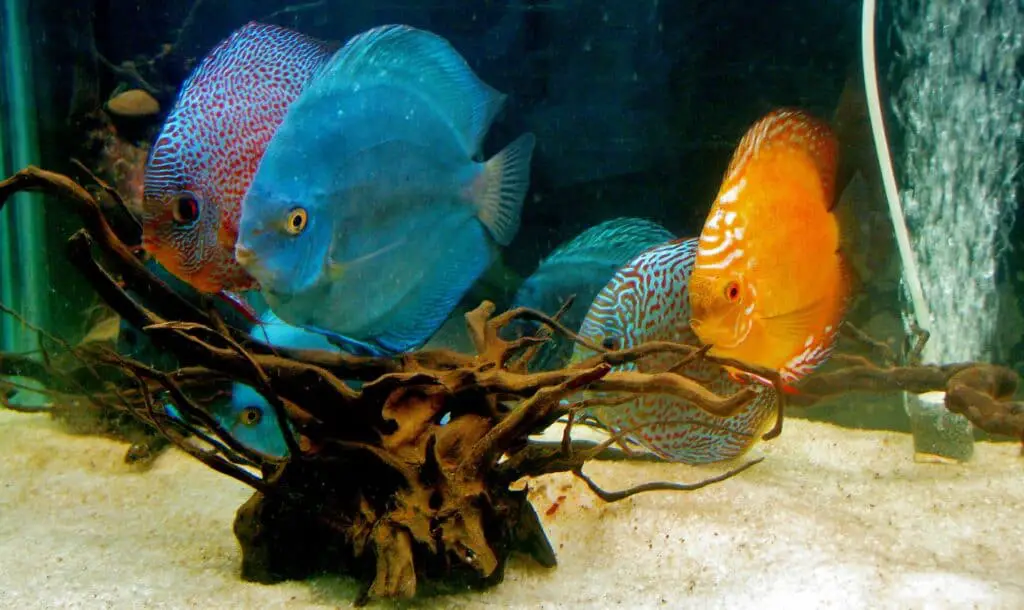
The lifespan of aquarium fish varies greatly depending on the species. Like the discus, some species can live for over 18 years with proper care. Others, like the neon tetra, have a shorter lifespan of around 3 to 7 years. Factors such as water quality, genetics, and diet also play a role in determining the lifespan of these beautiful aquatic creatures.
Factors that could affect your fish lifespan:
There are numerous factors that can have a major impact on the lifespan of your fish. Some of these factors include:
- Illnesses: Having an illness can significantly decrease a fish’s lifespan. When a fish becomes ill, its overall health and ability to thrive are compromised. Illnesses such as fungal and bacterial infections, parasites, or even tumors can be fatal if not treated promptly.
- Water Quality: Water conditions that are not up to standard can lead to stress and disease. It is important to maintain clean and properly balanced water in the aquarium. Factors such as pH levels, temperature, ammonia, and nitrate levels should be regularly monitored and adjusted if necessary. High levels of nitrite and ammonia can be toxic to fish, leading to respiratory problems and even death. Regular water changes and proper filtration systems are essential for ensuring optimal water quality and promoting the longevity of tropical fish.
- Stress: I’ve noticed that excessive stress can significantly shorten a fish’s lifespan. Stress can manifest in various ways for fish, such as overcrowding, aggressive tank mates, or sudden changes in water parameters. It is crucial to understand that larger fish are more susceptible to stress due to their higher energy requirements and territorial behaviors. When subjected to chronic stress, larger fish may experience compromised immune systems, increased vulnerability to diseases, and, ultimately, a shorter lifespan.
- Overcrowding: Overcrowding adversely impacts a fish’s lifespan by causing chronic stress and compromising their overall health. When fish are overcrowded, they have limited space to swim and can become more prone to injuries and infections. Additionally, overcrowding leads to increased competition for resources such as food and oxygen, further straining their already compromised health. To illustrate the impact of overcrowding, consider the following table:
- Diet and Nutrition: This plays a significant role in a fish’s lifespan. This is why I always strive to provide a balanced and appropriate diet to ensure the overall health and longevity of my fish. Fish need a diet that includes a variety of nutrients, so I always include proteins, carbohydrates, fats, vitamins, and minerals in their diet. These nutrients are vital for their growth, immune function, and reproductive success. A well-balanced diet can also prevent nutritional deficiencies and diseases, ultimately contributing to the fish’s extended lifespan.
- Breeding: The physical demands of spawning can stress the fish, and females especially have heightened nutritional requirements during these periods. In some species, aggressive mating behaviors can result in injuries, further risking their well-being. Close interactions during breeding also heighten the risk of disease transmission. In certain cases, females might suffer from egg-binding, where they can’t release their eggs, posing a severe health risk. Parental roles, such as guarding eggs or fry, can lead to exhaustion. Additionally, in captive environments, repeated inbreeding may reduce genetic diversity, making fish more prone to health issues.
List of 23 Tropical Fish Species and Their Average Lifespans
Below, you will find a list of common tropical fish and an average life expectancy. Do note that the lifespan can vary based on factors like care, genetics, water conditions, and diet:
- Guppy: 2-3 years, but some can live up to 5 years with optimal care.
- Siamese fighting fish (Betta): 2-5 years, sometimes longer in optimal conditions.
- Neon tetra: The average lifespan for bettas is 4-5 years.
- Zebra danio: 3-5 years.
- Cory catfish: 5+ years.
- Discus: 10-18 years with good care.
- Angelfish: 10 years.
- Cherry barb: 5-7 years.
- Harlequin rasbora: 5-8 years.
- Swordtail: 3-5 years.
- Oscar: 10-15 years, with some reaching up to 20.
- Platy: 2-3 years.
- Cichlid: This is a broad category. Lifespan can range from 5-8 years for many species, but some, like the larger African cichlids, can live 10+ years.
- Dwarf gourami: 4-6 years.
- Clown loach: 10+ years, with some living even longer.
- Celestial Pearl Danio: 3-5 years.
- Barb: Depending on the species, usually 5-10 years.
- Tiger barb: 5-7 years.
- Dwarf suckers (Otocinclus): 3-5 years.
- Panda corydoras: 10+ years.
- Rainbow shark: 4-6 years.
Keep in mind these are averages, and actual lifespans can differ. Proper care, including good water quality, a balanced diet, and routine health checks, can significantly influence the lifespan of your fish.
Ways to Ensure Your Fish is Healthy and Happy
Now that we’ve discussed some potential factors that can impact a fish’s lifespan, let’s explore ways to ensure your fish is healthy, striving, and happy:
- Proper Nutrition: A well-balanced diet with the right nutrients is essential for promoting good health in tropical fish. Providing a variety of foods such as flakes, pellets, and live or frozen foods will help prevent nutritional deficiencies and promote a strong immune system.
- Regular Water Quality Checks: As discussed earlier, water quality is vital for the well-being of fish. Regularly test the water and make necessary adjustments to maintain optimal levels of pH, temperature, ammonia, nitrite, and nitrate.
- Tank Size and Population: Providing enough space for your fish to swim and thrive is crucial. Avoid overcrowding and consider the adult size of your fish when selecting tank mates.
- Stress Management: Pay attention to potential stressors in your aquarium, such as aggressive tank mates or sudden changes in water conditions. Providing hiding places and a peaceful environment can help reduce stress levels for your fish.
- Routine Health Checks: Regularly inspect your fish for any signs of illness or injury. If you notice any changes in behavior, appetite, or physical appearance, it may indicate a health issue that requires attention.
So, there is no actual set answer to the lifespan of these pets. However, there are many factors that could hinder their lifespan. Be sure to take proper care of your fish and provide them with a healthy and happy environment so they can live their best life!
Frequently Asked Questions
What Are Some Common Signs of a Healthy Tropical Fish?
- Common signs of a healthy tropical fish include vibrant colors, active swimming, clear eyes, and intact fins.
Are There Any Specific Environmental Factors That Can Significantly Shorten a Tropical Fish’s Lifespan?
- Inadequate nutrition, poor water quality, and stressful living conditions can all contribute to a shorter lifespan for these fish.
What Are Some Common Diseases or Health Issues That Tropical Fish May Experience?
- Tropical fish often suffer from common diseases like ich, fin rot, and swim bladder disorder.
Are There Any Specific Feeding Habits or Dietary Requirements That Can Help Prolong the Lifespan of Tropical Fish?
- Proper nutrition, a balanced diet, and a regular feeding schedule are crucial. It’s important to research the specific needs of each fish species.