Have you recently noticed something concerning about your tropical fish? Have their once vibrant colors started to fade away? This has left me wondering: what could possibly be causing this loss of color? Could it be something you are doing wrong as a fish owner? Or is there an underlying issue that needs to be addressed? Let’s take a closer look at a few possible reasons why fish lose their color and delve into the various factors that could be affecting their once-vibrant hues.

Why do tropical fish lose their color?
Tropical fish can lose their vibrant colors due to various factors, including stress, inadequate nutrition, or disease. Stress, in particular, is a significant contributor to color loss in fish. Environmental changes, such as sudden temperature fluctuations, overcrowding, or the presence of aggressive tankmates, can create stressful conditions for fish, ultimately leading to a loss of their beautiful hues. It is important for fishkeepers to ensure a well-balanced environment and provide proper care to prevent these issues and maintain the natural beauty of their tropical fish.
Another common reason for color fading in fish is inadequate nutrition. In order to maintain their vibrant colors, fish require a well-balanced diet that includes essential vitamins, minerals, and pigments. These nutrients are crucial for the synthesis of vibrant pigments in their scales and overall coloration. When fish are not provided with sufficient or poor-quality food, they may experience a loss of color due to the lack of essential nutrients necessary for maintaining their vibrant appearance. Therefore, ensuring that fish are fed a high-quality and nutritionally balanced diet is essential for preserving their vibrant colors.
Why is my fish turning white?
One possible cause is stress. Fish can experience stress due to changes in their environment, such as fluctuations in water temperature or poor water quality. Stress can disrupt their natural pigmentation, leading to a loss of color.
Another potential cause of the fish’s white coloration is a fungal or bacterial infection. These infections can specifically target and affect the pigmentation cells in the fish’s skin, leading to the development of white patches or spots. In addition to these infections, certain parasites, such as ich or velvet, can also contribute to the appearance of white spots or patches on the fish’s body. Therefore, it is crucial to closely observe your fish’s behavior and promptly seek advice from a veterinarian or aquatic specialist to accurately determine the exact cause of the color change and provide the appropriate and effective treatment necessary for your fish’s well-being.
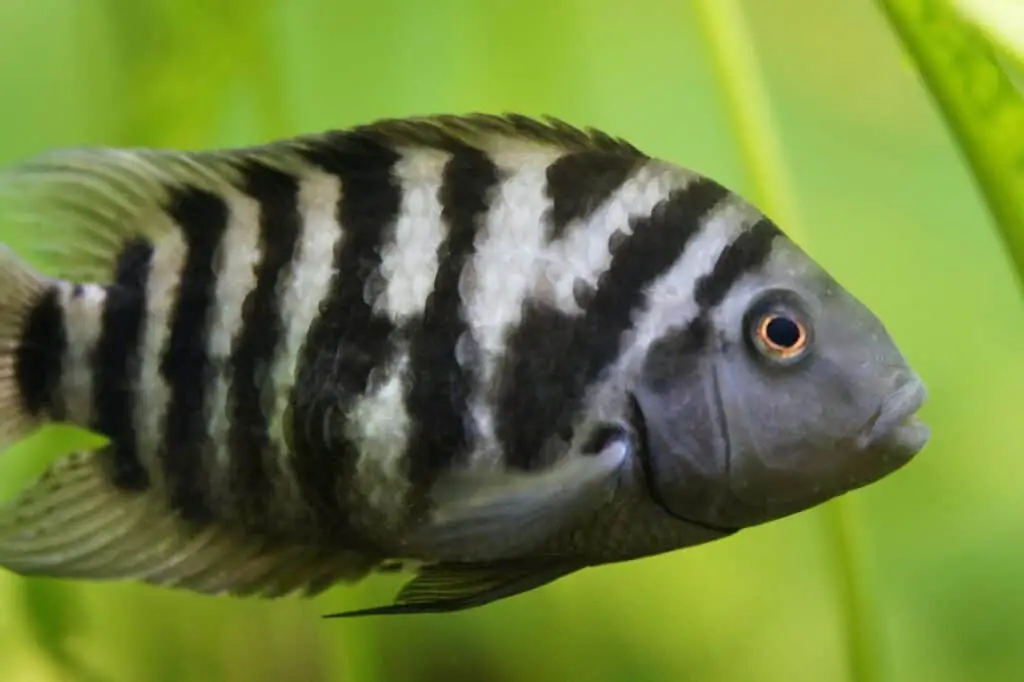
Why is my fish turning black?
Fish turning black can be a sign of various underlying issues, and it’s important to investigate the cause to ensure the health and well-being of your fish. Here are some common reasons why fish might turn black:
- Stress: Fish often change their color due to stress. Changes in their environment, water quality, or the presence of aggressive tankmates can stress fish and lead to changes in coloration.
- Water Quality: Fish health is affected by poor water quality. High levels of ammonia, nitrites, nitrates, or low pH levels can stress fish and cause them to change color. Regular water testing and maintenance are important to ensure a good water quality.
- Illness: Darkening of the skin or scales can be a symptom of certain fish diseases, such as skin parasites, bacterial infections, or fungal infections. You should consult a veterinarian for diagnostic and treatment if you observe other symptoms of sickness, such as lethargy, appetite loss, or abnormal swimming behavior.
- Age: Some fish naturally change color as they age. This is especially common in certain species, like goldfish, where young fish may have a different coloration than older individuals.
- Genetics: In some cases, the black coloration might be a natural trait or genetic variation in your fish’s species.
- Diet: Poor nutrition or an imbalanced diet can affect a fish’s coloration. Ensure that you are providing appropriate and high-quality food for your fish.
- Environmental Changes: Changes in the tank environment, such as new decorations, lighting changes, or temperature fluctuations, can sometimes trigger temporary color changes in fish.
- Injury: Physical injuries, such as scrapes or wounds, can lead to color changes as a response to the injury.
To address the issue:
- If your fish species requires a specific range of water parameters, check them first.
- Maintain a clean and stable tank environment, and consider quarantining the affected fish if you suspect it may have a contagious disease.
- If the issue persists or if you notice other signs of illness, consult with a veterinarian who specializes in fish or seek guidance from an experienced aquarium hobbyist for a more accurate diagnosis and treatment plan.
Other factors that could affect my fish color:
One factor that can impact my fish color is the presence of parasites. They will attach to the skin, scales, or gills of the fish, causing irritation and damage. This can result in a loss of color or a change in the fish’s pigmentation.
Other factors that could affect my fish color include:
– Poor water quality: Because fish are highly sensitive to their environment, and water that’s contaminated with pollutants or toxins can have a detrimental effect on their coloration. High levels of ammonia, nitrites, or nitrates, for example, can stress the fish and lead to a fading or darkening of their colors.
– Nutritional deficiencies: Insufficient nutrients in the fish’s diet can also impact their color. Certain pigments, such as carotenoids, are necessary for vibrant colors in fish. If these pigments aren’t present in sufficient amounts, the fish may appear dull or faded.
– Stress: Fish that are subjected to prolonged periods of stress, such as overcrowding or aggressive tank mates, may experience a loss of color. Stress can disrupt the fish’s immune system and overall health, affecting their appearance.
Maintaining the vibrant colors of our fish is not only aesthetically pleasing but also an essential aspect of their overall health and well-being. By ensuring proper nutrition, water quality, and a stress-free environment, we can help our fish maintain their natural colors. However, if you notice any changes in your fish’s color that seem abnormal or persistent, do not hesitate to
Frequently Asked Questions
Can Stress Cause Fish to Lose Their Color?
- Yes, stress can cause fish to lose their color. Stressors like poor water quality or overcrowding can lead to a decrease in pigmentation. It’s important to provide a stress-free environment for healthy, vibrant fish.
How Can Poor Water Quality Affect the Color of Fish?
- Poor water quality can affect the color of fish. High levels of ammonia and nitrite can cause stress, leading to color loss. Additionally, inadequate oxygen levels and improper pH can disrupt the pigmentation process.
Are There Any Diseases or Infections That Can Lead to Fish Losing Their Color?
- There can be various diseases or infections that may cause fish to lose their color. Identifying and treating the specific ailment is crucial for restoring the vibrancy of the fish’s coloration.
Can a Change in Diet Affect the Coloration of My Fish?
- A change in diet can potentially affect the coloration of fish. It is important to provide a balanced and varied diet to ensure optimal nutrition and vibrant colors in your fish.
Is There Any Way to Enhance or Restore the Color of My Fish if It Has Faded?
- There are ways to enhance or restore the color of fish if it has faded. Through proper diet, water quality, and environmental conditions, the fish’s coloration can be improved.