Being someone who is passionate about fish, I have encountered many captivating creatures in my tropical tank. However, certain fish reign as the true tyrants of aggression among them. These aggressive creatures possess a remarkable ferocity that can tremble even the bravest fish. To help you understand better about these aggressive species, I will share with you my encounters in the world of the most aggressive tropical fish and delve into the factors that contribute to their aggressive nature.
Most aggressive tropical fish
Throughout my years of keeping all types of fish, I found that those listed below are some of the fiercest that I have ever encountered:
- Betta (Betta splendens)
- Oscar (Astronotus ocellatus)
- Tiger barb (Puntigrus tetrazona)
- Flowerhorn (Hybrid cichlid, various species involved)
- Jack Dempsey (Rocio octofasciata)
- Arowana (Various species, e.g., Osteoglossum bicirrhosum)
- Dwarf pea pufferfish (Carinotetraodon travancoricus)
- Green terror (Andinoacara rivulatus)
- Red tail shark (Epalzeorhynchos bicolor)
- Giant gourami (Osphronemus goramy)
- Wolf fish (Various species, e.g., Hoplias malabaricus)
- Ghost Knife fish (Apteronotus albifrons)
- Wolf cichlid (Parachromis dovii)
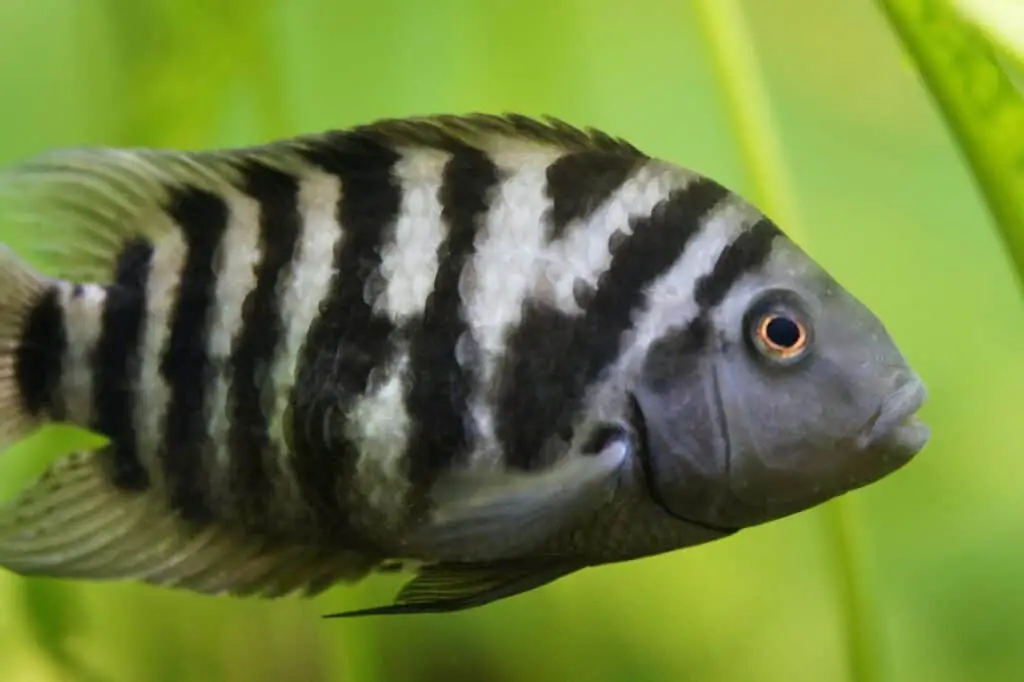
- Convict cichlid (Amatitlania nigrofasciata)
- Jaguar cichlid (Parachromis managuensis)
- Jewel cichlid (Hemichromis bimaculatus)
- Red devil cichlid (Amphilophus labiatus)
- Banded cichlid (Hypselecara temporalis)
- Texas Cichlid (Herichthys cyanoguttatus) – Also known as the “Sieve Cichlid” or the “Mini Dovii.”
Betta
The Betta, also called the Siamese fighting fish, is a fascinating species well-known for its aggressive nature, particularly during mating periods or when protecting its territory. This captivating fish displays remarkable behaviors when confronted with other male Bettas in their vicinity, showcasing a spectacular array of flaring fins and captivating color changes. These mesmerizing displays serve as a means of defending their territory and make them a stunning sight to behold.
- Family and Origination: Osphronemidae family, native to the Mekong basin of Laos, Cambodia, Vietnam, and Thailand.
- Diet: Carnivorous, prefers live or frozen food like brine shrimp, daphnia, or bloodworms.
- Ideal Water Temperature: 24-30°C (75-86°F).
- Adult Size: Up to 8 cm (3 inches) in length.
- Lifespan: Approximately 2-5 years.
- Minimum Tank Size: 19 liters (5 gallons).

Oscar
The Oscar, also known as the tiger Oscar, velvet cichlid, or marble cichlid, is another aggressive specimen renowned for its territorial nature. Oscars show heightened aggression when establishing dominion, during mating, or if they feel crowded. They rearrange tank décor to their liking, showing dominance and control.
- Family and Origination: Cichlidae family originating from South America.
- Diet: Omnivorous, enjoys live foods, vegetables, and commercial pellets.
- Ideal Water Temperature: 23-27°C (74-81°F).
- Adult Size: Up to 35 cm (14 inches) in length.
- Lifespan: Around 10-20 years with proper care.
- Minimum Tank Size: 208 liters (55 gallons) for one Oscar.
Tiger Barb
The Tiger Barb is often acknowledged for its striking resemblance to a tiger and for its aggressive nature. This species can exhibit a heightened level of aggression when it feels threatened or during feeding times, often nipping the fins of other fish. Its territorial behavior can also be triggered when kept in small numbers. Thus, keeping them in larger groups is recommended to dilute aggression.
- Family and Origination: Cyprinidae family, native to the Malay Peninsula, Sumatra, and Borneo.
- Diet: Omnivorous, enjoys a mixed diet including flake food, freeze-dried bloodworms, and brine shrimp.
- Ideal Water Temperature: 22-28°C (72-82°F)
- Adult Size: Up to 7cm (2.8 inches) in length.
- Lifespan: Approximately 5-10 years.
- Minimum Tank Size: 76 liters (20 gallons) for a school of 5.
Flowerhorn
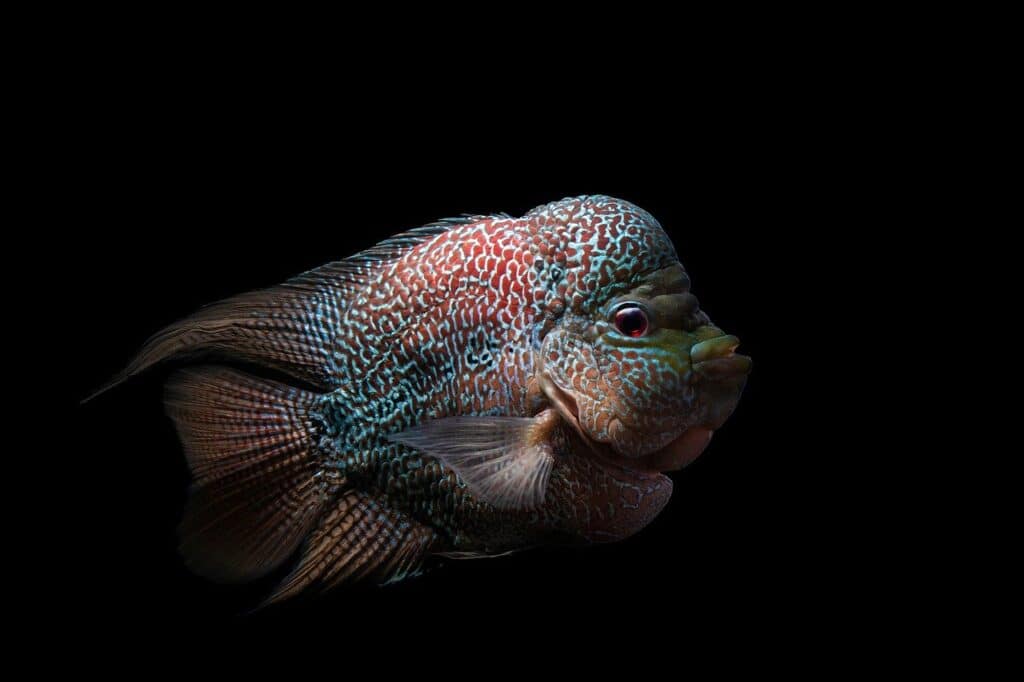
The Flowerhorn is a beautiful yet aggressive hybrid cichlid known for its distinctively shaped head. This ornamental fish can display heightened aggression during courtship and when protecting its territory, often ramming or biting intruders. Ensuring optimal tank size is key in controlling their aggressive tendencies.
- Family and Origination: Hybrid cichlids, resulting from crossbreeding various South American Cichlids.
- Diet: Omnivorous, enjoys pellet-based food, vegetables, and live food such as shrimp.
- Ideal Water Temperature: 25 to 29°C (77 to 84°F).
- Adult Size: Up to 40 cm (16 inches) in length.
- Lifespan: Approximately 10-12 years.
- Minimum Tank Size: 208 liters (55 gallons) for one Flowerhorn.
Jack Dempsey
The Jack Dempsey is a force to be reckoned with in any aquarium due to its assertive nature. This American cichlid is particularly aggressive during breeding periods and when claiming territory. Intruders who dare to invade its space often receive a hostile reception, with snappy chases and fierce bites.
- Family and Origination: Cichlidae family, native to Central America.
- Diet: Omnivorous, prefers live food and plant matter.
- Ideal Water Temperature: 22-30°C (72-86°F).
- Adult Size: Up to 25 cm (10 inches) in length.
- Lifespan: Approximately 8-10 years.
- Minimum Tank Size: 190 liters (50 gallons) for one Jack Dempsey
Arowanas
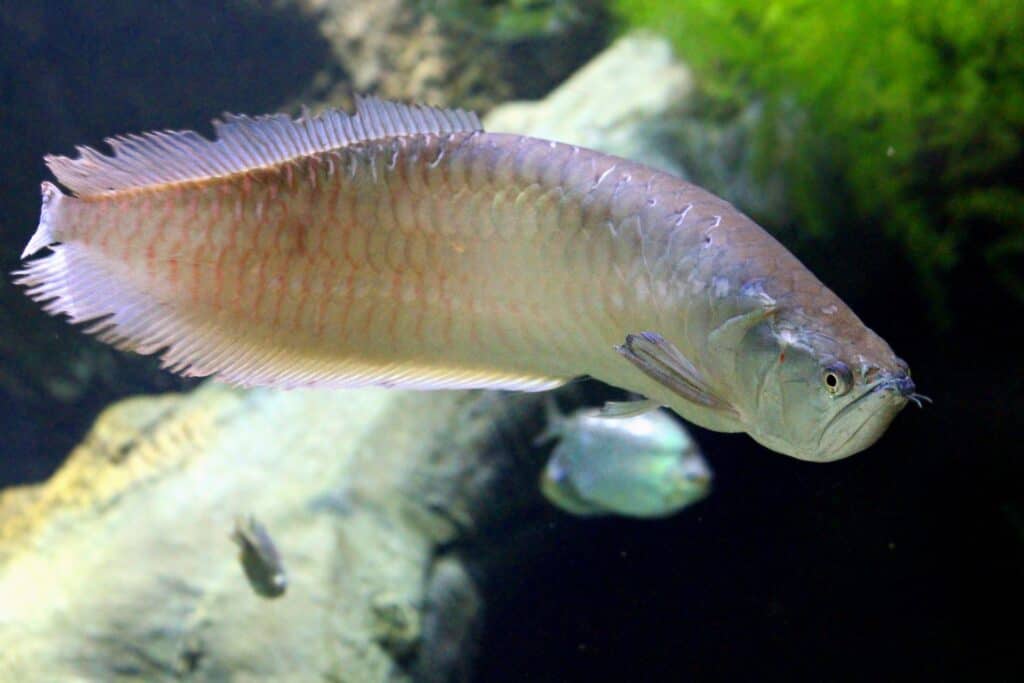
The Arowana, often called the “dragonfish,” is a top dweller known for its predatory and territorial nature. It tends to display aggression towards smaller fish, especially those sharing the same water level. Its aggression intensifies during feeding times and when claiming its territory.
- Family and Origination: Osteoglossidae family, various species originate from South America, Africa, Asia, and Australia.
- Diet: Carnivorous
- Ideal Water Temperature: 24-30°C (75-86°F).
- Adult Size: Up to 90 cm (35 inches) in length.
- Lifespan: Up to 20 years or more with proper care.
- Minimum Tank Size: 378 liters (100 gallons) for one Arowana, but larger tanks are strongly recommended.
Dwarf Pea Pufferfish
The Dwarf Pea Pufferfish is known for its aggressive temperament towards its own species and other fish with long fins. It’s most aggressive when sharing the aquarium with similar-sized fish or during feeding times, displaying territorial instincts. This tiny yet formidable fish can be a delightful yet challenging addition to any tank.
- Family and Origination: Tetraodontidae family, native to Southwest India.
- Diet: Carnivorous, prefers small crustaceans and molluscs.
- Ideal Water Temperature: 23-28°C (74-82°F).
- Adult Size: Up to 2.5 cm (1 inch) in length.
- Lifespan: Approximately 2-5 years.
- Minimum Tank Size: 38 liters (10 gallons) for one Dwarf Pea Pufferfish.
Green Terror
The Green Terror, an aptly-named species, is known for its high level of aggression, often directed towards smaller fish and similar species. Its aggression is particularly pronounced during feeding times and mating periods, making it one of the most challenging fish to keep.
- Family and Origination: Cichlidae family, native to South America.
- Diet: Omnivorous, enjoys a mixture of live food, pellets, and vegetables.
- Ideal Water Temperature: 20-24°C (69-75°F).
- Adult Size: Up to 30 cm (12 inches) in length.
- Lifespan: Approximately 7-10 years.
- Minimum Tank Size: 208 liters (55 gallons) for one Green Terror.
Red Tail Shark
The Red Tail Shark is a striking species known for its assertive nature. Its stark black body contrasted with a vivid red tail can turn any aquarium into a visual spectacle. However, its beauty comes with a temperamental personality. This fish is often most aggressive when establishing territorial boundaries and during feeding times. They display high aggression towards other bottom-dwelling fish, making tankmate selection a critical task.
- Family and Origination: Cyprinidae family, native to Thailand.
- Diet: Omnivorous, enjoys a variety of foods, including algae, small invertebrates, and plant matter.
- Ideal Water Temperature: 22-26°C (72-79°F).
- Adult Size: Up to 15 cm (6 inches) in length.
- Lifespan: Approximately 5-6 years.
- Minimum Tank Size: 114 liters (30 gallons) for one Red Tail Shark.
Giant Gourami
The Giant Gourami is a captivating species that, despite its gentle appearance, is known for its aggressive behavior. Its aggression is primarily ignited during breeding times and when defending its feeding territory from other fish. This large, often territorial fish can pose a challenge for aquarists.
- Family and Origination: Osphronemidae family, native to Southeast Asia.
- Diet: Omnivorous, enjoys plant matter and small aquatic animals.
- Ideal Water Temperature: 20–30° C (68–86° F).
- Adult Size: Up to 70 cm (28 inches) in length.
- Lifespan: Approximately 15-20 years.
- Minimum Tank Size: 570 liters (150 gallons) for one Giant Gourami.
Ghost Knife Fish
The Ghost Knife Fish is a nocturnal species renowned for its territorial aggression, mainly exhibited during feeding times and when defending its living quarters. This unusual-looking fish can become highly aggressive if the tank is cramped or overpopulated, making spacious accommodation essential.
- Family and Origination: Apteronotidae family, native to South America.
- Diet: Carnivorous, prefers small fish and crustaceans.
- Ideal Water Temperature: 24-28°C (75-82°F).
- Adult Size: Up to 50 cm (20 inches) in length.
- Lifespan: Approximately 10-15 years.
- Minimum Tank Size: 200 liters (50 gallons) for one Ghost Knife Fish.
Wolf Cichlid
The Wolf Cichlid is notorious for its bold, assertive behavior. This fish species is particularly aggressive during feeding times when claiming territory or when interacting with similarly-sized or smaller fish. The triggers for aggression can vary, often associated with competition for resources or perceived threats to their safety.
- Family and Origination: Cichlidae family, native to Central America.
- Diet: Carnivorous, primarily feeds on fish and invertebrates.
- Ideal Water Temperature: 22-28°C (72-82°F).
- Adult Size: Up to 75 cm (30 inches) in length.
- Lifespan: Approximately 10-15 years.
- Minimum Tank Size: 681 liters (180 gallons) for one Wolf Cichlid.
Convict Cichlid
The Convict Cichlid is a feisty species infamous for its aggressive nature, particularly during breeding seasons. These are the periods when its territorial instincts are intensified, leading to heightened displays of aggression. Acquiring the right balance of space and tankmates is crucial to managing their aggressive tendencies.
- Family and Origination: Cichlidae family, native to Central America.
- Diet: Omnivorous, enjoys a mixed diet of fish pellets, vegetable matter, and small invertebrates.
- Ideal Water Temperature: 20-28°C (68-82°F).
- Adult Size: Up to 10 cm (4 inches) in length.
- Lifespan: Approximately 8-10 years.
- Minimum Tank Size: 76 liters (20 gallons) for one Convict Cichlid.
Jaguar Cichlid
The Jaguar Cichlid is a formidable species renowned for its intense aggression, particularly during breeding and feeding times. These periods trigger its territorial instincts, resulting in heightened aggressive behavior. Ensuring ample space and careful selection of tankmates can help manage their aggressive tendencies.
- Family and Origination: Cichlidae family, native to Central America.
- Diet: Carnivorous, prefers fish and crustaceans.
- Ideal Water Temperature: 23-28°C (74-79°F).
- Adult Size: Up to 35 cm (14 inches) in length.
- Lifespan: Approximately 10-15 years.
- Minimum Tank Size: 200 liters (50 gallons) for one Jaguar Cichlid.
Jewel Cichlid
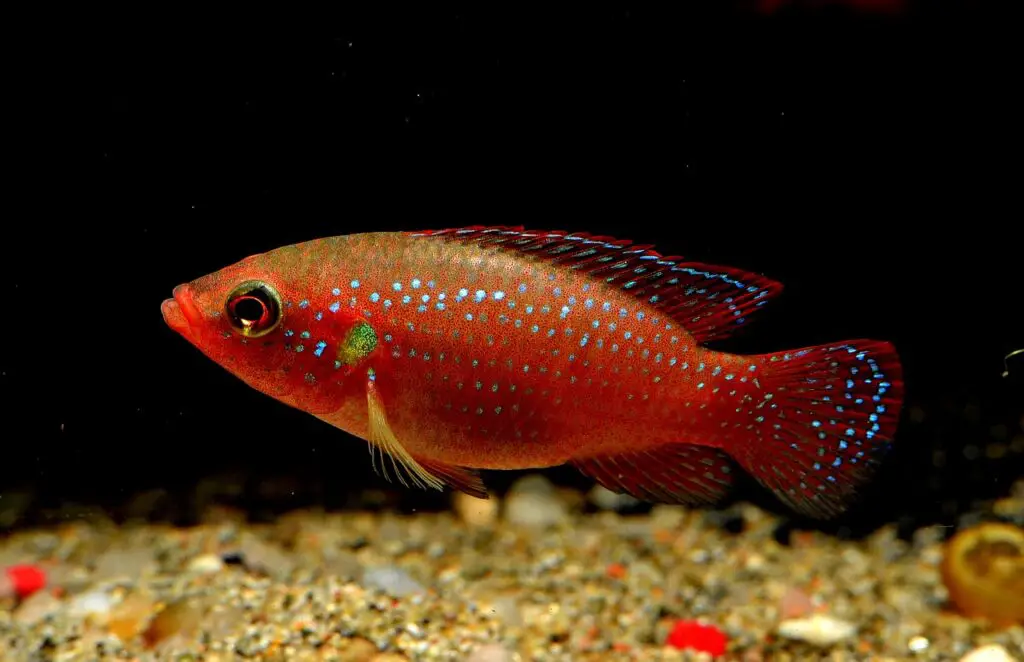
The Jewel Cichlid is a striking species famous for its bright, gem-like coloring. However, don’t be deceived by its beauty; this fish is known for its pronounced aggression, especially during breeding seasons and feeding periods. The triggers for their aggressive behavior can be closely linked to their territorial instincts and the defense of their food sources.
- Family and Origination: The Cichlidae family originates from West Africa.
- Diet: Omnivorous, consumes both plant matter and small aquatic creatures.
- Ideal Water Temperature: 22-27°C (74-80°F).
- Adult Size: Up to 15 cm (6 inches) in length.
- Lifespan: Approximately 5-10 years.
- Minimum Tank Size: 114 liters (30 gallons) for one Jewel Cichlid.
Red Devil Cichlid
The Red Devil Cichlid is a robust and belligerent species recognized for its fiery temperament, particularly during feeding times and breeding seasons. Its territorial instincts trigger this aggression, necessitating adequate spacing and carefully chosen tank mates to keep their hostility in check.
- Family and Origination: The Cichlidae family originates from Central America.
- Diet: Omnivorous, eats a diet of fish pellets, vegetables, and small invertebrates.
- Ideal Water Temperature: 21-26°C (70-79°F).
- Adult Size: Up to 38 cm (15 inches) in length.
- Lifespan: Approximately 10-12 years.
- Minimum Tank Size: 208 liters (55 gallons) for one Red Devil Cichlid.
Banded Cichlid
The Banded Cichlid is a striking species, well-known for its aggressive temperament. Its confrontational behavior is particularly evident during feeding times and breeding seasons, with territorial dominance being a strong trigger for its aggression.
- Family and Origination: Cichlidae family originates from South America.
- Diet: Omnivorous, consuming small fish, vegetables, and invertebrates.
- Ideal Water Temperature: 22-28°C (72-82°F).
- Adult Size: Up to 35 cm (14 inches) in length.
- Lifespan: Approximately 7-10 years.
- Minimum Tank Size: 150 liters (40 gallons) for one Banded Cichlid.
Texas Cichlid (Sieve Cichlid, the Mini Dovii)
The Texas Cichlid, also known as the Mini Dovii or Sieve Cichlid, is a forceful species renowned for its potent aggression. This species exhibits most of its hostile conduct during feeding times and breeding seasons, with competition for resources and territorial defense serving as significant triggers for aggression.
- Family and Origination: Cichlidae family originates from the southern United States and northern Mexico.
- Diet: Omnivorous, consuming a varied diet of plants, small fish, and invertebrates.
- Ideal Water Temperature: 20-28°C (68-82°F).
- Adult Size: Up to 30 cm (12 inches) in length.
- Lifespan: Approximately 10-13 years.
- Minimum Tank Size: 200 liters (53 gallons) for one Texas Cichlid.
What causes tropical fish to become aggressive
Tropical fish exhibit aggressive behavior primarily due to resource competition, territorial disputes, and breeding rights. Limited space can exacerbate these issues, causing stress and increased hostility among the fish. Feeding times and breeding seasons often trigger aggression, with fish defending their food or offspring. Similarly, introducing new fish to an established group can disrupt the balance and incite conflict. Therefore, it’s crucial to manage these factors effectively, with ample tank space, a balanced diet, and careful selection and introduction of new fish, to maintain a harmonious aquatic environment.
How to reduce aggression in tropical fish tanks
Establish a clear pecking order among tank inhabitants to address aggression in tropical fish tanks. Carefully select compatible fish species and provide an appropriate tank size. Larger tanks offer more space for fish to establish territories, reducing aggression.
Proper fish species compatibility is crucial for a peaceful tank. Choose fish with similar temperaments and requirements to minimize conflicts.
Adding hiding spots like caves, plants, or structures reduces territorial behavior.
Maintain water quality to prevent aggression. Regular water changes, proper filtration, and monitoring of parameters are essential.
Use feeding strategies to reduce aggression. Provide adequate food and spread it out in multiple locations.
Watch for signs of aggression. If persistent, consider separating or rehoming fish to maintain harmony in the tank.
In the world of tropical fish, a hierarchy of aggression prevails. These tank tyrants showcase nature’s raw strength from the Betta to the Oscar. By understanding their needs and creating harmony, we can transform fierce warriors into peaceful companions, achieving balance in the aquatic environment.
Frequently Asked Questions
Can Aggressive Tropical Fish Be Kept in a Community Tank With Other Peaceful Fish?
- It can be done, but careful consideration must be given to compatibility.
Are There Any Specific Tank Requirements for Aggressive Tropical Fish?
- There are specific tank requirements for aggressive tropical fish, including considering tank size, feeding habits, breeding challenges, territorial behavior, and stress reduction techniques.
What Are Some Warning Signs of Aggression in Tropical Fish?
- Some warning signs of aggression in tropical fish include fin-nipping, chasing, and territorial behavior. To prevent aggression, provide ample hiding places and space for each fish.