Tropical fish are a great choice for aquariums, as they come in a wide range of vibrant colors and patterns. They can add life and color to any tank, making it a beautiful addition to any home.
But what exactly are tropical fish? In simple terms, they are fish that are found in tropical regions and require warm water to survive. However, there is much more to these aquatic creatures than just their habitat and temperature needs.
In this article, we will delve deeper into the world of tropical fish and discover what makes them unique.
What are tropical fish?
Tropical fish are a diverse group of aquatic organisms commonly kept as pets in home aquariums. Known for their variety of shapes, sizes, and colors, they are popular among aquarium enthusiasts. These fish are native to tropical regions around the world, including the coral reefs of the Caribbean, the Amazon rainforest, and the rivers of Southeast Asia.
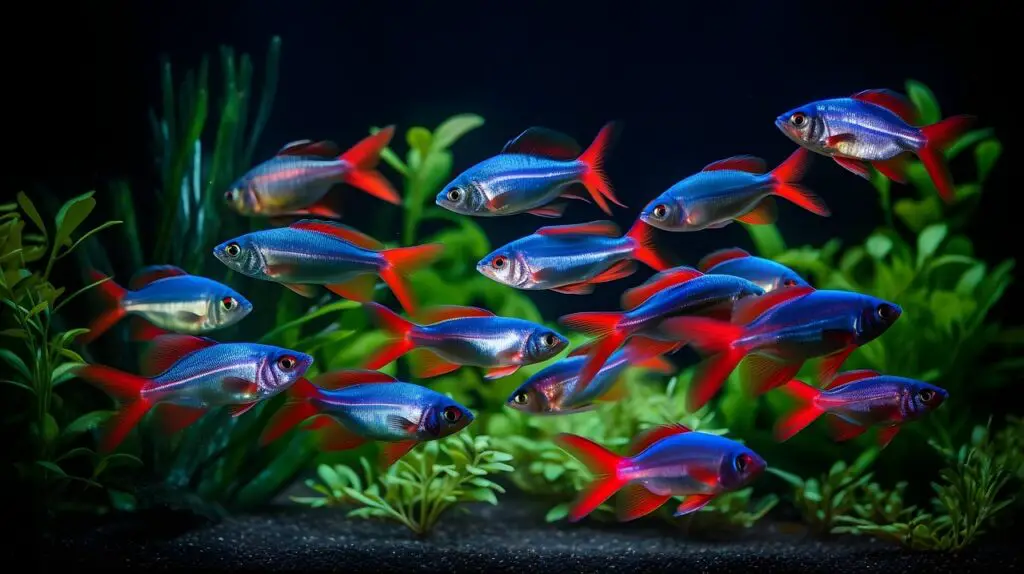
One characteristic that sets tropical fish apart is their adaptability to diverse water conditions. Their specific needs make them relatively easy to care for. It is important to provide them with the right water temperature, pH level, and water quality to ensure their health and well-being.
Tropical fish are known for their vibrant colors and intricate patterns. Some species, like the Betta fish and the Discus fish, are prized for their striking beauty and are often considered the jewels of the aquarium hobby. Others, such as the Guppy and the Neon Tetra, are known for their small size and playful nature.
Tropical fish also provide a number of benefits to their owners. Research has shown that watching fish swim reduces stress and promotes relaxation. Furthermore, taking care of these beautiful creatures can be a fulfilling and rewarding experience, fostering a sense of responsibility and compassion.
Characteristics of Tropical Fish
As an aquarium enthusiast, I find it fascinating to explore the unique characteristics of tropical fish. These vibrant pets possess a variety of traits that make them truly captivating. Let’s delve into their distinct features:
- Vibrant Coloration: Tropical fish are renowned for their bright and striking colors. These colors serve various purposes, including attracting mates, warning predators, and blending into their natural habitats.
- Varied Species: The term “tropical fish” encompasses a wide range of species that originate from tropical and subtropical regions around the world. Some popular tropical fish species include guppies, angelfish, neon tetras, and discus fish, among many others.
- Diverse Body Shapes: Tropical fish come in various body shapes, from slender and elongated to compact and disk-shaped. These shapes often reflect their specific ecological niches and behaviors.
- Compatibility: Tropical fish are generally bred and kept in aquariums because they are compatible with each other and can coexist in the same tank when chosen carefully. However, not all tropical fish species are compatible, so it’s important to research their compatibility and requirements before setting up an aquarium.
- Omnivorous Diet: Most tropical fish are omnivores, eating both plants and small aquatic organisms like insects, crustaceans, and smaller fish. Their dietary needs can vary between species.
- Social Behavior: Much tropical fish are social animals that thrive in groups or schools. Keeping them in appropriate numbers can help reduce stress and improve their overall well-being.
- Temperature Sensitivity: Tropical fish are highly sensitive to water temperature, which should be maintained within a specific range to ensure their health and comfort. For freshwater tropical fish, this range is typically between 75°F and 82°F (24°C to 28°C).
- pH and Water Quality: Maintaining proper water quality, including pH levels, is crucial for the health of tropical fish. Different species may have specific pH and water hardness preferences, so it’s essential to research the requirements of the species you intend to keep.
- Breeding: Many tropical fish species are known for their intricate courtship behaviors and breeding habits. Some species are relatively easy to breed in captivity, while others require more specialized care.
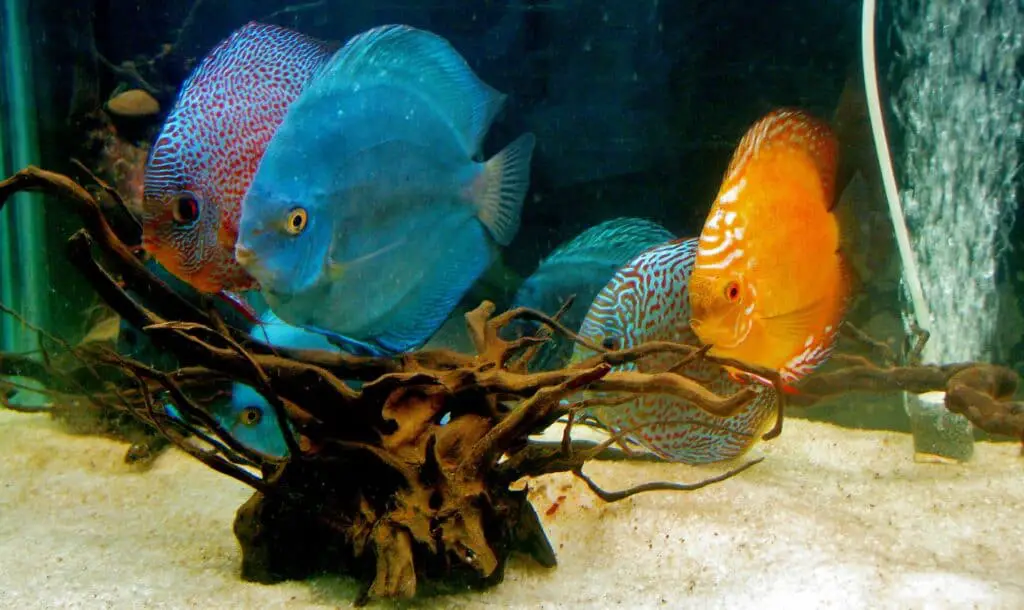
Understanding the characteristics of tropical fish not only enhances our appreciation for their beauty but also enables us to provide them with the care and environment they need to thrive.
Tropical fish vs. Saltwater fish
Moving on to the comparison between tropical fish and saltwater fish, I have noticed some key differences that set these two types of fish apart. While both types of fish can be found in beautiful colors and patterns, their natural habitats and specific requirements vary significantly.
Tropical fish are commonly found in freshwater environments such as rivers, lakes, and streams. They thrive in temperatures between 75 to 80 degrees Fahrenheit and prefer a pH level of 6.5 to 7.5. These fish are generally more adaptable to changes in water conditions and are easier to care for compared to saltwater fish.
On the other hand, saltwater fish require a highly specialized marine environment. They are typically found in oceans, coral reefs, and saltwater aquariums. These fish require a stable temperature between 78 to 82 degrees Fahrenheit and a pH level of 8.1 to 8.4. Maintaining proper salinity levels and water quality is crucial for their survival. S
In terms of compatibility, tropical fish are generally more social and can be kept in community tanks with other compatible species. Saltwater fish, on the other hand, are often territorial and may exhibit aggressive behavior towards other fish. It is important to carefully select compatible species and provide enough space for each fish to establish its territory.
Setting Up a Tropical Aquarium
Now that we have established what tropical fish are let’s dive into the process of setting up a tropical aquarium. Creating a suitable environment for tropical fish requires careful consideration and attention to detail. Here are some key steps to follow:
Research the fish: Before setting up your aquarium, it is crucial to research the specific needs and requirements of the tropical fish species you intend to keep. Different fish have varying temperature, pH, and water quality preferences. You can create a suitable fish habitat by understanding these requirements.
Select the right equipment: To ensure the well-being of your tropical fish, you will need to invest in the right equipment. This includes an appropriately sized tank, a filtration system to maintain water quality, a heater to regulate temperature, and a lighting system to mimic natural daylight. Choosing high-quality equipment will contribute to the long-term health and happiness of your fish.
Cycle the aquarium: Before introducing fish to the aquarium, it is essential to establish a stable and balanced environment. This process, known as cycling the tank, involves allowing beneficial bacteria to grow and establish in the aquarium. This bacteria helps break down waste and maintain water quality. Cycling can take several weeks, so patience is key.
In conclusion, tropical fish are a fascinating and diverse group of aquatic organisms that thrive in warm freshwater environments. Their vibrant colors, unique patterns, and intricate behaviors make them highly sought-after pets for aquarium enthusiasts. However, it is important to note the contrasting nature of tropical fish and saltwater fish, as the former requires specific conditions to thrive.
Frequently Asked Questions
What Are Some Common Diseases That Tropical Fish Are Prone To?
- Some common diseases that tropical fish are prone to include ich, fin rot, and velvet disease. These conditions can be caused by poor water quality, stress, or the introduction of new fish.
How Often Should I Feed Tropical Fish?
- I feed my tropical fish once a day, taking care to provide a balanced diet. Overfeeding can lead to health issues, so it’s crucial to monitor their appetite.
Can Different Species of Tropical Fish Be Kept Together in the Same Aquarium?
- Yes, different species of tropical fish can be kept together in the same aquarium. However, it is important to consider their compatibility, size, and behavior to ensure a harmonious and healthy environment for all the fish.
What Is the Lifespan of a Tropical Fish?
- The lifespan of a tropical fish varies depending on the species. Water quality, diet, and genetics all play a role in how long they live. It is important to provide proper care to ensure their well-being and maximize their lifespan.
Are There Any Specific Water Parameters That Need to Be Maintained in a Tropical Aquarium?
- Maintaining specific water parameters is crucial in a tropical aquarium. pH levels between 6.5-7.5, temperature around 76-82°F, and ammonia and nitrite levels close to zero ensure a healthy environment for these vibrant creatures.