When it comes to keeping tropical fish, their diet plays a vital and influential role in their overall health, well-being, and vibrant colors. As responsible owners, it is our utmost duty to ensure that we provide them with the precise and balanced nutrition they need for optimal growth, robust immune system, and development of their unique characteristics. In this post, I’ll share how I carefully selected a variety of high-quality foods that mimic their natural diet to contribute to the longevity and happiness of my fish.
What do tropical fish eat?
Tropical fish eat a variety of foods, including live prey, algae, and commercial fish flakes. Their diet is dependent on their species, size, and habitat. In the wild, tropical fish feed on small insects, crustaceans, and other small aquatic organisms. They are opportunistic feeders, meaning they will consume any available food source. Some species, like the angelfish, prefer a diet high in algae and plant matter. Others, like the betta fish, are carnivorous and require a diet rich in protein. In captivity, tropical fish are commonly fed commercial fish flakes. These flakes are formulated to provide a balanced diet with essential nutrients, vitamins, and minerals. It is important to provide a varied diet to ensure the health and well-being of tropical fish.

Choosing the Right Food
When it comes to choosing the right food for tropical fish, there are two main options: dried fish foods and live fish foods. Dried fish foods, such as flakes or pellets, are convenient and can provide a balanced diet for most tropical fish species. On the other hand, live fish foods, such as brine shrimp or bloodworms, offer a more natural and protein-rich diet. It is important to consider the specific dietary needs of your tropical fish species and provide a varied diet to ensure their optimal health and well-being.
Dried Fish Foods
When it comes to choosing the right dried fish food for tropical fish, there are several options available. Each type has its own benefits and considerations, such as nutritional content, behavior, and water quality. Understanding these factors is crucial in providing a balanced and suitable diet for tropical fish.
- Flakes
- Crisps
- Pellets
- Freeze-dried fish food
Live Fish Foods:
When it comes to choosing the right live fish food for tropical fish, there are several options to consider. Baby brine shrimp are rich in nutrients and can be easily hatched at home, while microworms provide a small, easily digestible food source for fry. Bloodworms and tubifex worms are both high in protein and are a great option for larger tropical fish. Considering the specific nutritional needs of your fish will help you make the best choice for their diet.
- Baby Brine Shrimp
- Microworms
- Bloodworms
- Tubifex Worms
- Live Fish Fry
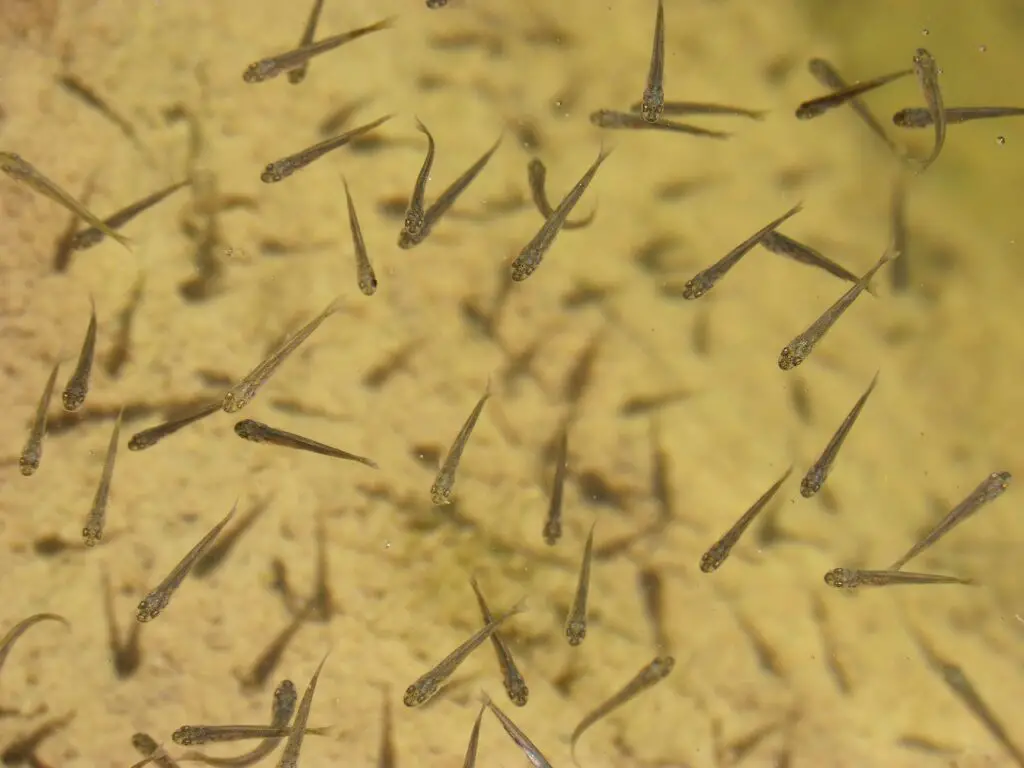
Different Types of Fish Diets: Herbivorous, Carnivorous, and Omnivorous
Tropical fish can be divided into three main groups based on their diet: herbivores, carnivores, and omnivores. Understanding the dietary requirements of your fish is essential in providing them with a suitable and nutritious diet.
Foods to Feed Herbivorous Pet Fish
When feeding herbivore pet fish, it is important to provide a variety of nutrient-rich foods. Herbivorous fish have a unique dietary requirement as they primarily consume plant matter. Here are three essential foods to consider when feeding herbivore pet fish:
- Algae: Algae is a crucial component of herbivorous fish diets. It is rich in essential nutrients such as vitamins, minerals, and fiber. Algae can be provided in various forms, including dried sheets, pellets, or flakes.
- Vegetables: Fresh vegetables like spinach, lettuce, and zucchini are excellent sources of nutrients for herbivorous fish. These can be blanched or finely chopped before offering them to your fish.
- Seaweed: Seaweeds such as nori and kelp are highly beneficial for herbivorous fish. This type of food contains high levels of vitamins, minerals, and trace elements that aid in maintaining optimal health.
Foods to Feed Carnivorous Pet Fish
Carnivorous fish have specific dietary requirements to meet their nutritional needs. They rely heavily on a diet consisting primarily of meat-based foods. These foods provide essential proteins and fats that are crucial for their growth, development, and overall health. Carnivorous fish have a shorter digestive tract than herbivorous or omnivorous fish, allowing for efficient absorption of nutrients from high-protein sources. Common foods I’ve fed my carnivorous fish include live or frozen prey such as brine shrimp, bloodworms, daphnia, and small insects. Additionally, commercially available fish pellets or flakes formulated specifically for carnivorous species can also be provided. It is important to ensure that the diet of carnivorous pet fish is varied and nutritionally balanced to promote optimal health and vitality.
Foods to Feed Omnivorous Pet Fish
I typically provide a variety of food options to meet the dietary needs of my omnivore pet fish. Omnivorous fish have a flexible diet, consuming both plant matter and animal protein. To ensure a balanced diet for my fish, I offer the following food options:
- Pellets: High-quality pellets formulated specifically for omnivorous fish provide a well-rounded nutritional profile. These pellets often contain a mix of plant-based ingredients and animal proteins.
- Frozen Foods: Frozen foods like Bloodworms, brine shrimp, and daphnia are excellent sources of animal protein. These foods can be thawed and fed to my omnivorous fish, providing them with essential nutrients.
- Vegetables: Leafy greens, like spinach and lettuce, can be blanched and offered to my fish as a source of plant matter. Vegetables provide essential vitamins and minerals, adding diversity to their diet.
Foods to Avoid Feeding Pet Fish
There are some foods that tropical fish should not be fed as it can be harmful to their health despite the wide variety of foods that they can consume. Some common examples include:
- Processed Human Food: Foods high in salt, sugar, and preservatives should not be given to pet fish as it will cause digestive issues and health problems.
- Spoiled or Moldy Food: Spoiled or moldy food can contain harmful bacteria and even toxins that can cause illness in fish. It is important to discard any uneaten food after a few minutes to prevent bacterial growth.
- Wild-Caught Insects or Plants: Insects or plants collected from the wild may contain pesticides, parasites, or other contaminants that can be harmful to pet fish. It is best to avoid feeding them these types of foods.
Providing a well-balanced and varied diet is essential for the health of tropical fish. By understanding the dietary requirements of your fish and providing a mix of high-quality foods, including dried, live, and fresh options, will ensure that your fish thrive in their environment. It is also important to avoid feeding them certain foods that can be dangerous to their health. With proper diet and nutrition, your tropical fish will live a long and healthy life in your aquarium.
Frequently Asked Questions
How Often Should I Feed My Tropical Fish?
- Feeding frequency for tropical fish depends on their species, size, and activity level. It is important to provide a balanced diet avoiding overfeeding. Monitoring their feeding behavior and adjusting accordingly ensures optimal health and growth.
Can Tropical Fish Eat Human Food?
- No, tropical fish cannot eat human food. Their dietary needs are specific and require a balanced mix of proteins, vitamins, and minerals found in specialized fish food. Feeding them human food can lead to nutritional deficiencies and health issues.
Do All Tropical Fish Require the Same Diet?
- Yes, all tropical fish do not require the same diet. Different species have different dietary needs. For example, some may need more protein, while others require more plant-based food.
Are There Any Specific Dietary Requirements for Breeding Tropical Fish?
- There are specific dietary requirements for breeding tropical fish. Proper nutrition is essential to support the reproductive processes and provide the necessary nutrients for egg production and fry development.
Can I Feed My Tropical Fish Solely on Live Food?–
- Yes, you can feed tropical fish solely live food. However, it’s important to note that a balanced diet is crucial for their overall health.