Stress in fish is a commonly overlooked and underestimated issue. Just like humans, fish can experience stress, and if left unaddressed, it can have severe consequences for their well-being. In order to ensure the optimal health of our fish, it is imperative that we understand the factors that can cause stress in them. In this article, we will delve into the signs and symptoms of stress in fish and provide valuable insights on how to effectively identify and manage this condition for their overall well-being and happiness.

How to tell if tropical fish are stressed?
One common way to determine if tropical fish are stressed is by observing changes in their behavior and physical appearance. I have noticed that when my fish are stressed, they exhibit abnormal behaviors such as increased aggression, erratic swimming patterns, or hiding. They may also show decreased appetite or lethargy. Physical signs of stress can include:
- Faded or dull coloration.
- Frayed or clamped fins.
- The presence of sores or lesions on their bodies.
Fish species and the type of stress they are experiencing can affect the signs they exhibit.
To accurately assess the stress levels of tropical fish, it is crucial to establish their normal behavior and appearance. This can be done by observing them when they are in a healthy and relaxed state. By doing so, any deviations from their baseline can be easily identified and attributed to stress.
Another method to determine fish stress is by monitoring water parameters. Water quality problems, such as high ammonia or nitrate levels, can cause stress and lead to adverse effects on fish health. Regular testing of water parameters, along with appropriate maintenance and filtration, can help prevent stress-related issues in tropical fish.
Factors that cause stress in fish:
Fish can be stressed by a variety of factors. One of the main factors is the presence of bullies in the aquarium. These aggressive fish can constantly harass and intimidate their tank mates, leading to chronic stress. Additionally, diseases and parasites can also cause stress in fish, as they weaken the immune system and disrupt the overall health of the fish. It is important to closely monitor the signs of fish stress, such as decreased appetite, lethargy, and abnormal behavior, to ensure the well-being of the fish in the aquarium.
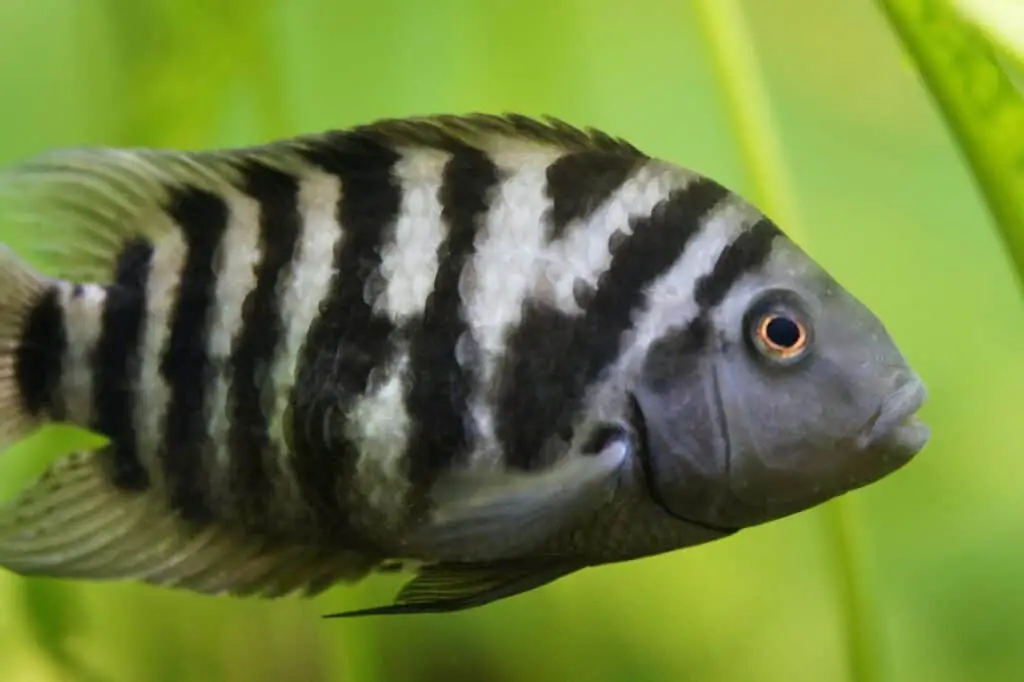
Bullies
In the world of fish, a common cause of stress is the presence of aggressive individuals, known as bullies. These bullies can create a hostile environment for other fish, leading to increased stress levels. The aggressive behavior of bullies can manifest in various ways, such as chasing, biting, or territorial aggression. This constant harassment and threat can disrupt the social dynamics within a fish community, causing significant stress and potential harm to the victimized fish. The stress response in fish includes physiological changes, such as increased heart rate, elevated cortisol levels, and suppressed immune function. Additionally, stressed fish may exhibit behavioral changes, such as reduced appetite, decreased activity levels, and increased hiding behavior. Identifying and addressing the presence of bullies is crucial in reducing stress and maintaining the overall well-being of fish in an aquarium or natural environment.
Diseases and/or Parasites
As we continue exploring the factors that cause stress in fish, it is important to discuss the role of diseases and parasites in contributing to their overall stress levels. Fish, like any living organism, are susceptible to various diseases and parasites that can significantly impact their well-being. These pathogens can weaken the fish’s immune system, making them more vulnerable to stress and other health issues. Common diseases in fish include bacterial infections, fungal infections, and viral diseases. Parasites such as protozoa, worms, and crustaceans can also cause severe stress in fish by damaging their organs, interfering with their feeding and reproductive behaviors, and reducing their overall fitness. Identifying and treating these diseases and parasites promptly is crucial in reducing stress and ensuring the well-being of our aquatic friends.
Signs of Fish Stress
I have observed several common signs and symptoms that indicate stress in my fish. These signs are important for fish owners to recognize so that appropriate actions can be taken to alleviate the stress and improve the overall health and well-being of the fish. The signs of fish stress include:
- Erratic swimming behavior: Fish may exhibit sudden changes in swimming patterns, such as darting or swimming in circles.
- Loss of appetite: Stressed fish often lose interest in food and may refuse to eat.
- Color change: Some fish may become pale or darken in color when stressed.
- Fins clamped or folded: Stressed fish may keep their fins tightly closed against their body.

Understanding Fish Sickness and Stress
My experience with fish has taught me that a few common signs and symptoms can help me understand the extent of fish sickness and stress. When it comes to fish sickness, one of the most obvious signs is a change in behavior. Sick fish may exhibit abnormal swimming patterns, such as swimming erratically or staying at the surface or bottom of the tank. They may also show a lack of appetite or reduced activity levels.
Another important indicator of fish sickness is physical appearance. Sick fish may display changes in coloration, such as a pale or dull appearance, or develop lesions, ulcers, or growths on their bodies. Additionally, they may experience changes in their fins, which can become frayed or torn.
Understanding fish stress is equally important. Stress in fish can be caused by factors such as poor water quality, overcrowding, or sudden changes in their environment. Common signs of stress include increased aggression, decreased appetite, and reduced growth rates. Fish may also exhibit signs of stress by rubbing against objects or surfaces in the tank, known as flashing, or gasping for air at the water’s surface.
“Destressing Fish”
To alleviate stress in fish, it is essential to create a peaceful and harmonious environment. Here are some effective strategies to destress fish:
- Provide proper water conditions: Maintaining optimal water quality is crucial for the well-being of fish. Regularly test the water parameters such as temperature, pH, ammonia, and nitrite levels. Ensure that the water is clean and free from pollutants.
- Provide hiding spots: Fish feel more secure when they have hiding places in their habitat. Adding plants, rocks, or caves can create hiding spots for fish to retreat to when they feel stressed or threatened.
- Maintain a consistent feeding schedule: Fish who are fed regularly experience less stress. Feed them at the same time every day, providing them with a balanced diet suitable for their species.
- Minimize disruptions: Avoid sudden changes in the environment, such as loud noises or bright lights. These disturbances can startle and stress fish. Keep the aquarium in a quiet area, away from high-traffic zones.
As fish owners, it is our responsibility to closely monitor and address the various factors that can cause stress in our aquatic friends. By understanding the signs of fish stress, identifying and addressing potential causes such as bullies, diseases, and parasites, and implementing effective destressing techniques, we can ensure the well-being of our fish. After all, a happy and stress-free fish is a healthy and thriving fish.
Frequently Asked Questions
What Are Some Common Signs of Stress in Tropical Fish?
- Some common signs of stress in tropical fish are aggression, lack of appetite, physical symptoms like rapid breathing or fin rot, and changes in appearance, like faded colors or excessive mucus production.
How Can I Prevent Stress in My Fish Tank?
- To prevent stress in my fish tank, I ensure proper water quality, maintain a stable environment, and provide appropriate nutrition. Regular monitoring, regular tank cleanings, and adding hiding spots also help create a stress-free habitat for my fish.
Can Fish Get Sick From Being Stressed?
- Yes, fish can get sick from being stressed. They become more susceptible to diseases and infections when their immune system is weakened by stress. It is important to create a stress-free environment for their well-being.
Are Certain Fish Species More Prone to Stress Than Others?
- Certain fish species may be more prone to stress than others. Factors such as habitat conditions, social interactions, and genetic predispositions can influence stress levels. Understanding these species-specific differences is crucial for their well-being and management.
Is There a Way to Help Fish Recover From Stress More Quickly?
- Yes, there are ways to help fish recover from stress more quickly. Providing a calm and clean environment, proper nutrition, and reducing any potential stressors can aid in their recovery process.