Have you ever found yourself in a situation where you run out of fish food and can’t make it to the store right away? It can be stressful, especially if you have a tank full of hungry fish waiting to be fed. Don’t worry. We’ve got you covered! In this post, we’ll explore some alternative options for feeding your fish when you run out of their usual food.
What can you feed tropical fish besides fish food?
When you run out of fish food, there are several alternatives that you can feed your tropical fish. It’s important to remember that tropical fish have specific dietary needs, so it’s essential to provide them with nutritious options. You can offer them vegetables like blanched peas or zucchini. These vegetables provide vital nutrients and can be a great addition to their diet. Additionally, you can consider making homemade fish food using ingredients. Just be sure to do proper research and follow a recipe to ensure you’re meeting their nutritional requirements. Remember, providing a balanced diet is crucial for the well-being of your tropical fish.
What to Feed a Carnivorous Fish When Out Of Fish Food?
If you have carnivorous fish, they need a protein-rich diet. The following options can be fed to carnivorous fish when you run out of their regular food:
- Beef heart: Feeding a carnivorous fish, such as a Betta or an Arowana, can be done by utilizing beef heart as a substitute for fish food. Beef heart is a highly nutritious option that provides essential proteins and amino acids necessary for the growth and development of carnivorous fish.
- Tilapia: To continue meeting the dietary needs of carnivorous fish, another alternative to consider is feeding them tilapia, a nutrient-rich fish that can provide essential proteins and minerals.
- Shrimp: One popular option for feeding a carnivorous fish is to offer them a few pieces of shrimp, which can provide essential nutrients for their diet.
What to Feed a Herbivorous Fish When Out Of Fish Food?
When it comes to feeding herbivorous fish, there are several nutritious options to consider, such as:
- Lettuce: A herbivorous fish can be fed lettuce as an alternative when running out of fish food. Lettuce is a nutritious and easily available option that can keep your fish healthy and satisfied.
- Sprouts: Continuing with the discussion on alternatives for feeding herbivorous fish, let’s now explore the option of sprouts. Sprouts are a nutritious and easily digestible food source for herbivorous fish.
- Cucumber: Another option for feeding herbivorous fish is offering them some cucumber slices. Cucumber is a nutrient-rich vegetable that can be a great addition to their diet.
- Peas: One popular option to consider when feeding herbivorous fish is peas. Peas are a good source of fiber, aiding in digestion and preventing constipation.
What to Feed an Omnivorous Fish When Out Of Fish Food?
Feeding omnivorous fish when you’re out of commercial fish food can be done with a variety of readily available home-based alternatives. Here are some options I’ve used in the past for homemade fish food for my omnivorous fish:
Vegetable-Based Options:
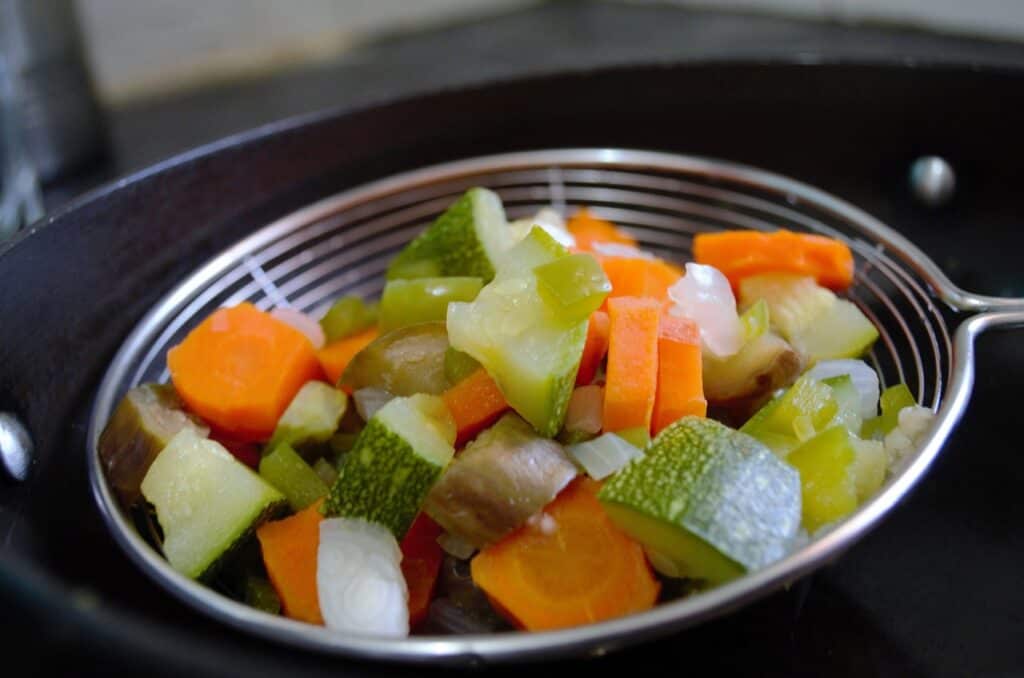
- Blanched Vegetables: Many omnivorous fish will readily accept blanched vegetables like spinach, zucchini, peas, and lettuce. These should be chopped into small, bite-sized pieces and boiled briefly to soften them.
- Algae and Seaweed Sheets: If you have access to aquarium-safe algae or seaweed sheets, these can be attached to a rock or weighted down for fish to graze on.
Protein Sources:
- Frozen or Live Foods: If you have access to frozen or live foods like brine shrimp, daphnia, or bloodworms, these can serve as excellent sources of protein.
- Insects: Small insects like fruit flies, mealworms, or even ants (if collected from an uncontaminated source) can be offered as occasional treats.
Homemade Fish Mash:
- You can create a simple fish mash by blending together ingredients like fish fillets (cooked and deboned), shrimp, peas, and a small amount of garlic (for flavor and to stimulate appetite). Form this mixture into small pellets or cubes and freeze them for future use.
Hard-Boiled Eggs:
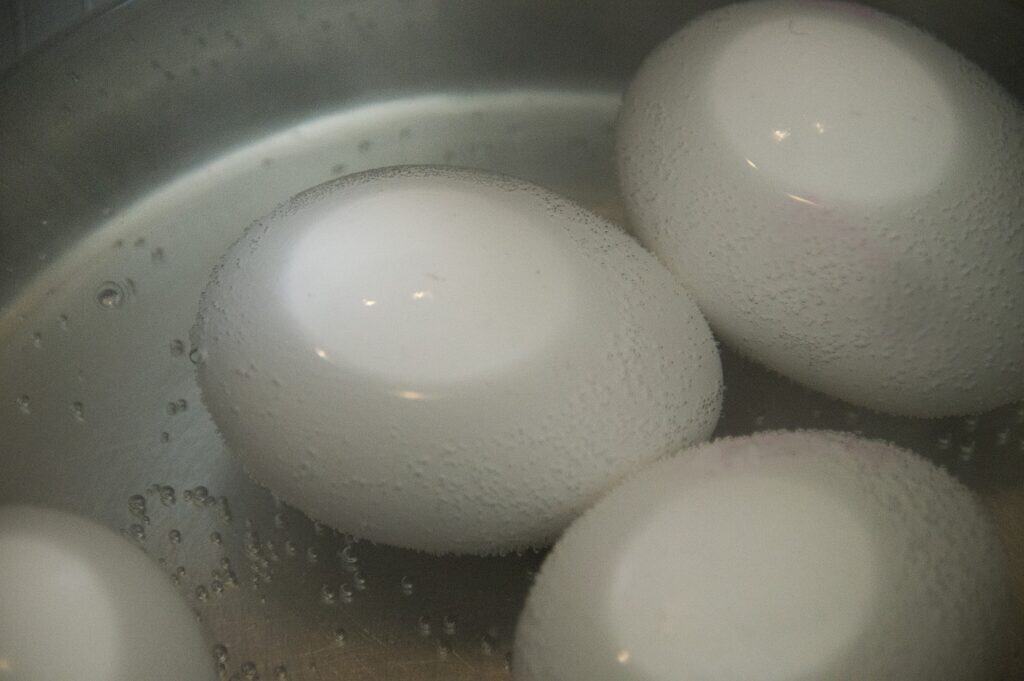
- Crushed hard-boiled eggs (without the shell) can be a protein-rich option for omnivorous fish. Be sure to get rid any uneaten pieces to prevent water quality issues.
What Fruits Can Fish Eat?
Continuing the discussion on feeding an omnivorous fish, a variety of fruits can be added in their diet. Fruits are not only a tasty treat for fish, but they also provide essential nutrients and vitamins. Here are three fruits that are safe and beneficial for fish to eat:
- Bananas: Rich in potassium as well as fiber, bananas are a great choice for fish. They are easy to digest and can help promote healthy digestion in your aquatic friends.
- Apples: Another nutritious option for fish is apples. They contain important vitamins and minerals, such as vitamin C and potassium, that can help boost their immune system.
- Blueberries: These small, nutrient-rich berries are an excellent source of antioxidants. They can help protect fish cells from damage and improve overall health.
Can Fish Eat Rice?
While it is true that fish can consume rice on occasion, it is important to note that rice lacks significant nutritional value for them. Moreover, the starch content in rice poses challenges for fish digestion. Continuously feeding rice to fish can result in bloating and other digestive issues, which can ultimately lead to serious consequences for their well-being. Therefore, it is highly recommended to provide fish with a balanced diet that meets their specific nutritional requirements, ensuring their optimal health and vitality.
Even though rice may not affect your fish immediately, it may have a long term effect.
Can fish eat bread?
I can provide some information about whether fish can eat bread. While bread might seem like a convenient option when you run out of fish food, it is not the best choice for your aquatic friends. Here are three reasons why:
1. Lack of Nutrients: Bread lacks the essential nutrients that fish need to stay healthy. It is primarily made of carbohydrates, with minimal protein and fat content. Fish require a balanced diet to thrive, and bread alone cannot provide that.
2. Digestive Issues: Fish have a different digestive system than humans. Bread can be difficult for them to digest properly, leading to bloating and other digestive problems. This can ultimately harm their overall well-being.
3. Water Pollution: Bread can easily disintegrate in water, leading to water pollution. The leftover bread can release excess nutrients into the water, which can disrupt the delicate balance of the aquatic ecosystem.
What to NOT Feed Your Fish
When it comes to feeding fish, it is essential to understand what foods are not appropriate for their diet. Here are some items that should never be fed to fish:
- Processed Foods: Processed human foods, such as chips and cookies, contain high levels of salt and fat that can harm fish health.
- Sweet Products: Foods with added sugars, such as candy and chocolate, should be avoided. They can cause digestive issues and pollute the water.
- Citrus Fruits: Citrus fruits are acidic and can harm the delicate pH balance of an aquarium.
- Milk and Dairy Products: Fish cannot digest dairy products, leading to bloating and other health problems.
- Spicy or Seasoned Foods: Spices and seasonings can be harmful to fish, causing irritation in their delicate digestive systems.
As you can see, there are plenty of options for homemade fish food for omnivorous fish. It is essential to provide a balanced diet that meets their specific nutritional needs and avoids foods that can harm their health or the aquatic environment. Remember, when in doubt about what to feed your fish, always consult with a veterinarian or do thorough research to ensure you are providing the best care.
Frequently Asked Questions
Can I give my tropical fish live or frozen foods?
- Absolutely! Live or frozen foods like brine shrimp, bloodworms, daphnia, and mosquito larvae can be excellent sources of nutrition for many tropical fish. They mimic natural prey items and can enhance the diet of carnivorous species.
Are there any risks associated with feeding live foods?
- While live foods can be nutritious, there’s a slight risk of introducing parasites or diseases to your tank. To minimize this risk, purchase live foods from reputable sources and rinse them thoroughly before feeding.
Can tropical fish eat protein-rich foods like insects?
- Yes, some tropical fish, especially larger carnivorous species, can benefit from the occasional addition of protein-rich foods like insects (e.g., crickets) and small crustaceans (e.g., shrimp). Ensure that these foods are appropriately sized for your fish.
How often should I offer non-fish food items to my tropical fish?
- The frequency of offering non-fish foods should only be for when u have no other options or if you run out of fish food.