Pregnancy in tropical fish can be a very exciting event for any aquarium owner. But unlike humans, it can be quite difficult to detect whether a fish is pregnant or not. However, there are certain signs that you can look out for in order to determine if your tropical fish is pregnant.
How to tell if a tropical fish is pregnant?
Pregnant fish often have a rounder belly due to the growing eggs or fry inside. Another sign is a darkened or gravid spot near the ventral area. This spot is an indication that the fish is ready to release eggs. I’ve noticed my pregnant fish exhibit changes in behaviour, such as increased aggression or territoriality. It’s important to note that not all fish species show external signs of pregnancy, so monitoring their behaviour and observing any changes is crucial.
Understanding Fish Reproduction
Understanding the reproduction of tropical aquarium fish is essential for aquarists who want to breed their fish or just ensure their well-being. While the breeding specifics vary among species, there are some general principles that apply to many tropical fish. Here’s a basic overview:
Sexual Dimorphism: In many different species, males and females have distinct appearances. This can involve colour, size, fin shape, or body markings. Knowing these differences can help you identify and separate males from females if you wish to control breeding.
Mating Behavior: As with other animals, many fish have specific mating rituals. This could involve dancing, flaring, or specific swimming patterns. Observing these behaviours can be a hint that your fish are ready to breed.
Spawning Sites: Egg Layers: Some fish lay eggs on surfaces like plants, rocks, or aquarium glass. Others may scatter eggs in the open water, while some bury them in the substrate.
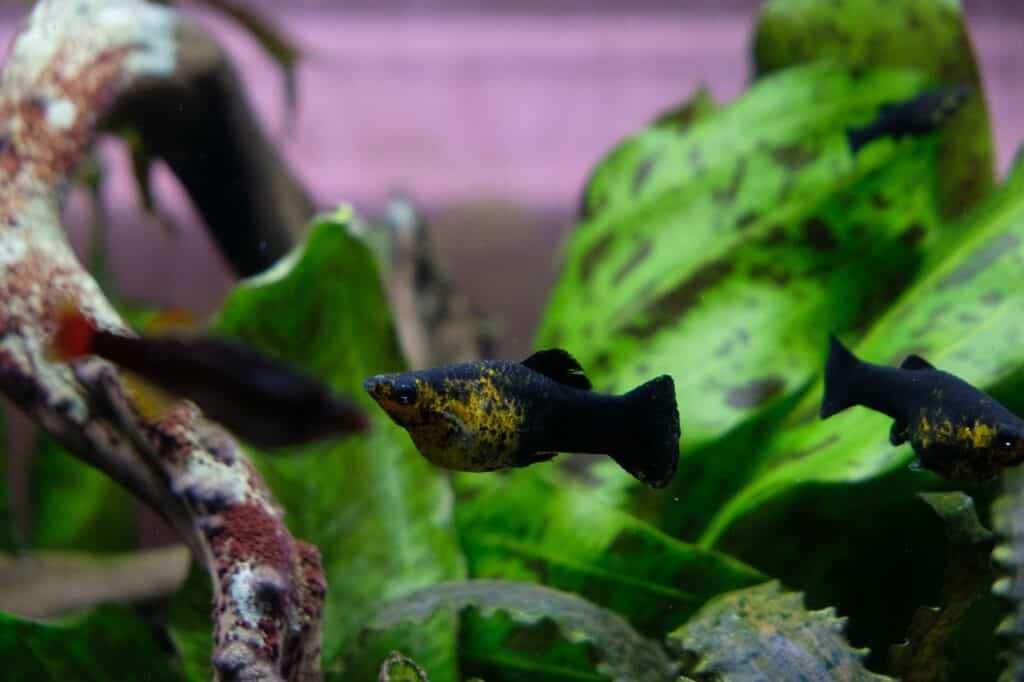
- Livebearers: Fish like guppies, mollies, and swordtails give birth to live young. The female holds the eggs internally until they hatch.
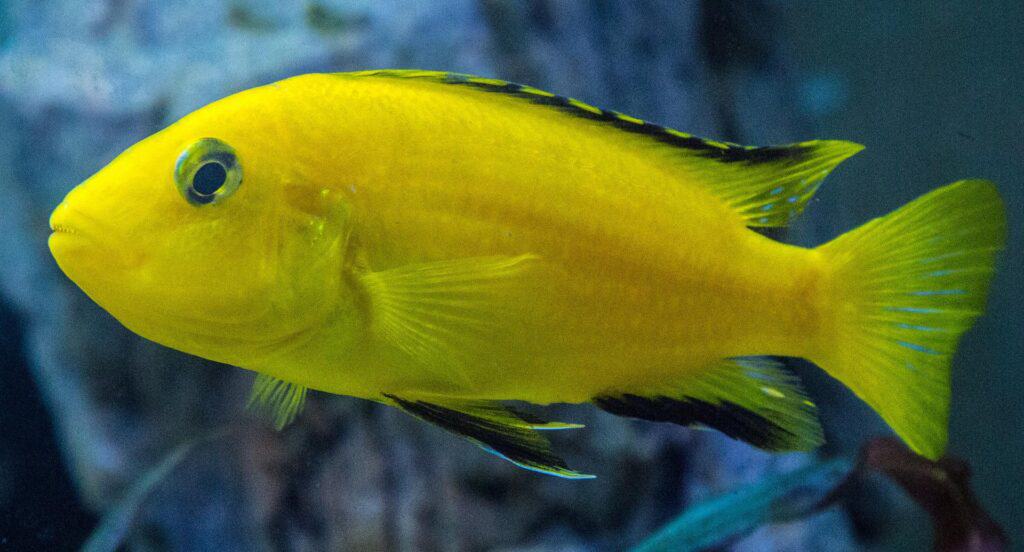
- Egg Care: Mouthbrooders: Species like some cichlids keep the eggs in their mouths to protect them.
Nest Builders: Some fish, like certain gouramis and bettas, create bubble nests at the water surface where they keep their eggs.
No care: Other species may scatter their eggs and provide no further care. In these cases, the eggs or fry often need to be separated from adult fish to prevent them from being eaten.
Differences between Livebearers and Egg-layers
The first and most obvious difference between the 2 is that livebearers give birth to live young, while egg-layers deposit their eggs for fertilization. Livebearers, such as guppies and mollies, undergo fish pregnancy. The female livebearer carries the fertilized eggs inside her body until they are fully developed. During this period, the female’s abdomen becomes noticeably larger, and she may exhibit certain behavioural changes. On the other hand, egg-laying fish, like tetras and cichlids, do not experience fish pregnancy. Instead, the female releases her eggs into the water, where they are fertilized by the male. These eggs are then left to hatch and develop independently. It is important to note that not all fish pregnancies are easily identifiable. Therefore, it is crucial to observe specific behaviours and physical changes in order to determine if a fish is pregnant or not.
Physical Signs of Pregnancy in Livebearers (Viviparous Fish) and Egg Layers (Oviparous Fish)?
Livebearers (Viviparous Fish):
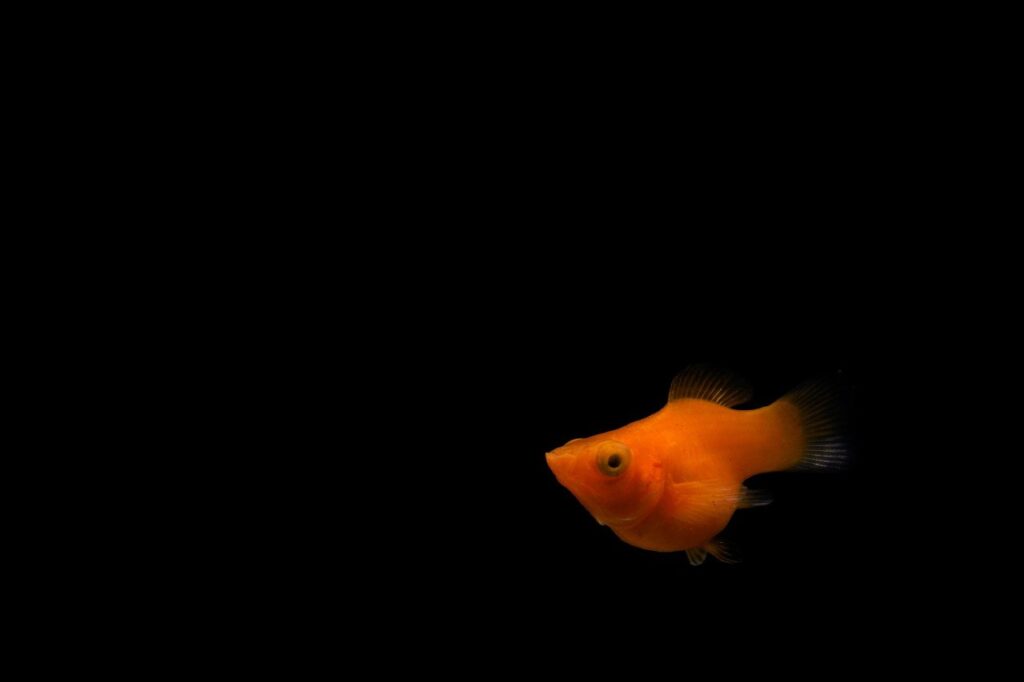
- Swollen Belly- Pregnant livebearers will have a swollen and rounded belly due to the growing eggs inside. The abdomen may also appear larger and harder than usual.
- Gravid Spot- This is a darkened spot near the ventral area of the fish, which signifies that it is ready to release eggs.
- Behavioural Changes- Pregnant livebearers may become more aggressive or territorial, especially towards male fish.
- Loss of Appetite- Some pregnant livebearers may experience a decrease in appetite, while others may continue to eat normally.
Egg-layers (Oviparous Fish):
- Enlarged Abdomen- Like livebearers, egg-laying fish may have an enlarged abdomen due to the growing eggs inside their body.
- Changes in Colouration- Pregnant egg-layers may exhibit changes in colouration, such as a darker or more vibrant colour.
- Increased Aggression- Some egg-laying fish, like bettas, may become more aggressive during pregnancy.
- Physical Changes in the Ventral Area- Some egg-laying fish may have a more pronounced ventral area, with visible tubes or papillae where eggs are released.
What to do if your tropical fish is pregnant?
When a tropical fish is pregnant, it is important to provide a separate breeding tank for her to ensure the safety and well-being of both the mother and her fry. This is because pregnant fish require a calm and stress-free environment to give birth and protect their young. In the breeding tank, you can control the water conditions and temperature and provide hiding places for the fry to hide from potential predators.
It is also crucial to feed the pregnant fish a nutritious diet to support the growth and development of the fry. Additionally, regular monitoring of the pregnant fish is necessary to ensure that she is healthy and not showing any signs of distress. By providing a separate breeding tank, you are giving the pregnant fish the best chance of successfully reproducing and raising healthy offspring.
After Your Fish Gives Birth: What’s Next?
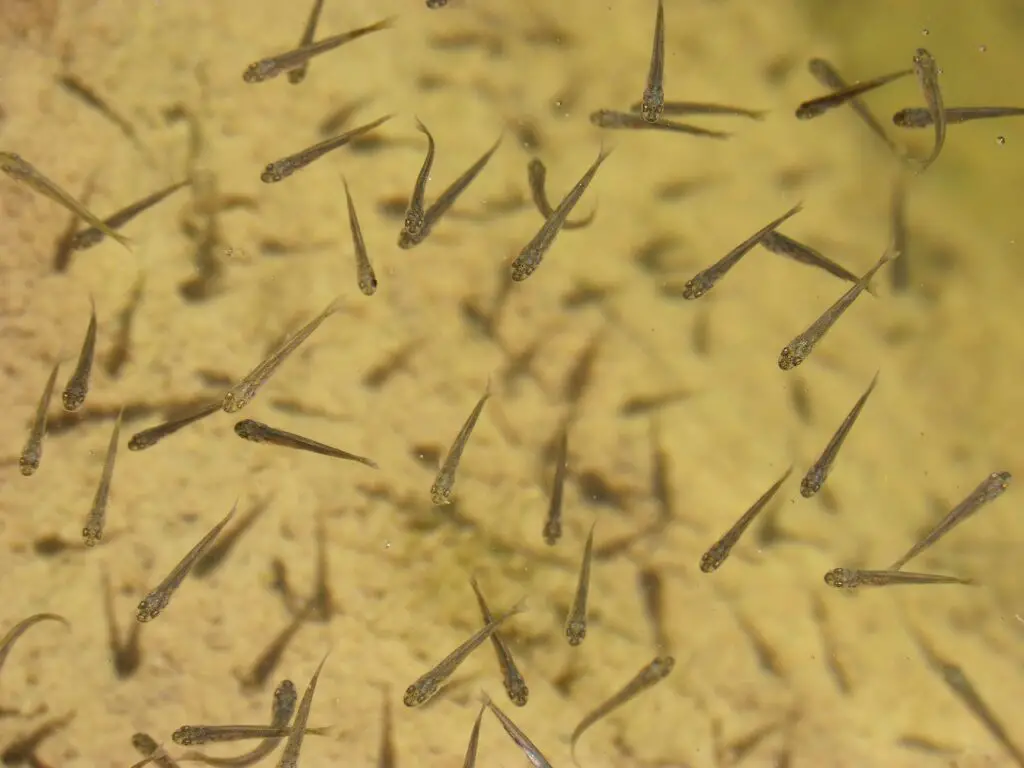
Once your fish gives birth, the fry will require special care and attention. It is important to remove the mother from the breeding tank to prevent her from eating her young. The fry should be fed a diet specifically designed for their size and age, as well as kept in an appropriate environment that promotes healthy growth. As they grow, you may need to transfer them to a larger tank. It is also crucial to regularly clean the tank and monitor the water conditions to ensure the health of your fry.
By understanding the reproductive processes of livebearers and egg layers, fish enthusiasts can accurately determine if their fish is expecting. It is essential to provide appropriate care and a suitable environment for pregnant fish to ensure the healthy development of their offspring. Remember, knowledge and observation are key when it comes to the exciting journey of fish reproduction.
Frequently Asked Questions
What Are the Different Types of Livebearers and Egg Layers Commonly Found in Tropical Fish?
- Livebearers: Guppies, Mollies, Platies, Swordtails
- Egg-layers: Bettas, Tetras, Cichlids, Gouramis
Can You Tell If a Fish is Pregnant Just by Looking at It?
- In some cases, yes. Certain physical changes in pregnant fish can be easily identified. However, not all fish pregnancies are easily identifiable, and it is important to observe behaviour changes and physical signs in order to determine if a fish is pregnant or not.
Do All Fish Species Give Birth to Live Young?
- No, not all fish species give birth to live young. Some species release eggs that later hatch into fry, while others may practice a combination of both methods.
When do tropical fish eggs hatch?
- The time it takes for tropical fish eggs to hatch varies depending on the species. Generally, it can take anywhere from 1 day to a few weeks for the eggs to hatch. Some species, like bettas, may also have a longer gestation period before the eggs are released and hatch.
How Long Does It Typically Take for a Pregnant Tropical Fish to Give Birth?
- For common live-bearing tropical fish, the gestation period typically ranges from 28 to 40 days, depending on the species and aquarium conditions. Always refer to species-specific information for more accurate timelines.