Are you considering introducing tropical fish and turtles into the same aquatic environment? If so, you may be wondering whether these two species can coexist peacefully. The answer is not a simple yes or no, as several factors come into play when determining the compatibility of these two aquatic creatures.
Can Tropical Fish and Turtles Live Together?
From my experience, tropical fish and turtles can coexist peacefully in the same tank. However, it is important to consider a few factors before introducing them to each other. Firstly, it is crucial to ensure that the tank is large enough to accommodate both species comfortably. Tropical fish require ample swimming space, while turtles need enough room to swim and bask. Additionally, the water temperature and filtration system should be suitable for both species. I always provide hiding spots and plants for the fish, as turtles can sometimes become territorial. By carefully considering these factors, it is possible to create a harmonious and balanced environment for both tropical fish and turtles to coexist happily.
What Tropical Fish Species Are Suitable for Turtle Tank
When considering the compatibility of tropical fish and turtles in the same aquarium, it is important to explore which specific tropical fish species are suitable for turtle tanks. When selecting tropical fish for a turtle tank, there are several factors to consider. Firstly, it is crucial to choose fish species that can withstand the conditions in a turtle tank, including the water temperature and quality. Turtles typically require warmer water, so selecting tropical fish that prefer similar temperatures is ideal. Some suitable options include:
- Guppies (Poecilia reticulata)
- Mollies (Poecilia spp.)
- Swordtails (Xiphophorus spp.)
- Platies (Xiphophorus maculatus)
- Endler’s Livebearers (Poecilia wingei)
- Rosy Barb (Puntius conchonius)
- White Cloud Mountain Minnow (Tanichthys albonubes)
- Danios (Danio spp.)
- Tetras (Various species, like Neon Tetras, Cardinal Tetras, or Ember Tetras)
- Corydoras Catfish (Corydoras spp.)
- Bristlenose Plecos (Ancistrus spp.)
- Glass Catfish (Kryptopterus vitreolus)
- Rosy Red Minnows (Pimephales promelas)
- Celestial Pearl Danio (Danio margaritatus)
What Turtle Species Are Compatible with Tropical Fish?
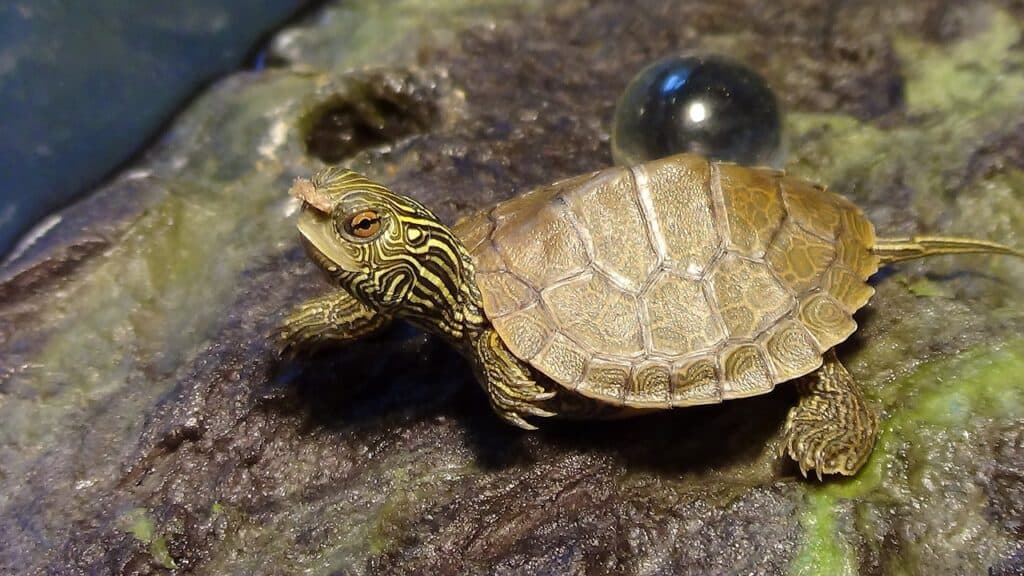
When selecting a turtle species to coexist with tropical fish, it is essential to consider their size and temperament. Smaller turtles, like red-eared sliders or mud turtles, are often more compatible with tropical fish due to their smaller size compared to other species of larger turtle breeds.
- Red-eared Slider (Trachemys scripta elegans): these turtles have a relatively calm temperament and are compatible with a variety of fish species.
- Painted Turtle (Chrysemys picta): which is known for its peaceful nature and ability to coexist with fish.
- The Musk Turtle (Sternotherus odoratus): is another compatible species, as it is small in size and tends to focus on a diet of insects and plants rather than fish.
What Are The Requirements and Challenges Of Having Tropical Fish and Turtles in the Same Tank
Maintaining a harmonious coexistence between tropical fish and turtles in the same tank requires careful attention to their specific requirements and potential challenges. To ensure the well-being of both species, here are some important considerations:
- Tank size: Turtles generally require larger tanks than fish due to their size and need for swimming space. A spacious tank will also reduce the likelihood of territorial disputes.
- Water quality: Both tropical fish and turtles are sensitive to water quality, but their requirements differ. Turtles produce waste that can quickly deteriorate water conditions, so regular filtration and water changes are crucial. Additionally, turtles need a basking area with dry land to regulate their body temperature.
- Diet: Fish and turtles have different dietary needs. Turtles are omnivorous, requiring a diet that includes both animal protein and vegetation. Fish, on the other hand, are primarily carnivorous. Providing a balanced diet for both species is essential.
- Compatibility: Not all fish species are suitable tankmates for turtles. Turtles may view smaller fish as potential prey, leading to stress or injury. It is important to research and select fish species that are compatible with the specific turtle species in the tank.

Behavioral Interactions and Potential Conflicts
To ensure the successful coexistence of tropical fish and turtles, it is important to address their behavioral interactions and potential conflicts. Understanding how these animals interact with each other can help prevent any negative outcomes and promote a harmonious tank environment.
Tropical fish and turtles both exhibit specific behaviors that may influence their interactions. Fish, for example, are known for their schooling behavior, where they swim together in groups. Turtles, on the other hand, are solitary creatures that prefer to have their own space. This fundamental difference in behavior can potentially lead to conflicts in the tank, as fish may feel crowded or stressed when turtles encroach on their territory.
Another potential conflict arises from the feeding habits of these animals. Tropical fish are primarily omnivorous, feeding on both plant matter and small invertebrates. Turtles, however, are primarily herbivorous, preferring a diet of aquatic plants. This divergence in dietary preferences can create competition for food resources, especially if the tank is not adequately stocked with suitable food sources for both species.
To mitigate these potential conflicts, it is important to provide ample hiding places and separate feeding areas within the tank. This allows fish and turtles to have their own space and reduces the likelihood of territorial disputes. Additionally, ensuring a diverse diet that caters to the specific nutritional needs of both fish and turtles can help alleviate any competition for food resources.
Habitat Design for a Harmonious Coexistence Between Tropical Fish and Turtles
Addressing the behavioral interactions and potential conflicts between tropical fish and turtles, habitat design plays a crucial role in promoting harmonious coexistence. To ensure the well-being of both species, the following factors should be considered in designing their shared habitat:
- Size and layout: Providing ample space and appropriate hiding spots for both turtles and fish is essential. Turtles require areas to bask and rest, while fish need areas to swim freely. A well-designed habitat should accommodate these different needs.
- Water quality: Maintaining optimal water conditions is vital for the health of both turtles and fish. Proper filtration systems and regular water testing can help ensure that water quality remains within acceptable parameters.
- Temperature and lighting: Turtles and tropical fish have different temperature and lighting requirements. Designing a habitat that allows for the creation of different microclimates can help meet the specific needs of each species.
- Compatibility of species: Careful consideration should be given to the selection of fish species that are compatible with turtles. Certain fish may be more prone to nipping at the turtles’ fins or becoming aggressive towards them. Researching the compatibility of species can help prevent potential conflicts.
In conclusion, it is possible for tropical fish and turtles to coexist in the same tank, but careful consideration must be given to the specific species involved. Some tropical fish species are suitable for turtle tanks, while certain turtle species can be compatible with tropical fish. However, the requirements and challenges of maintaining both fish and turtles in the same tank should not be overlooked. By creating a suitable habitat design and monitoring behavioral interactions, a harmonious coexistence can be achieved.
Frequently Asked Questions
Can Tropical Fish and Turtles Live Together in a Freshwater Tank?
- Yes, tropical fish and turtles can live together in a freshwater tank. They can coexist peacefully as long as their environmental needs are met, such as appropriate water temperature, filtration, and enough space for both species to thrive. It is important to research and carefully select compatible species before adding them to the tank.
Do Turtles Eat Tropical Fish?
- Some turtle species are known to occasionally eat small fish, but this behavior can be prevented by providing a varied and balanced diet for the turtles. Additionally, selecting suitable tankmates that are not viewed as potential prey can also help prevent any conflicts.
What Should I Do if My Turtle Is Harassing My Tropical Fish?
- If your turtle is showing aggressive behavior towards the tropical fish, it is important to evaluate their environment and address any potential conflicts. Providing hiding spots and separate feeding areas for both species can help reduce stress and aggression. If the problem persists, it may be necessary to separate the animals into different.
Can I Keep Multiple Turtles and Tropical Fish Together in the Same Tank?
- It is possible to keep multiple turtles and tropical fish together in the same tank as long as their needs are met, and they are compatible species. However, it is important to consider the size of the tank and ensure that there is enough space for all animals to coexist peacefully.