I’ve often heard the saying, “No pain, no gain,” and wondered if it holds true for keeping tropical fish. Many people are drawn to tropical fish because of their stunning colours and unique behaviours. But there’s no denying that keeping them can be a demanding yet fruitful hobby. From Setting up the tank to maintaining water quality and ensuring the right diet for your fish it requires time, effort and knowledge. Read on as I walk you through the basic requirements, provide care tips, and recommend beginner-friendly and more experienced tropical fish species.
Are Tropical Fish Hard to Keep?
Maintaining tropical fish is a “Hard task” but rather challenging/demanding. The complexity depends on the species and the environment you wish to create. Key factors include:
- Ensuring a suitable tank setup with appropriate decorations and plants.
- Maintaining optimal water quality.
- Regularly testing for chemical balances like ammonia and pH levels.
Tropical fish also require consistent water temperatures, which means investing in a reliable heater. While some basic setups can be relatively straightforward, maintaining a diverse or specialized aquarium demands more attention to detail and knowledge. Proper research and dedication are essential to ensure the well-being of the fish.
What are the basic considerations for keeping tropical fish?
When I started my journey of keeping tropical fish, I knew that I needed to ensure that I had the proper equipment and a suitable tank in order to keep tropical fish. Maintaining a tropical aquarium requires careful consideration of each species’ needs. Here are four key factors to keep in mind:
- Temperature control: Tropical species thrive in warm water, typically between 75-80°F. A reliable heater is essential to maintain a stable temperature.
- Water quality: Regular water testing and proper filtration are crucial to maintain optimal water conditions. Tropical fish are sensitive to ammonia, nitrite, and nitrate levels.
- Tank size: Different species have varying space requirements. Providing enough space for fish to swim and establish territories is important. Research the adult size of each species and choose an appropriately sized tank.
- Compatibility: Not all tropical fish can coexist peacefully. Consider the temperament and social behaviour of different species to avoid aggression and stress. Having the wrong fish in a community tank can make caring for your fish extremely difficult.
How to care for your tropical fish?
Once you have set up your tank, keeping your tropical fish healthy requires attention to detail. Here are some tips to help you care for your fish:
- Feed them a balanced diet: Research and understand the dietary needs of each species. Malnutrition can be caused by underfeeding while overfeeding can cause poor water quality.
- Monitor water parameters: Regularly test water quality and take necessary measures to maintain optimal levels. Monitor temperature, pH, and ammonia levels weekly.
- Keep up with tank maintenance: Perform regular water changes and clean the tank as needed. To prevent the growth of bacteria in the tank, remove any uneaten food or debris.
- Observe their behaviour: Pay attention to any unusual behaviour or changes in appearance. These could be signs of illness or stress, and immediate action should be taken.
Tips to make it easier when keeping tropical fish:
There are a few tips I’ve gathered over the years that may help a newbie get started with their tropical fish-keeping journey.
- Start small: If you are a beginner, it’s best to start with a smaller tank and fewer fish. This will allow you to get a better understanding of the needs and behaviours of tropical fish before moving on to larger setups. Don’t just dive into the deep end with a massive tank and the most exotic tropical fish. Take baby steps.
- Do your research: Proper research is crucial for success in keeping tropical fish. Make sure you understand the specific requirements and compatibility of different species before adding them to your tank.
- Consult a professional: If you’re unsure about any aspect of caring for tropical fish, consult a professional or experienced tropical fish hobbyist. Their advice and guidance can be valuable to your fish’s health.
- Join a community: Being part of an online or local community of tropical fish enthusiasts is a great way to learn from other’s experiences and get support and advice when needed.

Now let’s take a look at maintenance and upkeep tips that will keep your tropical fish happy and healthy:
- Cleaning: Keeping my tropical fish tank clean is a challenging but rewarding task. It requires careful attention to detail and a commitment to maintaining a healthy and thriving environment for my fish. Always turn off electrical equipment first. Use an algae scraper for walls and a gravel vacuum to clean the substrate. Change about 20% of the tank’s water weekly, ensuring the new water is conditioned and matches the tank’s temperature. Avoid using soap or detergents; opt for fish-safe cleaners.
- Filtration: I always ensure that my filtration system is working efficiently, but it can be challenging to keep up with the maintenance. A well-functioning filtration system is crucial for maintaining a healthy aquatic environment for tropical fish. Mechanical, biological, and chemical filtration are all types of filtration. They remove waste, excess nutrients, and harmful substances. Regular cleaning and media replacement are necessary. Follow the manufacturer’s instructions for routine maintenance.
- Heater: To maintain optimal water temperature, it’s crucial to regularly monitor the functionality of the heater in a tropical fish tank. The heater plays a vital role in creating a comfortable environment for fish, as they are sensitive to temperature changes and are unable to regulate their body temperature without a heater. The average temperature for tropical fish is between 75-80°F.
- Feeding: I find feeding my tropical fish is both a necessary and enjoyable task in maintaining their health and happiness. It is crucial to provide a well-balanced diet that meets their nutritional requirements. Most tropical fish are omnivorous, meaning they consume both plant and animal matter. Live foods or frozen foods such as brine shrimp, daphnia, or bloodworms should be incorporated into their diet, along with high-quality commercial fish food. It is important to feed them tiny amounts multiple times a day, as their stomachs are small and they have a fast metabolism. Make sure to avoid overfeeding, as it leads to poor water quality and health issues.
5 Tropical fish that are good for beginners
Betta fish was one the very first fish I had when I first discovered my interest in tropical fish. I remember speaking to my local fish shop and asking them for a low-maintenance fish, and below is a list of fish he suggested I start with:
- Guppies (Poecilia reticulata): Hardy and colourful guppies are livebearers that come in a variety of patterns and tail shapes. They’re peaceful and do well in community tanks.
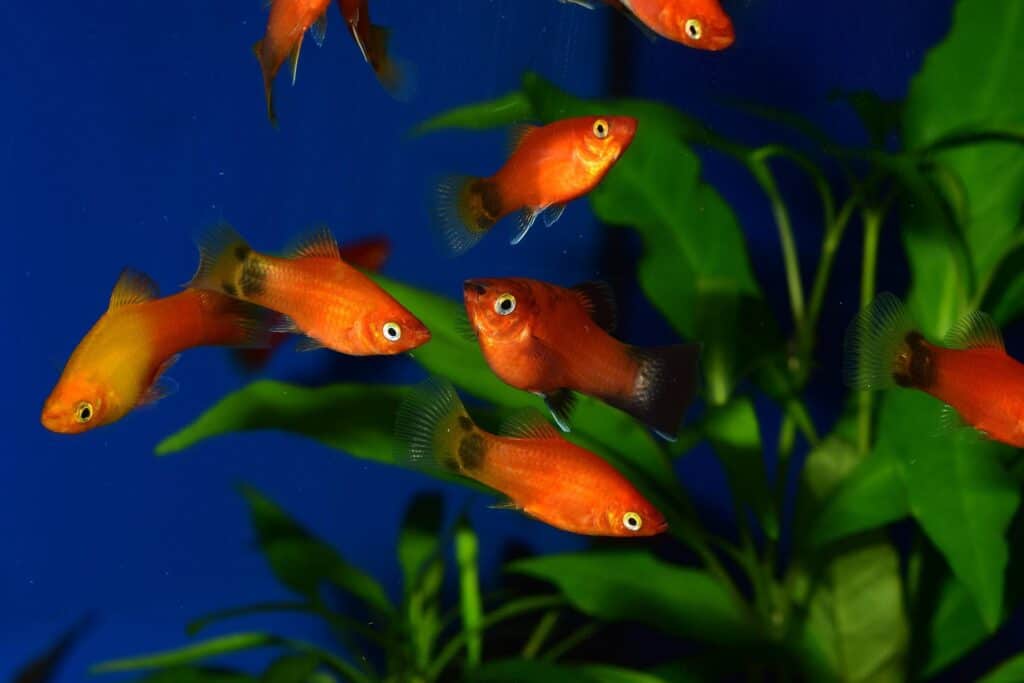
- Platies (Xiphophorus maculatus): Like guppies, platies are livebearers and are available in various colours. They’re sturdy and can adapt to various water conditions.
- Betta Fish (Betta splendens): Although often kept in small containers, bettas thrive in larger tanks with stable water conditions. They’re relatively hardy but are best kept singly due to their aggressive nature toward other bettas.
- Neon Tetras (Paracheirodon innesi): These small, vibrant fish are schooling fish, so it’s advisable to keep them in groups. They’re peaceful and add a dash of colour to any aquarium.
- Rasboras (Trigonostigma heteromorpha): These peaceful fish come in a variety of colours and do well in larger groups. They’re great for planted tanks and are easy to care for.
5 tropical fish for the more experienced:
Once you have mastered the basics of tropical fish care, you may be ready to venture into more challenging and exotic species. Here are five tropical fish that require a bit more experience to keep:
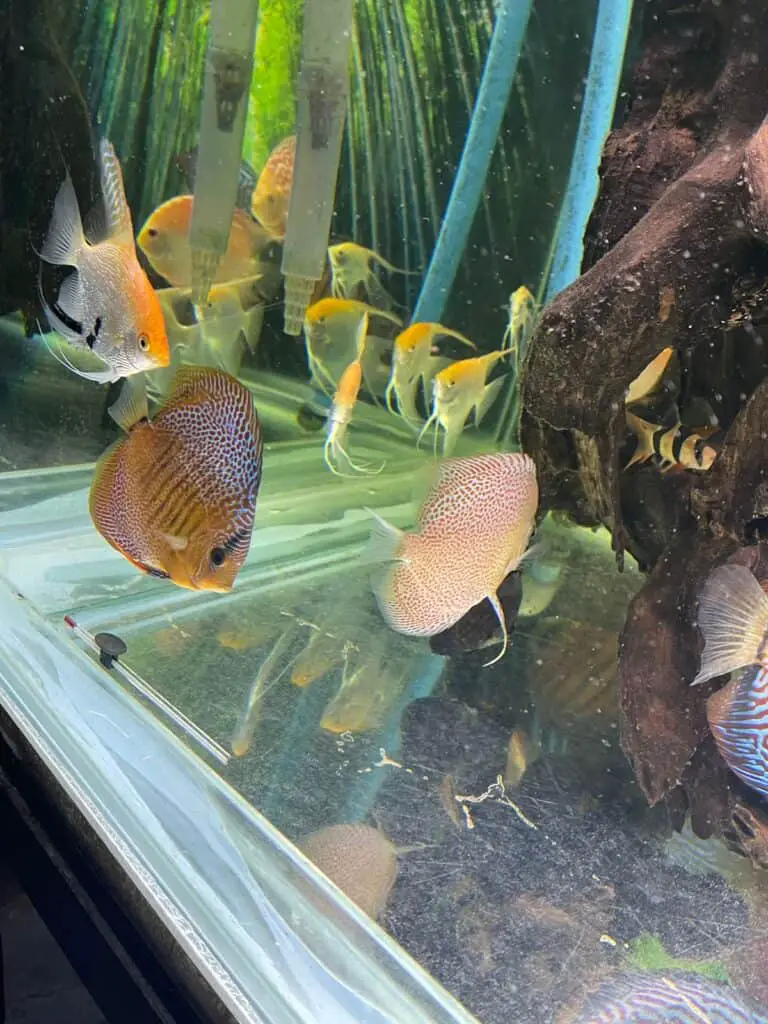
- Discus (Symphysodon spp.): Known for their stunning colours and unique shape, Discus require specific water parameters, especially regarding temperature and pH. They also benefit from a varied diet and frequent water changes.
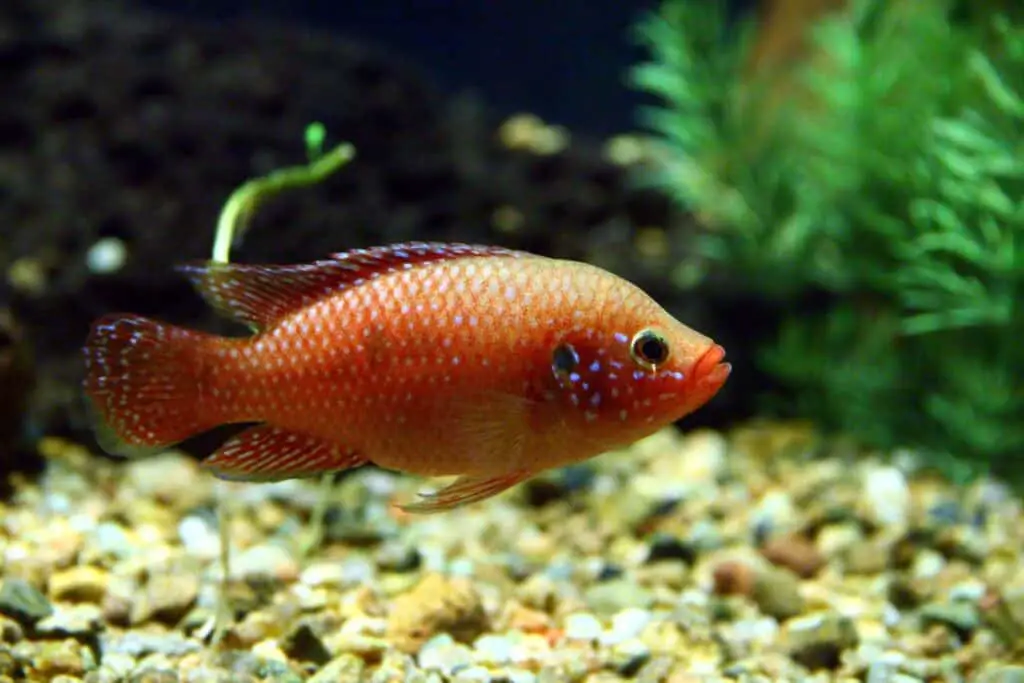
- African Cichlids (Pseudotropheus sp.): Hailing primarily from the Great Lakes of Africa (like Lake Malawi and Lake Tanganyika), these fish are renowned for their vibrant colours and complex behaviours. However, they have specific water hardness and pH needs and can be territorial.
- Arowana (Scleropages formosus): These iconic fish from the Amazon basin create a stunning centrepiece in any aquarium. They need a large tank, and their diet should be supplemented with live food like worms or insects, as they are mainly carnivorous.
- Ghost Knife Fish (Apteronotus albifrons): Another electric fish, Ghost Knives, are nocturnal and possess a unique fin arrangement. They need larger tanks with hiding spaces and can be sensitive to water conditions and changes. They also require high-quality filtration and a diet of live or frozen food.
- Bala Shark (Balantiocheilos melanopterus): These active, schooling fish from the rivers of Southeast Asia are popular with aquarists who can provide them with a large enough tank. They prefer soft water, but they’re not especially picky when it comes to food. They’re relatively peaceful, but their size can intimidate smaller tankmates.
As you can see, maintaining tropical fish can be a challenging task, but with proper knowledge and care, it can be rewarding. Whether you are a beginner or an experienced aquarist, always research the specific needs of your fish and provide them with a suitable environment to thrive in. Happy fish keeping! So, whether you’re interested in starting your first tropical fish tank or expanding your collection, make sure to consider these tips and recommendations when choosing the right fish for you. With proper care and attention,
Frequently Asked Questions
What Are Some Common Mistakes Beginners Make When Keeping Tropical Fish?
- Common mistakes beginners make when keeping tropical fish include overfeeding, improper water conditions, lack of research on fish compatibility, and not providing enough hiding places. These errors can lead to stress, disease, and even death for the fish.
How Often Should I Feed My Tropical Fish?
- Tropical fish are often fed once or twice a day, ensuring they consume the food within a few minutes. It’s important to monitor their feeding habits so that they don’t overfeed, which can result in poor water quality and health problems.
Can I Keep Tropical Fish in a Regular Freshwater Aquarium?
- Yes, tropical fish can be kept in a regular freshwater aquarium. However, it is important to consider the specific needs of the tropical fish species in terms of water temperature, pH levels, and other environmental factors.
Do Tropical Fish Require a Specific Temperature Range in Their Tank?
- In order for tropical fish to be healthy and happy, their tank must have a specific temperature range. Maintaining the right temperature can be challenging, but with proper equipment and care, it can be achieved.
What Are Some Signs of Illness or Stress in Tropical Fish?
- Signs of illness or stress in tropical fish include loss of appetite, lethargy, abnormal swimming behaviour, changes in colouration or fin deterioration. Regular monitoring of water quality and providing a proper diet can help prevent these issues.