When it comes to tropical fish, there are many things to consider before taking the plunge and adding these colourful creatures to your home aquarium. In the end, one of the most challenging decisions you have to make is at what age to buy your fish.
Most experts agree that buying fish when they are young is the best way to go. This is because young fish will have a longer lifespan, and you get to watch them grow. They are also less likely to have developed any health problems that could make them more challenging to keep alive.
Younger fish do have a lot of positives in terms of their lifespan. Most importantly, you see them mature before your eyes. Still, older fish will be more hardy to some extent as they have fully developed systems, so we will look at both arguments in what follows.
Are Bigger Or Smaller Fish Better?
Buying a younger fish can play a significant role in their lifespan because if you have them, you will be without doubt about the quality of water they were kept in, which could directly affect their growth, health, or colouration. In addition, juvenile fish are more active. By buying them while young, you get to choose the food you want and provide them with. Water quality that is of your standard, so you are 100% that they are fulfilling optimum growth while maintaining good health.
On the flip side, when buying an older fish, they may prove to be a lot more adaptable and even stronger to overcome disease if, in the event, they do get sick, and in my opinion ( a lot of people may disagree with me), buying older fish has many perks example some fish look more colourful. Patterns develop fully when fish are older, and if your looking for this, then an adult may be the option to go.
If we talk young, as in babies, the answer would change completely, and I would say juvenile or older fish are definitely easier to care for than babies. You should research the specific species and determine their lifespan. Once that is done, you will have an idea of how you wish to proceed and which age range you want your fish to be. Don’t get me wrong, babies can also be cared for, but it is advisable to start with a less demanding age.
Of course, there are exceptions to the general rules. For example, if you are looking for a specific type of fish that is only available for an adult, then you will have to buy an older fish. But in general, it is best to stick with young fish when setting up your tropical aquarium.
Are Younger Fish More Susceptible To Water Conditions?
When it comes to tropical fish, one of the most important things to consider is water conditions. Young fish are more susceptible to water conditions than older fish, so it is vital to ensure that you provide them with the best possible care. This includes making sure that the water is clean and healthy and that you are feeding them the right food.
Older fish are less susceptible to water conditions because they have already developed a resistance to it. Nevertheless, you should not neglect their care. Older fish still need to be regularly maintained and well kept.
Do Younger Fish Require Different Food
With regards to feeding juvenile fish, there are some essential things to consider. Young fish require different nutrition than older fish. Young fish need food that is high in protein and vitamins to help them grow and develop properly. Older fish do not need as much protein and can actually benefit from a diet that is high in fibre.
So, what should you feed your tropical fish? You should always consult with an aquarium expert or tropical fish specialist before deciding on a diet for your fish. A trusted method will be to offer young fish a diet that is high in protein and vitamins and to provide older fish with a diet that is high in fibre.
How To Care For Babies Or Juvenile Fish?
When it comes to caring for a baby or juvenile fish, there are a few things to consider. First and foremost, You should also make sure that you keep the water clean and healthy. This means changing the water regularly and using a good quality filter. You should also monitor the pH level and temperature of the water. Baby fish also require more frequent water changes than older fish, so it is vital to keep this in mind when designing your aquarium.
Another thing to keep in mind when caring for baby fish is that they are more susceptible to illness and disease. Therefore, it is imperative that you provide them with the best possible care. In general, baby and juvenile fish require more maintenance than older fish. Despite this, these fish are not impossible to care for.
How Does The Current In My Tank Affect Adult And Younger Fish?
Older fish are less susceptible to the current in your tank. Young fish are more vulnerable to the current in your tank, so it is crucial to make sure that you provide them with the best possible care.
If you notice that fish are swimming behind decorations or even towards the bottom, behind plants or any other object that shields them, and they don’t swim in specific areas like the middle of the tank or spaces where the current breaks or is at its peak then, you could have a strong flow. The fish are struggling to cope, in that case, it may be beneficial to add a spray bar as they are known to reduce the pressure slightly and even out the flow in the tank.
After doing this and you notice fish are exploring more than usual and are swimming all over the tank, you will know they prefer the slow current, and your pressure perhaps was too high.
Please keep in mind that fish do need a current to grow. The subject on current can go on indefinitely, so we will leave it as they need some form of current.
Should I Make Alterations To My Aquarium To Accommodate Young Fish?
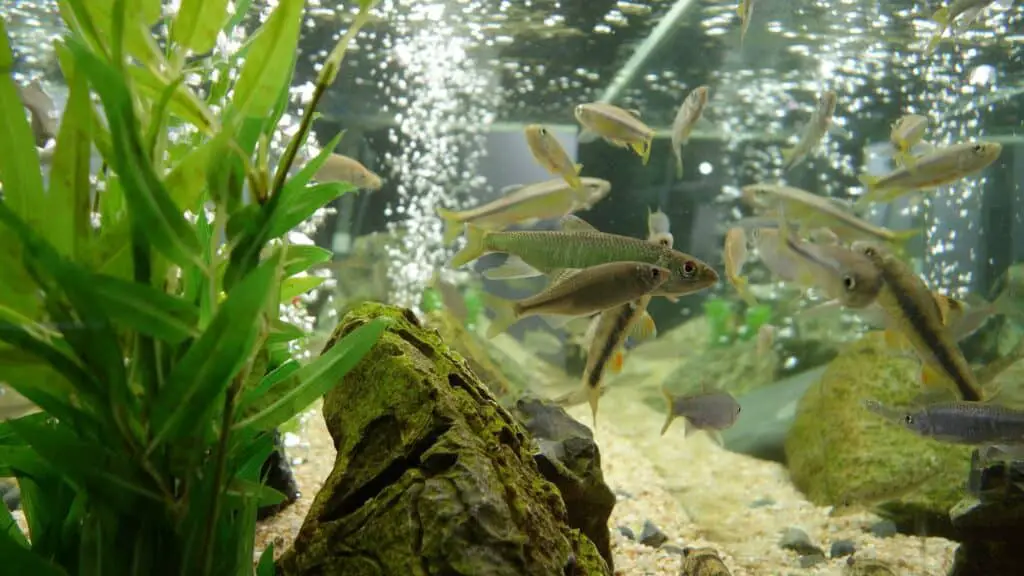
If you are keeping young fish, you may need to alter your aquarium to accommodate them. One thing you may need to do is add more plants to the tank, as these provide hiding spots for the young fish and help them feel more secure. You may also need to add more decorations, such as rocks or driftwood, to give the young fish something to explore and hide behind. Finally, you may need to change the size of your aquarium filter or add an additional filter to help keep the water quality high and the tank clean. These changes will help make your aquarium a more welcoming and comfortable environment for young fish.
Raising a baby, whether it be a human infant or a tropical fish, always takes more work than you may initially anticipate. In the case of tropical fish, making sure they have good husbandry- including clean water and plenty of food- is essential to their health and well-being. Additionally, you must provide them with an environment that meets their needs in terms of temperature and security. If you meet all of the requirements, your tropical babies will thrive under your care and bring you much enjoyment for years to come.