Tropical fish come in from all parts of the globe, especially from tropical climates where the weather is always warm. These fish provide an amazing look with their vibrant colors and activity-filled personalities, but can they survive in cold water?
The answer to this isn’t quite straightforward as it depends entirely on the species, so I have listed 21 of the most common tropical species that you can use for your cold water tank that can tolerate cooler temperatures.
Can Tropical Fish Survive in Cold Water?
When dealing with tropical fish, it is crucial to understand that they are adapted to live in warm water environments. When exposed to cold water, they cannot regulate body heat. Thus, they rely on their surroundings so much.
The survival time of tropical fish in cold water depends on various factors, such as the species’ tolerance to temperature fluctuations and the duration of exposure. However, I have found that most tropical fish can withstand cold water for a period of one to two days as long as the temperature remains only a few degrees below their recommended range.
I have found that around 33.8°F (1°C), tropical fish seem to be fine (given they do seem a bit lazier than normal). Yet the moment it starts dropping more than 39.2°F (4°C), it is quite visible that the fish’s behavior has changed completely, and this is where it starts to become very dangerous for the fish.
What will kill fish faster than living in colder water is when the water temperature drops drastically; fish are more likely to die from that than dying from a constant yet colder temperature.
(Please note that with certain species, even a one or two °C off might send them over the edge (swimming sideways), so do your research properly based on the fish species you are keeping or planning to keep.
How does living in colder water affect fish
From what I noticed, living in colder water can have adverse effects on fish, as it can slow down their metabolism and decrease their activity levels. Warm water is essential for the optimal functioning of certain species of tropical fish, especially active species.
In community tanks, where different fish species coexist, it becomes crucial to maintain a suitable temperature range. Fish, in general, are particularly susceptible to temperature changes as they cannot regulate their body heat. Therefore, it is important to ensure that fish are kept in their preferred temperature range to promote their overall health and well-being.
21 most popular fish that can survive in cooler waters
Based on our research, we have compiled a list of the most popular fish species that we know thrive in cooler environments. I have thoroughly studied and observed these fish and their remarkable ability to adapt to lower temperatures, enabling them to not only survive but also thrive in colder aquatic habitats.
Guppies
Guppies are a species of tropical fish known for their vibrant colors and playful nature. While they are typically found in warmer waters, guppies have been known to adapt and thrive in colder temperatures. Guppies have a high survival rate in temperatures between 74 and 82°F (23.3 – 27.7°C).
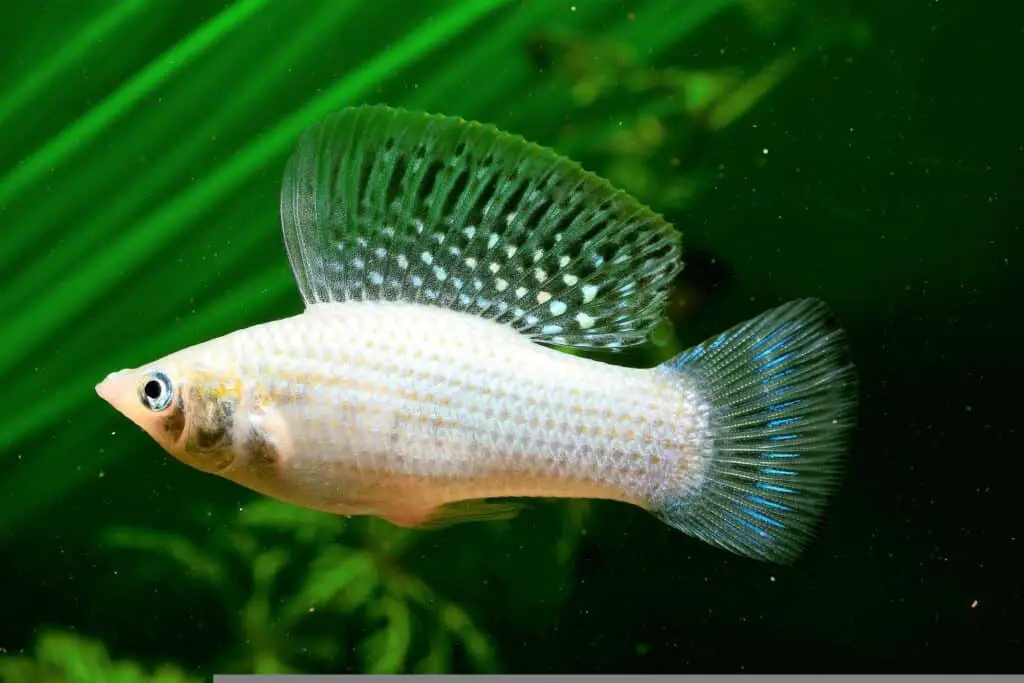
Mollies
Mollies are another tropical fish species known for their adaptability to different water conditions. Their diverse natural habitat ranges from freshwater to brackish waters, making them well-suited for various aquarium setups. These fish can survive in temperatures anywhere from 72 to 82°F (22.2 – 27.7°C)
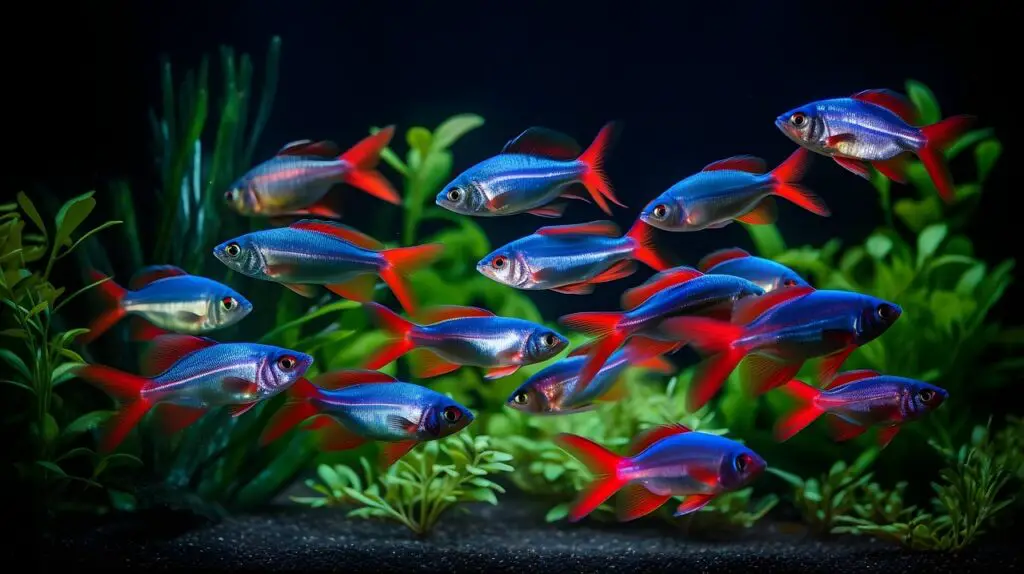
Neon Tetras
Neon Tetras are common to the warm waters of South America, but they have adapted to thrive in a range of temperatures from 72 to 76°F (22.2 – 24°C). Research has shown that they can tolerate water temperatures as low as 68°F. This ability to survive in colder water opens up new possibilities for aquarium hobbyists, allowing them to create diverse and unique aquatic environments.
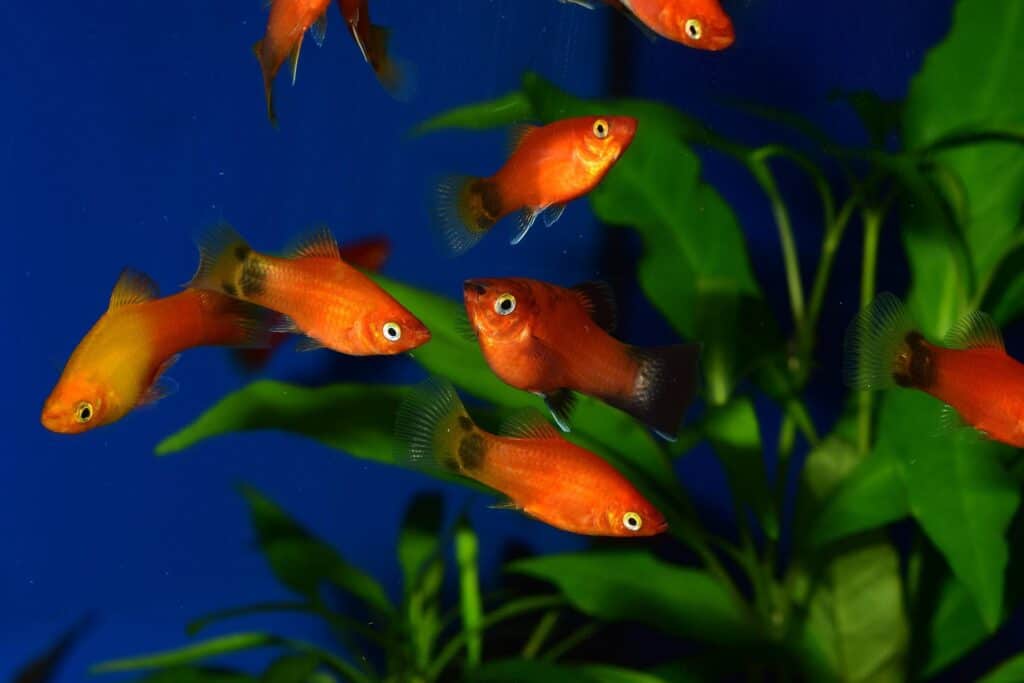
Platies
All of us love Platies because they add vibrant colors to our aquarium. These hardy freshwater fish are known for their ability to cope with a wide range of temperatures from 70 to 82°F (21.1 – 27.7°C). They possess physiological adaptations that allow them to thrive in such conditions. Some of the key elements contributing to their success in cold water include their efficient metabolism and adaptations in their respiratory system.
Endler’s Livebearers
Some of the Endler’s Livebearers in my tank have adapted to the cooler water conditions remarkably well, and they continue to thrive alongside my Platies. This observation aligns with past studies that have shown the ability of Endlers to tolerate a wide range of temperatures from 75-81°F (24–27°C).
Giant Danios
Giant Danios are known for their vibrant colors, high energy levels, and schooling behavior. While they thrive in tropical waters, these fish have been observed to do well in temperatures ranging from 77 to 82°F (25-28°C). However, it is important to note that maintaining a consistent temperature range is crucial for these fish, as fluctuations can cause stress and compromise their immune system.

Zebra Danios
These small freshwater fish, scientifically known as Danio rerio, are native to the streams and rivers of India and are popular among hobbyists due to their hardiness and adaptability to various water conditions. The zebra danio thrives in temperatures ranging from 70 to 78° F (21.1-25.5°C), making them suitable for tropical and cooler aquarium setups.
Leopard danio
Leopard danios are well-suited for colder temperatures due to their natural habitat in the Himalayan region, where water temperatures can drop significantly. They have adapted to thrive in lower temperatures by having a slower metabolism, increased tolerance to cold, and the ability to efficiently utilize limited resources. If you have one of these fish, you should ideally keep them between 65 to 75°F (18.33- 23.8°C).
Rosy Red Minnows
Rosy Red Minnows are a hardy species of fish known for their adaptability to different water conditions. In my tank, I have observed them survive in temperatures ranging from 70-80°F (21-26°C) but can tolerate higher temperatures up to 96.8 – 98.6°F (36-37°C) if necessary. This makes them suitable for both tropical and colder aquarium setups.
Swordtail
Swordtails are a popular species of livebearer fish known for their distinctive sword-like tail. These fish are native to Central America, where they thrive in warm waters. However, through selective breeding, they have developed the ability to tolerate a variety of temperatures from 64 to 82°F (17.7 – 27.77°C), making them suitable for colder aquarium setups.
Bloodfin Tetras
Bloodfin Tetras are a popular choice for freshwater aquariums due to their striking red fins and peaceful nature. While they originate from the warm waters of South America, these fish have been observed to thrive in temperatures ranging from 64 to 82°F (17.77 – 27.77°C) with a preference for cooler environments.
Panda Corydoras
The Panda Corydoras is a popular fish that can survive in cold water, and they are known for their unique black-and-white coloration. This fish thrives in temperatures ranging from 68 to 77° F (20 to 25° C). They have adapted to colder waters by developing a specialized metabolism that allows them to maintain their body functions in lower temperatures.
Bristlenose Plecostomus
I currently have three Bristlenose Plecostomus in my aquarium, and they are thriving in the colder water temperature, but ideally, they should be kept at 73-80° F (23-27° C). Bristlenose Plecostomus, also known as Ancistrus cirrhosus, is native to the Amazon River basin, where water temperatures can vary greatly. Their adaptability to varying temperatures makes them an excellent addition to colder aquarium setups.
Buenos Aires Tetras
Buenos Aires Tetras are another popular fish that can survive in cold water. These tetras, native to South America, have a temperature range of 72-78°F (22.2 – 25.5°C)) but can tolerate lower temperatures. Research has shown that they have a high tolerance for colder water due to their ability to regulate their metabolic rate, which allows them to thrive in various environmental conditions.
Gold Barbs
Gold Barbs are known for their golden-yellow coloration and active nature. These fish originate from Southeast Asia, where they can be found in both tropical and cooler glasses of water. In my tank, these barbs have adapted well to temperatures ranging from 64-75°F (18 – 24°C), making them a suitable choice for community tanks or cooler aquarium setups.
Rosy Barbs
Rosy Barbs, also known as Puntius conchonius, is a visually appealing species of fish found in the rivers and streams of India. These fish have been observed to thrive in temperatures ranging from 64.5 – 71.5° F (18 – 22°C) but can tolerate slightly lower or higher temperatures.

Odessa Barb
The Odessa Barb, also known as Puntius padamya, is a popular freshwater fish native to Myanmar’s Irrawaddy and Salween river basins. These barbs are known for their vibrant coloration and can thrive in temperatures ranging from 70°F to 78°F (21.1 – 25.5°C).
White Cloud Mountain minnow
Also known as the ‘Poor Man’s Neon Tetra,’ White Cloud Mountain minnows are quite hardy little fish that thrive in cold water. These small freshwater fish are native to China’s mountain streams and ponds. They have adapted to survive in very low temperatures, making them ideal for unheated aquariums; however, the best range to keep them in is 65-77°F (18-25°C).
Mosquito fish
Mosquito fish can tolerate a multitude of temperatures ranging from 33 – 104°F (0.55 – 40°C) but tend to thrive in warmer waters around 80°F. These fish, also known as Gambusia affinis, are popular for their potential to control mosquito populations and are commonly used in ponds and outdoor water features.
Japanese Rice Fish
The Japanese Rice Fish, or Oryzias latipes, is a unique species that can survive in both freshwater and brackish water environments. These fish are native to Japan and have a temperature range of 61 to 75°F (16.1 – 23.8°C).
Dojo Loach
One of the most popular fish that can survive in cold water is the Dojo Loach, which is known for its ability to adapt to various temperature ranges. This fish has a wide tolerance for colder temperatures, ranging from 68 to 72° F (15 – 25°C).
Based on my years of experience in keeping tropical fish, it is clear that tropical fish are not well-equipped to survive in cold water for extended periods. The physiological effects of living in colder temperatures can be detrimental to their health and overall well-being. While some fish may have a higher tolerance for colder waters, it is important to ensure their specific needs are met to prevent any potential harm. Therefore, it is crucial for fish enthusiasts to carefully consider the temperature requirements of their aquatic pets to ensure their survival and thriving in their chosen environment.
Frequently Asked Questions
Are There Any Tropical Fish Species That Can Tolerate Cold Water for Extended Periods of Time?
- Yes, there are tropical fish species that can tolerate cold water for extended periods of time. They have adaptations such as thicker skin and metabolic changes to survive in lower temperatures.
What Are the Potential Risks or Health Issues for Tropical Fish Exposed to Cold Water?
- Potential risks or health issues for tropical fish exposed to cold water include hypothermia, decreased immune function, and stress. These conditions can lead to weakened immune systems, respiratory problems, and even death.
Can I mix cold water fish with warm water tropical fish?
- Generally, no. Mixing can lead to stress and illness due to differing temperature requirements and habitats.
Are cold-water fish tanks easier to maintain than warm-water tanks?
- Not really, unless you have demanding tropical fish species, but ideally, both tropical and cold-water aquariums have pretty much the same amount of maintenance.