One of the most common questions that tropical fish owners have is how long their aquatic tropical pets can survive without food. Whether you are going on holiday or simply forgetting to feed your fish, knowing how long they can go without eating is important. Our goal is to provide some tips for keeping your tropical fish healthy while you are away and discuss factors that impact its survival without food.
How long can tropical fish live without food?
As fish enthusiasts, we are responsible for ensuring that our aquatic pets are healthy and happy. Research has shown that most tropical fish can survive for approximately 3 to 14 days without food, depending on many factors. However, the time frame may vary depending on the species and the fish’s health. It is essential to note that prolonged periods without food can have adverse effects on their overall health and vitality. A fish with inadequate nutrition may lose weight, become vulnerable to disease, and develop a weakened immune system.
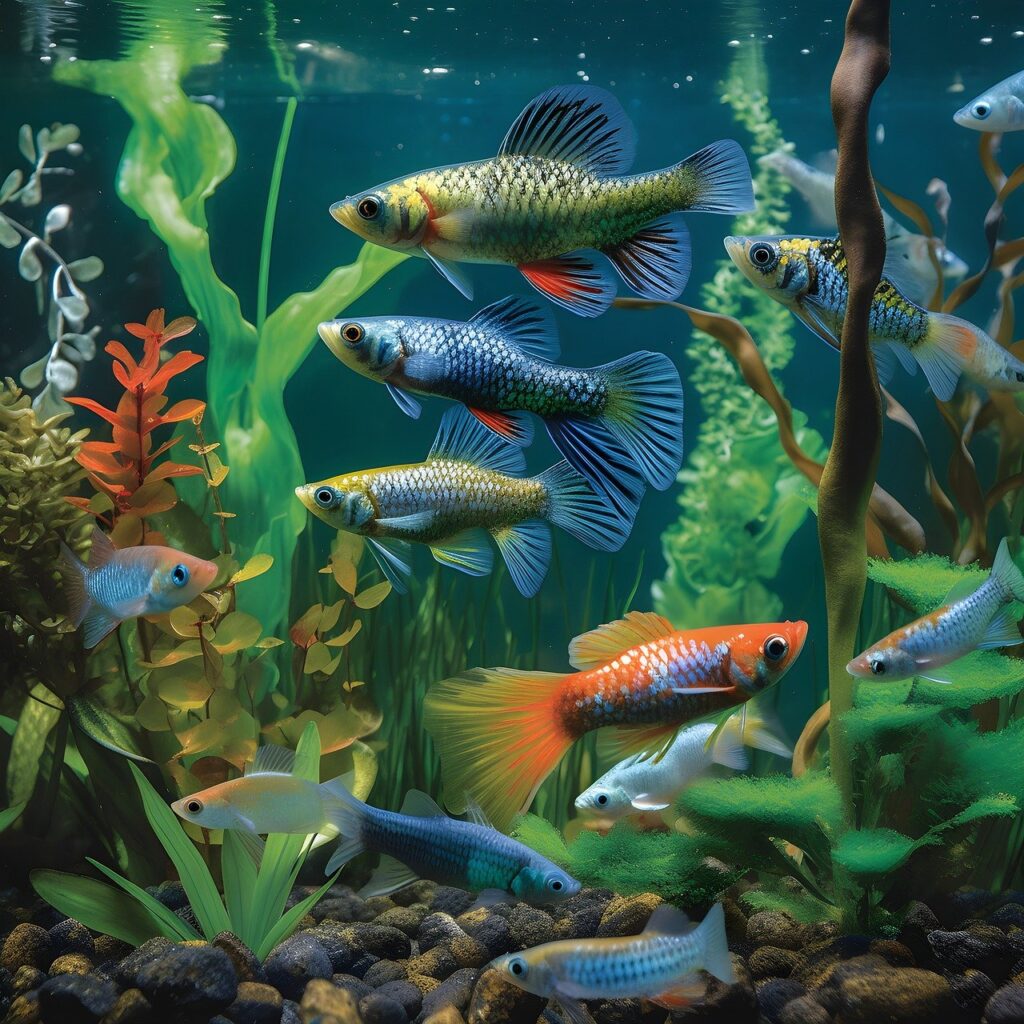
Factors that Affect a Tropical Fish’s Survival Without Food
There are several influential factors that can affect the feeding frequency of fish. One such factor is going on vacation, as fish may not receive their regular feedings during this time. Additionally, transporting fish can also disrupt their feeding schedule, causing them to eat less or not at all. Other factors, such as fish fasting, water temperature, and activity levels of the fish, can also play a role in determining how often fish need to be fed.
Going on Vacation
As a fish owner, I always consider the well-being of my fish while we’re away. Making sure they are fed and healthy is very important as it allows me to enjoy my vacation without stressing over my fish. Here are a few factors to consider before going on vacation:
- Automatic fish feeder: For trips that I travel for extended periods of time, I have invested in an automatic fish feeder that can help ensure my fish are getting the right amount of food while I’m away. These feeders have adjustable portions and can dispense food multiple times a day.
- Fish-sitter: A fish sitter is also an excellent option. If you have a trusted friend or family member who is available, ask them to check on your fish while you’re away.
- Short trips vs. long vacations: For shorter trips (1 to 3 days), fish can generally go without food. However, for extended vacations (1 to 2 weeks), it is essential to have a plan in place to ensure their well-being.
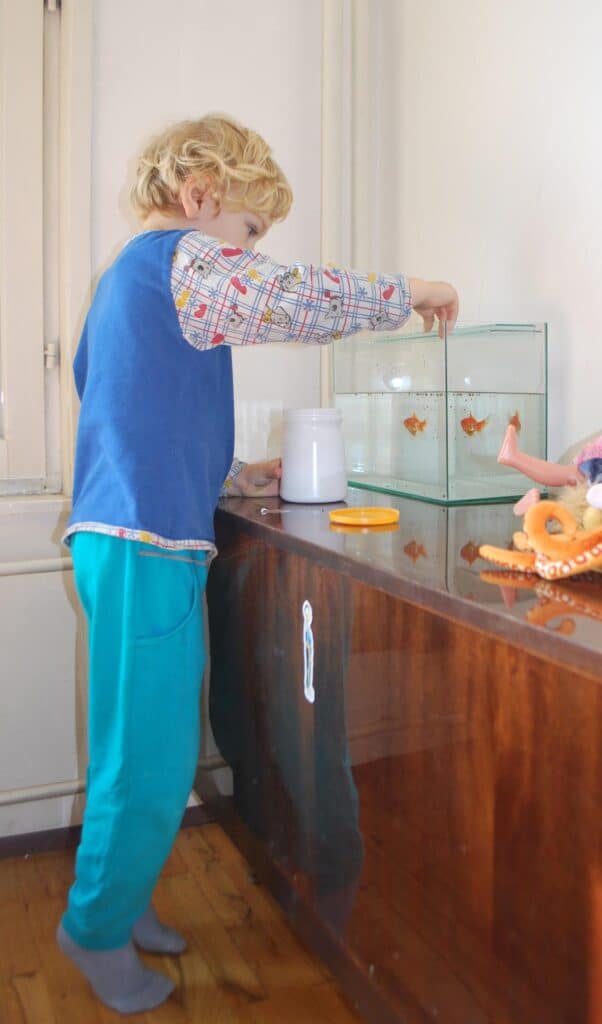
Considering these factors, it’s important to plan accordingly and provide the necessary care for your fish before going on vacation. I’ve found that an automatic fish feeder can be a great solution to maintain their feeding schedule and ensure their well-being.
Transporting Fish
Transporting fish can also temporarily disrupt their feeding schedule. When being moved to a new location, fish may experience stress. Fish travelling for longer periods are generally better at handling transportation when they haven’t eaten for a while. So, I usually make sure they go without food for about one to two days before transporting them. It is essential to acclimate them properly to their new environment before resuming their regular feeding routine.
Understanding Fish Fasting Periods
Fish fasting is commonly used for various reasons, such as reducing bloating or constipation. It requires careful consideration to ensure the well-being of our aquatic friends. Fish can benefit from skipping food for a day every week. Regular fish enthusiasts believe this weekly break helps prevent ailments like constipation and swim bladder issues.
Feeding fish flaked, or pellet food continuously can lead to constipation. This results in pressure on the swim bladder, affecting their swimming balance. Such fish may either sink, swim sideways, or get stuck at the water’s surface. Typically, a 24-48 hour fasting period helps rectify this by clearing their digestive system.
Water Temperature and Activity Levels
Water temperature and activity levels can also greatly affect a fish’s eating habits. The majority of tropical fish are cold-blooded, meaning they cannot regulate their body temperature and rely on the water temperature to do so. As the water temperature decreases, so does their metabolism and appetite. In colder temperatures, fish may require less food or may not eat at all due to their reduced activity levels.
Fish Fry and their Feeding Habits
Young fish, also known as fry, have different feeding needs compared to adult fish. They require more frequent feedings and smaller portions to get the nutrition they need. Keeping a close eye on the fry’s growth and adjusting their feeding schedule accordingly is essential. Fish fry requires more than just one feeding in a day. It will help if you divide their daily intake into multiple smaller meals to ensure they are getting the necessary nutrients.
Other Factors that Affect a Tropical Fish’s Survival Without Food
There are several factors that can influence how long a tropical fish can survive without food. These include:
- Species: Different species of tropical fish have varying levels of resilience when it comes to surviving without food. Some species, such as goldfish, can survive for extended periods without eating, while others, like bettas, may only last a few days.
- Age: Younger fish have a higher metabolism and require more frequent feedings compared to older fish. This means that younger fish will not be able to survive as long without food.
- Size: Larger fish tend to have more body fat and can sustain themselves for longer periods without eating compared to smaller fish.
- Health: A healthy fish will be able to survive longer without food compared to a sick or injured fish. This is because a healthy fish has more energy reserves to draw from.
- Water temperature: Warmer water temperatures increase a tropical fish’s metabolism, causing them to require more frequent feedings. In cooler water temperatures, a fish’s metabolism slows down, and fish can survive longer without food.
It is important to keep these factors in mind when determining how long your tropical fish can go without food.
Tips for Ensuring Your Fish Are Well-Fed While You’re Away on Vacation
Here are some handy tips that I have gathered that will help you ensure your fish don’t go hungry while you’re away:
Automatic Fish Feeder
As mentioned before, I usually rely on an automatic fish feeder to keep our tropical fish fed while on vacation. This device is designed to dispense small amounts of fish food regularly, ensuring that our fish receive the necessary nutrition even when we’re not around. I find that this method works best for me when I am away for more than two or more days.
Fish Food Blocks
Fish food blocks are another convenient option for ensuring that our tropical fish receive nutrition while we are away. These blocks are specifically designed to slowly release food particles into the water, providing a steady source of sustenance for our finned friends. The duration that fish food blocks can last depends on their size and the number of fish in the tank. Generally, a single block can sustain fish for up to 7 days.
Fish Sitting
Fish sitting is a relatively uncommon concept. Unlike the traditional pet-sitting services that focus on caring for cats and dogs, fish-sitting would be someone who caters specifically to fish as pets.
When considering fish sitting. People often ask friends or family members to pop by every other day to feed their fish and ensure no problems. This is an excellent choice as you can get live updates from them on how your fish are doing whilst ensuring they are well nourished.
Through research, I have learned that fish have unique adaptations, allowing them to conserve energy and survive in challenging conditions. However, it is essential to remember that regular feeding is crucial for maintaining the health and well-being of tropical fish. With the tips and advice provided, we hope you can leave your fish confidently while on vacation. Remember to always prioritize the health and care of your pets, even when you’re not around. So, with these
Frequently Asked Questions
Can Tropical Fish Survive for an Extended Period Without Being Fed?
- Tropical fish can survive without food for a while(3-14 days), but extended periods without feeding can be detrimental to their health.
What Are the Risks of Not Feeding Tropical Fish for an Extended Period?
- Not feeding tropical fish can lead to various risks, including malnutrition, weakened immune systems, stunted growth, and increased susceptibility to diseases.
Are There Any Fish Species That Can Survive Longer Without Food Than Others?
- Betta fish, certain catfish species, and loaches can typically go longer without eating compared to other tropical fish.
Can Fish Fasting Be Beneficial for the Overall Health of Tropical Fish?
- Fish fasting can be beneficial for the overall health of tropical fish. It allows their digestive systems to rest and helps prevent overfeeding.
How often should I feed my tropical fish?
- The frequency of feeding depends on the age and species of your fish. In general, adult fish can be fed once or twice a day, while fry and juveniles may require more frequent feedings.
What should I do if my fish refuses to eat?
- If your fish is refusing to eat, it could be a sign of illness or stress. It’s best to consult with a veterinarian for advice on how to proceed.