Tropical fish are a popular choice for many aquarists due to their vibrant colours and unique behaviours. An integral yet often overlooked part of their life cycle is the initial stage: the egg. For those who’ve pondered, “How do tropical fish eggs look?” this blog post aims to shed light on the topic. We’ll provide a straightforward overview of the appearance and characteristics of these eggs, offering insights for both experienced fish keepers and newcomers alike.
What do tropical fish eggs look like?
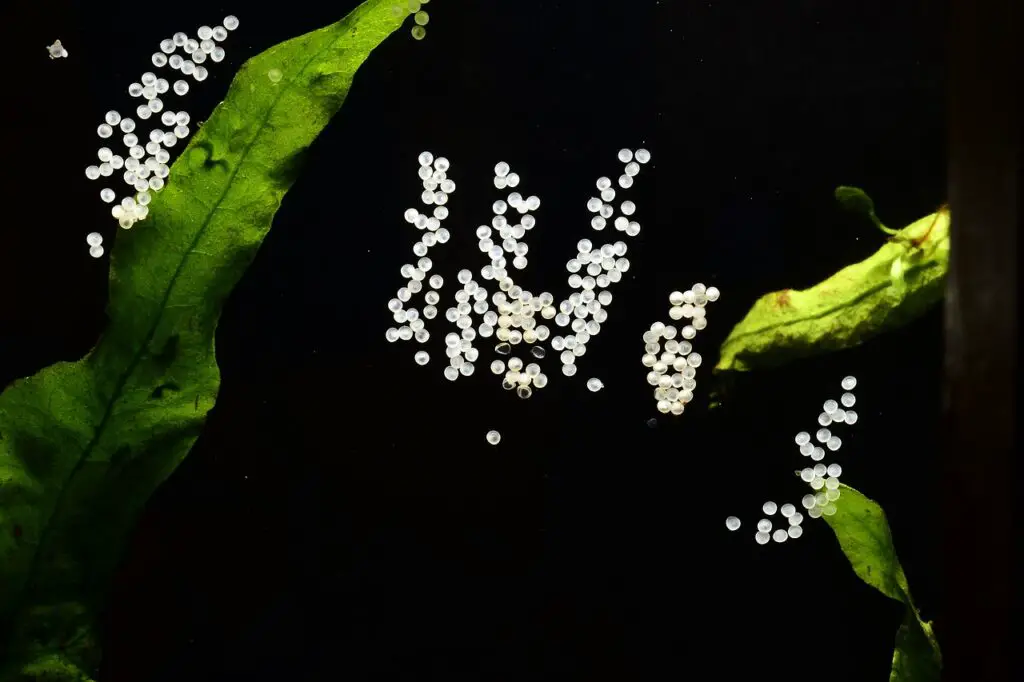
The appearance of tropical fish eggs can vary greatly depending on the species. In general, these eggs are small, translucent and have a gel-like consistency. They can range in size, with some species producing thousands of tiny eggs while others lay fewer but slightly larger ones.
One characteristic that is common among tropical fish eggs is their adhesiveness. Many species of tropical fish lay eggs in clusters that stick to surfaces, such as plants or rocks, which provide protection and support for the eggs. This adhesiveness is due to a sticky protein called “chorion,” which helps the eggs attach to different surfaces. The chorion also serves as a protective layer, shielding the eggs from potential predators and environmental factors.
The color of tropical fish eggs varies depending on the species. Some are clear, while others can be slightly colored and tinted with hues of yellow or orange due to pigmentation present in the egg yolk. However, this color is not an accurate predictor of what the offspring’s color will be, as it can change as the embryo develops.
Identifying different species of tropical fish eggs:
There are various methods for identifying different species of tropical fish eggs, such as size, shape, and colour. With my years of experience, I can identify the different eggs by their texture and appearance alone.
1. Angelfish Eggs:
Angelfish eggs are reminiscent of tiny, translucent pearls. Typically laid on a vertical surface, such as a flat leaf, the side of an aquarium, or specially placed slate, these eggs are laid in neat rows, giving a structured appearance. They’re about 1 mm in size. When first laid, they appear clear or slightly opaque. If they turn white after a day or two, they’re likely infertile or have developed fungus.

2. Cichlid Eggs:
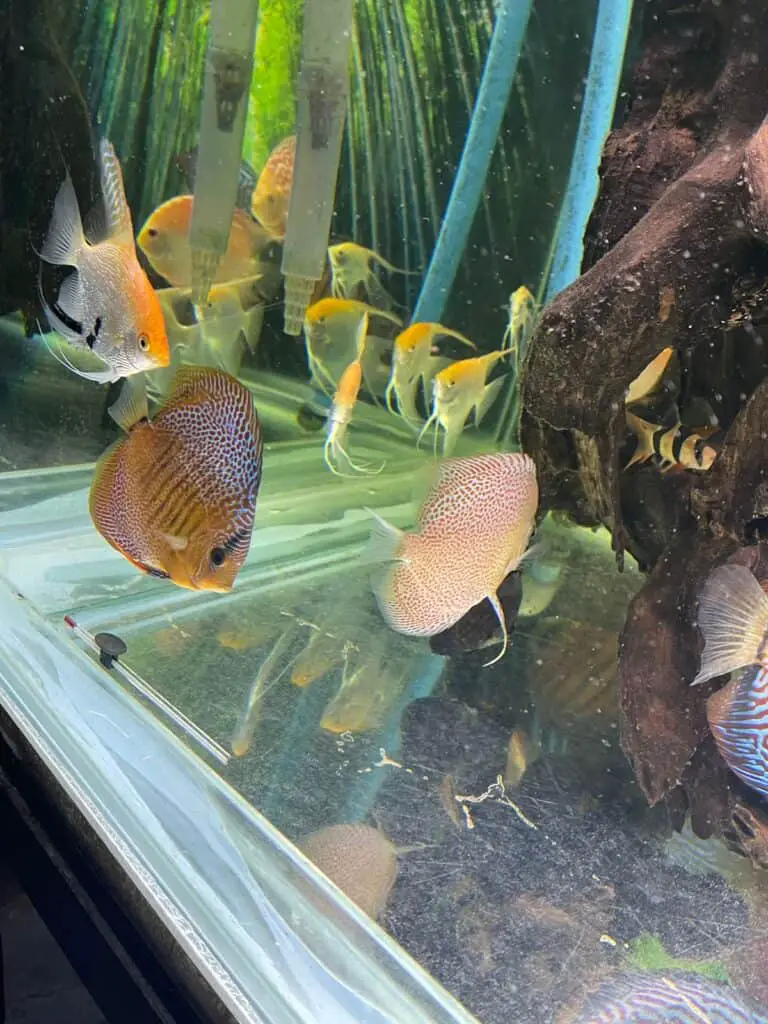
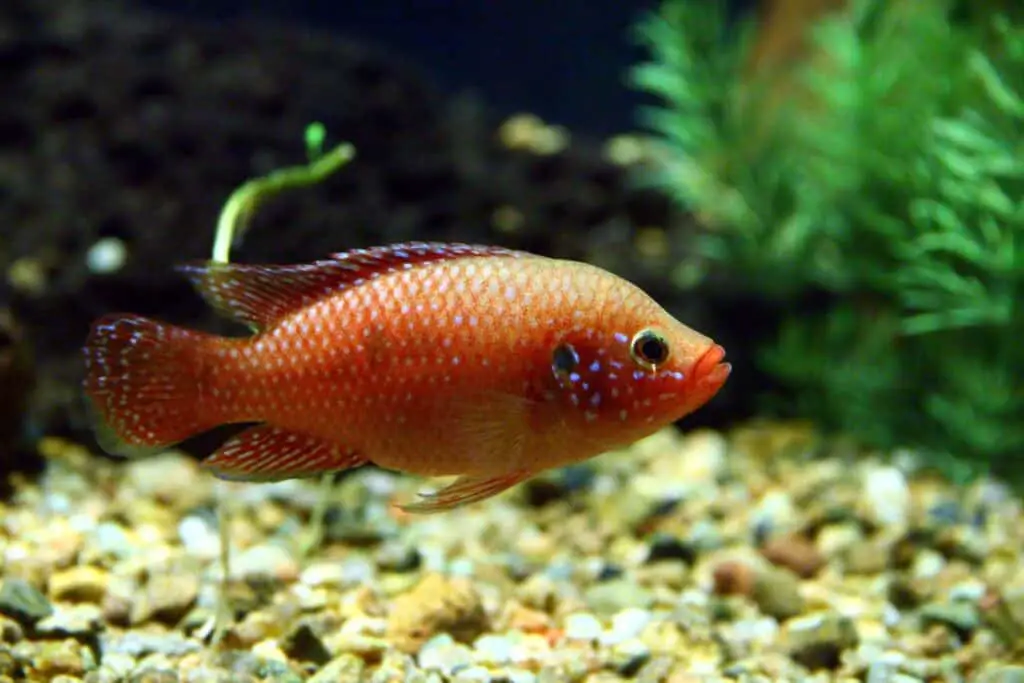
There’s variation among cichlid species, but many cichlid eggs have a similar appearance. Generally, cichlid eggs are oval and slightly larger than those of other aquarium species. They can range from transparent to orange or light yellow in colour. Some cichlids, like the popular discus, lay their eggs on vertical surfaces, whereas others might lay them inside caves or dug pits in the substrate.
3. Rasboras Eggs:
Rasboras, being small fish, produce tiny eggs that can sometimes be challenging to spot. These eggs are transparent in colour and often adhere to plant leaves or the aquarium’s sides. Given their minuscule size, it’s not uncommon for them to go unnoticed until they hatch.
4. Betta Eggs:
Betta fish have unique reproductive behaviour. After mating, the male betta collects the eggs from the female and places them in a bubble nest he’s constructed at the water’s surface. These eggs are minute, round, and translucent. They are suspended within the bubbles, which can be found clinging together, floating atop the water.

5. Tetra Eggs:
Tetra eggs are incredibly tiny and almost invisible to the untrained eye. They are clear, gelatinous, and tend to scatter around the tank, often sticking to plants and decorations. When you’re looking for tetra eggs, it’s essential to scan carefully, and using a torchlight can help make them more visible.
6. Oscars Eggs:
Oscar fish, being larger cichlids, produce relatively larger eggs. The eggs are round, translucent to opaque, and have a jelly-like consistency. Oscars typically lay their eggs on flat surfaces, and these egg clusters can sometimes be quite extensive, given the number of eggs a female Oscar can produce.
7. Plecos Eggs:
Plecos, or plecostomus, are famous bottom dwellers and cave spawners. Their eggs are often hidden from view inside caves or crevices. When you do get a chance to view them, pleco eggs are round, creamy, or amber-coloured and have a sticky surface. They’re typically clustered together inside their chosen spawning site.
8. Corydoras Eggs:
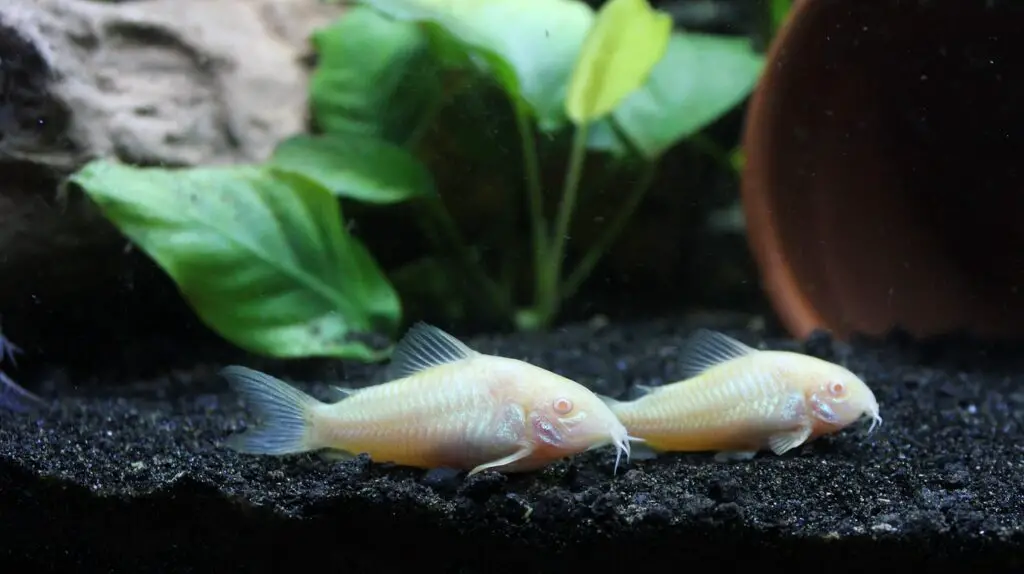
Corydoras catfish are quite the diligent egg layers. Their eggs are round, clear to milky white, and measure about 1-2 mm in diameter. They’re frequently found stuck to the aquarium glass, plant leaves, or other surfaces. It’s not unusual to find cory eggs scattered throughout the tank, as females often lay them in multiple locations.
Recognizing and understanding the appearance of fish eggs is only the first step in the exciting journey of fish breeding. If you come across any eggs in your aquarium, ensure you provide optimal conditions for their development. Whether you’re a seasoned aquarist or just starting out, witnessing the miracle of life in your very own tank is a joy like no other.
How to spot the difference between Fertilized and Unfertilized Fish Eggs?
Differentiating between fertilized and unfertilized fish eggs is not as simple as you may think. Here’s a concise guide to distinguish between the two:
1. Color and Transparency:
- Fertilized Eggs: Clear or translucent initially, they often display a dark centre, indicating the embryo. As they mature, tiny fish structures become noticeable.
- Unfertilized Eggs: They turn milky white or opaque within a day or two. The absence of a dark embryo spot and this colour change indicate infertility.
2. Consistency:
- Fertilized Eggs: These maintain a firm, gelatinous consistency.
- Unfertilized Eggs: They might feel softer, possibly bloated, and can break down easily.
3. Development Signs:
- Fertilized Eggs: Over time, these eggs show signs of progression, including the emergence of eyes or a spine in certain species.
- Unfertilized Eggs: They remain static, showing no developmental changes.
4. Fungi and Bacteria:
- Fertilized Eggs: Less prone to fungal attacks, especially if parent fish are guarding them.
- Unfertilized Eggs: More susceptible to fungal infections, often seen as a fuzzy, cotton-like growth.
5. Parental Behavior:
- Fertilized Eggs: Guarded and cared for by parent fish.
- Unfertilized Eggs: Often neglected or even consumed by parent fish.
For tank health, it’s advisable to remove unfertilized eggs, preventing potential fungal or bacterial outbreaks. Recognizing these differences not only aids in breeding but also ensures a healthier aquarium environment.
What to do if you find fish eggs in your tropical fish tank?
Discovering fish eggs in your tropical fish tank can be an exhilarating experience, especially if you hadn’t planned on breeding. If you find eggs and wish to see them develop, here’s a quick guide on what to do:
1. Identification:
- Firstly, try to identify which species laid the eggs. Understanding the specific care needed will help you.
2. Decide on the Location:
- Leave the Eggs: If the parents are known to care for their eggs (like many cichlids), it might be best to leave the eggs where they are.
- Separate the Eggs: For species where adults might eat the eggs or in a community tank where other fish pose a threat, consider moving the eggs to a separate breeding or hatchery tank.
3. Prepare the Hatchery Tank (if needed):
- Use water from the main tank to ensure consistent water parameters.
- Install gentle air circulation using an air stone to keep the water oxygenated and flowing around the eggs.
- If possible, maintain a slightly higher water temperature, as many tropical fish eggs hatch faster and more successfully in warmer water.
4. Protect from Fungus:
Unfertilized eggs can develop fungus, which can spread to fertilized eggs.
- Add a few drops of methylene blue (an antifungal) to the water. Ensure you follow dosing recommendations and know the sensitivity of the species you’re breeding.
5. Monitor Daily:
- Check the eggs daily for signs of development. Remove any eggs that turn white or develop fungus to protect the rest.
How To Set Up The Fry Tank?
Setting up a fry tank is essential for nurturing young fish away from main aquarium threats. Here’s a concise guide:
1. Choose a Tank: A 5 to 20-gallon tank typically suffices, depending on fry quantity and species.
2. Tank Water: Use water from the main tank to maintain consistent parameters.
3. Filtration: Install a sponge filter for gentle, safe filtration.
4. Temperature: Use a heater to maintain a steady temperature between 78°F and 80°F (25.5°C – 26.5°C).
5. Lid: A tight-fitting lid prevents escape and maintains humidity.
6. Shelter: Add plants or spawning mops for hiding.
7. Lighting: Optional, but can stimulate infusoria growth. Limit to 8-10 hours daily.
8. Feeding: Post-yolk sac, fry may need liquid fry food, infusoria, or brine shrimp.
9. Water Changes: Conduct small, regular water changes (10-20%) to ensure quality.
10. Monitor: Track fry growth, preparing for eventual transfer to a larger space or the main tank.
A well-set fry tank ensures a high survival rate, allowing aquarists to enjoy watching fish fry flourish.
Identifying tropical fish eggs is an important skill for fish enthusiasts. By understanding the characteristics and differences between fertilized and unfertilized eggs, hobbyists can better care for their fish and ensure successful breeding. If fish eggs are discovered in a tropical fish tank, it is crucial to set up a separate fry tank to provide a suitable environment for the development of the eggs. Remember, as the old adage goes, “Knowledge is power”, and in the world of tropical fish breeding, this knowledge can lead to a rewarding and successful experience.
Frequently Asked Questions
How Long Does Tropical Fish Eggs Take to Hatch?
- Typically, it takes between 24 and 48 hours for tropical fish eggs to hatch. The hatching time can vary depending on factors such as species, water temperature, and water quality.
Do All Species of Tropical Fish Lay Eggs?
- No, not all tropical fish species lay eggs. Some give birth to live young, while others practice mouthbrooding or egg scattering. It’s essential to research the breeding habits of your specific fish species.
Are Tropical Fish Eggs Visible to the Naked Eye?
- Yes, tropical fish eggs are visible to the naked eye. They come in various sizes, shapes, and colours, depending on the species. Some eggs are translucent, while others have distinct patterns or markings.
How Many Eggs Does a Typical Tropical Fish Lay at Once?
- A typical tropical fish can lay hundreds or even thousands, of eggs at once. These small, translucent orbs float delicately in the water, waiting to hatch into vibrant, darting fry.