So you’re looking to breed tropical fish, and you’re unsure which are the easiest? I can confidently say that breeding these beautiful creatures is like witnessing an underwater miracle unfold before your eyes. If you’re looking for the easiest tropical fish species to breed in your home aquarium, then let me share with you which of them I found the easiest to breed in my years of breeding tropical fish.
What are the easiest tropical fish to breed
As a fish enthusiast, I’m often asked about the easiest types to breed in home aquariums. When it comes to easy-to-breed tropical fish, there are two main categories: Live Bearers and Egg Layers. Live Bearers, such as guppies, mollies, and platies, are known for their ability to give birth to fully-formed fry, making them ideal for beginners.
On the other hand, Egg Layers like Danios, Cichlids, and Barbs require a bit more effort, but their stunning colors and intricate breeding behaviors make them a rewarding choice for those willing to put in the work.
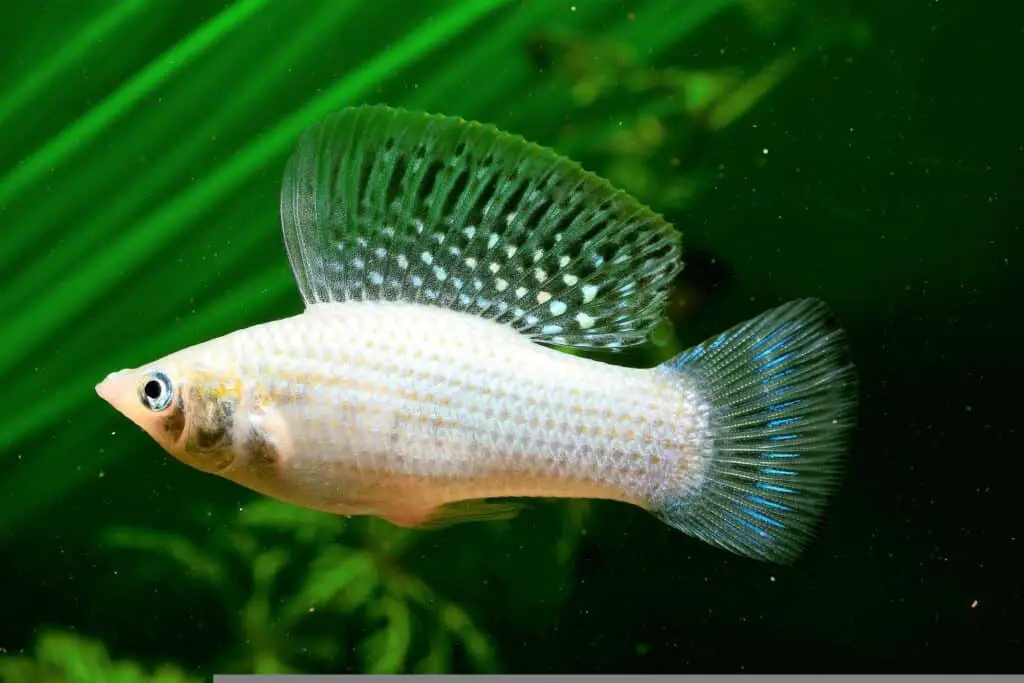
Easy-to-breed tropical fish – Live Bearers
The top contenders in this category include
- Guppies
- Mollies
- Swordtails
- Platies
- Ameca splendens
Guppy
Breeding guppies is a straightforward process that offers hobbyists an enjoyable and rewarding experience. Female guppies are prolific breeders, making them an ideal choice for beginners.
To successfully breed guppies, setting up a breeding tank with an abundance of hiding spots and plants is important. Keeping the female guppies in a separate tank before giving birth is also recommended to prevent adult fish from eating the newborn fish.
Mollies
One of the most straightforward tropical fish to breed is the Molly. The breeding process for Mollies is relatively simple and can be done in a home aquarium. Female Mollies can produce a large number of fry, making them a popular choice for beginner breeders.
These tropical fish are livebearers, which means that the female fish give birth to fully formed fry instead of laying eggs. With proper care and a suitable environment, adult Mollies will readily reproduce in captivity.
Swordtails
Swordtails are a great choice for breeding in your home aquarium. Known for their vibrant colors and elegant sword-like tails, they are highly adaptable and can thrive in various water conditions. Being livebearers, they give birth to live offspring, making breeding and raising their fry straightforward. Plus, they are prolific breeders, ensuring a constant supply of new generations in your aquarium.
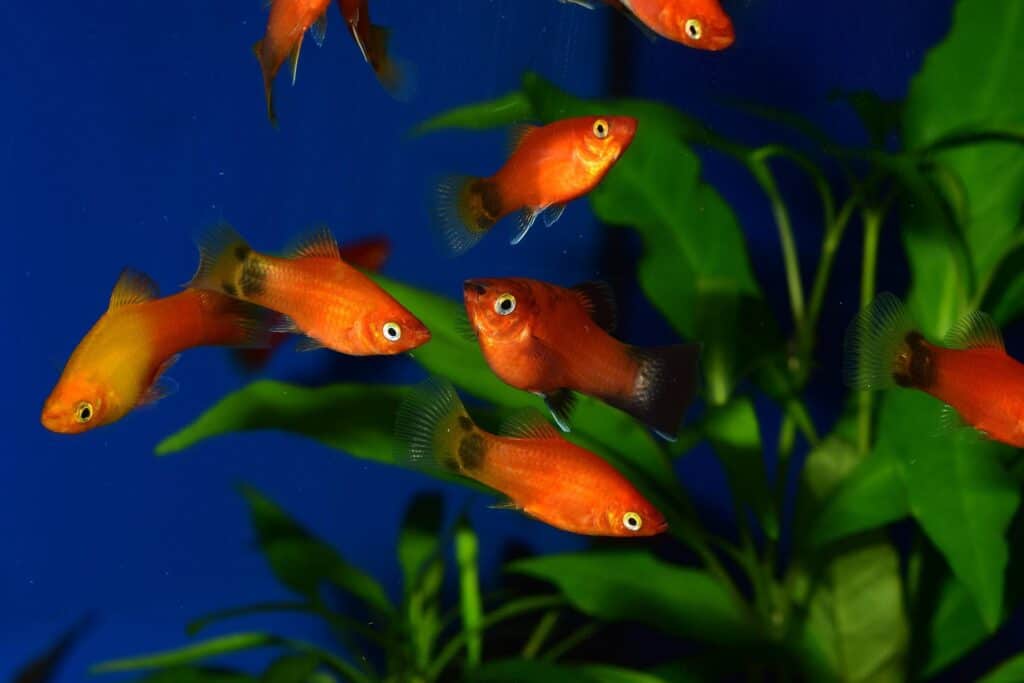
Platies
I find Platies to be an ideal choice for breeding due to their easy nature and ability to breed readily. These tropical fish are known for their vibrant colors and peaceful temperament, making them popular among aquarium enthusiasts.
Platies are livebearers, which means they give birth to fully formed fry instead of laying eggs. They are prolific breeders and can reproduce quickly, providing a rewarding breeding experience for beginners and seasoned hobbyists alike.
Ameca splendens
Ameca splendens is a popular choice for aquarium enthusiasts due to its ease of breeding and live-bearing nature. This colorful fish enhances the beauty of your aquarium and provides a rewarding breeding experience. Its adaptability, high breeding rate, and easy fry care make it one of the easiest tropical fish to breed.
Easy-to-breed tropical fish – Egg Layers
In my experience, some of the easiest tropical egg-laying fish to breed are:
- Rosy Red Minnows
- Convict zebra cichlids
- Zebra Danios
- Firemouth Cichlids
- Rosy Barbs
Rosy Red Minnows
When breeding tropical fish, a popular option is the Rosy Red Minnows because they can easily lay eggs. These vibrant fish are not only beautiful to look at, but they also have a high reproductive rate, making them perfect for beginners. Here are three reasons why Rosy Red Minnows are a great choice for breeding:
– They are hardy and adaptable, able to thrive in a variety of water conditions.
– They have a short incubation period, with eggs hatching in just a few days.
– They are excellent parents, guarding and caring for their fry until they are independent.
Breeding Rosy Red Minnows is a rewarding experience that brings joy and excitement to any aquarium enthusiast.
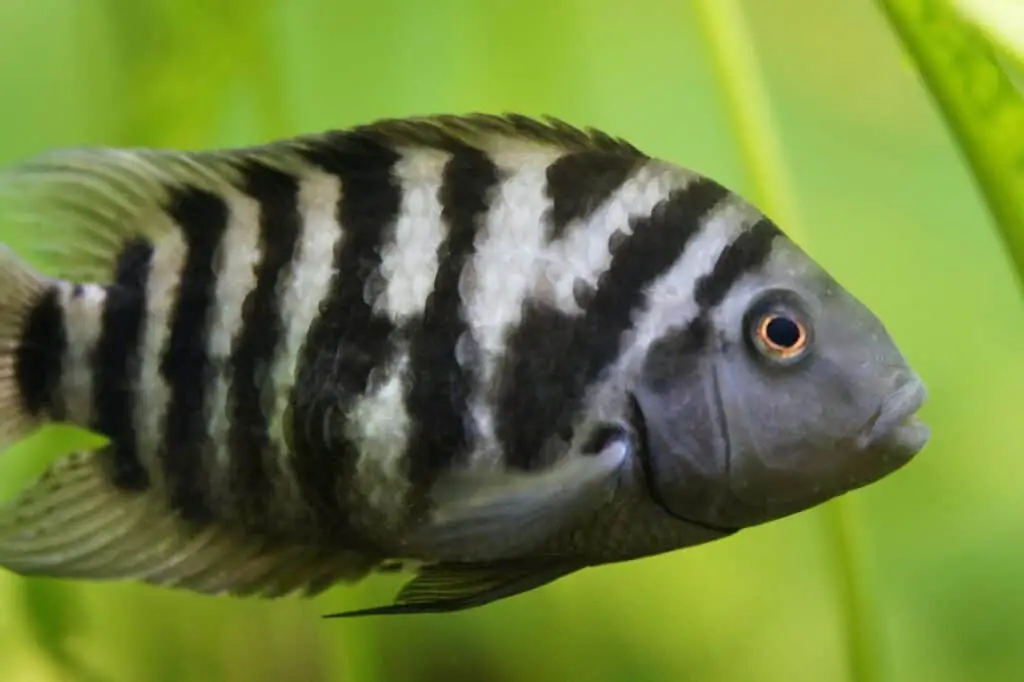
Convict zebra cichlids
My favorite easy-to-breed tropical fish is the Convict zebra cichlid due to their strong breeding instincts and territorial nature. These small but feisty fish are known for their tendency to reproduce quickly and easily in home aquariums. They are highly aggressive and will fiercely protect their eggs and fry, making them excellent parents. With proper care and a well-maintained tank, breeding Convict zebra cichlids can be a rewarding and exciting experience for any hobbyist.
Zebra Danios
Another easy-to-breed tropical fish species I found when breeding is the Zebra Danios. These small, vibrant fish are a great addition to any aquarium. Here are three reasons why Zebra Danios are a popular choice for breeding:
– They are highly adaptable and can thrive in a variety of water conditions.
– Zebra Danios are prolific breeders, with females capable of producing hundreds of eggs.
– Their eggs are easy to care for, making the breeding process relatively simple for beginners.
With their striking appearance and ease of breeding, Zebra Danios are an excellent option for anyone looking to start breeding tropical fish.
Firemouth Cichlids
Firemouth Cichlids are known for their ease of breeding as they are prolific egg layers. These stunning fish are native to Central America and are popular among aquarium enthusiasts. The male Firemouth Cichlid is known for its fiery red colouration, while the female has a more subtle appearance. They are relatively easy to breed, requiring a maintained tank with appropriate water conditions. You can enjoy watching these beautiful fish reproduce and raise their fry with proper care and a suitable environment.
Rosy Barbs
Moving on to another easy-to-breed tropical fish species, let’s discuss the Rosy Barbs, known as prolific egg layers. These vibrant fish are a great addition to any home aquarium. Here are some key points about breeding Rosy Barbs:
– They are hardy and adaptable, making them easier to care for.
– Rosy Barbs prefers a well-planted aquarium with plenty of hiding spots.
– Males display vibrant colors and compete for the attention of females during breeding.
Breeding Rosy Barbs can be a fulfilling and delightful experience for any fish enthusiast.

Live Bearers vs. Eggs Layers
Breeding tropical fish can be simplified by understanding the difference between live bearers and egg layers. Livebearers, such as guppies and mollies, give birth to live fry, while egg layers, like tetras and cichlids, lay eggs that hatch later. Livebearers are generally considered easier to breed, requiring lesser attention and having a higher survival rate.
They are known for their prolific breeding, producing numerous babies at a time. On the other hand, egg layers tend to have a more complex breeding process, requiring specific conditions for successful egg fertilization and incubation. While both live bearers and egg layers can be rewarding to breed, beginners might find live bearers more suitable due to their simplicity and abundance of offspring.
How to Set up a Breeding Tank
To set up a breeding tank, I will need an appropriate-sized aquarium and the necessary equipment. Here are the steps to follow:
Step 1: Choose a tank size that suits the species you plan to breed. Some species require larger tanks to accommodate their breeding behaviour.
Step 2: Install a heater to maintain the ideal water temperature for breeding. Different fish species have specific temperature preferences.
Step 3: Provide hiding spots and plants for the fish to lay their eggs or for the fry to hide. This will increase their chances of survival.
Step 4: Set up a sponge filter or a filtration system that won’t harm delicate fry.
Step 5: Use a gentle air pump to create water movement, simulating the natural environment and encouraging breeding.
Step 6: Ensure the water parameters, such as pH and hardness, are suitable for the specific fish species you plan to breed.
Step 7: Lastly, introduce the breeding pair into the tank and monitor their behavior closely.
How to Care for Your Breeding Fish
When it comes to caring for your breeding fish, there are a few key points to keep in mind. First, providing plenty of hiding spots in the tank reduces stress and promotes breeding behavior. Additionally, ensuring that your fish have enough space to swim and establish territories is essential for their overall well-being. Proper feeding and filtration are also vital to maintain water quality and support the breeding fish’s and their offspring’s health.
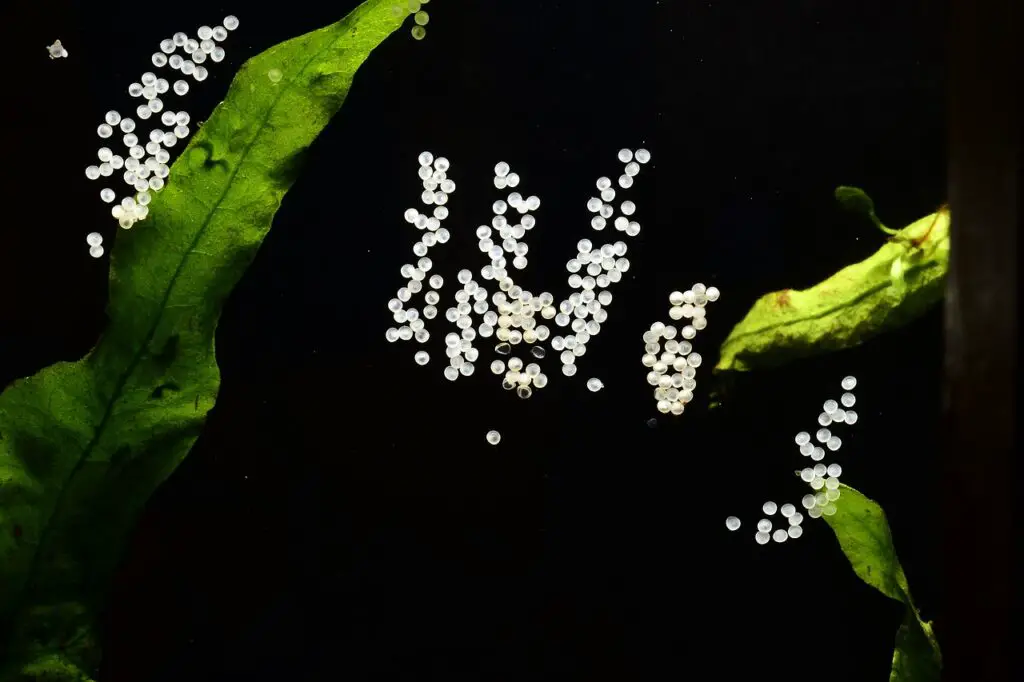
Hiding Spots
One important aspect of caring for my breeding fish is providing them with ample hiding spots. Hiding spots are essential for the well-being and breeding success of tropical fish. Here are three reasons why hiding spots are crucial:
Safety: Hiding spots provide a sense of security for breeding fish, allowing them to retreat and hide from potential threats. This reduces stress levels and promotes a healthier breeding environment.
Territory Establishment: Hiding spots help fish establish their territories within the aquarium. They provide a designated space for each fish to claim as its own, reducing aggression and territorial disputes.
Egg Protection: Hiding spots offer a safe haven for fish to lay their eggs. They provide a secluded area where eggs can be protected from predators and disturbances, increasing the chances of successful breeding.
Space
I always ensure that my breeding fish have enough space in their aquarium to thrive and reproduce successfully. Providing adequate space is crucial for their overall well-being and successful breeding. When it comes to breeding fish, a spacious environment is essential as it allows them to exhibit natural behaviors and establish territories. A cramped tank can lead to stress, aggression, and poor water quality, which negatively impacts their breeding behavior.
I recommend considering the size and number of fish you plan to breed and selecting an aquarium that accommodates their needs. It’s important to provide ample swimming space and ensure that there are no overcrowding issues. Additionally, having proper filtration and regular water changes will help maintain a suitable environment for your breeding fish. Remember, a comfortable and spacious aquarium is key to supporting the successful breeding of tropical fish.
Feeding
To ensure the proper care and nutrition for my breeding fish, I rely on a varied diet and provide them with a combination of high-quality commercially available fish food and live or frozen foods. Feeding my breeding fish is not just about keeping them alive; it’s about providing them with the best possible nutrition to support their reproductive efforts. Here are three key aspects of feeding that I prioritize:
Balanced nutrition: I make sure to offer a mix of protein-rich foods, such as brine shrimp or bloodworms, to support their growth and reproduction. Alongside these live or frozen foods, I also provide them with high-quality pellets or flakes that contain essential vitamins and minerals.
Feeding frequency: Breeding fish require frequent feeding to meet their increased metabolic demands. I feed them small amounts multiple times a day, ensuring they have enough energy to reproduce successfully.
Variety: Just like humans, fish benefit from a diverse diet. I rotate the types of live or frozen foods I offer, allowing my breeding fish to experience a range of nutrients and flavors.
Filtration
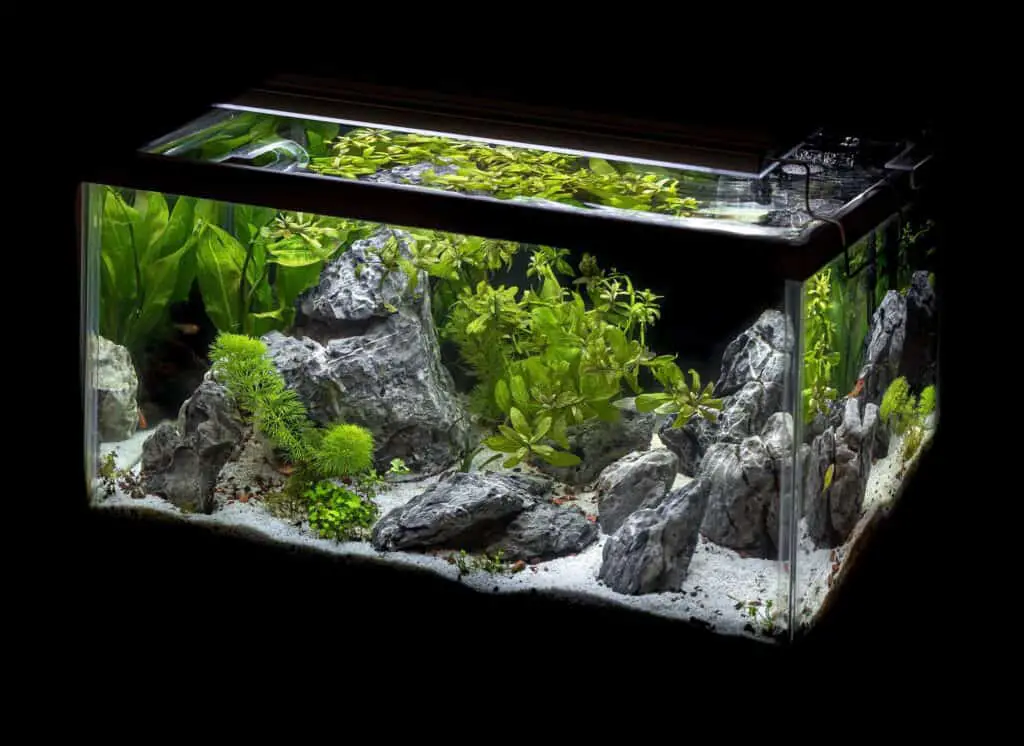
For optimal care of breeding fish, it is essential to prioritize efficient filtration in the home aquarium. Filtration plays a vital role in maintaining water quality and creating a favorable environment for your fish to thrive and reproduce. A well-functioning filtration system helps remove excess waste, uneaten food, and harmful toxins from the water, preventing the buildup of ammonia and nitrites that can be detrimental to fish health and breeding success.
When choosing a filtration system, consider the specific needs of your breeding fish, such as the size of your tank and the type of filtration media required. Canister filters and sponge filters are popular choices for breeding tanks, as they provide mechanical, chemical, and biological filtration. Regular maintenance and cleaning of your filtration system are also vital to ensure its optimal performance. By investing in efficient filtration, you are taking a proactive approach to providing the best care for your breeding fish and increasing the chances of successful breeding in your home aquarium.
Breeding tropical fish can be an exciting and rewarding experience for any aquarium enthusiast. After exploring the world of tropical fish breeding, it’s safe to say that there are some species that are easier to breed than others. From the vibrant guppies to the resilient mollies, these fish are practically the superheroes of the aquarium world when it comes to reproduction. So, if you’re looking for an effortless breeding experience, look no further than these incredible tropical fish species.
Frequently Asked Questions
Can All Tropical Fish Be Bred in a Home Aquarium?
- Not all tropical fish can be bred in a home aquarium. Some species have specific breeding requirements that can be challenging to replicate. It’s important to research the specific needs of each fish before attempting to breed them.
How Long Does It Usually Take for Tropical Fish to Breed?
- Depending on the species and how well you have replicated their ideal breeding environment, it usually takes tropical fish a few weeks to a few months to breed.
What Is the Ideal Water Temperature for Breeding Tropical Fish?
- The ideal water temperature for breeding tropical fish depends on the specific species, but generally, it ranges from 75 to 82°F (23.88 to 27.7°C). Maintaining a stable and suitable temperature is crucial to ensure successful breeding and the health of the fish fry.
Are There Any Specific Dietary Requirements for Breeding Tropical Fish?
- Yes, there are specific dietary requirements for breeding tropical fish. Providing balanced diets rich in protein and essential nutrients is crucial to ensure successful breeding and healthy offspring.
Can Breeding Tropical Fish Be a Profitable Venture?
- Breeding tropical fish can be a profitable venture if done right. It requires knowledge, dedication, and proper setup. By selecting easy-to-breed species and providing optimal conditions, you can increase the chances of success and potentially make some money in the process.