Are you contemplating adding some nano fish to your collection but finding it difficult to decide which ones to choose? My experience with small tropical fish is vast, so let me share with you what I think are the top 21 species. From the graceful movements of the Neon Tetra to the vibrant hues of the Guppy, I will give you insights on each species to aid you in your search for small tropical fish.
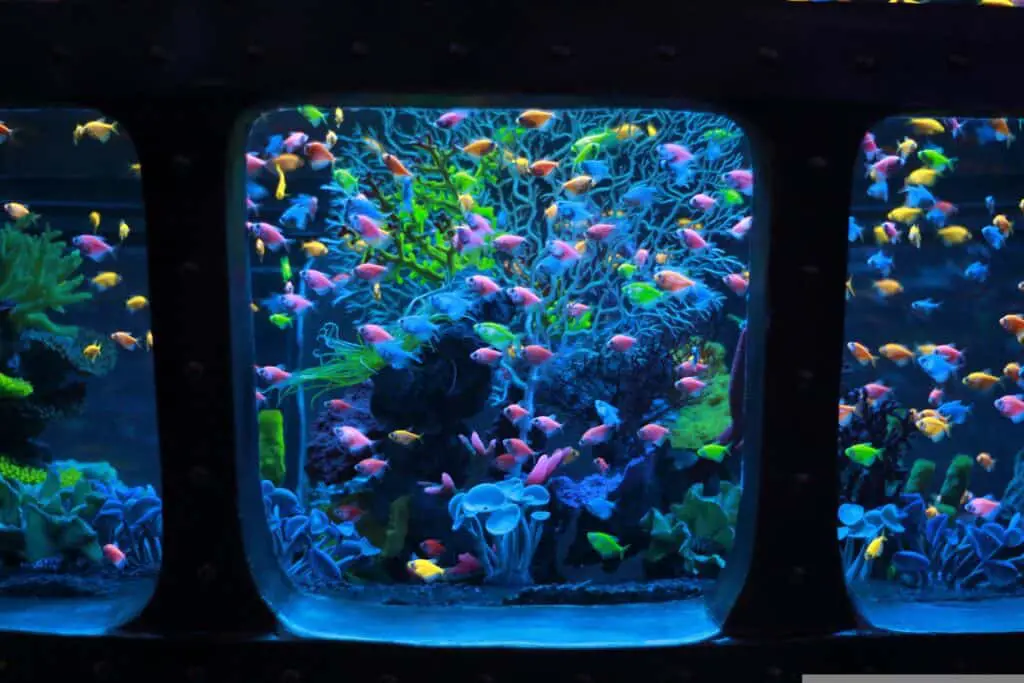
List of small tropical fish
While keeping an array of small fish species, I learned about the diverse world of small tropical fish. I have come across a fascinating array of species, and the most notable of all that stand out are:
- Guppy
- Neon tetra
- Zebra danios
- Cory catfish
- White Cloud Mountain minnow
- Cherry barb
- Seluang fish / Silver Rasbora
- Black Skirt Tetra
- Tiger barb
- Pygmy Corydoras
- Ember tetras
- Endler’s livebearers
- Harlequin rasboras
- Celestial Pearl Danios
- Chili rasboras
Guppy
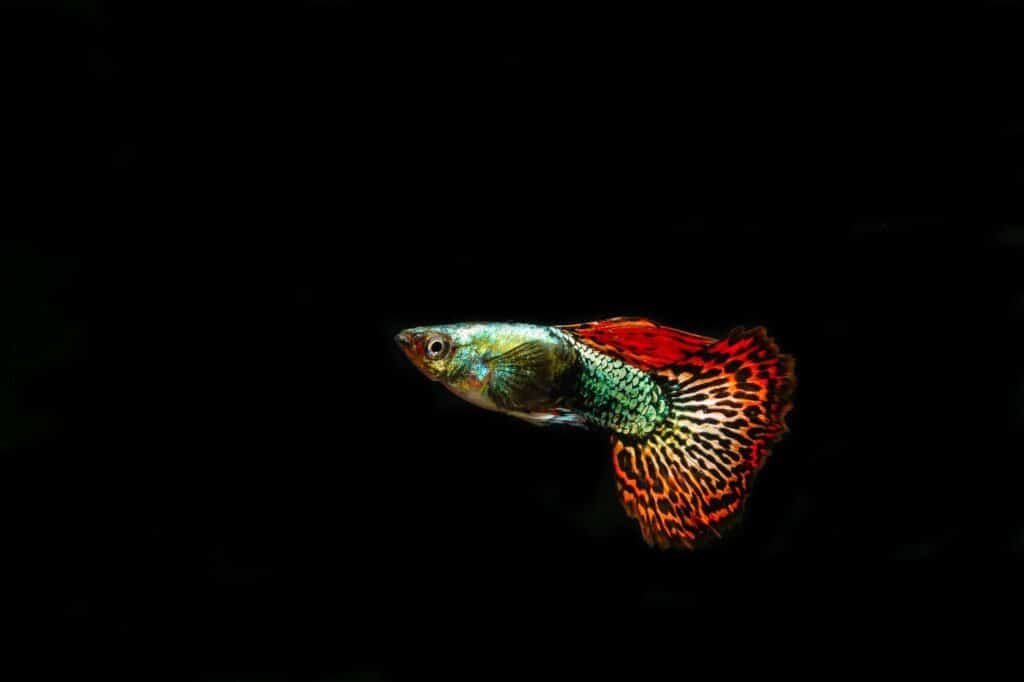
Guppies, scientifically known as Poecilia reticulata, hail from the vibrant freshwaters of northeastern South America, including places like Venezuela, Trinidad, and Barbados. These small and colorful fish typically reach sizes of 1.5 to 2.5 inches (4 to 5 cm) for males and slightly larger for females. Their life expectancy ranges from 1.5 to 3 years, influenced by the care they receive. I find their peaceful and sociable nature delightful, making them fantastic community fish that can coexist with various other species in the aquarium.
For a happy group, it’s recommended to keep at least three or more guppies together, as they thrive in the company of their kind. Their hardiness, adaptability to different water conditions, and ease of care make them the best choice for beginners. A 10-gallon tank is suitable for a small group, but larger tanks offer more swimming space. Guppies are omnivores and relish a diet of flake or pellet fish food and live or frozen options like brine shrimp and daphnia. Providing stable water parameters with temperatures between 70-80°F (21 -28°C) and a pH of 7.0 to 8.2 is essential for their well-being.
Neon Tetra:
Scientific name: Neon tetras, or Paracheirodon innesi.
Where do they come from: Native to South America, neon tetras can be found in the Amazon Basin, particularly in Brazil, Colombia, and Peru.
Adult size: These small fish typically reach about 1.5 inches (3.8 cm) in length.
Life expectancy: Neon tetras have a life expectancy of 5 years or more when provided with proper care.
Temperament: They are peaceful and non-aggressive, making them excellent community fish that get along with other species.
How many to keep: Neon tetras thrive in schools of at least six individuals, as they feel more secure and exhibit their vibrant colors when in a group.
Are they suited for beginners: Yes, neon tetras are well-suited for beginners due to their hardiness and adaptability to various water conditions.
Min tank size: A 10-gallon tank is suitable for a small group of neon tetras, but larger tanks provide more swimming space and accommodate larger schools.
Diet: Neon tetras are omnivores and accept pellets, brine shrimp, and frozen daphnia for food.
Hardiness: They are hardy fish when provided with stable water parameters, including a temperature of 72-78°F (22-26°C) and a pH of 6.0 to 7.0.
Zebra Danios:
Zebra Danios, scientifically referred to as Danio rerio, is native to rivers in India, Nepal, and Bangladesh, boasting their distinctive striped patterns. These small fish typically reach about 2 inches 5 cm) in length and can live for approximately 3 to 5 years with proper care. Zebra danios are active and peaceful, making them excellent candidates for community tanks, and are often kept in groups of 5 to 6 to bring out their best behavior.
They’re a great choice for beginners thanks to their hardiness and adaptability to different water conditions, requiring at least a tank size of 10 gallons for a small school. Their diet consists of flake or pellet foods, as well as live or frozen options like brine shrimp and daphnia. Maintaining stable water parameters with a temperature between 64-74°F (18-24°C) and a pH range of 6.0 to 8.0 is key to their well-being.

Cory Catfish:
Scientific name: Cory catfish, or Corydoras spp., are a diverse group of bottom-dwelling fish.
Where do they come from: These catfish species are native to South America and primarily found in the Amazon River basin.
Adult size: Depending on the species, cory catfish typically reach 2 to 3 inches (5.1 to 7.6 cm) in length.
Life expectancy: With proper care, cory catfish can live for 5 to 10 years or more.
Temperament: They are peaceful and social fish suitable for community tanks with non-aggressive species.
How many to keep: Cory catfish are shoaling fish and should be kept in groups of at least 3 to 6 or more for their well-being.
Are they suited for beginners: Yes, cory catfish are suitable for beginners due to their hardiness and compatibility with various tankmates.
Min tank size: A 20-gallon tank or larger is recommended to provide ample space for a group of cory catfish.
Diet: They are omnivorous and accept a diet of sinking pellets, live and frozen foods like bloodworms, brine shrimp, and even vegetable matter.
Hardiness: Cory catfish are hardy fish that tolerate a wide range of water conditions, with a temperature of 72-78°F (22-26°C) and a pH of 6.0 to 7.5.
White Cloud Mountain minnow
White Cloud Mountain Minnows, scientifically known as Tanichthys albonubes, originate from the White Cloud Mountain region in China. These tiny and peaceful fish typically reach lengths of around 1.5 to 2 inches (3.8 – 5.1 cm) and have a life expectancy of 3 to 5 years when well cared for. White Cloud Mountain Minnows are sociable and thrive in groups, so keeping them in schools of at least 6 or more is recommended. They are an excellent choice for beginners due to their hardiness, adaptability to various water conditions, and ease of care.
A small tank of 10 gallons or more is suitable for these fish, making them a great choice for nano aquariums. Their diet consists of flake foods, small pellets, and live or frozen options like brine shrimp and daphnia. White Cloud Mountain Minnows can tolerate temperatures between 64-72°F (18-22°C) and a pH range of 6.0 to 7.5, making them versatile and low-maintenance additions to your aquarium.
Cherry barb
Scientific name: Cherry barbs, known as Puntius titteya in the scientific community, are vibrant and charming freshwater fish.
Where do they come from: Originating from Sri Lanka, cherry barbs are found in the rivers and streams of this South Asian island nation.
Adult size: These fish typically grow to about 1.5 to 2 inches (3.8 – 5.1 cm) in length.
Life expectancy: With proper care, cherry barbs can live for approximately 4 to 7 years.
Temperament: Cherry barbs are known for their peaceful and social nature, making them great additions to community tanks with other non-aggressive fish.
How many to keep: It’s recommended to keep cherry barbs in groups of at least 6 or more to promote their well-being and display their natural behaviors.
Are they suited for beginners: Yes, cherry barbs are suitable for beginners due to their hardiness and adaptability to various water conditions.
Min tank size: A 15-gallon tank or larger is recommended to provide enough space for a small school of cherry barbs to swim comfortably.
Diet: Cherry barbs are omnivorous and accept a diet consisting of high-quality flakes, pellets, live or frozen foods like brine shrimp, bloodworms, and even vegetable matter.
Hardiness: Cherry barbs are hardy fish that tolerate a wide range of water conditions, with a temperature range of 73-81°F (22-27°C) and a pH range of 6.0 to 7.0.
Seluang fish/ silver rasbora
Silver Rasboras, scientifically known as Rasbora argyrotaenia, are an elegant and understated addition to the world of freshwater aquariums. Originating from Southeast Asia, specifically in the clearwater streams of Thailand, these fish are appreciated for their simplicity and grace. Silver Rasboras typically reach lengths of about 1.5 to 2 inches (3.8 – 5.1 cm) and have a life span of 3 to 5 years with proper care. These rasboras are known for their peaceful and sociable nature, making them ideal for community tanks, where they flourish when kept in small groups.
While they may not boast the vibrant colors of some other species, their silvery appearance and graceful movements make them a captivating choice for aquarists of any level, from beginners to experts. A tank of 15 gallons or more is suitable for a small school of Silver Rasboras, and providing ample swimming space and some plants to mimic their natural habitat enhances their well-being. Silver Rasboras are omnivores and accept pellets and flakes along with live and frozen foods like brine shrimp and daphnia. They are quite hardy fish that can adapt to various water conditions, with a temperature range of 72-78°F (22-26°C) and a pH level of 6.0 to 7.5, ensuring they bring an element of grace and serenity to your aquarium.
Black Skirt Tetra
Scientific name: Black Skirt Tetras, or Gymnocorymbus ternetzi, are a popular and striking freshwater fish.
Where do they come from: Originating from South America, specifically the Paraguay and Guaporé river basins, these tetras are commonly found in Brazil, Bolivia, and Paraguay.
Adult size: Black Skirt Tetras can grow to an average length of 2.5 – 3 inches (6.4 to 7.6 cm).
Life expectancy: With proper care, they live for about 3 to 5 years.
Temperament: These tetras are known for their peaceful and sociable nature, making them ideal for community tanks with other calm species.
How many to keep: Black Skirt Tetras do best when kept in groups of at least 6 or more to reduce stress and exhibit their natural behaviors.
Are they suited for beginners: Yes, Black Skirt Tetras are suitable for beginners due to their hardiness and ease of care.
Min tank size: A 20-gallon tank or larger is recommended to provide ample swimming space for a group of Black Skirt Tetras.
Diet: They are omnivores and accept a diet of premium flakes, pellets, and live or frozen foods.
Hardiness: Black Skirt Tetras are hardy fish that can tolerate a range of water conditions, with a temperature of 72-82°F (22-28°C) and a pH of 6.0 to 8.0.

Tiger barb
Tiger Barbs, scientifically referred to as Puntigrus tetrazona, are captivating and energetic freshwater fish. Their origins are from the islands of Borneo and Sumatra in Southeast Asia. They can be found in various types of water bodies, including streams and rivers. These fish grow to about 2 to 3 inches (5.1 to 7.6 cm) and can live for approximately 6 to 7 years under proper care. Tiger Barbs are renowned for their active and somewhat nippy temperament, and they are known for being semi-aggressive. Keeping them in groups of at least 6 or more helps reduce aggression and allows them to showcase their natural behaviors.
While they can be captivating, Tiger Barbs may not be the best choice for beginners due to their feisty nature and potential for fin-nipping. A tank of at least 20 gallons or more is recommended to provide ample swimming space, and it should be well-decorated with plants and hiding spots to create a sense of security. Their diet includes a variety of top-quality flakes, pellets, and live or frozen foods. Tiger Barbs thrive in water temperatures ranging from 74-79°F (23-26°C) and a pH level of 6.0 to 7.0.
Pygmy Corydoras
Scientific name: Pygmy Corydoras, or Corydoras pygmaeus, are captivating miniature bottom-dwelling fish.
Where do they come from: Pygmy Corydoras originate from the Rio Madeira basin of Brazil and Bolivia in South America.
Adult size: These diminutive fish typically reach only about 1 inch (2.5 cm) in length.
Life expectancy: Pygmy Corydoras can live for approximately 3 to 5 years with proper care.
Temperament: They are known for their peaceful and sociable nature, making them ideal for community tanks with other calm species.
How many to keep: Pygmy Corydoras thrive in shoals and should be kept in groups of at least 6 or more to feel secure and exhibit their natural behaviors.
Are they suited for beginners: Yes, Pygmy Corydoras are well-suited for beginners due to their hardiness, making them a delightful choice for those new to the hobby.
Min tank size: A smaller tank of 10 gallons or more is suitable for these tiny fish, and it should be decorated with plants and hiding spots to create a comfortable environment.
Diet: Pygmy Corydoras are omnivores enjoying a diet of good quality flakes, pellets, and live or frozen foods.
Hardiness: They appreciate stable water parameters, including a temperature of 72-78°F (22-26°C) and a pH of 6.0 to 7.5, for their well-being.
Ember tetras
Ember Tetras, scientifically known as Hyphessobrycon amandae, is a captivating and vibrant addition to the aquarium world. These tiny freshwater fish are native to the Amazon Basin in South America, particularly in Brazil. Ember Tetras are among the smaller species, typically growing to just around 0.8 to 1 inch (2 to 2.5 cm) in length. They have a life expectancy of approximately 2 to 4 years when provided with proper care. Known for their peaceful and sociable nature, Ember Tetras are fantastic community fish that thrive when kept in groups of at least six or more.
Their fiery red and orange hues make them a striking choice for aquarists of all levels, including beginners. A 10-gallon tank is suitable for a small group of Ember Tetras, making them perfect for nano aquarium setups. They are omnivorous, accepting a diet of good-quality flakes, pellets, live and frozen foods. These hardy little fish can adapt to a variety of water conditions, with an ideal temperature range of 73-84°F (23-29°C) and a pH level of 6.0 to 7.0, ensuring they remain lively and vibrant in your aquarium.
Endler’s livebearers
Scientific name: Endler’s Livebearers, or Poecilia wingei.
Where do they come from: Originating from Venezuela, Endler’s Livebearers share their colorful charm with their guppy relatives.
Adult size: These fish typically reach sizes of about 1 to 1.5 inches (2.5 – 3.8 cm) in length.
Life expectancy: With proper care, they can have a life expectancy of approximately 2 to 3 years.
Temperament: Known for their peaceful and sociable nature, Endler’s Livebearers are great additions to community tanks, often thriving when kept in groups.
How many to keep: These striking fish are favorites among aquarists, from beginners to experts, and appreciate being kept in small groups of 5 at minimum.
Are they suited for beginners: Endler’s Livebearers are well-suited for aquarists of all levels, thanks to their hardiness and adaptability.
Min tank size: A small tank of 10 gallons or more is suitable for a group of Endler’s Livebearers, and they appreciate a well-planted environment.
Diet: These omnivorous fish enjoy a diet of good-quality flakes, pellets, and live or frozen foods like brine shrimp and daphnia.
Hardiness: Endler’s Livebearers are hardy and can adapt to various water conditions, with a preferred temperature range of 75-82°F (24-28°C) and a pH level of 6.5 to 8.0, ensuring they display their vibrant colors and lively behavior in your aquarium.
Harlequin rasboras
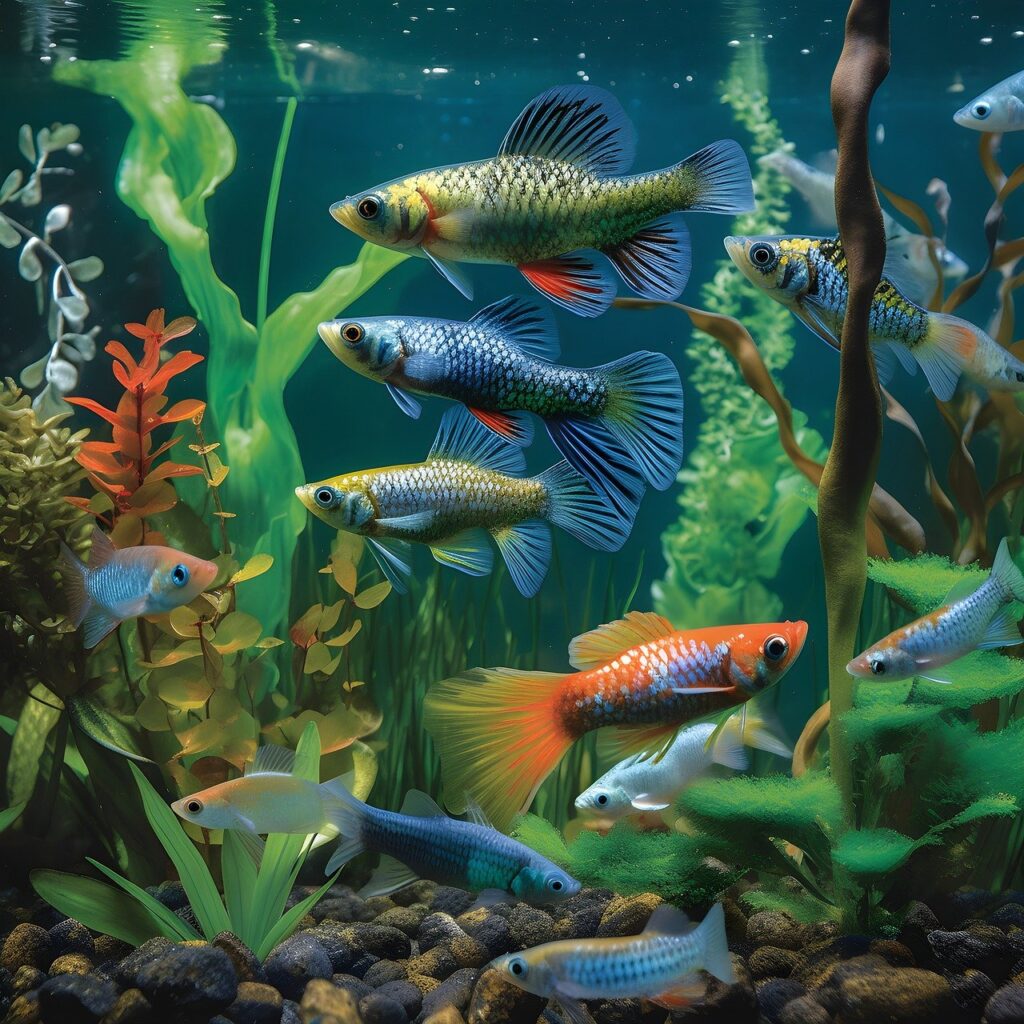
Harlequin Rasboras, scientifically known as Trigonostigma heteromorpha, are a popular and charming species in the world of freshwater aquarium fish. Originating from Southeast Asia, particularly in Thailand, Malaysia, Singapore, and Indonesia, these fish are often found in the clear, slow-moving waters of the region. Harlequin Rasboras typically reach sizes of about 1.5 to 2 inches (3.8 – 5.1 cm) in length and have a life expectancy of approximately 5 to 8 years when provided with proper care. These rasboras are renowned for their peaceful and social nature, making them excellent additions to community tanks, where they thrive when kept in groups of six or more.
Their striking coloration, characterized by a deep blue-black triangle in the body, makes them a visually appealing choice for aquarists of all levels, from beginners to experts. A 10-gallon tank or larger is suitable for a small group of Harlequin Rasboras, and it’s advisable to create a well-planted and decorated environment with subdued lighting to simulate their natural habitat. Harlequin Rasboras are omnivorous, accepting a diet of good-quality flakes, pellets, and live or frozen foods like brine shrimp and daphnia. They are hardy fish that adapt well to various water conditions, with a temperature range of 72-78°F (22-26°C) and a pH level of 6.0 to 7.8, ensuring they remain vibrant and lively in your aquarium.
Celestial Pearl Danios
Scientific name: Celestial Pearl Danios, or Danio margaritatus, are an enchanting and sought-after species in the aquarium world.
Where do they come from: Originating from Southeast Asia, specifically Myanmar, Thailand, and Laos, these tiny fish inhabit slow-moving waters, including shallow ponds and streams.
Adult size: Celestial Pearl Danios are small, typically growing to about 0.75 to 1 inch (1.9 to 2.5 cm) in length.
Life expectancy: With proper care, they live for approximately 2 to 3 years.
Temperament: Known for their peaceful and sociable nature, Celestial Pearl Danios are perfect for community tanks, thriving when kept in small groups.
How many to keep: These fish, often referred to as “galaxy rasboras” or “CPDs,” are best kept in groups of 6 at minimum.
Are they suited for beginners? While they are captivating, Celestial Pearl Danios may be better suited for aquarists with some experience due to their specific care requirements.
Min tank size: A small tank of 10 gallons or more is suitable for a group of Celestial Pearl Danios, and they prefer a well-planted aquarium with subdued lighting.
Diet: These omnivorous fish accept a diet of good-quality flakes, pellets, and live or frozen foods like brine shrimp and daphnia.
Hardiness: Celestial Pearl Danios can adapt to various water conditions, with a temperature range of 73-79°F (23-26°C) and a pH level of 6.0 to 7.5, ensuring their striking appearance and behavior shine in your aquarium.
Chili rasboras
Chili Rasboras, scientifically known as Boraras brigittae, are a captivating and diminutive species that adds a burst of color to freshwater aquariums. Originating from Southeast Asia, specifically in the region of Sumatra, Borneo, and the Malay Peninsula, these small fish thrive in slow-moving waters, like peat swamps and blackwater streams. Chili Rasboras are among the tiniest aquarium fish, typically reaching lengths of about 0.6 to 0.8 inches (1.5 to 2 cm), and have a life expectancy of 2 to 3 years with proper care. Renowned for their peaceful and social nature, they are excellent choices for nano and planted tanks, where their vivid colors and schooling behavior shine.
A group of at least 8 to 10 Chili Rasboras creates a stunning visual display, and they are well-suited for both beginner and experienced aquarists. A small tank of 5 gallons or more is suitable for these minuscule gems, but providing plenty of plants and hiding spots recreates their natural habitat and keeps them feeling secure. Chili Rasboras are omnivores, accepting a diet of good-quality flakes, pellets, and live or frozen foods like microworms and daphnia. They thrive in stable water conditions with temperatures around 73-79°F (23-26°C) and a pH level of 4.0 to 7.0, making them an ideal choice for aquarists looking to create a vibrant yet low-maintenance aquatic environment.
Exploring the world of small tropical fish unveils a fascinating array of species to admire and study. One intriguing statistic that captivates the audience is the astonishing fact that there are over 1,500 known species of small tropical fish, each with unique characteristics and vibrant colors. Use the information supplied and choose wisely; best of luck.
Frequently Asked Questions
How Often Should Small Tropical Fish Be Fed, and What Type of Food Is Best for Them?
- I feed my small tropical fish twice a day, following a strict feeding schedule. They require a balanced diet of both live and prepared food to meet their nutritional requirements. I prefer using reputable brands for their best health.
Can Small Tropical Fish Be Kept in a Community Tank With Other Fish Species?
- Yes, but introducing new fish in a community tank requires careful consideration. Compatibility with different species is crucial for maintaining a balanced ecosystem. Creating hiding spots and monitoring aggression levels are essential for the well-being of all inhabitants.
What Is the Average Lifespan of Small Tropical Fish?
- The average lifespan of small tropical fish depends on their species. It can range from 1-5 years.
Are There Any Specific Water Parameters That Need to Be Maintained for Small Tropical Fish to Thrive?
- To ensure small tropical fish thrive, specific water parameters must be maintained. For example, maintaining proper water quality, tank size, feeding schedule, breeding habits, and temperature requirements are crucial for their well-being and longevity.