Have you ever wondered what the best food is for tropical fish? My experience has made me understand the importance of providing the right nutrition for our aquatic friends. In this article, I will guide you through the process of choosing the perfect fish food. We will explore the dietary needs of tropical fish and discuss the top factors to consider when making your selection. Together, let’s ensure our fish receive the best care possible.
What is the best food for tropical fish?
When it comes to feeding tropical fish, I find that a varied diet consisting of high-quality pellets, frozen and live foods is the best approach. Tropical fish, like any other living organisms, require a balanced and nutritious diet to thrive.
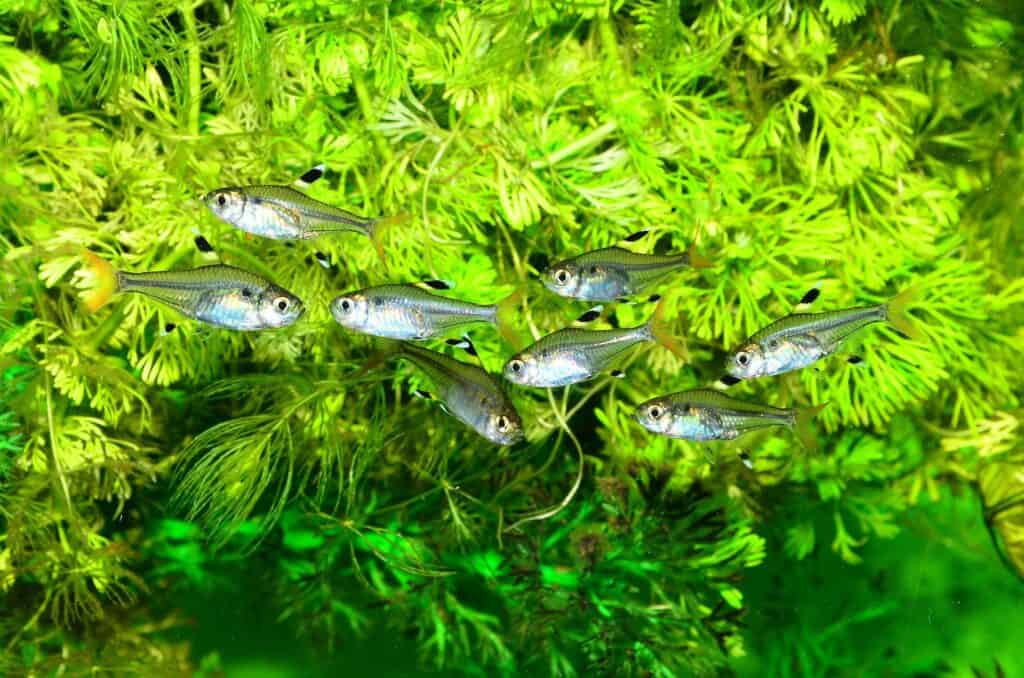
It is also important to consider the natural diet of your specific fish species when choosing their food. Some tropical fish are herbivores, while others are omnivores or carnivores. Understanding the dietary needs of your fish will help you select appropriate food options that mimic their
Understanding the Dietary Needs of Tropical Fish
As a tropical fish owner, it is important to understand the specific dietary needs of these aquatic creatures. Tropical fish require a balanced diet that provides them with essential nutrients for growth, health, and vibrant colors. The table below outlines the key dietary requirements of tropical fish:
| Nutrients | Sources | Benefits |
| Protein | Fish, shrimp, worms | Promotes growth and tissue repair |
| Carbohydrates | Plants, algae | Provides energy |
| Fats | Brine shrimp | Supports organ function and insulation |
| Vitamins | Fresh fruits, vegetables | Enhances immune system and overall health |
| Minerals | Calcium-rich foods, seaweed | Strengthens bones and teeth |
Understanding these dietary needs allows you to choose the appropriate food for your tropical fish, ensuring their optimal health and well-being. By serving their nutritional requirements, you can delight in the beauty and vitality of your aquatic companions.

Top Factors to Consider When Choosing Fish Food
Not all fish food is created equal. When selecting the best food for your tropical fish, there are several factors to consider:
Pellets vs. Flakes: Which Food Is Best for Tropical Fish?
To determine the best food for tropical fish, it is important to consider the top factors in choosing between pellets and flakes. Each option has its own advantages and disadvantages, so it is imperative to make an informed decision. Pellets are considered a good choice due to their high nutrient content and slow-sinking properties. They are often enriched with essential vitamins and minerals, promoting the overall health of tropical fish. On the other hand, flakes are convenient and easily digestible. They float on the water’s surface, mimicking the natural feeding behavior of fish. However, flakes can lose their nutritional value over time if not stored properly. Ultimately, the best food choice depends on the specific needs and preferences of your tropical fish. Consulting with a veterinarian or fish expert is recommended to ensure the optimal diet for your fish.
Live vs. Freeze-Dried vs. Frozen: Selecting the Right Food Type
I frequently choose between live, freeze-dried, and frozen food options for my tropical fish. Each option has its advantages and considerations that need to be taken into account. To help you make an informed decision, I have created a table outlining the main factors to consider when choosing fish food:
| Food Type | Advantages | Considerations |
| Live food | Mimics natural diet, high in nutrients | Potential for introducing diseases and parasites |
| Freeze-dried food | Easy to store and use, retains nutritional value | Can cause bloating if not soaked properly |
| Frozen food | Convenient, high in nutrients | Requires freezer space |
In my experience, a combination of all three food types provides the best nutrition for tropical fish. Live food adds variety and mimics their natural diet, while freeze-dried and frozen foods offer convenience and essential nutrients.
Homemade vs. Commercial Fish Foods: Pros and Cons
Homemade fish food offers the advantage of being customizable and allows me to control the ingredients and nutritional content. I can include fresh, high-quality ingredients such as fish, vegetables, and fruits, providing a varied diet for my fish. However, homemade fish food requires time and effort to prepare and may lack certain essential nutrients that are present in commercial fish foods.
Common Mistakes to Avoid When Feeding Tropical Fish
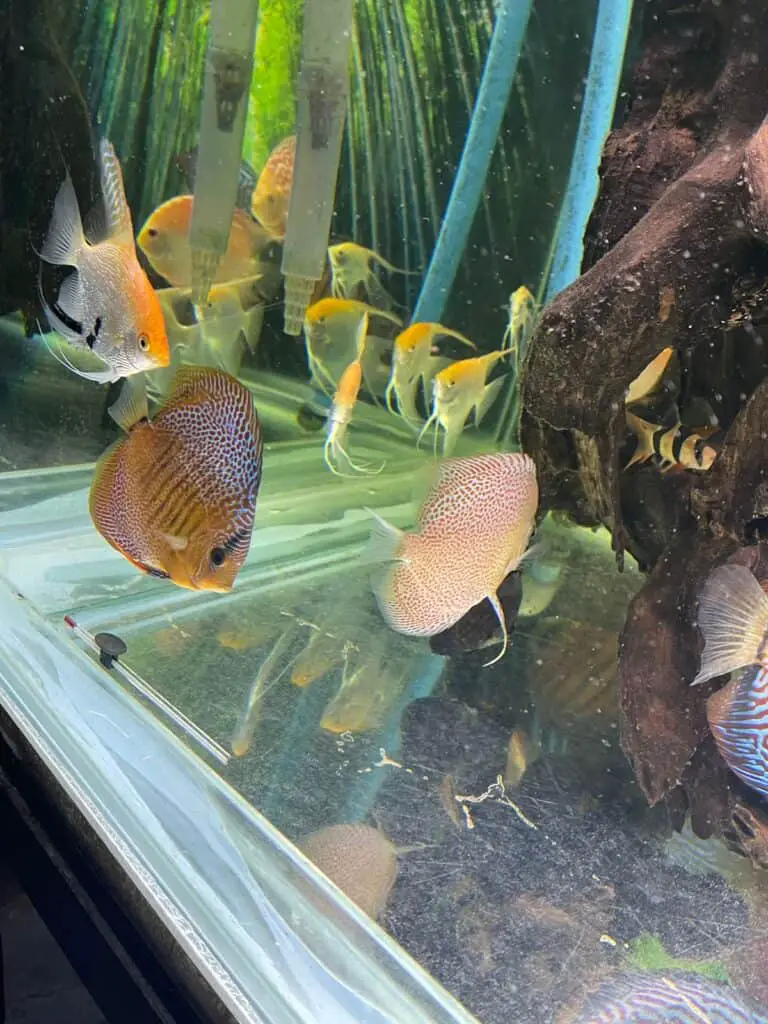
One common mistake when feeding tropical fish is overfeeding them, which can lead to water pollution and health issues. Overfeeding occurs when fish are given more food than they can consume in a short period of time. This can have several negative consequences:
- Water pollution: Uneaten food will sink to the bottom of the aquarium and decompose. This decomposition process releases harmful toxins and pollutants into the water, affecting the overall water quality and potentially harming the fish.
- Health problems: Overfeeding leads to obesity and digestive issues in tropical fish. Just like humans, fish have a limit to how much food they can consume without adverse effects. Overfeeding can cause bloating, constipation, and even organ damage in extreme cases.
- Algae growth: Leftover food in the aquarium becomes a food source for algae. Algae can quickly multiply and cover the aquarium surfaces, negatively impacting the aesthetics and overall health of the tank.
To avoid these issues, it is important to feed tropical fish in moderation and only provide them with the amount of food they can consume within a few minutes.
Choosing the best food for tropical fish is crucial for their overall health and well-being. By understanding their dietary needs and considering factors like nutritional content, size, and feeding habits, we can provide them with a balanced and appropriate diet. Avoiding common mistakes in feeding, such as overfeeding or offering inappropriate food, is essential.
Frequently Asked Questions
How Often Should I Feed My Tropical Fish?
- I feed my tropical fish once a day to ensure they receive a nutritious diet and prevent overfeeding. This helps maintain their health and water quality in the aquarium.
Can I Feed My Tropical Fish Human Food?
- Feeding tropical fish human food is not recommended. Their dietary needs differ from ours, and human food may lack essential nutrients. Stick to specialized fish food to ensure their health and well-being.
Do All Tropical Fish Have the Same Dietary Needs?
- No, not all tropical fish have the same dietary needs. Different species of tropical fish require specific types of food to meet their requirements and maintain optimal health.
Can I Feed My Tropical Fish Exclusively With Freeze-Dried or Frozen Foods?
- Yes, you can feed your tropical fish exclusively with freeze-dried or frozen foods. However, it’s important to note that a varied diet is essential for their health and well-being.
What Should I Do if My Tropical Fish Refuse to Eat the Food I Provide?
- If my tropical fish refuse to eat the food I provide, I should first check the water parameters and make sure they are within the appropriate range. Then, I can try offering different types of food to see if they prefer something else.