Tropical fish are often thought to be purely carnivorous animals, consuming a diet made up exclusively of flakes, fish pellets, and small aquatic creatures. However, this is not entirely true. Many tropical fish species have been observed eating vegetation in the wild and can benefit from a balanced diet that includes vegetables. In this article, we will explore the question: Can tropical fish eat vegetables?
What vegetables can you feed tropical fish?
As a tropical fish owner, I have found that feeding my fish vegetables, such as peas, spinach, and zucchini, has proven to be beneficial for their health and dietary needs. Vegetables provide essential nutrients that contribute to the overall well-being of tropical fish. It is important to research the specific dietary needs of your particular fish in order to determine what vegetables they can safely eat. Some common vegetables that are suitable for tropical fish include:
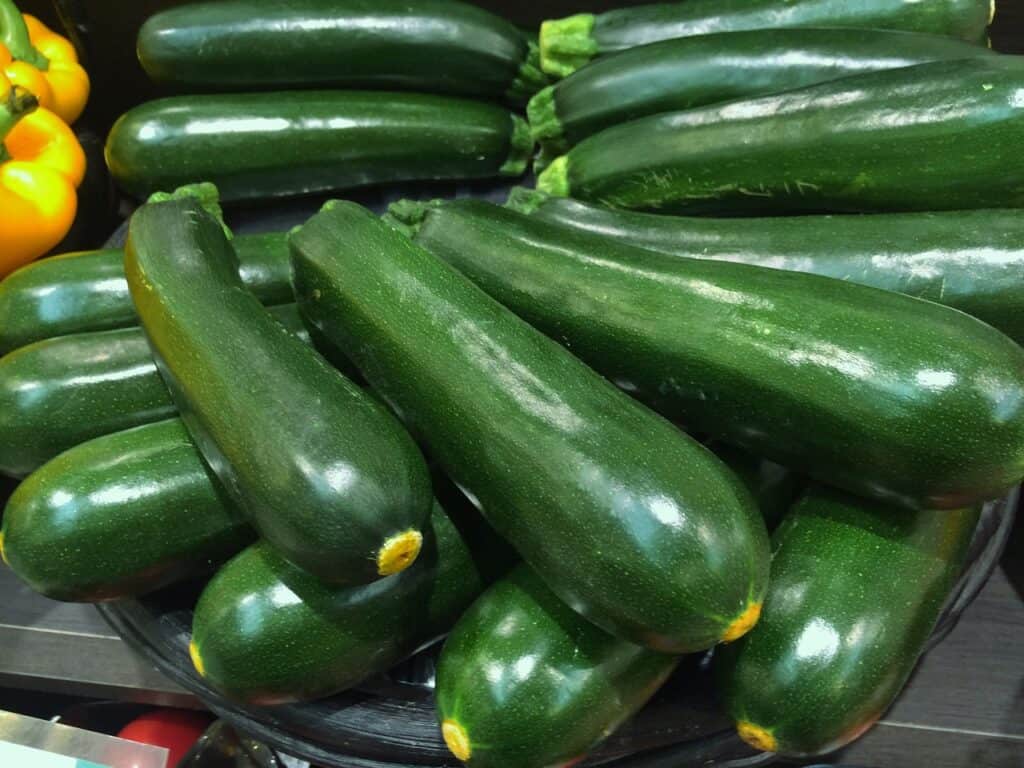
Zucchini
Zucchini is a very nutritious vegetable that can be a valuable addition to a tropical fish’s diet. Here is a list of reasons why zucchini is a good choice for your fish:
– High in fiber: Tropical fish benefit from zucchini’s high fiber content, for easy digestion and prevents constipation.
– Source of vitamins and minerals: Apart from vitamin C, zucchini also contains potassium and magnesium, which are essential for the health of fish.
Cucumber
Cucumbers are low in calories and contain high amounts of water, making them a hydrating choice for fish. They are also rich in antioxidants, which can help boost their immune system and protect against diseases. Additionally, cucumbers are a excellent form of fiber, aiding in digestion for tropical fish. When feeding cucumbers to your fish, make sure to remove the seeds and peel them, as they can be difficult for them to digest. Slicing the cucumber into thin, bite-sized pieces will make it easier for the fish to consume. Remember to monitor their intake and remove any uneaten portions to maintain water quality in their tank.

Kale
Potassium, Calcium, and vitamins A, C, and K can be found in kale. Tropical fish require these nutrients for their overall health and growth. Aside from being rich in antioxidants, kale helps fish fight disease by boosting their immune systems. When feeding kale to tropical fish, it is important to blanch it first to soften the leaves and make it easier for the fish to consume. Overall, kale is a great vegetable option to add to the diet of your tropical fish, providing your fish with essential nutrients for optimal health.
Lettuce
When it comes to lettuce, tropical fish can consume certain varieties in moderation. Here are three types of lettuce that can be suitable for their diet:
- Romaine lettuce
- Boston lettuce
- Red leaf lettuce
It is important to remember that lettuce should be blanched before offered to your fish.
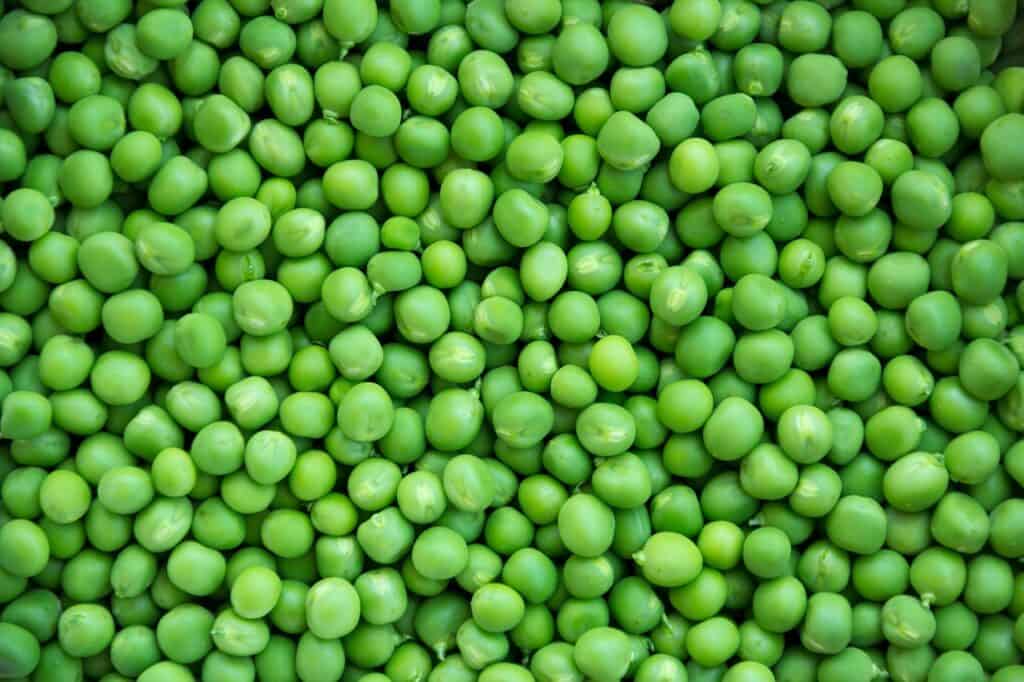
Peas
Peas are a common and nutritious vegetable that can be included in the diet of tropical fish. They are rich in essential nutrients such as vitamins, minerals, and fiber, making them a valuable addition to their diet. Peas are particularly beneficial for herbivorous and omnivorous tropical fish species, as they provide a source of plant-based protein and carbohydrates. A high water content and low fat content make peas a good source of hydration for fish. When feeding peas to tropical fish, it is important to cook them thoroughly and remove the outer skin to ensure easy digestion. Peas can be offered as a supplement to their regular diet, providing variety and promoting overall health and well-being.
Broccoli
While it may seem unusual for fish to consume vegetables, broccoli provides a nutritious addition to their diet. Here are three reasons why broccoli is beneficial for tropical fish:
– High Nutritional Value: Broccoli is packed with essential nutrients, such as vitamin K, vitamin C, and calcium. These nutrients contribute to the overall health and well-being of tropical fish.
– Fiber Content: The fiber found in broccoli aids in digestion and helps prevent constipation in fish. It promotes a healthy digestive system and ensures proper nutrient absorption.
– Natural Color Enhancement: Broccoli contains pigments such as carotenoids that can enhance the vibrant colors of tropical fish, making them even more visually appealing.
Carrots
The nutrients in carrots and the essential vitamins and minerals they contain are very beneficial to the health of tropical fish. Rich in beta-carotene, carrots support vibrant colors and enhance the immune system of these aquatic creatures. As an added benefit, carrots provide fiber, preventing constipation and aiding digestion. When feeding carrots to your tropical fish, it is important to prepare them properly. Slice the carrots into small, bite-sized pieces to make them easier for the fish to consume. To maintain water quality, remove any uneaten portions immediately.

Best Way To Prepare Vegetables To Feed Your Fish?
When feeding vegetables to your tropical fish, it is important to prepare them properly to ensure easy consumption and digestion. Here are some tips on how to best prepare vegetables for your fish:
- Blanching: Some vegetables, such as kale and broccoli, may need to be blanched before being fed to fish. Immediately after boiling, the vegetable is cooled in ice water. This softens the vegetable, making it easier for fish to consume and digest.
- Removing seeds/peel: Some vegetables, like cucumbers and peas, may have indigestible parts that should be removed before being fed to fish. Make sure to remove any seeds or peel from these vegetables before offering them to your fish.
- Slicing into pieces: Vegetables should be cut into small pieces for easy consumption by tropical fish. This also helps prevent overfeeding and maintains water quality in the tank.
What Vegetables Should Not Be Fed To Fish?
It is crucial to be aware of the vegetables that should not be fed to fish. Fish should avoid onions and garlic because they contain toxic compounds. Avocados, mushrooms, and potatoes are also unsuitable for fish consumption due to potentially harmful effects on their digestive systems. It is important to prioritize the well-being and health of our fish by carefully selecting the vegetables we offer them.
Onions and Garlic
These vegetables may seem harmless to us, but they can actually be toxic to our aquatic friends. Here are three reasons why onions and garlic should be avoided in their diet:
- Sulfur compounds
- Allium poisoning
- Altered taste and smell
To ensure the well-being of our tropical fish, it is best to avoid feeding them onions and garlic altogether.
Avocado
Persin, a substance found in avocados, is toxic to some animals, including fish. Persin can cause damage to the heart, liver, and other organs in fish, leading to illness or even death. As responsible fish owners, it is crucial to provide a safe and nutritious diet for our aquatic friends. While avocados may be a delicious and healthy choice for humans, they should never be included in the diet of tropical fish. Instead, opt for vegetables that are known to be safe for fish, such as peas, spinach, and zucchini, to ensure the well-being of our underwater companions.

Mushrooms
While mushrooms may be a popular ingredient in many human diets, they are not suitable for tropical fish consumption. Here are three reasons why:
- Toxicity: Certain species of mushrooms contain toxins that are harmful to fish. These toxins can disrupt their digestive system and lead to organ failure.
- Lack of Nutritional Value: Mushrooms do not provide the essential nutrients that fish need for their growth and overall health. They lack the necessary proteins, vitamins, and minerals required for their well-being.
- Difficulty in Digestion: Fish have a different digestive system compared to mammals. Mushrooms are high in fiber and can be difficult for fish to digest, leading to digestive issues and potential blockages.
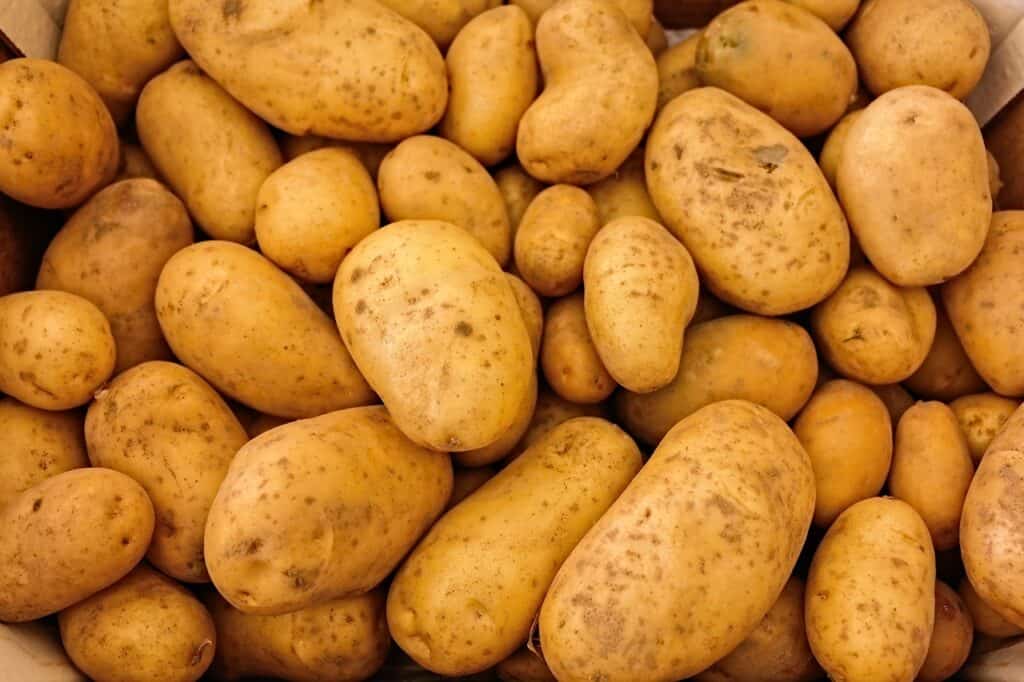
Potatoes
Potatoes can be harmful to tropical fish. Here’s why:
- High Starch Content: Potatoes contain high levels of starch, which is difficult for fish to digest and can lead to digestive issues.
- Alkaloids: Potatoes contain compounds called alkaloids, which can cause paralysis and even death in some fish species.
- Unsuitable for Herbivores: Most tropical fish are herbivorous, meaning they require a plant-based diet. However, potatoes do not provide the necessary nutrients for these fish and should be avoided in their diet.
So, as you can see, tropical fish can indeed eat vegetables. In fact, including vegetables in their diet can provide numerous health benefits and enhance their overall well-being. However, it is crucial to be selective in the types of vegetables we offer our fish and ensure they are properly prepared for easy consumption and digestion.
Frequently Asked Questions
Are There Any Vegetables That Tropical Fish Should Not Eat?
- Yes, there are a few vegetables that tropical fish should avoid eating. These include:
- Onions and garlic
- Potatoes
- Avocado
Can I Feed My Tropical Fish Frozen Vegetables?
- Yes, you can feed your tropical fish frozen vegetables. They can be a nutritious addition to their diet. However, it is important to choose vegetables that are appropriate for their species and to properly prepare them for feeding.
How Often Should I Feed My Tropical Fish Vegetables?
- This can vary depending on the species and size of your tropical fish. In general, it is recommended to feed them vegetables 2-3 times a week as a supplement to their regular diet.
Can I Feed My Tropical Fish Cooked Vegetables?
- Cooked vegetables can be fed to tropical fish, but it’s important to ensure they are soft and easily digestible. However, it’s crucial to avoid adding any seasonings or oils, as they can be harmful to the fish.
Do All Tropical Fish Species Have the Same Dietary Requirements When It Comes to Vegetables?
- No, different tropical fish species may have varying dietary requirements when it comes to vegetables. It’s important to research the specific needs of your fish and choose appropriate vegetables for their diet.