How many times have you held a bag with tropical fish in it and wondered how long the fish would survive in the bag? Tropical fish, while resilient, have specific needs for transportation. Their survival during transit depends on multiple factors. This includes the type of fish, water temperature, oxygen levels, and duration of travel.
In this article, I will cover the basic requirements for fish bags, factors that influence their survival, and precautions to take when keeping them in a bag. Whether you are moving house, having fish couriered to your home, or even just travelling home after a visit to the pet shop, this article will provide details on how to complete the process safely.
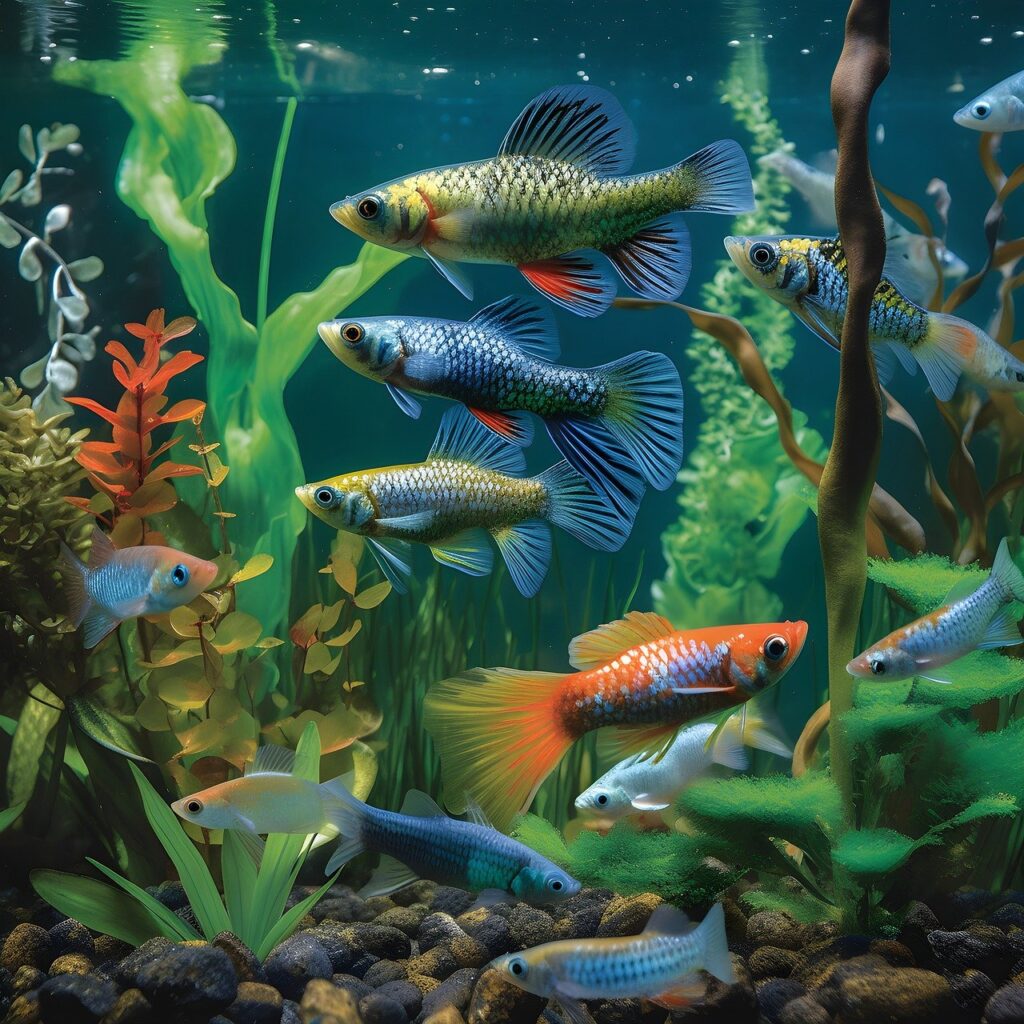
How long can tropical fish stay in a bag?
Overnight courier
Under normal circumstances, tropical fish can survive in a bag for approximately 48 hours (2 days), during courier dispatch. However, in a well-regulated environment, they can withstand up to 72 hours (3 days). This survival period primarily hinges on the oxygen supply, type of fish, water quality, and temperature. With a healthy oxygen level, clean water devoid of toxins, and suitable insulation to maintain a constant temperature, the fish’s survival chances significantly increase.
Standard travel
During regular transit, such as driving from the pet shop to home or a short-distance move, tropical fish can generally last between 7 to 9.5 hours in the bag they came in. This duration, however, still relies on optimal oxygen supply and temperature regulation in the bag. It’s crucial to relocate the fish into a suitable tank as swiftly as possible once the journey is over.
What Are the Minimum Requirements for Fish Bags?
The dimensions of a standard fish bag play a crucial role in the survival period of tropical fish. A bag intended for such purpose typically has a thickness of 3mm, which ensures it is sturdy enough to hold the fish and the accompanying water without tearing. The width and height are expected to be 18″ and 32″ respectively. These measurements provide enough space for the fish to move around, which is essential for its well-being. The width and height also allow for an adequate amount of water and oxygen, which are critical for the survival of the fish.

Factors to consider when transporting fish in a bag:
Ammonia
Although it may seem harmless, high levels of ammonia can be detrimental to the health of fish during transportation. Ammonia is a toxic substance that is released by fish waste and uneaten food. It can quickly build up in a closed environment like a bag, causing stress and even death to the fish. To prevent ammonia toxicity, you should avoid feeding the fish 24 hours before transporting them and never feed them while they are in the bag. This reduces the chances of fish waste and will ensure the water is cleaner for longer.
Fish size
The fish’s size plays a crucial role in determining the appropriate size of the bag for transportation. It is important to consider the bag capacity to ensure that the fish has enough space to move comfortably. Additionally, the bag material should be sturdy enough to prevent any leaks or tears during transportation. It is recommended to only transport a maximum of two fish per bag to avoid overcrowding and potential harm to the fish (size-dependent).
Temperature
Tropical fish thrive in warmer waters, and sudden temperature changes can be fatal to them. When transporting the fish, it is essential to ensure that the water has a consistent temperature similar to their tank at home. Insulation bags or heat packs can help maintain a stable temperature during long journeys.
How Should I Prepare My Fish for Travel?
Sometimes, it is crucial to properly acclimate and package your fish before travelling to ensure their safety and well-being. Fish acclimation is a vital process that helps minimize stress and maintain optimal water quality during transportation. To ensure a seamless and successful transition, follow these detailed steps:
Step 1 – Get your bag and container ready to place the fish in once caught. Make sure the container is clean and free from any harmful substances.
Step 2 – Before adding the fish to the bag, ensure there is enough water in it. Use water from the tank they are currently in to maintain familiarity and stability for the fish.
Step 3 – Gently catch the fish and place it in the bag. It is best to do this just before you are ready to leave to minimize the time the fish spends in the bag.
Step 4 – Use an oxygen pump or air pump to fill the bag with air. This will ensure that the fish has an adequate supply of oxygen during the journey.
Step 5 – Seal the bag properly to prevent any air from escaping. This will help maintain a stable environment and prevent unnecessary stress for the fish.
Step 6 – Consider using dark plastic bags to cover the fish bag. This will reduce their vision and naturally decrease their stress levels during transportation.
Step 7 – Secure your fish in a method suitable for transportation. Place the fish away from wind or direct sunlight to avoid temperature fluctuations. Make sure the bag is securely fastened and won’t fall or move around during the journey.
If you follow these steps that always work for me, then you will have a stress-free fish transportation experience.
How Many Fish Can Be Placed in a Plastic Bag?
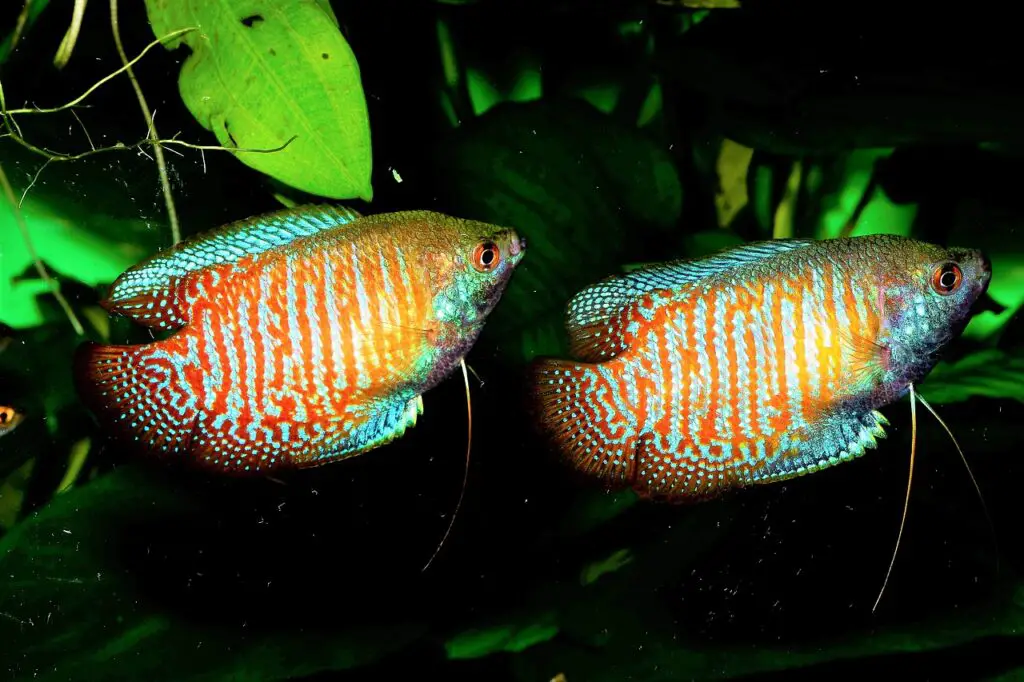
The number of fish that can fit in a plastic bag depends on various factors, such as the size and type of fish. As mentioned above, it is generally recommended to transport a maximum of two fish per bag to ensure they have sufficient space and to avoid overcrowding.
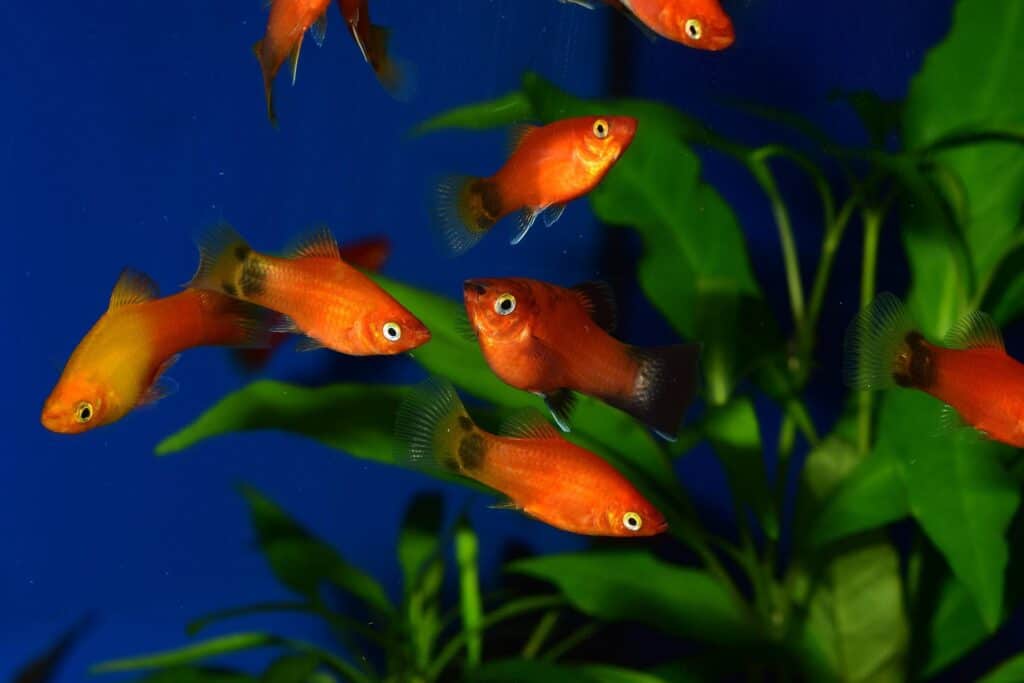
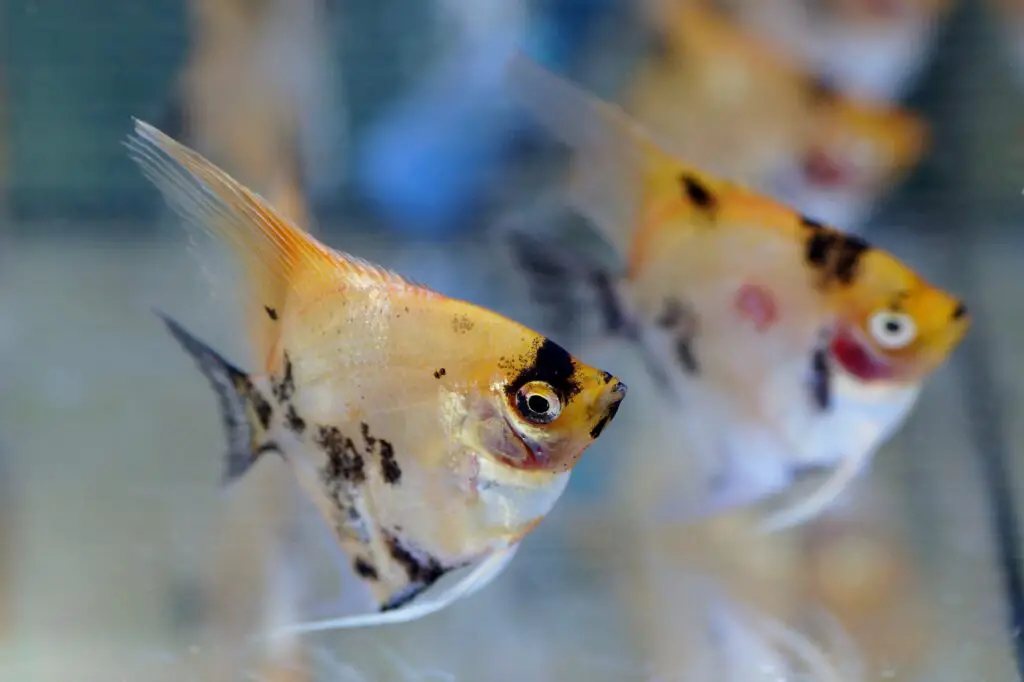
However, it is worth noting that smaller fish, such as guppies or tetras, which are more resilient, can tolerate being transported in larger numbers due to their smaller size and hardiness. On the other hand, larger and more sensitive species like angelfish or discus should be transported individually (size dependent) to minimize stress and ensure their well-being.
By considering the specific needs and characteristics of different fish species, we can provide them with a safe and comfortable journey during transportation.
What Can Influence How Long a Fish Can Live in A Bag?
As a fish enthusiast, I’ve learned that several factors can influence how long a fish can live in a bag. The type of fish is crucial, as some species are more resilient than others and can withstand longer periods in a bag. Additionally, the bag fillers used, such as oxygen or water additives, play a significant role in maintaining the fish’s health and oxygen levels. Lastly, the number of fish in the bag can impact their survival, as overcrowding can lead to increased stress and oxygen depletion.
Types of fish
Some fish species, such as guppies or tetras, have remarkable adaptability and can endure extended periods in a bag during transportation. Their hardy nature allows them to withstand longer journeys without compromising their well-being. On the other hand, more delicate species like rasboras or angelfish require extra care due to their sensitivity. These species may require shorter durations in transit and specific environmental conditions to ensure their health and safety. Therefore, it is crucial to thoroughly research and understand the specific needs of each fish species before embarking on their transportation journey.
Bag fillers
I have never really considered the importance of bag fillers before, but learning about how they can affect the longevity and overall well-being of a fish’s life is quite fascinating. When it comes to bag fillers, the choice of filler is crucial as it directly impacts the fish’s health during transportation. Oxygen is the most common filler, ensuring sufficient fish oxygen supply. However, some transporters may also incorporate water additives like ammonia neutralizers or stress reducers to further enhance the fish’s well-being and reduce any potential stress during the journey. Taking these measures safeguards the fish and contributes to their successful transportation and adaptation to new environments.
Number of fish in the bag
The size of the bag greatly impacts the number of fish that can comfortably be transported. A larger bag allows for more fish to be transported, while a smaller bag limits the number of fish. When considering the fish population, it’s crucial to ensure the bag capacity is appropriate to avoid overcrowding. Additionally, the transport duration should be taken into account as longer journeys may require larger bags to accommodate the fish’s behaviour and well-being. Proper bag size is vital for the successful transportation of fish.
How to Transfer New Fish from the Bag to the Aquarium?
When transferring fish into the new aquarium, ensuring a smooth transition for their well-being is crucial. To achieve this, start by allowing the bag to float in the new water for approximately 15 minutes. This time allows for the temperature to stabilize, reducing any potential shock to the fish.
Moreover, it is essential not to empty out all of the water in the bag directly into the tank. Doing so may introduce unwanted substances, such as ammonia or fish waste, which can harm the delicate ecosystem. Instead, opt for a gentle approach by using a net to carefully transfer the fish from the bag into the aquarium.
By avoiding sudden movements and providing a stress-free environment, you ensure the safety and health of your aquatic companions.
Precautions for Keeping Fish in a Bag
A few important precautions to consider when keeping fish in a bag are ensuring proper water temperature, maintaining adequate oxygen levels, and minimizing stress during transportation.
Preparation Tips:
– Check water quality before bagging the fish
– Use a bag size appropriate for the fish’s size and species
– Double bag for added security
Stress Reduction:
– Keep the bag upright and secure during transportation
– Avoid sudden movements or loud noises
– Provide a dark and quiet environment for the fish in the bag
Taking these precautions ensures the well-being of the fish and increases the chances of a successful transition to their new home.
It is crucial to ensure that tropical fish are transported in suitable conditions to maximize their survival. Factors such as bag size, water quality, and duration of transportation play a significant role in determining how long fish can stay in a bag. Properly acclimating fish to their new environment and transferring them carefully from the bag to the aquarium is essential for their well-being. By following these recommendations and taking necessary precautions, you ensure the health and longevity of your cherished tropical fish.
Frequently Asked Questions
Can I Reuse Fish Bags for Multiple Trips?
- Yes, you can reuse fish bags for multiple trips. Properly cleaning and sanitizing the bags is crucial for maintaining bag hygiene.
Should I Add Oxygen to the Bag Before Transporting the Fish?
- Adding oxygen to the bag before transporting fish is essential. Different fish species have varying oxygen requirements, so it’s important to ensure their needs are met.
Are There Any Specific Temperature Requirements for Fish Bags During Transportation?
- Maintaining an optimal temperature in fish bags during transportation is crucial. Fluctuations can stress the fish, impacting their well-being. Temperature management techniques like insulation and heat packs are used to ensure stability.
How Long Can Fish Survive in a Bag Without Any Food?
- As a passionate fish enthusiast, I’ve learned that the duration of fish survival in a bag without food is about the same amount of time they can spend, which is usually a maximum of 2 days.
What Are the Signs That a Fish Is Stressed During Transportation in a Bag?
- Behavioral changes, physical changes, water quality, aggressive behavior, and loss of appetite are all signs that a fish is stressed during transportation in a bag. It is important to monitor these indicators to ensure the well-being of the fish.