Tropical fish have a vast array of species, and their behaviour can vary significantly. Some tropical fish are peaceful and do well in community tanks, while others can be aggressive or territorial. Whether a tropical fish is aggressive can depend on factors like species, tank conditions, tank mates, and even individual personality. So, the question remains: are tropical fish aggressive?
Most Aggressive Tropical Fish
In my experience, the most aggressive tropical fish I have owned are cichlids. But we all know the infamous Piranha, popularized by their sharp teeth and ability to devour flesh and bone. In reality, Piranhas are not as aggressive as portrayed. They mainly attack when threatened or competing for food. Other fish that can exhibit aggressive behaviours include bettas, territorial catfish (such as red-tailed sharks), and some barbs.
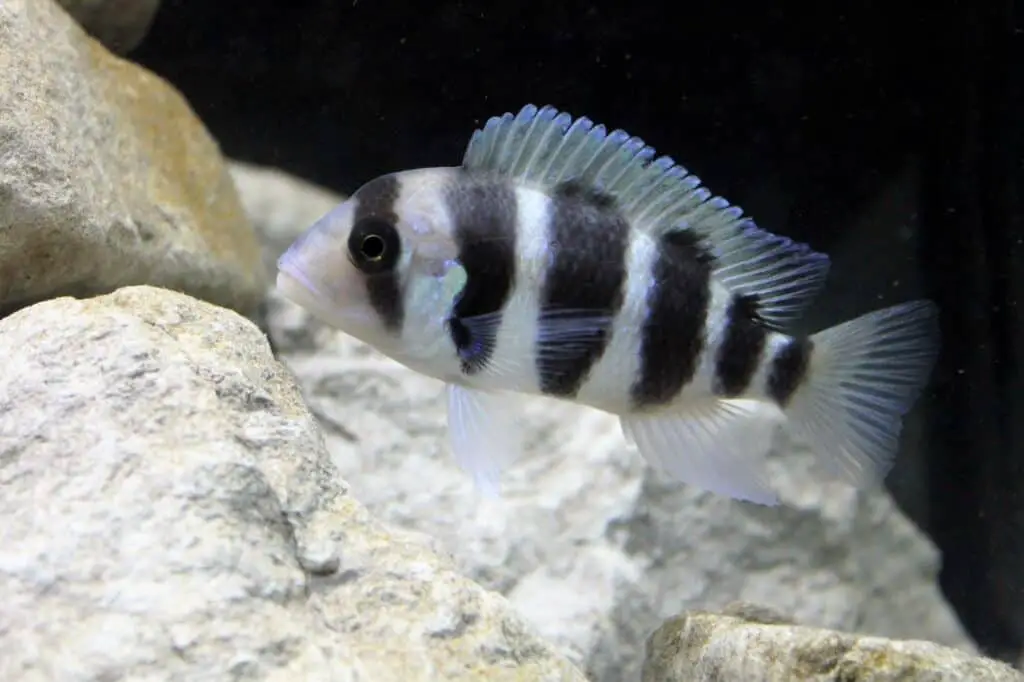
Here Are A Few Tropical Fish That Are Known For Their Aggressive Behaviour:
In discussing the topic of aggressive tropical fish, it is important to highlight a few species that are known for their aggressive behaviour. Among these species are the Piranha, flower horn cichlid, aimara wolffish, jaguar cichlid, and tiger barb. These fish are known for their territorial nature and can display aggressive behaviours towards other fish, making them unsuitable for community tanks.
Piranha:
When we think of aggressive fish, the Piranha is undoubtedly one of the first to come to mind. These freshwater natives from South America carry a legendary reputation stemming from their sharp teeth and their intense feeding frenzies, often highlighted in popular culture. In captivity, they are known to showcase a territorial nature. They might attack other tank mates, particularly when feeling threatened or if the environment is too confined. Although there are ways to somewhat manage their aggressive tendencies, like offering a spacious tank or housing them predominantly with their kind, they remain a challenge for the average aquarium enthusiast.
Flowerhorn Cichlid:
This eye-catching fish, a result of meticulous crossbreeding, has roots in Central America. The Flowerhorn fish is known for its territorial instincts, often asserting dominance over its tank mates. Its assertiveness can sometimes lead to confrontations, resulting in severe injuries or even fatalities among other fish in the tank. To ensure the well-being of the Flowerhorn and its tank mates, it is recommended to provide a spacious tank with various hiding nooks to minimize potential conflicts.
Despite their aggressive tendencies, many aquarists are captivated by the allure of the Flowerhorn and choose to keep them as solitary inhabitants in their aquariums. This approach helps to prevent any unnecessary confrontations and allows the Flowerhorn to thrive in a calm and stress-free environment.
Aimara Wolf Fish:
A true behemoth from the Amazon River basin, the Aimara Wolf Fish is an apex predator, boasting a formidable bite that can inflict significant damage. In the confines of a tank, their predatory instincts remain very much intact. They’re not particularly picky either; it’s fair game if a tankmate can fit in their mouth. Hence, many aquarium hobbyists maintain a separate tank solely for this aggressive species.
Jaguar Cichlid:
Originating from Central America, the Jaguar Cichlid proudly displays mesmerizing patterns that truly captivate the eye. During the breeding seasons, the Jaguar Cichlid’s aggression reaches new heights as the males fiercely defend their chosen territories. To create a calm environment, it is essential to provide the tank with an abundance of hiding places, offering a refuge for other fish to seek solace from the Jaguar Cichlid’s territorial displays.

Tiger Barb:
Their smaller stature might mislead you, but Tiger Barbs are notorious for their nipping habits. Often referred to as the “bully” of the aquarium, Tiger Barbs have gained a bad reputation due to their fin-nipping tendencies. These feisty fish exhibit such behaviour not only towards other fish species but even within their own schools. To mitigate their aggressive nature, many experts recommend housing them in groups of at least six or more. This helps establish a more balanced social dynamic and reduces the likelihood of fin-nipping incidents. By providing a larger school, Tiger Barbs can feel more secure and exhibit their natural behaviour in a less disruptive manner.
Convict Cichlid:
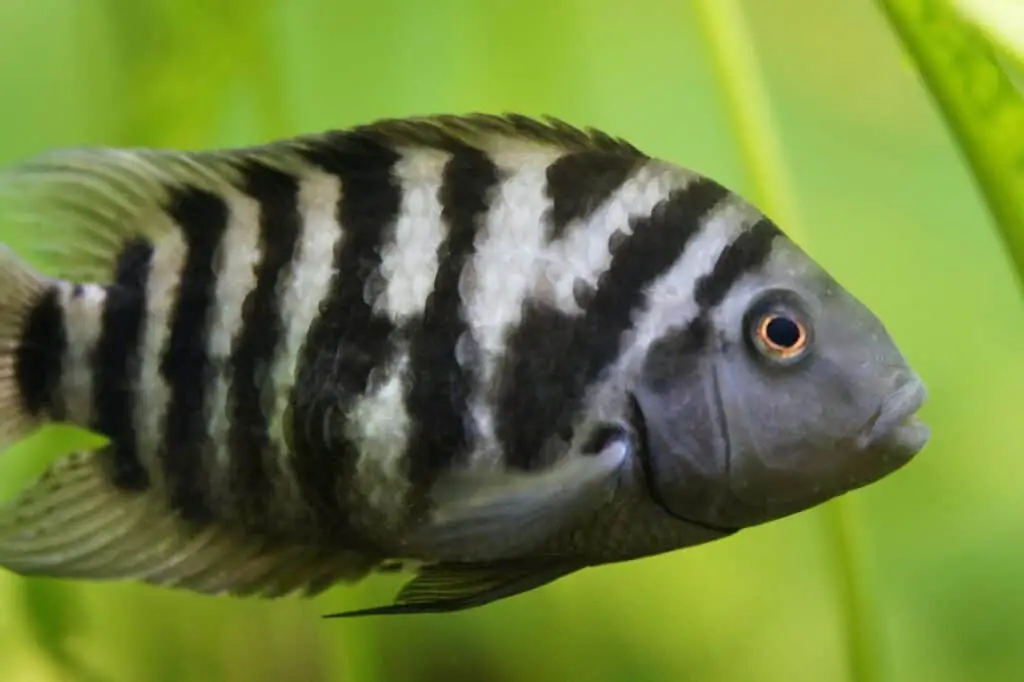
Another Central American species, the Convict Cichlid, is notorious for its aggressive nature. Primarily, territoriality is a dominant driver of this aggression. Convict Cichlids have evolved to be fiercely protective of their designated areas, particularly during breeding periods. Such territorial behaviour ensures optimal conditions for egg-laying, reducing exposure to predators. From my experience with these fish, I have noticed heightened aggression levels during breeding, with both sexes participating in territorial defence. Notably, females often exhibit higher aggression levels than their male counterparts.
In aquariums, Convict Cichlids frequently exert dominance, leading to potential conflicts with cohabiting species. This behaviour can result in stress for other aquarium inhabitants and, in severe cases, may lead to fatalities. Thus, aquarists are advised to exercise caution when introducing Convict Cichlids into mixed-species settings.
Red Devil Cichlid:
Originating from Central America, the Red Devil Cichlid is aptly named for its fiery temperament. These vibrant fish are not only known for their energetic nature but also for their pronounced aggressive behaviours. They are fervently territorial, often displaying aggressive actions towards other tank inhabitants. Such aggression can be seen in their tendencies to nip fins, chase other fish, and guard certain regions of the tank. Constantly rearranging their tank environment, they mark their territory and remove any perceived threats, especially during breeding times. This assertive behaviour, while fascinating, can pose challenges in community tanks. It is crucial to provide them with ample space and secure hiding spots. This not only ensures the well-being of the Red Devil Cichlid but also minimizes potential conflicts with other fish.
Betta:
Betta fish, known scientifically as Betta splendens and commonly referred to as “Siamese Fighting Fish,” are freshwater fish celebrated for their brilliant colours and elegant fins. Their aggressive behaviour primarily stems from their territorial instincts. In the wild, male Betta fish carve out territories for themselves where they craft bubble nests in anticipation of offspring. Any intruding male is seen as a threat, leading to fierce confrontations to ensure the continuity of their lineage.
When it comes to exhibiting aggression, Bettas have a few trademark moves. Flaring, where they spread their gills and open their mouths to seem larger and more intimidating, is a common sign. Additionally, dominant Bettas chase away perceived threats and may resort to biting and nipping in intense confrontations, causing potential harm to the delicate fins of their opponent. It’s a common recommendation to house male Bettas solo, as confining two males together usually results in a potentially deadly skirmish.

Red Tail Shark:
The Red Tail Shark (Epalzeorhynchos bicolor) is characterized by its sleek, dark body against a fiery red tail. Their appearance is as striking as their behaviour is assertive. Despite its name, the Red Tail Shark isn’t a shark but derives the title due to its shark-like dorsal fin and elongated body.
Much like the Betta, the Red Tail Shark exhibits territorial behaviour, especially as it matures. This trait isn’t as much about aggression as it is about establishing and asserting dominance within a specific space. In their natural habitat, defending territories ensures access to resources like food, shelter, and potential mates. Within the confines of an aquarium, this behaviour can manifest in chases, fin nipping, and other forms of intimidation, especially towards similarly-shaped fish or those perceived as competitors.
Puffer:
Pufferfish are known to inflate their bodies as a defence mechanism. Beyond their inflationary talents, pufferfish are recognized for their assertive, sometimes aggressive nature. Their aggression is multifaceted, stemming from both territorial instincts and dietary habits. Equipped with strong beak-like teeth, pufferfish primarily feed on hard-shelled prey, such as crustaceans and molluscs. Their territoriality is further amplified in confined spaces like aquariums. When feeling threatened or encroached upon, pufferfish can display behaviours ranging from mild posturing to aggressive chases or even nipping. Some species, especially when mature, prefer solitude and might fiercely defend their claimed area against any perceived intruders. Such behaviours, while natural, can be exacerbated when these fish are not provided with adequate space, environmental enrichment, or proper diet.

Factors that Affect Aggression in Tropical Fish
As mentioned, there are numnerous aspects that can contribute to the aggression levels of tropical fish. These include:
- Species: When it comes to tropical fish, there is a wide range of species, each with its own unique characteristics. Some species, such as cichlids and barbs, are naturally more territorial and aggressive. On the other hand, tetras and guppies tend to be more peaceful and sociable. Understanding the specific traits of different species can help ensure a harmonious tank environment.
- Tank Conditions: The conditions within the tank play a significant role in the behaviour of tropical fish. If the tank is too small or overcrowded, it can create a stressful environment, leading to increased aggression. Additionally, the availability of hiding spots and decorations provides the fish with a sense of security and can help alleviate stress. Considering the unique needs of each species and providing an appropriate tank setup is crucial for maintaining a peaceful and thriving aquarium.
- Tank Mates: Compatibility among tank mates is another crucial aspect to consider. Certain tropical fish may not get along with others and may display aggressive behaviour towards specific species. Conducting thorough research on the compatibility of different species before making them an addition to a community tank can prevent conflicts and promote a more harmonious coexistence.
- Individual Personality: Just like humans, tropical fish have their own unique personalities. While some individuals may be more docile and easygoing, others may exhibit dominant or territorial traits. Understanding the individual personality of each fish in the tank can help identify potential aggression triggers and take appropriate measures to create a balanced and peaceful aquarium environment.
Signs of Aggression in Tropical Fish
It’s crucial to understand how to identify signs of aggression in tropical fish, as it can have a detrimental consequences on the well-being of your aquatic community. Here are some common indicators to watch out for:
- Chasing or Nipping: Aggressive fish often display a tendency to relentlessly chase or nip at other fish within the tank. This behaviour can cause immense stress and potential injuries to the targeted fish, disrupting the overall harmony of the aquarium.
- Fin Damage: Keep an eye out for any signs of injured or torn fins among your fish. Such damage can be a clear indication of aggressive behaviour between tank mates. Aggressive fish may exhibit fin nipping or fin tearing as a means of asserting dominance or establishing territory.
- Hiding or Isolation: If you notice a fish continuously hiding or isolating itself from other tank mates, it could be a result of aggressive behaviour towards them. Aggressive fish may intimidate their tank mates to the point where they feel the need to seek shelter or distance themselves to avoid confrontation.
- Bullying Behaviour: Some tropical fish species exhibit bullying by incessantly picking on weaker or smaller tank mates. This behaviour can manifest in various ways, such as constant chasing, territorial aggression, or even physical aggression. It is important to be vigilant for such behaviour to ensure the well-being of all your fish.
By paying close attention to these indicators, you can promptly address aggression issues within your tropical fish tank, promoting a healthier and more harmonious environment for all your aquatic companions.
Dealing with Aggressive Tropical Fish
When I notice aggressive behaviour in my tropical fish, these are the steps I can take to address the issue:
- Tank Separation: If a specific fish is causing problems, such as aggressive behaviour or territorial disputes, it may be necessary to separate them from the main tank. This will not only protect the other fish from harm but also allow the troublesome fish to have its own space to thrive and reduce stress.
- Rearranging Tank Decorations: Rearranging tank decorations strategically can help break up territories and reduce aggression levels among the fish. By creating new hiding spots and changing the layout of the tank, you can disrupt established territories and promote a more harmonious environment for all the fish.
- Adding More Hiding Spots: Providing additional hiding spots in the tank can have a positive impact on fish behaviour. Having ample hiding spots allows fish to retreat when they feel threatened or stressed, reducing their anxiety levels and potentially decreasing aggressive behaviour. Adding natural elements like plants, caves, or driftwood can create more hiding spots and mimic their natural habitat.
- Changing Tank Mates: If certain tank mates are not getting along despite your best efforts, it may be necessary to consider rehoming or exchanging them for more compatible species. Different fish species have different social behaviours and compatibility requirements. By choosing tank mates that are more compatible in terms of temperament, size, and habitat preferences, you can create a more balanced community in your aquarium.
It is important to note that while some tropical fish species can exhibit aggressive behaviour, not all of them are aggressive. It is essential for Tropical Fish enthusiasts to research and understand the specific behaviour and compatibility of the species they desire to keep in their aquariums. By doing so, they can create a harmonious and balanced aquatic environment that promotes the well-being of all the inhabitants, ensuring a peaceful coexistence among the diverse tropical fish community.
Frequently Asked Questions
Are All Tropical Fish Aggressive?
- Not all tropical fish are aggressive. Aggression levels vary among species and are influenced by factors like breeding behaviour and tank size.
How Can I Determine if a Tropical Fish Is Aggressive Before Purchasing It?
- To determine if a tropical fish is aggressive before purchasing it, I recommend conducting behavioural observations, researching the species’ temperament, consulting experts or experienced fishkeepers, assessing compatibility with tank mates, and considering tank size and environment.
What Are Some Common Signs of Aggression in Tropical Fish?
- Some common signs of aggression in tropical fish include chasing or nipping at other fish, fin damage, hiding or isolating behaviour, and bullying behaviour towards smaller or weaker tank mates. It is crucial to pay close attention to these indicators to address any potential aggression issues promptly.
Can Aggressive Tropical Fish Be Kept With Non-Aggressive Species in the Same Tank?
- In general, it is best to avoid keeping aggressive and non-aggressive tropical fish together in the same tank. Mixing incompatible species can lead to stress, injuries, and even fatalities among the tank inhabitants.
Are There Any Strategies or Techniques to Reduce Aggression in Tropical Fish?
- Yes, there are several strategies and techniques to reduce aggression in tropical fish, such as tank separation, rearranging tank decorations, adding more hiding spots, and carefully selecting compatible tank mates.