I’m always on the lookout for the most unique and fascinating fish to add to my collection. And let me tell you, I’ve discovered some real gems! In this article, I’ll be sharing with you 15 of the most extraordinary aquarium fish you’ve ever seen. From the mesmerizing Axolotl, which is actually an amphibian but a rare gem that is often found in Tropical Fish Tanks, to the vibrant Discus, these captivating creatures will surely leave you in awe. So, get ready to dive into a world of wonder and discover the wonders that await in your very own aquarium.
List Of Unique Aquarium Fish
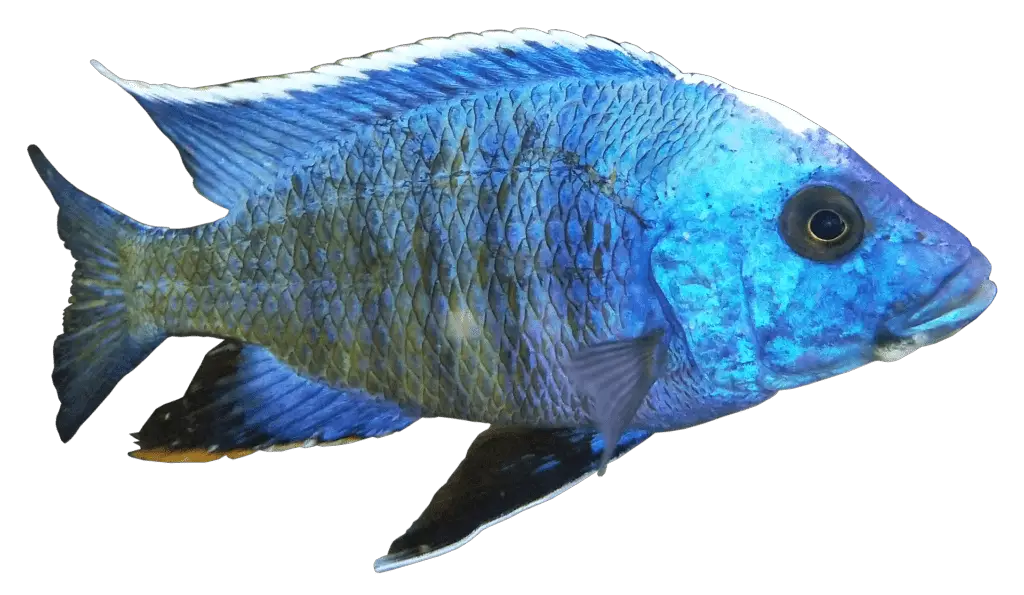
Electric Blue Acara (Andinoacara pulcher)
The Electric Blue Acara is a species of cichlid fish that is native to South America. As the name suggests, this fish is known for its stunning electric blue coloration, which makes it stand out in any aquarium setting. What makes these fish even more unique is that their electric blue color intensifies during the breeding season, making them truly breathtaking to observe. Additionally, this fish is also relatively peaceful and is compatible with other non-aggressive fish species. Its easy-going nature and stunning appearance make the Electric Blue Acara a must-have for any aquarium enthusiast. They thrive in a well-maintained aquarium with plenty of hiding spots and a varied diet consisting of high-quality pellets, flakes, and live or frozen foods. Overall, the Electric Blue Acara is a unique and captivating addition to any aquarium.
Axolotl (Ambystoma mexicanum)
I absolutely adore keeping Axolotls (Ambystoma mexicanum) in my aquarium because of their fascinating regenerative abilities and distinctive appearance. These unique aquatic salamanders have the incredible ability to regrow lost body parts, including limbs, spinal cord, and even parts of their heart and brain. This remarkable regenerative capacity makes them a popular choice among aquarium enthusiasts and researchers alike. Axolotls have a distinct appearance with their external gills, feathery-like fronds on their heads, and a wide range of colors, including albino and melanoid varieties. They have a slender bodies with a long tail, making them graceful swimmers in the water. Their unique characteristics and captivating regenerative abilities make them a truly remarkable addition to any aquarium, providing endless fascination and awe.
Rainbowfish (Melanotaeniidae)
If you’re looking for a splash of vibrant colors in your aquarium, the Rainbowfish (Melanotaeniidae) is a perfect choice. These stunning fish are found in shades of blue, yellow, orange, and red, with shimmering scales that give off a rainbow-like effect. They are peaceful schooling fish that thrive in groups of six or more and require plenty of open swimming space. Rainbowfish are also relatively hardy and easy to care for, making them suitable for beginner aquarium enthusiasts. Their mesmerizing colors and active behavior make them an excellent addition to any tropical community tank. Just make sure to provide them with appropriate tank mates and a well-balanced diet consisting of live or frozen foods, flakes, and pellets.
Discus Fish (Symphysodon spp.)
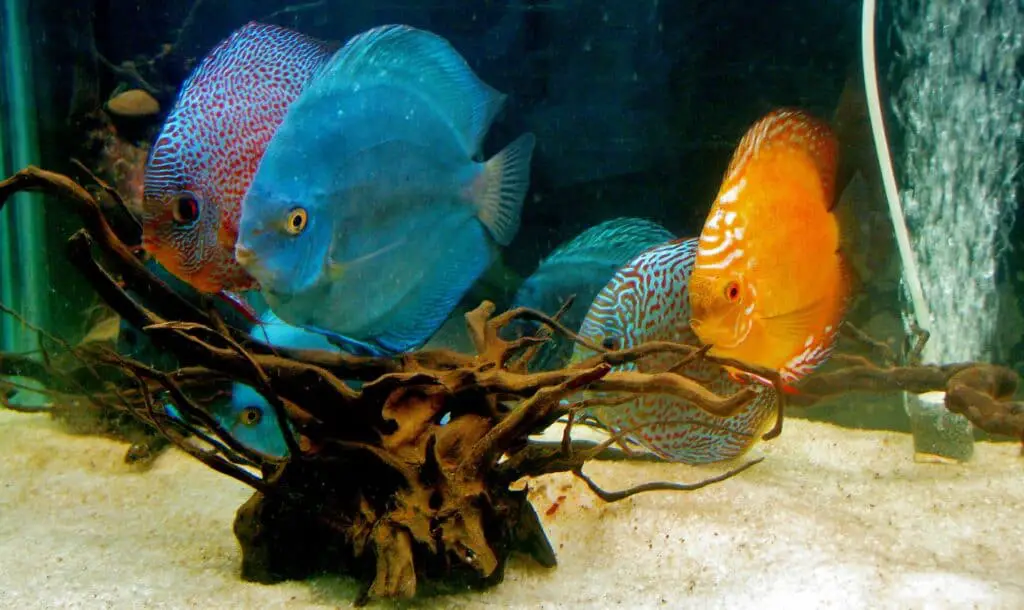
I’ve been a discus fish enthusiast from the time I started my journey with keeping tropical fish. These captivating creatures are native to the Amazon River basin, where they inhabit slow-moving, acidic waters. Discus fish are highly sought after by aquarium enthusiasts like myself due to their graceful swimming patterns and striking appearance. They come in various color variations, including solid hues such as red, blue, and green, as well as intricate patterns like leopard and pigeon blood. To provide a visual representation, here is a table showcasing some of the mesmerizing color variations of Discus fish:
| Color Variation | Description |
| Red Melon | Bright red body with a white face and fins. |
| Cobalt Blue | Deep blue body with a striking metallic sheen. |
| Golden Sunrise | Golden body with orange and yellow accents. |
Arowana (Osteoglossum spp.)
Arowanas, scientifically known as Osteoglossum spp., are large, predatory fish that are highly sought after in the aquarium trade. These fish are native to South America and are famous for their stunning appearance and unique hunting behavior. Arowanas have long, sleek bodies and large, upward-facing mouths adapted for catching prey near the water’s surface. They are known for their ability to jump out of the water to catch insects and small animals. Arowanas are also known for their vibrant colors, which can range from silver to red to green. Due to their large size and predatory nature, Arowanas require spacious tanks with proper filtration and a varied diet of live food or frozen foods. Their presence in an aquarium adds a touch of elegance and excitement to any fishkeeping enthusiast.
African Butterfly Fish (Pantodon buchholzi)
I personally find the African Butterfly Fish (Pantodon buchholzi) to be one of the most unique aquarium fish. This fish has a long, slender body and large, wing-like fins, which give it a striking appearance. Native to Africa, specifically the Congo Basin and the Niger Delta, the African Butterfly Fish is known for its ability to leap out of the water to catch insects and other small prey. Its unique hunting behavior and specialized mouth make it a fascinating species to observe in an aquarium setting. As a surface dweller, this fish requires a tank with plenty of space and floating vegetation to mimic its natural habitat. The African Butterfly Fish is an interesting addition to any aquarium, providing both aesthetic appeal and a glimpse into the natural behaviors of a truly unique species.
Killifish (Aphyosemion spp.)
Killifish, also known as Aphyosemion spp., are a diverse and fascinating group of fish found in various regions around the world. What makes them truly unique is their reproductive strategy, particularly the Mangrove killifish (Kryptolebias marmoratus). This species is the only known self-fertilizing hermaphroditic vertebrate, meaning most adults possess reproductive organs of both sexes and can fertilize their own eggs. However, some populations contain males, making it possible for sexual reproduction to occur. This remarkable adaptation allows Killifish to thrive in challenging environments where finding a mate may be difficult. With over 1,200 described species and new ones still being discovered, the Killifish family
Celestial Pearl Danio (Danio margaritatus)
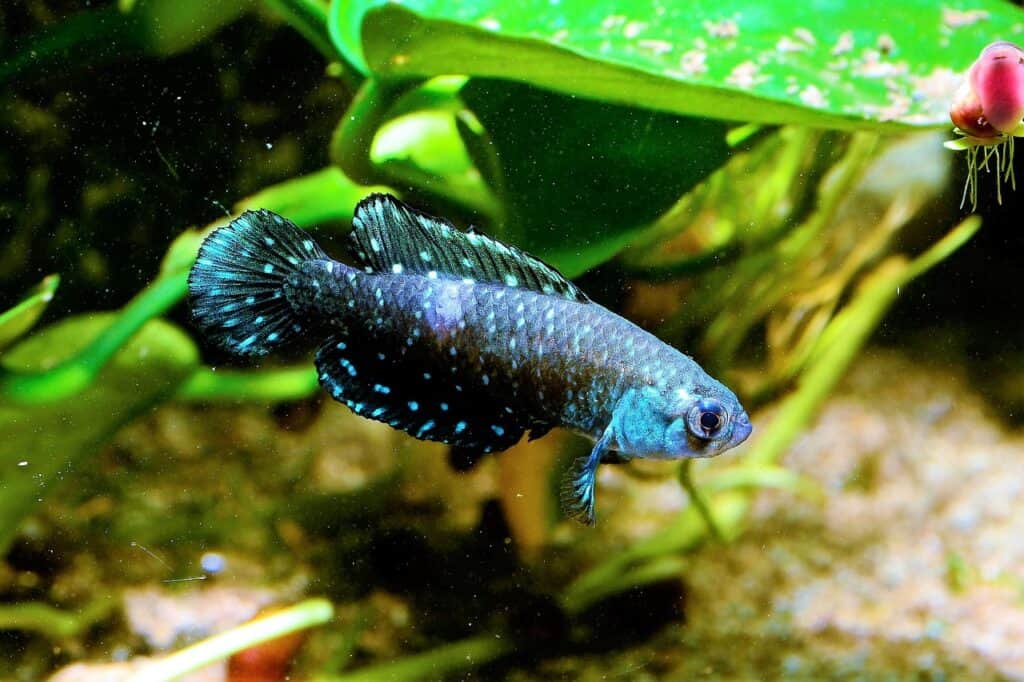
One fish that has captured my heart is the Celestial Pearl Danio (Danio margaritatus). Also known as the Galaxy Rasbora, this small but mighty fish has a striking appearance with its metallic blue-green body, red fins, and iridescent spots resembling stars in the night sky. But what truly sets this fish apart is its behavior. Unlike most fish that swim horizontally, the Celestial Pearl Danio prefers to swim vertically, giving it a celestial-like quality as it moves through the water column. This unusual behavior adds an extra layer of interest to observing these beautiful creatures in an aquarium setting. With their peaceful nature and low-maintenance care requirements, the Celestial Pearl Danio is a popular choice for both beginner and experienced fishkeepers alike.
Dragon Goby (Gobioides broussonnetii)
- The Dragon Goby, also known as Violet Goby or Dragonfish, is a truly unique fish with its elongated, eel-like body and vibrant purple coloration. Here’s why my Dragon Goby stands out in my tank:
- The Dragon Goby, with its elongated, eel-like body, is a sight to behold. Its sleek appearance and graceful movements make it a mesmerizing addition to any tank.
- This species is known for its ability to burrow in the substrate, creating intricate tunnel systems. Watching the Dragon Goby disappear into the sand and reappear in a different location is truly a spectacle.
- Despite its intimidating appearance, the Dragon Goby is a peaceful fish that can coexist with a variety of tank mates. Its calm demeanor makes it an excellent choice for community aquariums.
- With their unique behavior and striking appearance, Dragon Gobies are sure to captivate any aquarist looking to create an intriguing and dynamic aquatic environment.
Blue-Eyed Pleco (Panaque suttoni)
These plecos are known for their striking blue eyes and distinct patterns. The Blue-Eyed Pleco belongs to the Panaque genus, which is characterized by its ability to feed on wood. Their specialized teeth allow them to scrape driftwood and digest its cellulose. This unique adaptation makes them a valuable addition to any aquarium, as they help keep the wood clean and free from decay. Blue-Eyed Plecos are generally peaceful and can be kept with other non-aggressive fish. However, they do require a well-maintained tank with plenty of hiding spots and a diet rich in wood or vegetable matter. With their stunning blue eyes and fascinating feeding habits, the Blue-Eyed Pleco is truly a captivating and unique aquarium fish.
Archer Fish (Toxotes spp.)
Moving on to another fascinating species, I must mention the Archer Fish (Toxotes spp.), known for their incredible ability to shoot down insects with precision. These remarkable fish have developed a unique hunting technique that sets them apart from other aquarium fish. Here are four intriguing facts about archerfish that will surely captivate any aquarium enthusiast:
- Highly accurate aim: Archers Fish can accurately shoot down insects from a distance of up to two meters using a stream of water expelled from their mouths.
- Social behavior: These fish are known to live in groups and exhibit complex social interactions, making them intriguing subjects for observation.
- Adaptability: Archer Fish have the ability to adjust their aim based on the distance and position of their prey, showcasing their remarkable adaptability.
- Intelligent problem solvers: Studies have shown that Archer Fish possess problem-solving skills, as they can learn to shoot down prey even when placed in unfamiliar environments.
Leaf Fish (Polycentrus spp.)
The leaf fish, a unique aquarium fish, is known for its resemblance to dead leaves and its excellent camouflage abilities. These fish, belonging to the Polycentrus genus, have evolved to blend seamlessly into their surroundings, making them fascinating additions to any aquarium. Their body shape and coloration mimic that of a decaying leaf, allowing them to hide from predators and surprise unsuspecting prey. Leaffish have elongated bodies, and their dorsal and anal fins are positioned towards the back, giving them a leaf-like appearance. Their coloration ranges from brown to green, with intricate patterns resembling veins and spots found on actual leaves. This camouflage allows them to remain undetected in their natural habitat, where they patiently wait for smaller fish or invertebrates to come within striking distance. With their unique appearance and remarkable camouflage abilities, leaf fish are a captivating species to observe in an aquarium setting.
Glass Catfish (Kryptopterus spp.)
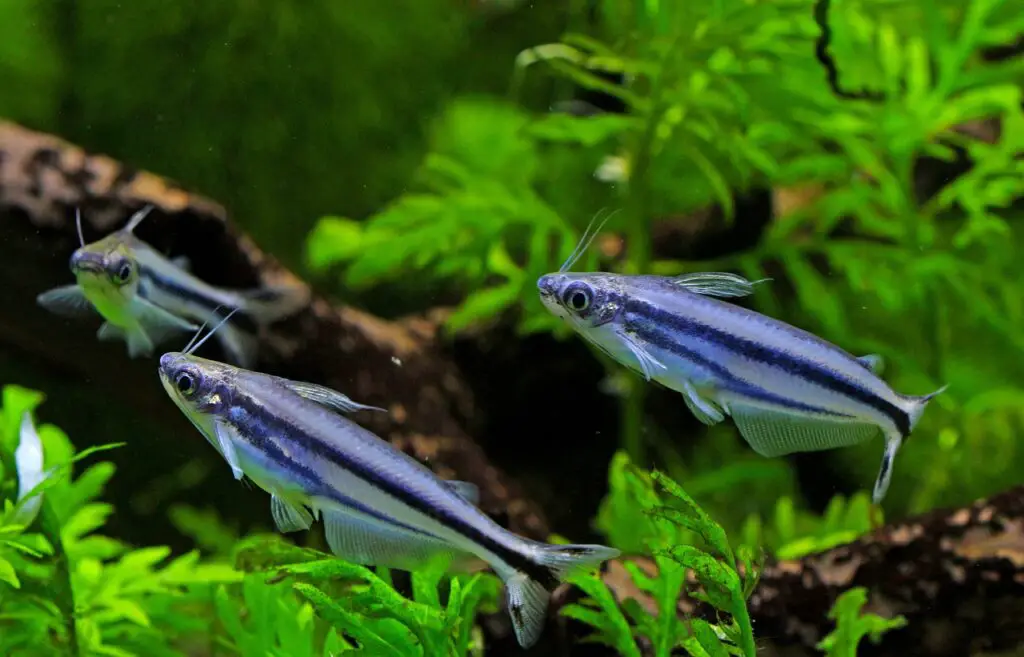
Having personally owned Glass Catfish (Kryptopterus spp.) in my aquarium, I can attest to their fascinating nature and unique appearance. These fish have a transparent body, giving them the illusion of being made of glass, hence their name. Their skeletal structure is visible through their skin, making it possible to see their internal organs and even the food they have eaten. This feature alone makes Glass Catfish an intriguing addition to any tank, as one can observe the digestion process in real time. Additionally, these fish are peaceful and can be kept with other non-aggressive species. They prefer to live in groups, making them an excellent choice for community tanks. With their delicate yet captivating appearance, Glass Catfish are sure to add a touch of uniqueness to any aquarium. These unique fish possess several fascinating features that make them stand out:
- Transparency: The see-through nature of glass catfish gives them an ethereal appearance, resembling ghost-like creatures gliding through the water.
- Schooling behavior: Glass catfish are social animals and thrive when kept in groups. Watching a school of these elegant fish swimming together creates a mesmerizing display.
- Nocturnal habits: These catfish are most active during the night, making them an intriguing species to observe after the lights go out.
- Compatibility: Glass catfish are peaceful and get along well with other peaceful fish species, making them an excellent choice for community aquariums.
Halfbeak Fish (Dermogenys spp.)
I have found that Halfbeak Fish (Dermogenys spp.) is truly one of the most fascinating and unique species to add to your tank. These fish are easily recognizable by their distinctive elongated lower jaw, which gives them their name. Halfbeaks are known for their ability to swim near the water’s surface, thanks to their slender bodies and upward-turned mouths. Peaceful and non-aggressive, they can be kept in a community tank. Halfbeaks are livebearers, meaning they give birth to live fry instead of laying eggs. They are also known for their vibrant colors and unique patterns, making them a visually stunning addition to any aquarium. Overall, Halfbeak Fish is an excellent choice for aquarium enthusiasts looking to add a touch of uniqueness to their tanks.
Congo Tetra (Phenacogrammus interruptus)
I find the Congo Tetra (Phenacogrammus interruptus) to be one of the most captivating and unique aquarium fish. Here are four reasons why this fish is truly remarkable:
- Vibrant Colors: The Congo Tetra boasts a stunning display of iridescent colors, including shades of red, blue, and yellow. Its shimmering scales create a mesmerizing effect, making it a focal point in any aquarium.
- Graceful Body Shape: With its elongated body and flowing fins, the Congo Tetra possesses a graceful and elegant appearance. Its streamlined form allows it to glide effortlessly through the water, adding a sense of tranquility to your aquarium.
- Peaceful Nature: Unlike some other species, the Congo Tetra is known for its peaceful temperament. It gets along well with other fish, making it an excellent choice for community tanks.
- Breeding Behavior: Witnessing the breeding behavior of Congo Tetras can be a fascinating experience. Males engage in intricate courtship displays, flaunting their vibrant colors to attract females. The sight of a male chasing and displaying to a receptive female is a true spectacle.
These 15 unique aquarium fish offer a mesmerizing medley of marvelous marine creatures. From the enchanting Axolotl to the vibrant Arowana, each species brings its own distinctive features and behaviors to the aquatic world. Their diverse colors, intricate patterns, and fascinating adaptations make them captivating companions for any aquarium enthusiast. So, dive into the realm of these extraordinary fish and embark on an unforgettable journey into the depths of scientific wonder.
Frequently Asked Questions
Can Axolotls Live in a Saltwater Aquarium?
- No, axolotls cannot live in a saltwater aquarium. They are freshwater creatures and require specific conditions to thrive. For their health and well-being, it is essential to provide them with a suitable environment.
Does the Electric Blue Acaras Require Any Special Water Conditions?
- Electric blue acaras thrive in slightly acidic water with a pH range of 6.5-7.5. They prefer a temperature between 75-82°F and need a well-filtered tank. Regular water changes and monitoring of water parameters will ensure their optimal health and well-being.
How Large Can Discus Fish Grow in Captivity?
- In captivity, discus fish can grow quite large, reaching sizes of up to 8-12 inches. Their vibrant colors and graceful movements make them a captivating addition to any aquarium.
Are Arowanas Suitable for Beginner Aquarium Hobbyists?
- Arowanas can be challenging for beginners due to their size, specific care requirements, and aggressive nature. It is recommended to gain experience with smaller, less demanding fish before considering keeping Arowanas in an aquarium.