Clown loaches are a fascinating fish species with a natural tendency to clean the tank of waste material and algae. They are a hardy species, but they require suitable water parameters on a regular basis.

Clown loaches have a great reputation for being Excellent tank cleaners, as they will often pick at algae and leftover food. Clown loaches provide that extra help to clean your tank and dig into the gravel or get behind those tough places and eat up the food that has not been consumed.
They are prized for their beautiful colouration, patterns, and playful personalities, so we have compiled this article so you can find the answers to the most common questions about clown loaches like their ideal water temperature, breeding patterns, Their preferred tank mates along with behavioural patterns, A pros and cons table, and what conditions are best suited for them.
Main Functions of a Clown Loach in a Fish Tank
We all enjoy a pristine looking fish tank/Aquarium as any fish keeper would. Although we provide good husbandry for the aquatic life, it would be nice to add that specific fish that will take care of those tiny bits of food that get stuck behind ornaments, in the gravel or in little nooks and crannies in your fish tank/aquarium. Clown loaches are one of the most popular freshwater fish species kept in aquaria.
A clown loach will be the extra help you require. They help by picking at algae and leftover food. They are a great addition to your Aquarium. Once they are in, they will go straight to work, and you will notice them diligently working, looking for food in all corners.
You may be sitting and staring at them while thinking to yourself, Yes, now my chances of ammonia spikes are reduced substantially. This is primarily because the uneaten food in your fish tank is now at its lowest point.
As a result, any uneaten food that could have caused spikes in ammonia is decreased, making these creatures a great addition for any aquarium owner.
What Fish Do Well With Clown Loaches and Which Don’t
These fish are known as bottom feeders, and they generally stay between the bottom to the middle of the aquarium. They are typically regarded as peaceful fish and can get along with just about any other tropical fish. These include:
- Discus – (the Rolls Royce of freshwater fish keepers)
- Tetras are both peaceful species and mix well, not forgetting to mention the beautiful colours they will provide together.
- Gouramis – on opposite sides of the tank due to their species, these 2 will pair perfectly.
Even though clown loaches are passive and calm, they can often get victimized and not hold their ground against very territorial fish. Some of these do not pair well.
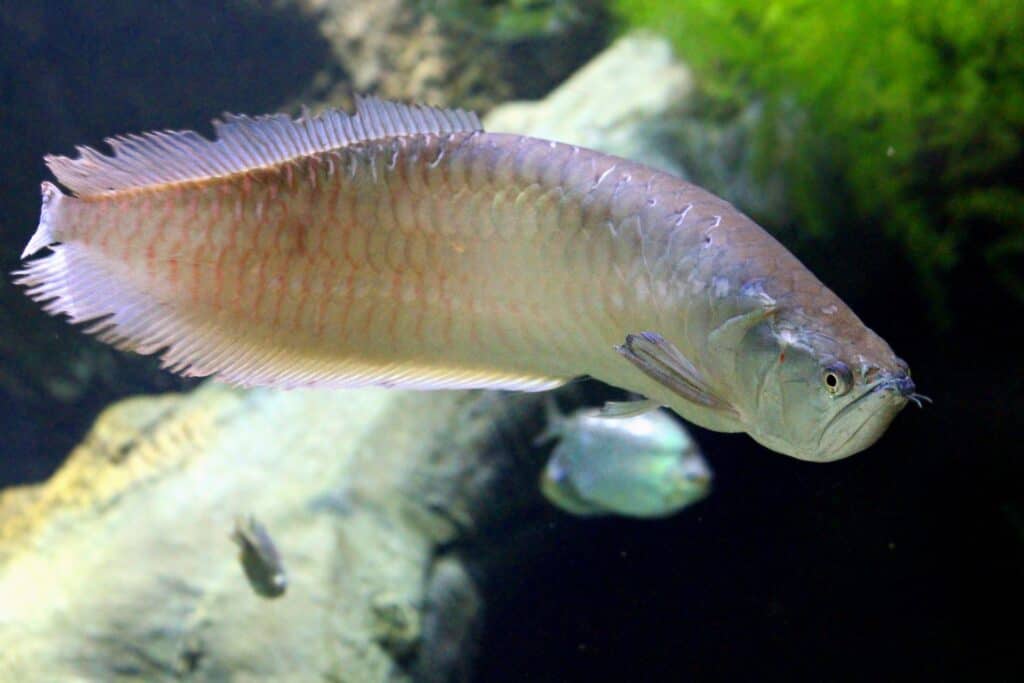
- Arowana’s
These fish will be natural predators unless clown loaches are fully grown.
- All kinds of shrimp
they could easily be preyed upon by the clown loaches who will devour them in no time; they will make an excellent and tasty snack for the loaches
- Snails
Clown loaches will hunt snails down and will eventually kill them. So please don’t mistake it. They might not be able to get rid of your snail infestation, but they will significantly reduce that population.
Are Clown Loaches Hardy?
Clown loaches are not the easiest fish to keep, but they are not the hardest either I guess they fall on the easier side, though. they prefer a good range of temperatures; however, this should be as stale as possible.
Clown loaches will grow to about 7-12 inches spread up over their lifespan of 5 to 15 years, depending on what condition they live in.
As long as you give them frequent water changes like any other regular fish, they will do just fine. In addition, you benefit from having cleaners in your aquarium.
Clown Loaches Ideal Water Conditions
- Required husbandry – Moderate
- Hardness – soft water fish
- Temperament – Semi-aggressive
- pH – 6.5 to 7.0
- Temperature – 78° F to 87° F
It is also vital we point out that clown loaches do very well in groups of 6 or more. They enjoy the company of their species and can also be aggressive towards other species if they are provoked.
Do Clown Loaches Require A Heater?
Unlike other fish, clown loaches can survive in low or high temperatures as long as it is stable temperatures can range from 78° F to 87° F or 25°C to 30.5°C in most scenarios where winters are icy, and the room temperature drops too low a heater may be required depending again on your surroundings and what the tank temperature is at that point. Due to how well they acclimate to water temperature, they can be kept with a whole range of other fish.
Pros & Cons
Pros
- Clown loaches clean tanks
- Clown loaches can live in a range of temperatures
- They are colourful fish and will add vibrance
- They are peaceful fish and will thrive in community tanks
- They help prevent ammonia spikes in the water
- They provide great entertainment bringing your tank to life
Cons
- They often mess up decorations while searching for food
- They can damage plants when they knock them over
- Clowns can become aggressive if provoked by smaller species
- This species cannot be kept alone
- They feed on ornament shrimp
- Loaches, in general, pick up itch relatively easy

Breeding Clown Loaches, Is It Possible?
To breed clown loaches, they need to be around 2-5 years old and should size up to about 6 to 7 inches. Breeding this species in a community or in captive, in general, is a daunting task predominantly due to how hard it is to find a breeding pair.
Your chances increase significantly if you have around 4-5 males for every female. These males will tirelessly chase the female until she lays the eggs. The gestation period is approximately 14 days, and babies will be able to swim by that time. Females are more stocky than males, and their tales are shaped more pointy.
important to note:
More often than not, the female will lay eggs, but these will be infertile, and usually, other clown loaches or the parents themselves will eat the eggs; thus, it’s hard to breed this specific species.
As you can see by the information laid out before you, clown loaches can be perfect or no good depending on your reasoning for keeping them; before you get yourself a few, do some more in-depth research and make sure they are suited for your needs.