Do you have a tropical fish tank? If so, you need a WaveMaker! A WaveMaker is an essential piece of equipment for any tropical fish tank. It creates waves and currents in the water, which helps to keep your fish healthy and active. WaveMakers come in many types, and this blog post will help you decide which one is best for your aquarium.
Air-powered WaveMakers and water-powered WaveMakers are the two main types. There are two main types of WaveMakers: air-powered and battery-powered. The water is pumped to create waves and currents. In water-powered WaveMakers, waves and currents are created using a propeller. Both types of WaveMakers have their advantages and disadvantages.
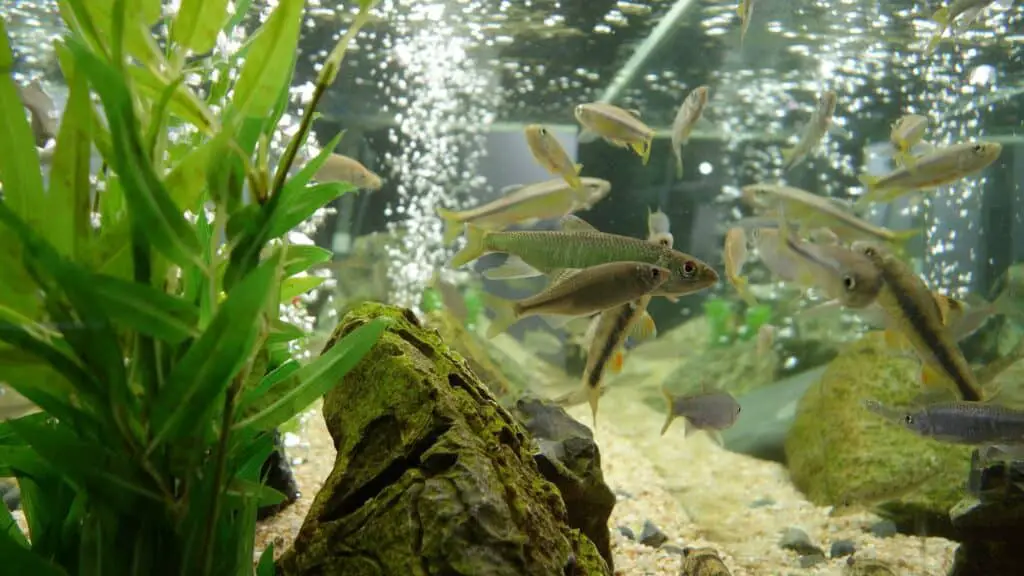
Wavemakers are an essential piece of equipment for any tropical fish tank. They create waves and currents in the water, which helps to keep your fish healthy and active.
How do wave makers work?
A wave maker is a machine that generates waves, usually in a swimming pool. Wavemakers are used to create artificial waves for surfing, bodyboarding, and other water sports. In addition to creating waves for entertainment and simulation, they can also be used for research. Wavemakers typically use one or more fans to blow air into a chamber, which then forces water out through jets. The resulting jets of water interact with each other to create waves. The size and shape of the waves can be controlled by varying the speed of the fans, the size of the chamber, and the number of jets. Wavemakers are essential for many water-based activities and can provide hours of fun and excitement.
Can you use a wavemaker in a tropical tank?
Wavemakers are devices that create artificial waves in an aquarium. They are often used in reef tanks to simulate the natural movement of water, which helps to keep coral and other marine life healthy. However, wavemakers can also be used in tropical tanks. In fact, they can be beneficial in a number of ways:
- Water movement helps keep the tank clean by circulating debris and detritus.
- It can help to aerate the water and prevent stagnation.
- It provides exercise for fish and other aquatic creatures.
Of course, it is vital to use a wavemaker that is appropriate for the size and type of tank. Too much movement can stress fish and damage delicate plants. A wavemaker can be a valuable addition to a tropical aquarium as long as you choose the right one and use it carefully.
Do tropical fish need a wavemaker?
Many people believe that tropical fish only thrive in warm water, but this is not always the case. In fact, many species of tropical fish originate in regions with high levels of turbulence and strong currents. As a result, they are adapted to living in conditions that would be too turbulent for other types of fish. In the wild, these fish often congregate near rock formations or coral reefs, where the currents are strongest. In captivity, however, they may not have access to such areas. As a result, many hobbyists choose to use wavemakers to provide their fish with the simulation of natural conditions. Wavemakers create a gentle flow of water that replicates the conditions in the wild, which can help keep tropical fish healthy and happy.
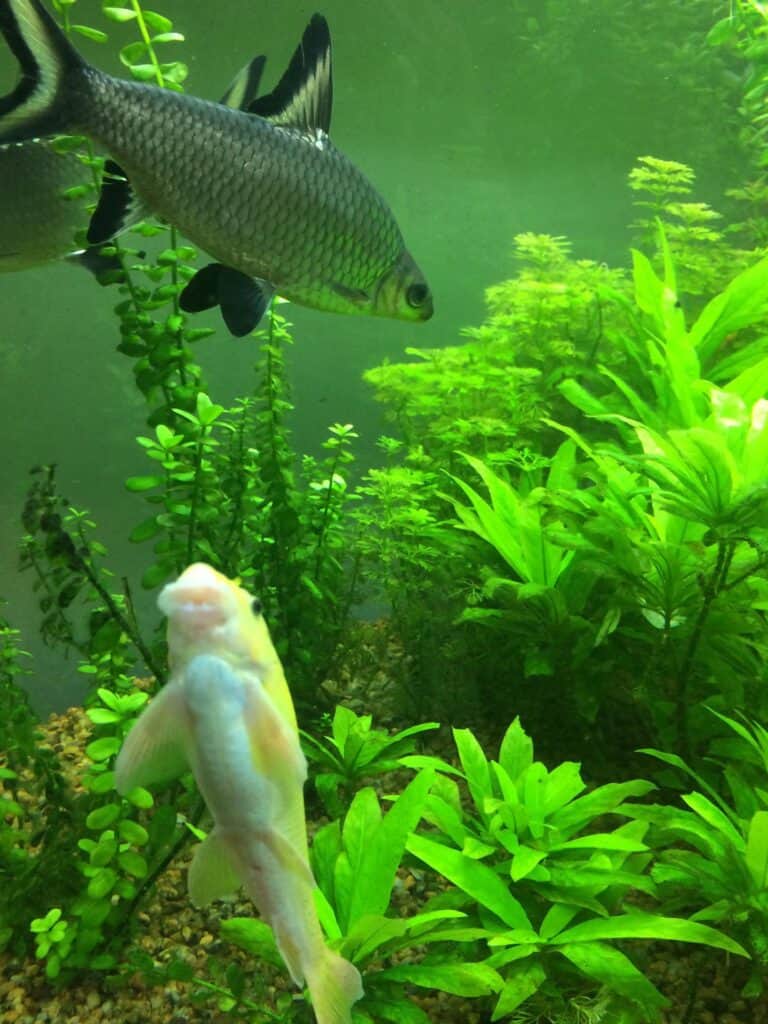
Do fish like Wave Makers?
The question of whether fish actually enjoy wave makers remains unanswered. Some studies have shown that fish are attracted to the movement of water created by wave makers, while other studies have shown that fish are stressed by the constant movement and prefer to avoid areas with wave makers. However, one thing is sure: wavemakers can have a significant impact on the environment. The constant movement of water can stir up sediment, which can lead to water pollution. In addition, wave makers can disrupt the natural flow of water, causing problems for plants and wildlife that rely on the water for feeding and breeding. As a result, it is vital to use wave makers sparingly and only in areas where the environment will not be damaged by them.
How do wave makers increase current flow?
Wavemakers are a critical tool in oceanography, as they allow researchers to create artificial waves in order to study the effects of current flow on marine life. By definition, a wave maker is a device that generates waves, typically by oscillating water back and forth. In the ocean, wave makers are used to increasing current flow, which can help improve marine ecosystems’ health. For example, increased current flow often leads to increased oxygenation of the water, as well as increased mixing of nutrients. This can lead to an overall improvement in water quality, which can benefit marine life. Wavemakers can also be used to create currents that simulate natural conditions, such as those created by tides or storms. This can be invaluable for research, as it allows scientists to study the effects of current flow on marine life without placing animals in potentially dangerous conditions. Ultimately, wave makers are essential for studying the ocean and its inhabitants.
There are two main types of WaveMakers:
Air-powered WaveMakers – are very quiet and easy to set up. They are also relatively inexpensive. However, they can be less reliable than water-powered WaveMakers and may not create as strong of waves and currents.
Water-powered WaveMakers – are more expensive than air-powered WaveMakers but are also more reliable and create stronger waves and currents. However, they can be louder than air-powered WaveMakers and may be difficult to set up.
So, which type of WaveMaker is best for your tropical fish tank? If you want a quiet, easy-to-use WaveMaker that is relatively inexpensive, an air-powered WaveMaker is a good choice. In contrast, water-powered WaveMakers create stronger waves and currents and are more reliable.

How do you slow down a wavemaker?
If you have a wavemaker in your fish tank, you may have noticed that it can create a lot of movement and turbulence. This can be stressful for your fish and make it difficult to keep the tank clean. Fortunately, you can slow down a wavemaker in a few different ways. One option is to simply reduce the flow rate. Most wavemakers have adjustable flow rates, so you can experiment until you find a setting that is comfortable for your fish. Another option is to use an air stone. Air stones produce tiny air bubbles, which help break up the water flow and create a more peaceful environment for your fish. Finally, you can try using a diffuser. Diffusers work by spreading out the water flow, which helps reduce the overall movement in the tank. Following these simple tips can help create a calm and peaceful environment for your fish.
Will wave makers create too much disturbance in my fish tank?
Some people believe that wave makers are necessary for a healthy aquarium. Others believe that they can create too much disturbance for your fish. So, what’s the verdict? Are wave makers excellent or bad for your fish tank?
While it is true that wave makers can create a lot of movement in your fish tank, this is not necessarily a bad thing. In fact, many fish actually benefit from a little bit of water movement. For example, fish that come from fast-flowing rivers may feel more comfortable in an aquarium with some current. Additionally, the movement created by wave makers can help to circulate oxygenated water throughout your aquarium, which is essential for the health of your fish. However, it is important to remember that too much water movement can be stressful for fish. The next time you notice your fish swimming randomly or bashing into objects in your aquarium, it may be time to turn down the flow on your wave maker. Ultimately, whether or not you use a wave maker in your fish tank is a personal decision. Both approaches have their advantages and disadvantages. It is important to do some research and decide what will work best for you and your fish.
Benefits Of A Wavemakers In Aquarium
Wavemakers are a vital piece of equipment in any aquarium as they create water movement, which fish and plants need to stay healthy. There are many benefits to using wavemakers, such as:
-They help circulate oxygenated water throughout the tank, ensuring your fish get the oxygen they need to stay healthy.
-They prevent stagnant pockets of water from forming, which can build harmful toxins.
-They create a natural current that encourages fish to swim and exercise.
-They help to aerate the substrate, preventing it from becoming compacted and allowing roots to get the oxygen they need.
Wavemakers are essential to any aquarium setup, and their benefits make them well worth the investment.

Do wavemakers create oxygen?
Aquarists believe that wavemakers can help to oxygenate the water. While it is true that wavemakers can increase the amount of dissolved oxygen in the water, they are not capable of creating oxygen. Instead, they redistribute the oxygen that is already present. In addition, wavemakers can consume oxygen as they circulate water, leading to lower levels of dissolved oxygen over time. As a result, aquarists should be careful not to rely on wavemakers as their sole source of aeration.
What is the difference between a wavemaker and a powerhead?
Those who maintain tropical fish tanks often use devices called powerheads and wavemakers to circulate the water and create currents. Both devices serve an essential function, but they operate in different ways.
A Powerhead:- is a device that pumps water from one point to another. For example, it often moves water from a sump back into the main aquarium. Powerheads are designed to create a strong flow of water and are not adjustable.
On the other hand, a Wavemaker is a device that creates waves in the water. Wavemakers are adjustable and can be used to create different types of currents, from gentle ripples to strong waves. Many aquarists use wavemakers to simulate the natural current of a river or ocean.
Can I turn my wave maker off at night?
With wave makers being an important part of many aquariums, providing essential agitation and oxygenation of the water. The vibrations they generate can also be a source of disruption, particularly at night. While it is possible to turn wave makers off at night, it is not recommended. Without the movement of the water, dissolved oxygen levels can drop quickly, potentially leading to fish stress or even death. In addition, turning off the wave maker can disrupt the natural flow of water in the aquarium, which can negatively impact plant growth. It is therefore generally advisable to keep the wave maker running during all operating hours.
Are wave makers noisy?
People’s most common concern about wave makers is whether or not they are noisy. Wavemakers use a motor to generate a current in the water, which can create a noticeable sound. However, the level of noise will vary depending on the size and power of the wave maker. In general, smaller wave makers are less likely to be noisy, and some models even feature unique noise-reduction technology. If you are concerned about noise, it is essential to do your research before purchasing a wave maker. Reading online reviews can be a helpful way to get an idea of how noisy a particular model is. Ultimately, choosing a quiet wave maker will help to ensure that your fish tank is peaceful and tranquil.
How do I choose a wavemaker?
Wavemakers are a vital piece of equipment for many fish tank hobbyists. Not only do they help to create a more natural environment for your fish, but they can also improve filtration and help to aerate the water. In spite of this, there are a number of different wave makers available on the market, choosing the right wave maker for your tank can be a challenge. In making your selection, keep these things in mind:
-The size of your tank: Wavemakers come in a variety of sizes, and it’s important to choose a wavemaker that is appropriate for the size of your tank. Otherwise, you may end up with too much or too little flow.
-The type of fish you have: Some fish require more flow than others, so make sure you research the specific requirements of your fish beforehand.
-Your budget: Wavemakers can range in price from $20 to $200, so it’s essential to set a budget before you start shopping.
In choosing the right wave maker for your aquarium, it is important to take these factors into account.