A tropical fish tank would be incomplete without moss balls. Not only do they look great, but they also provide a lot of beneficial properties for the tank. Moss balls can help filter the water and reduce algae growth. They also serve as a natural food source for the fish. Adding moss balls to your tank is a simple way to improve its overall health and appearance.
Moss balls, also known as Marimo balls, are algae found in lakes and slow-moving rivers in Japan, Iceland, and Scotland. They are a popular addition to tropical fish tanks because they provide a habitat for small fish and act as a natural filter. In addition, Moss balls are easy to care for and can live for many years with proper care.

Moss balls need a little bit of light to grow, but too much light will cause them to turn brown and die. They also need to be kept in water that is not too cold or too hot. The ideal temperature range for moss balls is between 22°C – 25°F degrees Fahrenheit.
Are moss balls good for tropical fish?
Moss balls have been gaining popularity as a way to add visual interest and provide benefits to aquariums, especially those housing tropical fish. A moss ball is actually a species of algae that grows in freshwater or saltwater and is a type of moss. They are easy to care for and don’t require special lighting or nutrients. Many people believe that moss balls are helpful in filtering the water in an aquarium and removing toxins. Besides providing a hiding place for fish, they can be used as spawning grounds. While moss balls may offer some benefits to an aquarium, there are also some potential drawbacks to consider. Moss balls can be expensive and quickly become overloaded with toxins if the tank is not maintained correctly. In addition, some experts believe that moss balls can cause problems with the oxygen levels in an aquarium. For these reasons, it is essential to do your research before adding moss balls to your tropical fish tank.
What does a moss ball do in a tank?
A moss ball is a sphere of moss that is held together by a string of algae that tools into a ball. It provides a home for beneficial bacteria and helps to keep the water in a fish tank clean and clear. Moss balls also help to oxygenate the water and provide shelter for fish. In addition, moss balls can help to reduce the levels of nitrates and phosphates in the water, making them an important part of any aquascape. While they are not essential for a healthy fish tank, moss balls can be valuable to any aquarium.
How long does a moss ball live in a fish tank?
Very little maintenance is required for moss balls, and they can live in a fish tank for 100-200 years or even longer. Only gentle squeezing is needed to remove any debris that has become trapped in their fibres on a regular basis after taking them out of the water. Moss balls are a beautiful addition to any freshwater aquarium, and their long lifespan makes them a perfect pet for those who don’t have the time or patience to care for more high-maintenance creatures.
How do you take care of a moss ball in a fish tank?
Moss balls are a popular addition to many fish tanks, providing a naturalistic touch and a place for fish to hide. But moss balls can also be finicky and quickly die if not adequately cared for. To keep your moss ball healthy, it is crucial to maintain the correct water temperature and pH level. Once every few weeks, it is a good idea to squeeze the moss balls gently. It’s also good to gently roll them into their ball shape to ensure they stay round and compact. If your moss ball starts to turn brown or white, this is a sign that it is not getting enough light. You can move the moss ball to a different location in the tank or add a fluorescent aquarium light.
A pH of 6.5 to 7.5 and a temperature of 72 to 78 degrees Fahrenheit are perfect for moss balls. In addition, moss balls need a high level of dissolved oxygen in the water, so be sure to aerate your tank well. Finally, keeping an eye on your moss ball for signs of problems is essential. If the moss starts to turn brown or lose its shape, it is an indication that something is wrong. By taking care of your moss ball, you can enjoy its beauty for years to come.
Do moss balls thrive in cold or warm water?
It is easy to keep moss balls, and they don’t require much upkeep, making them a popular choice for beginner aquarium enthusiasts. One of the most common questions about moss balls is whether they prefer cold or warm water. It may seem simple enough to answer this question, but it is not. While moss balls can survive in both cold and warm water, they will only thrive in water that is within a specific temperature range. For most moss species, this range is between 68 and 72 degrees Fahrenheit. The water needs to be at the right temperature. If it is too cold or too hot, the moss will not be able to photosynthesize correctly and will eventually die. As a result, it is essential to pay attention to the temperature of your aquarium if you want your moss balls to thrive.

Do moss balls reproduce?
Many people are unaware that these balls can actually reproduce. Each moss ball is composed of filamentous green algae called Cladophora. Under the right conditions, these algae can break apart and form new clumps. In nature, this typically happens when Cladophora gets caught in a current and is pulled apart. However, in an aquarium setting, moss balls can be split apart manually. Once the algae have been divided, they will start to grow new roots and form into new moss balls. This is because moss balls are straightforward to create inadvertently, so it’s important to be careful when handling them.
Do moss balls need food?
Due to the fact that moss balls do not require exceptional food to survive, these plants are unique. Instead, they produce their food through a process called photosynthesis. As a result, moss balls are very low maintenance in terms of care. They do not require fertilizers or any other type of commercial food. Instead, they can simply be placed in a body of water and left to their own devices. For moss balls to photosynthesize, however, some light is necessary. Without sufficient light, they will slowly begin to die. As such, it is crucial to provide them with a position in your fish tank that receives good lighting. Nevertheless, with the proper care, moss balls can make a beautiful and low-maintenance addition to any aquarium.
Can moss balls rot?
Moss balls are generally very easy to care for – but that doesn’t mean they’re indestructible. If you don’t take care of your moss ball, it can start to rot. The first sign of rot is usually a change in colour, from green to brown or black. The moss ball may also begin to disintegrate, losing its smooth, round shape. In the event that any of these changes are noticed, it is essential that you take action right away. Moss balls should be kept in well-ventilated containers, and the water should be changed regularly to prevent rot. If you think your moss ball is already starting to rot, you can try soaking it with a 1 – 10 ratio of bleach to the water. Any bacteria causing the problem will be killed by this method. But, again, it’s important to act quickly – if the rot is allowed to progress, it will be too late to save your moss ball.
Do moss balls reduce ammonia?
One key claim is that moss balls can help to reduce ammonia levels in your aquarium. A toxic compound is produced when fish waste breaks down called ammonia. If it builds to high levels, it can cause serious health problems for your fish. Moss balls are often used in tandem with other filter systems, and they can help to reduce ammonia levels by providing a surface for beneficial bacteria to grow. The bacteria convert the ammonia into nitrites, which are less harmful to fish. So while moss balls alone will not eliminate all ammonia from your aquarium, they can help improve the quality of your aquarium’s water.

What can pH levels moss balls tolerate?
We can determine whether a substance is basic or acidic by measuring pH. The lower the pH, the more acidic the substance; the higher the pH, the more basic. In general, plants grow best in neutral pH soil, between 6.0 and 8.0. However, moss is a little different. Moss balls, also known as marimo moss balls, are actually a type of algae. They are very popular in fresh and saltwater aquariums because they are low-maintenance and can tolerate various environmental conditions. In terms of pH, moss balls can tolerate anything from 5.0 to 9. So, a moss ball is a good option if you’re looking for a plant that can thrive in an acidic environment. Ensure that you monitor pH levels and make adjustments as needed to ensure that your moss ball stays healthy and happy.
Do moss balls oxygenate water?
Any person who has had a fish tank knows that oxygen is vital to the survival of aquatic life. Fish need oxygen to breathe; without it, they will quickly suffocate. Aquatic plants also contribute to oxygenating water, as they produce oxygen gas through photosynthesis. However, many aquarium owners choose to use moss balls as decoration rather than live plants. But do moss balls actually oxygenate water? Moss balls release oxygen into the water by taking in CO2 and releasing oxygen into the tank. Still, they do not produce enough oxygen to impact the overall oxygen levels in a large aquarium significantly. However, they can be helpful in small tanks or bowls where oxygen levels may be low. In addition, moss balls can help to filter the water and reduce nitrate levels. Therefore, Moss balls can still be a valuable addition to any aquarium despite their inability to oxygenate a large body of water on their own.
What will happen if I add moss balls to my filter?
Moss balls are often used in aquarium filters because they are good at absorbing toxins and breaking down ammonia. However, if too many moss balls are added to the filter, they can actually start to release toxins back into the water. This can lead to a sudden spike in ammonia levels, which can be deadly for fish. In addition, the excess algae growth that can result from adding too many moss balls can clog the filter and cause it to stop working properly. As a result, it is essential to moderate moss balls to filter carefully. It’s possible to cause more damage than good if you don’t take precautions.
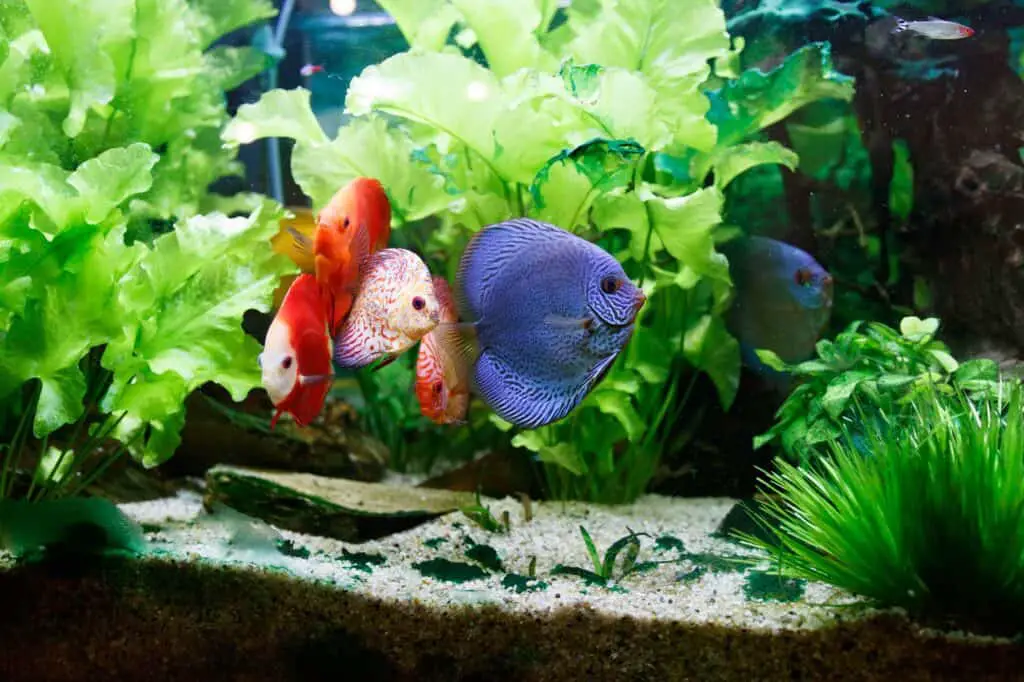
How to avoid moss flying all over the fish tank
If you have ever had a moss ball in your fish tank, you know the terror of watching it break apart and release its contents into the water. You should be aware that this condition is both unsightly and potentially dangerous to your fish. Moss balls are often used to absorb excess nutrients in the water, and when they break up, those nutrients can cause algae to bloom or poison your fish. So how can you prevent your moss balls from breaking apart? The key is to remove them every few weeks and squeeze and reroll them to compact the moss and maintain the ball shape. The tank will be less likely to fall apart if stored this way. In addition, be sure to keep an eye on your water quality and make sure that the ammonia and nitrite levels are low. If they start to rise, it could be a sign that your moss balls are breaking down and releasing toxins into the water.