If you’re like many aquarium hobbyists, you may have considered using driftwood from the river as an attractive and natural addition to your tank. But is it safe? What are the risks associated with using driftwood from the river or beach?
Using driftwood from the river is perfectly safe, provided you cure it. Untreated wood direct from the river could introduce parasites or bacteria that could prove fatal to your fish; therefore, the wood must be cured and only after that can it be added to your setup.
The use of driftwood from rivers, lakes or beaches is hotly debated with no clear answers, so we’ll take a look at the potential dangers of using driftwood from the river and provide some tips for ensuring that your aquarium stays healthy.
What is driftwood
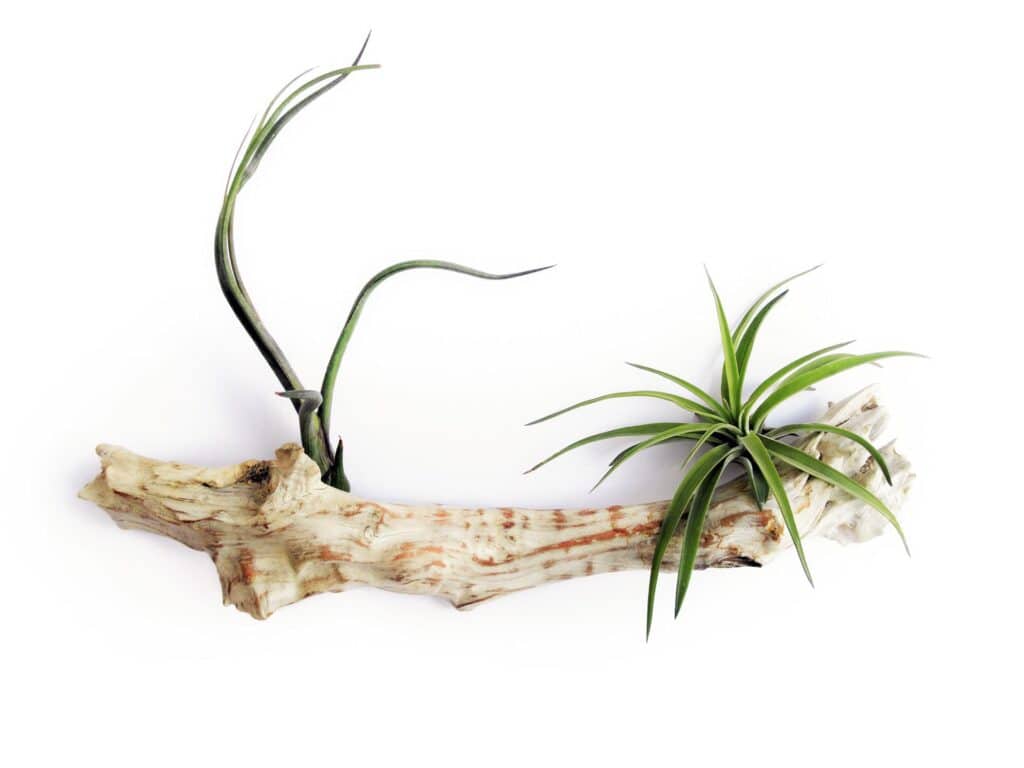
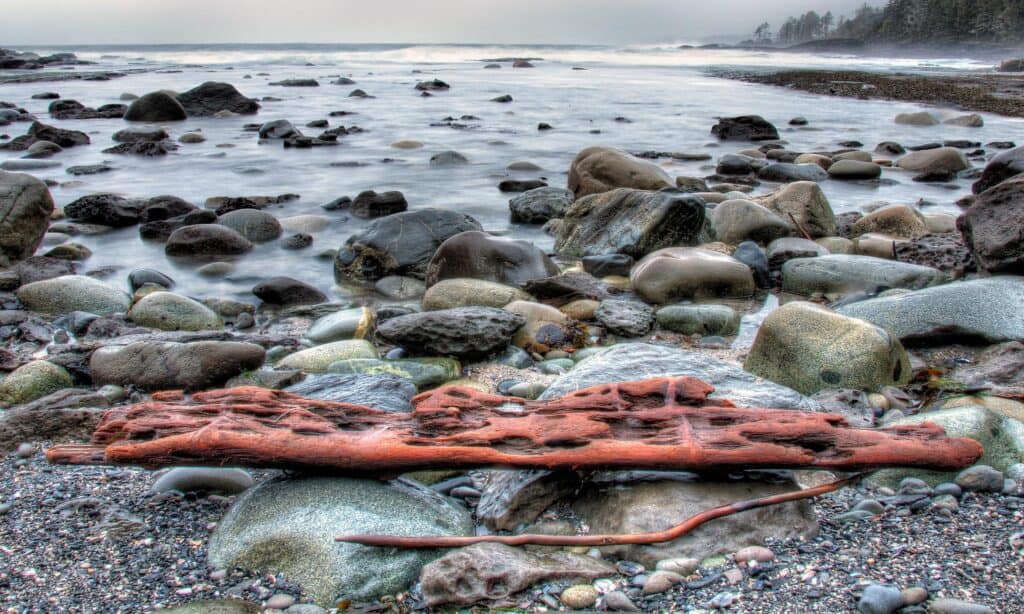
Driftwood is a type of wood washed downstream and deposited on the banks or in a body of water. They are broken off by trees that have fallen into the water. Over time, the wood becomes waterlogged and starts to break down. The current carries the wood downstream and can end up on the shoreline.
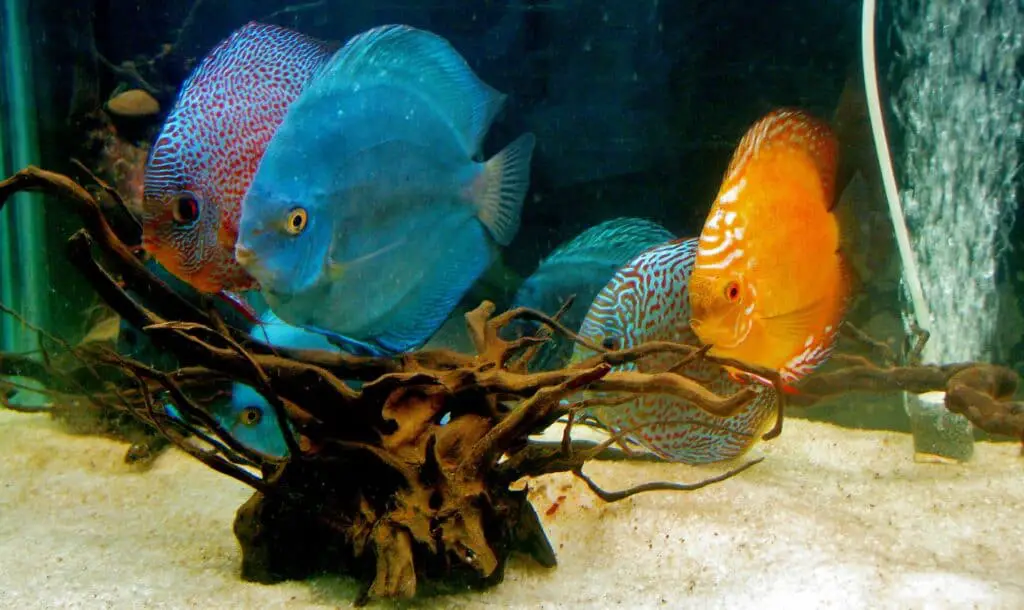
There are many uses for driftwood. For example, it can be used as firewood, construction material, or decorative home furniture. In addition, the wood can be used in an aquarium to provide a place for fish to hide and to give the tank a natural look. Driftwood also releases tannins into the water, which can help to reduce algae growth and soften the water for your fish.
Can I put river driftwood directly in my tank without curing it first?
Can I put river driftwood directly in my tank without curing it first? There is debate over whether it is safe to put river driftwood directly into an aquarium without curing it first. Some say that the wood can release tannins into the water, which can cloud the tank and affect the pH levels. Others argue that driftwood actually helps to stabilize pH levels and can provide a natural habitat for fish and other aquatic creatures. Suppose you are considering using driftwood from a river or other freshwater source. In that case, it is best to do a bit of research to see what other aquarists have experienced with this type of wood. Curingriver driftwood before adding it to your aquarium will help to ensure that it is safe for your fish and will not cause any problems with the water quality.
Is it important to cure driftwood?
Curing Driftwood is the process of boiling or soaking the wood in hot water to remove any toxins, bacteria, or fungi that may be present. This is an essential step if you want to ensure the health and safety of your fish. Driftwood from specific sources may contain harmful pollutants or toxins that can be released into the water, leading to illness or even death for your fish. Suppose you’re unsure whether the driftwood you’ve collected is safe. In that case, it’s always best to avoid caution and cure it before using it in your aquarium. This is a worthwhile step that should not be missed. It’s simple and only takes a few hours, so there’s no reason not to take this extra step.
What is the process of preparing driftwood from the river for my aquarium?
If you want to use driftwood from the river in your aquarium, there are a few preparation steps you need to take. First, the wood can be cleaned and sanitized by boiling it in water for about 30 minutes. You may also want to soak the wood in a solution of 1 tablespoon chlorine bleach per gallon of water for about 30 minutes. This will help kill any bacteria or algae that may be on the wood. Another way to prepare the driftwood is to spray it thoroughly with white vinegar and then rinse it off. It should be cleaned first and then soaked in water for a day or so before adding it to your aquarium. By preparing the driftwood properly, you can help ensure that your aquarium stays healthy and thriving.
The dangers of using driftwood from the river
Driftwood can be an attractive addition to a fish tank, but it’s essential to be aware of the dangers it can pose. Driftwood can harbour parasites and bacteria that can harm your fish. It can also release tannins into the water, making it difficult for your fish to breathe and turn the water a yellowish-brown colour. If you choose to use driftwood in your fish tank, boil it or soak it in bleach before adding it to the tank. Consequently, you will be able to get rid of any harmful bacteria or parasites that may be present. And always keep an eye on your fish for any signs of distress, such as difficulty breathing or increased dorsal fin erections. Remove the driftwood from the tank immediately if you see any of these signs.
What to do if your fish start showing signs of distress after adding driftwood to the tank
If you’ve just added driftwood to your aquarium and notice that your fish are starting to look stressed, there are a few things you can do:
-Remove the driftwood from the tank.
-Check the water temperature and make sure it’s within the optimal range for your fish.
-Make sure the tank is adequately aerated.
-Do a 30-40 % water change every day once a day for 3 days. That should change things.
-Check your water’s pH and ensure it’s within the optimal range for your fish.
Alternatives to using driftwood in your aquarium
You have a few different options if you don’t want to use driftwood in your aquarium. One option is to use artificial driftwood, which can be found at most pet stores. Another option is to use live plants instead of driftwood. Live plants can provide both decoration and oxygen to your aquarium, and they can also help to keep your tank clean. Lastly, you can also try using other materials such as rocks or shells to decorate your tank. Among these is spider wood which is much safer to use for all species.
Driftwood can be a beautiful and natural addition to an aquarium, but it’s essential to make sure it’s safe for fish and other aquatic life. If you’re unsure whether the driftwood you’ve collected from the river is safe for your tank, consult with an expert before adding it to your aquarium. With a little bit of research and some cautionary steps, you can safely enjoy the beauty of driftwood in your home aquarium.