Aquariums are a popular way to enjoy fish and other aquatic creatures without worrying about taking care of a body of water. However, there are some essential things to keep in mind when setting up and maintaining an aquarium, especially when it comes to ageing the water.
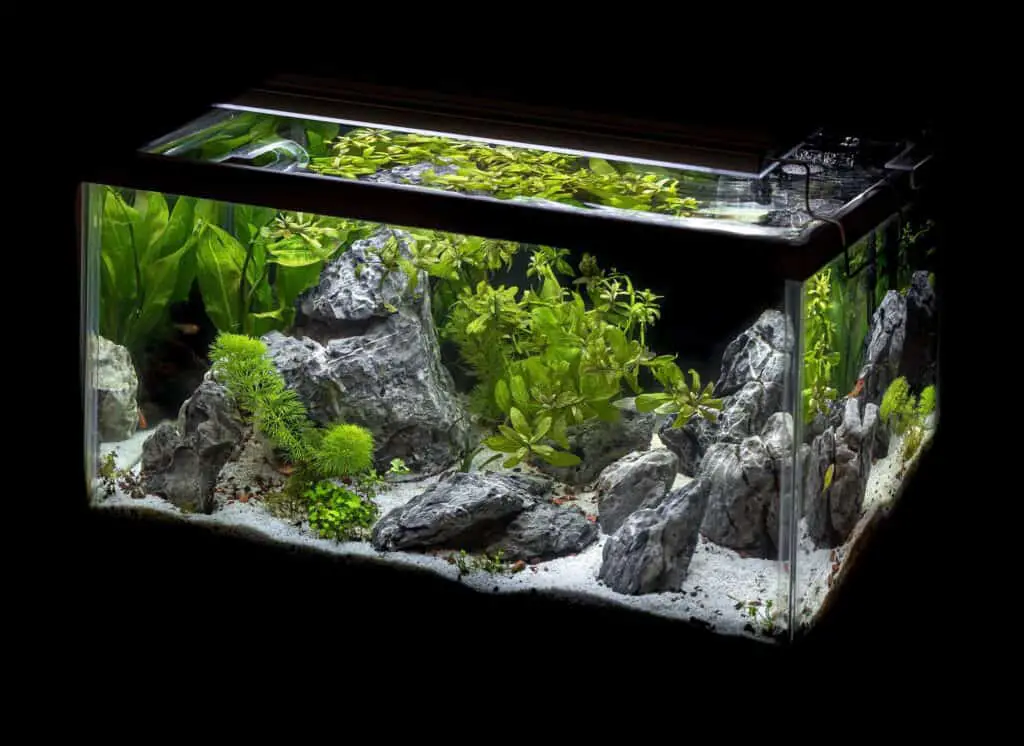
When ageing water, it is important to leave an opening so that air can circulate and gases that evaporate while standing can escape and not be trapped inside. This means leaving an opening at the top of the tank so that fresh air can circulate and help to age the water.
When it comes to fish tanks, one of the most important things you can do for your aquatic friends is to make sure the water is appropriately aged. In this article, we’ll discuss why it’s important to age the water in an aquarium and how you can go about doing so.
Does My Storage For Ageing Water Need An Opening?
ageing water has loads of benefits for fish; it allows for potentially harmful gases to evaporate before they are added to the aquarium but can this be done if the stored water has no opening. While it can still be better than ordinary tap water, a lot of the gases that would have escaped are still trapped in the water due to no ventilation. It would be best suited to remove the cap or create an air escape route.
ageing water is quite common in this hobby as almost all aquarist agree it is better to have stored water because 9 times out of 10, it is going to be much safer than regular tap water because you leave the water to sit for however long during this time chemical reactions are occurring and neutralizing the water so that it can be safe for aquarium usage.
What Is Ageing Aquarium Water?
Ageing aquarium water allows harmful chemicals and gases to evaporate from the water before adding it to the fish tank. This is done by leaving an opening at the top of the aging water container so that fresh air can circulate and help to remove these dangerous substances. Many aquarists agree that aging water is necessary for setting up a safe and healthy environment for their fish, as it can significantly reduce the risks of fish illness or death.
What Gases Does Ageing Aquarium Water Remove?
Ageing water removes a variety of potentially harmful gases, including chlorine, chloramine, and ammonia. These gases can be toxic to fish and other aquatic creatures and can cause a range of health problems. By allowing these gases to evaporate before adding the water to the fish tank, you can create a safer environment for your fish.
Should I Add Anti-Chlorine When Ageing Aquarium Water?
It is not necessary to add anti-chlorine when ageing water, as the chlorine will evaporate on its own. However, some aquarists prefer to add an anti-chlorine product to their ageing water to help speed up the process. If you do choose to add an anti-chlorine product, be sure to follow the instructions carefully and only use the amount recommended by the manufacturer.

Should I Leave Ageing Aquarium Water In The Sun?
The sun can help to speed up the ageing process, but it is not required. Fish can safely be introduced into the tank once the water has been aged and all of the chemicals have been properly diluted.
How Long Should I Age Aquarium Water?
The length of time you should age water for fish tanks can vary depending on the type of fish you are keeping. Typically, water should be aged for anywhere from 24 to 48 hours. This will give the water enough time to properly dissipate any chemicals or toxins that may be present. If you are adding new fish to an existing tank, make sure to wait at least 24 hours after adding the water before introducing the fresh fish.
Does Ageing Water Make It Soft For Aquariums?
Water that has been aged for fish tanks will typically be softer than freshwater. This is because the ageing process allows for the dissipation of any chemicals or toxins present in the water. This can be beneficial for fish, as it can help to soften the water and make it more hospitable for them. So, if you are looking to create softer water for your fish, ageing water is a good option.
Can I Age Rainwater For My Aquarium?
Rainwater can be aged, but it typically takes longer than water from other sources. This is because rainwater is naturally purer and doesn’t contain as many dissolved minerals. Ageing rainwater can help to remove any impurities that may be present, making it safer for fish. However, it is important to note that rainwater should be tested before adding it to a fish tank, as it may still contain harmful chemicals or toxins.

Is Ageing Aquarium Water For Longer Better?
Ageing water for a more extended period will not necessarily make it better. In fact, the quality of water can decline over time. As water ages, it becomes more susceptible to contamination from bacteria and other microorganisms. Additionally, the dissolved minerals in water can also begin to precipitate out, making the water less pure. So ultimately, it is vital to only age water for as long as is necessary; more prolonged than that may do more harm than good.
Ageing water for fish tanks is a process that takes time and patience. Do not try to rush the ageing process, as this can lead to harmful gases building up in the tank. Instead, make sure you leave an opening for toxic gases to escape so that your fish can safely live in the tank. The benefits of ageing water include the dissipation of chemicals or toxins that may be present. By following these tips, you can create a safe and healthy environment for your fish to live in.