Tired of the same old, same old? Looking for a way to add natural beauty to your home without spending a fortune? Why not try creating your own beach rocks aquarium! It’s a fun and easy project that can be completed in just a few simple steps.
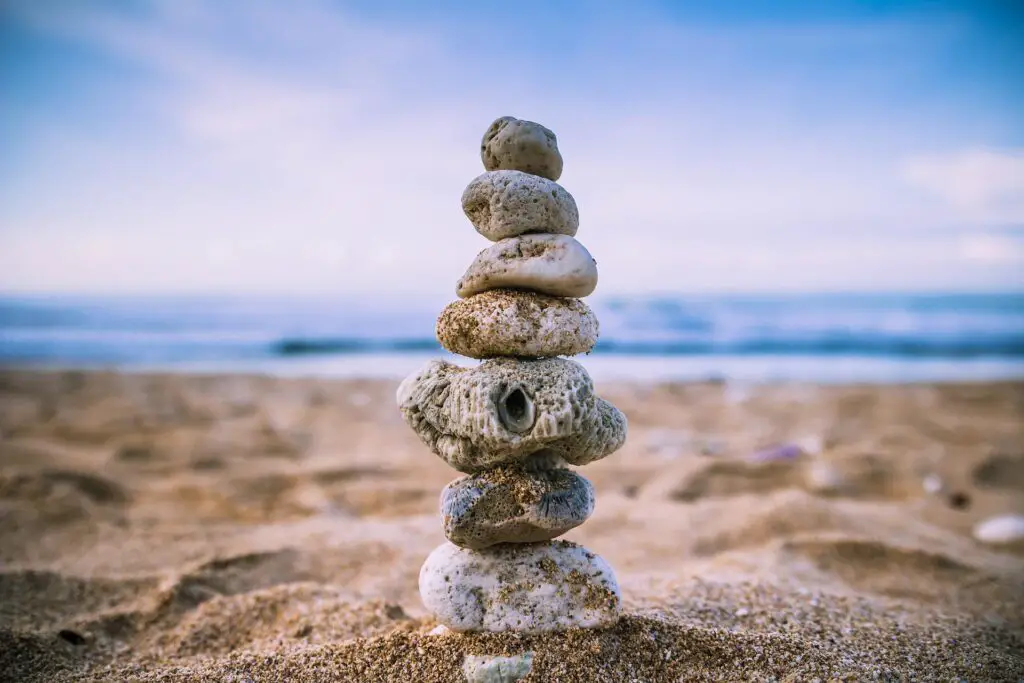
To make beach rocks safe for your freshwater tank, you must soak them in warm water with bleach. After soaking or spraying, scrub them with a toothbrush. You can also use a diluted concentration of water and vinegar of around 50% each as a spray solution. Rinse thoroughly afterwards and leave it to dry in direct sunlight.
Adding rocks from the ocean can be a great and inexpensive way to create a thriving underwater environment. Still, if not done correctly, disastrous consequences await, so have a read-through to ensure that you are aware of the risks of untreated rocks and how to properly prepare stones from the ocean.
Adding Rocks From the Beach
As you have a stroll down the beach, you may find a few rocks that catch your eye to add to your aquarium. It’s best to avoid taking rocks from areas that may have been exposed to oil, pesticides or other pollutants that could potentially harm your fish.
The first step is to soak the rocks in a bucket of clean water. This will help remove any dirt and debris clinging to the surface of the rocks. Next, use a stiff brush to scrub away any remaining dirt. If the rocks are particularly dirty, you may need to soak them. You will need to take a few extra steps. First, it is essential to only use rocks that are collected from an area that has not been exposed to toxic chemicals or pollutants. If you’re unsure about the safety of a particular rock, it’s always best to err on the side of caution and leave it behind.
Next, you’ll need to give your rocks a good cleaning. This can be done by scrubbing them with a stiff brush and hot water. Be sure to rinse them thoroughly afterwards. If you’re concerned about bacteria, you can also soak the rocks in a diluted bleach solution for 30 minutes before rinsing.
Once your rocks are clean, it’s time to prepare them for your aquarium. The easiest way is to soak them in a bucket of dechlorinated water for 24 hours. This will help to remove any harmful toxins that may be present on the surface of the rocks. After 24 hours, rinse the rocks thoroughly with clean water and allow them to air dry completely before adding them to your aquarium.
Can I put Beach Rocks in my aquarium?
Beach rocks can be placed in aquariums, but they must be cleaned and treated first. Some stones may have sand or other debris on them that can harm fish. Clean the rocks by soaking them in a bucket of water for a few hours. This will help to loosen any dirt or sediment that may be attached to the rocks.
Next, add a cup of white vinegar to the bucket and let the rocks soak for another hour. The vinegar will help to kill any bacteria or algae on the rocks. Finally, rinse the rocks thoroughly with fresh water and place them in the aquarium.

How Do You Test Ocean Rocks With Vinegar?
If you’re considering setting up an aquarium, it’s crucial to test the rocks you’ll use to ensure they’re safe. One way to do this is to pour a small amount of vinegar onto the rock and watch for bubbles. If the rock is made of limestone, it will be slowly dissolved by the vinegar, releasing carbon dioxide gas in the form of bubbles.
This means that the rock is not safe for use in an aquarium, as it will eventually release harmful chemicals into the water. On the other hand, if there are no bubbles, the rock is likely safe for use. You are better off being safe than sorry when setting up your aquarium!
How Long Do You Soak Rocks in Vinegar?
Rocks that are collected from the beach can be used in an aquarium, but they must be cleaned and treated first. Soaking the rocks in vinegar for a few days will kill any bacteria or algae on the surface.
Will Rocks Explode if You Boil Them?
No, rocks will not explode if you boil them. Instead, boiling is a way to cleanse them and remove any potentially harmful bacteria.
What Happens When You Put Lemon Juice on Each Rock?
When you put lemon juice on each rock, the rocks will dissolve. This is because lemon juice is a weak acid, and it will dissolve the calcium carbonate in the rocks. Unfortunately, this means that the rocks will not be safe for an aquarium anymore, as they will start to dissolve and release their minerals into the water.
Can I put a coral rock in a freshwater tank?
Rocks can add beauty and interest to an aquarium, but it’s essential to choose the right ones for your setup. Some rocks, like coral rock, can be harmful to fish in a freshwater tank. Other rocks, like slate or granite, are safe for use in both salt and fresh water aquariums. Before adding any rocks to your tank, be sure to do your research and choose the right ones for your setup. Otherwise, you could end up causing problems for your fish or adversely affecting the water quality in your tank. With some knowledge and planning, you can easily find the perfect rocks to complement your aquarium.

Can I put shells from the beach in my aquarium?
If you’re looking to add a little bit of the beach to your home, you may be tempted to add some shells to your aquarium. But before you do, there are a few things you need to know. First and foremost, cleaning the shells thoroughly before adding them to your tank is essential. Sand and other debris can quickly clog up your aquarium filters, so give them a good scrubbing before adding them to your tank.
Additionally, avoid placing the shells too close to your aquatic plants or fish, as they may damage delicate roots or scales. However, with a little bit of care, beach-inspired shells can make a beautiful and unique addition to your aquarium.
If you’re considering adding rocks from the ocean to your freshwater aquarium, it’s essential to clean and treat them first. Soaking the rocks in vinegar will kill any bacteria or algae on the surface, and boiling them will remove any potentially harmful contaminants. If you notice bubbling after testing the rocks with vinegar, do not use them in your aquarium as they may release toxic chemicals into the water. With some knowledge and planning, you can easily find the perfect rocks to complement your freshwater aquarium setup.