Driftwood is a popular aquarium decoration because it releases tannins into the water, changing the colour and making it more acidic. But how long will it continue to release tannins, and how much of an impact will this have on the tank?

Depending on the size of driftwood, it can release tannins for up to 5 years after being submerged in water. The tannins will leach out of the wood and discolour the water, but they will return to their original colour. However, the pH of the water may be lowered slightly because of the tannins, and it will become more acidic.
Driftwood is a popular aquarium decoration because it releases tannins into the water, but only certain species appreciate the benefits of driftwood so let’s go through them together to see when, how and for what fish we use driftwood.
How Long Will My Driftwood Last
Driftwood can be a marvellous addition to your aquarium. It provides a natural and aesthetic look to your set-up, but it also helps create an ideal environment for many species of fish that prefer softer, more acidic water.
When adding driftwood to your aquarium, it’s important to remember that all wood will release tannins into the water. Natural compounds called tannins are found in leaves, bark and wood, and they’re what give tea its characteristic colour and flavour. In small amounts, tannins can actually be beneficial to your aquarium by helping to lower its pH. This can benefit fish that prefer softer water, such as tetras and Corydoras catfish.
However, too much tannin in the water can be detrimental to your fish, so carefully monitoring the levels is crucial. For example, suppose you notice that the water is becoming too dark or discoloured. In that case, you may need to remove some of the driftwood from your aquarium.
Certain species of fish prefer softer, more acidic water, so driftwood can be a great addition to their tank if it releases tannins. However, driftwood will only release tannins for up to 5 years, and the tannins, once underwater, will leach out of the wood. This will alter the pH of the water, and it will become more acidic.
What Species of Fish Prefer Driftwood
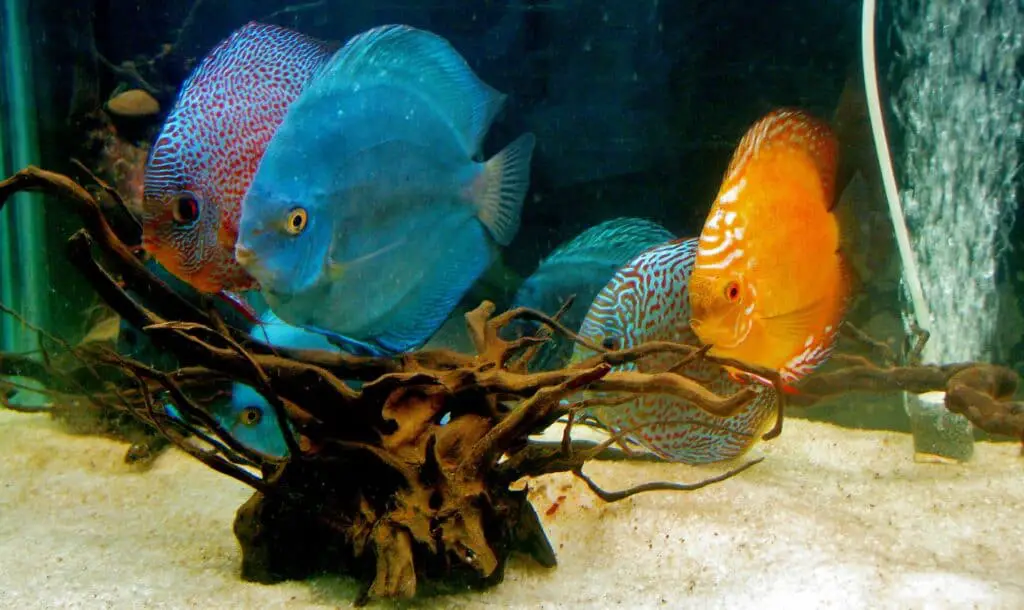
Many fish enjoy the natural addition of driftwood to an aquarium. The tannins released by the wood help to create a natural environment and can provide some health benefits for certain fish. While different species prefer different levels of tannin, most tend to prefer some tannin level in the water. This provides variety to your tank.
Some of the most popular fish that enjoy driftwood include:
- Discus
- Angelfish
- Gouramis
- Barbs
- Rasboras
- betta fish
- Platties
- Mollies
- Zebra danios
- Cory Catfish
These fish all come from habitats with tannin-stained waters and do best when some tannins are present in their aquarium. In this case, you would be a great choice if you would like to add a bit of driftwood to your tank. These fish would be great choices. Driftwood can also be an excellent addition for plecos and other algae eaters who enjoy grazing on the wood.
Does Driftwood Release any Harmful Toxins?
Yes, driftwood can release harmful toxins into an aquarium. These toxins can be detrimental to fish and other aquatic life. Therefore, it is essential to use driftwood carefully in an aquarium and closely monitor the water quality. In addition, driftwood can release toxins for a long time, so it is important to be patient and vigilant when using it in an aquarium. Some of the harmful things they can release into the water include:
-Metals: Driftwood can leach metals such as zinc, copper, and lead into the water. These metals can be harmful to fish and other aquatic life.
-Tannins: Driftwood can release tannins into the water. Tannins can make the water acidic and cause fish and other aquatic life problems. Only a couple of species enjoy the soft acidic water that the driftwood will acclimate the tank to eventually.
-Phenols: Driftwood can also release phenols into the water. Phenols are poisonous to fish and other aquatic life.
It is essential to be aware of these potential dangers when using driftwood in an aquarium. It is best to clean thoroughly using a toothbrush and some vinegar if possible. If you do choose to use driftwood, be sure to monitor the water quality closely and be prepared to remove it if necessary.
Is Driftwood Expensive
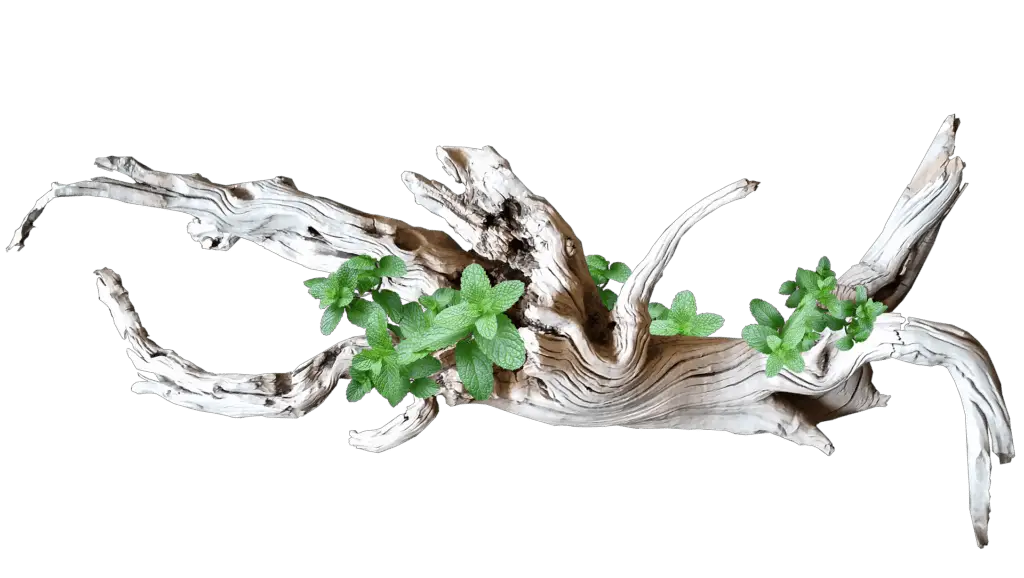
It is unclear whether driftwood is expensive or not. The size of the wood, where it was sourced, and how much has gone into preparing it for use in an aquarium will determine the price. In some cases, driftwood can be pretty expensive, while it may be more affordable in others. Everyone must decide for themselves how much money they want to spend on driftwood for their aquarium.
Driftwood can be sourced from several places, such as pet stores, online retailers, or even found in nature. The price will vary depending on the source, with natural pieces often being more expensive than those that have been commercially prepared. The size of the piece of wood is also a factor, with larger pieces costing more than smaller ones.
Finally, the amount of work that has gone into preparing the driftwood for use in an aquarium will also affect the price. Pieces that have been sanded and treated to remove any sharp edges or toxins will typically be more expensive than those that have not undergone this type of preparation.
How Long Does Driftwood Take to Sink?
Driftwood can take a long time to sink, depending on the size and density of the wood. Lighter pieces of wood will float for a more extended period of time than heavier pieces. In general, it is best to allow driftwood to soak in water for a week or more before adding it to an aquarium. In this way, the wood will be fully saturated and less likely to float.
Does Boiling Driftwood Remove Tannins
Driftwood will release tannins for about a year, but boiling it will remove most of the tannins. For aquariums, it is best to soak the driftwood in water for a few weeks to allow the tannins to leach out before adding it to the tank.
Tannins are beneficial for aquariums as they help lower the water’s pH levels and provide a natural source of food for bacteria. Driftwood also provides hiding places and shelter for fish.
What Does Driftwood Do to pH?
The tannins released by driftwood can help to lower the pH levels of water, making it more acidic. This is beneficial for aquariums as it can create a more natural environment for fish. The lower pH also helps to discourage the growth of algae and other unwanted organisms.
Driftwood is an integral part of many aquariums and can provide both aesthetic and functional benefits.
When adding driftwood to a tank, it is important to soak it in water for a few weeks to allow the tannins to leach out. This will help to prevent the wood from floating and also help to create a more natural environment for fish.

Does Driftwood Make Water Brown?
The tannins released by driftwood can discolour the water, making it appear brown. This is not harmful to fish and will eventually dissipate over time. However, if you do not want the water to be discoloured, it is best to soak the driftwood for a few weeks before adding it to the aquarium. This will help to leach out the tannins and prevent the water from becoming brown.
How Can I Remove Tannins From Water?
The best method of removing tannins from water is to boil the driftwood for a few minutes. This will help to release the tannins from the driftwood and make them easier to remove. However, it is essential to note that boiling the driftwood will also remove some of the beneficial bacteria that are present. Therefore, it is best only to boil the water for a short period of time and if you wish to remove more tannins, then boil for longer.
Does Driftwood Reduce Ammonia?
Driftwood releases tannins, which can help to reduce ammonia levels in an aquarium. Over time, driftwood will continue to release tannins. These tannins can help keep the water quality stable in an aquarium. Tannins can also help clear up cloudy water and provide a natural food source for aquarium fish.
Does Driftwood Turn Brown in Water?
You can use driftwood as decoration and enhance the natural habitat of an aquarium, but it can also release tannins into the water, causing it to turn brown. While this is not harmful to fish or other aquatic creatures, it can be unsightly.
To prevent driftwood from releasing tannins, soak it in water for several days before adding it to the aquarium. This will help to leach out any tannins that may be present. You can also add some Indian almond leaves or other natural tannin-binding materials to the aquarium to help keep the water clear.
Some people prefer to have their fish tank with a natural brown tint, and again this is not harmful to fish, but it is just not visually appealing.
Does Driftwood Make Your Water Cloudy?
The release of tannins from driftwood can make the water cloudy. However, this effect typically diminishes over time as the tannins are diluted. Once the tannins are diluted, they will no longer colour the water or make it cloudy.
If your aquarium water does not clear up within a few days of you adding it in, then you should do a partial water change every week until it clears up. Also, it would be best if you kept an eye on the amount you feed, as overfeeding during this cloudy cycle will only exacerbate the issue further.
Can You Have Too Many Tannins From Driftwood in an Aquarium?
The number of tannins that are released from driftwood in an aquarium can depend on a few different factors. The type of driftwood, how long it has been in the water, the PH of the water, and the temperature of the water can all play a role in how much tannin is released. Generally speaking, the more tannins that are released, the more murky and brown the water will appear.
Some people may like this aesthetic, while others may find it to be too overpowering. For example, suppose there are too many tannins in the water. In that case, it can start to have a negative impact on the overall health of the aquarium. Some fish and other aquatic life species may become stressed or sick if the tannin levels are too high.
Why Is There White Slime on Newly Added Driftwood?
One potential reason that there might be white slime on newly added driftwood is that the wood is still fresh and has not had a chance to soak in water long enough to release all of its tannins. Tannins are released to help protect the wood from decay, so if there is a lot of white slime on the wood, it may indicate that it is still fresh and has yet to start releasing tannins.
The other reason is that bacteria will feed on the new pieces and form a white slime. This will eventually pass, but frequent water changes will reduce this, and you can use a toothbrush to scrub down the white grime. But in some cases, it may just grow back but rest assured this will pass and is not harmful to fish. Several fish species welcome the opportunity to add this to their diet.
Driftwood can be an excellent choice for aquariums that house fish and other aquatic life that prefer soft, acidic water. Driftwood can also discolour the water in an aquarium, but this is not harmful to the fish or other inhabitants. Over time, driftwood will release tannins into the water, lowering the pH and making the water more acidic. This is generally not a problem for most fish, but it is something to be aware of. Driftwood will eventually stop releasing tannins into the water, but this can take several months or even years.
Suppose you are considering using driftwood in your aquarium. In that case, it is crucial to choose pieces that are safe for your fish and other aquatic life. Driftwood from lakes or rivers may contain harmful bacteria or chemicals that could harm your fish. Therefore, it is best to choose driftwood that has been specifically treated for use in aquariums. You can find this type of driftwood at pet stores or online retailers.