It’s no secret that fish make great pets. They’re low-maintenance and can provide hours of enjoyment for people of all ages. keeping their environment clean is essential to a long and healthy life, but this process can affect fish
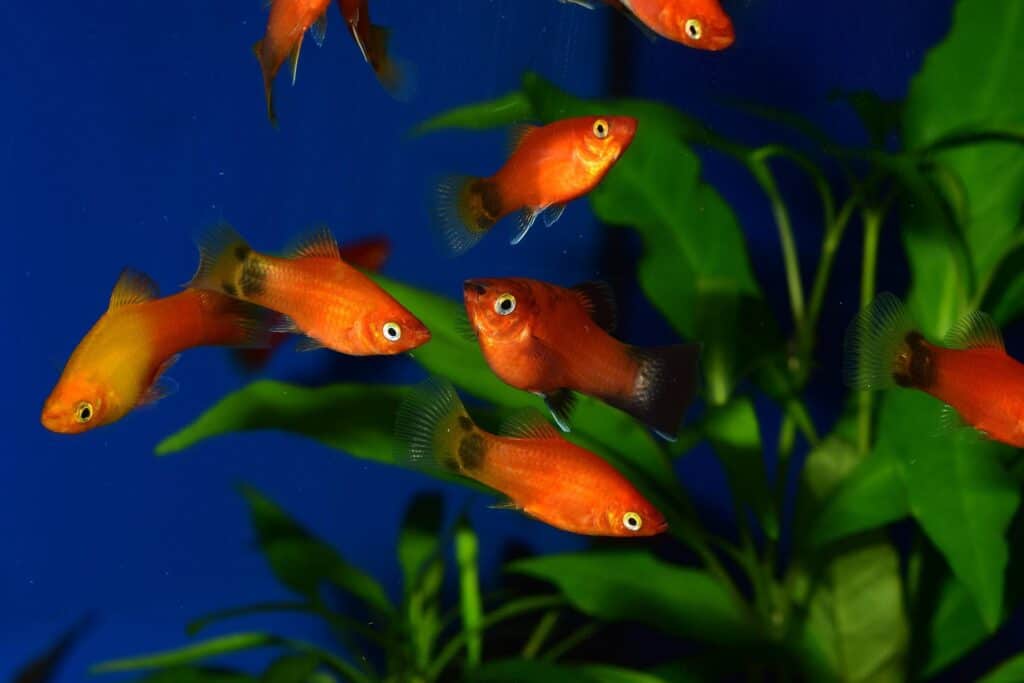
Fish experience stress during water changes, especially when moved. Because the water coming into the tank could be off by temperature or quality, even little things like gravel vacs scare them. However, small 10-15% changes frequently upset the balance less than larger, less frequent changes.
Fish are delicate and best kept with the least interference, but what happens when they must be moved for cleaning purposes? We will look at both options regarding cleaning with and without fish in the tank and which is the least stressful for the fish.
Do Water Changes Stress Fish?
Fish can experience stress when their tank’s water is changed. This is because new water is coming into the tank, and the temperature could be off, or the water quality may not be on par. Even a little thing like the gravel vacuum could scare them, so in order to avoid stressing out your fish, it’s essential to take care when performing water changes. Generally, more minor changes 10-15% more frequently upset the balance less when compared to more significant changes that offset things on a larger scale.
Most fish are scared when you open the lid and start to do a water change sometimes, even when you don’t remove them from the aquarium and more so when you do. I have noticed that a simple thing as a shadow cant get them worked up, so can you imagine being caught with a net and then added to a smaller, unfamiliar environment?
Fish shouldn’t be removed much from the tank; less disturbance is ideal for them. Unless you treat diseases or sicknesses, it is not recommended to remove fish, even for water changes is not recommended.
When adding clean water during water changes, you need to consider that temperatures will spike unless your tank water matches the clean water, which is unlikely using regular tap water, especially in colder weather climates when the temperature of tap water is much colder than expected.
Most times, when adding new water from the tap, the water can be harder, and certain types of fish prefer softer water; therefore, adding a high volume of fresh water will affect the balance of your water chemistry.
Why Are My Fish Acting Weird After a Water Change?
The water change process can be stressful for fish, particularly if removed from the tank and placed in a separate container. This can cause the fish to act out of character, such as swimming erratically or hiding in the corners of the tank.
One reason why fish may act weird after a water change is that the new water may have a different temperature, pH, or hardness than the water they’re used to. This can cause the fish to experience shock, which can be fatal. To avoid this, it’s essential to use water similar in temperature and chemistry to the water already in the tank.
Another reason fish may be stressed after a water change is because they are not used to the sudden change in their environment. When you remove water from the tank, it can cause the fish to become disoriented and stressed. This is why it’s important to do water changes slowly, over a period of several days. During this time, the fish can adjust to the new water conditions and reduce the stress caused.
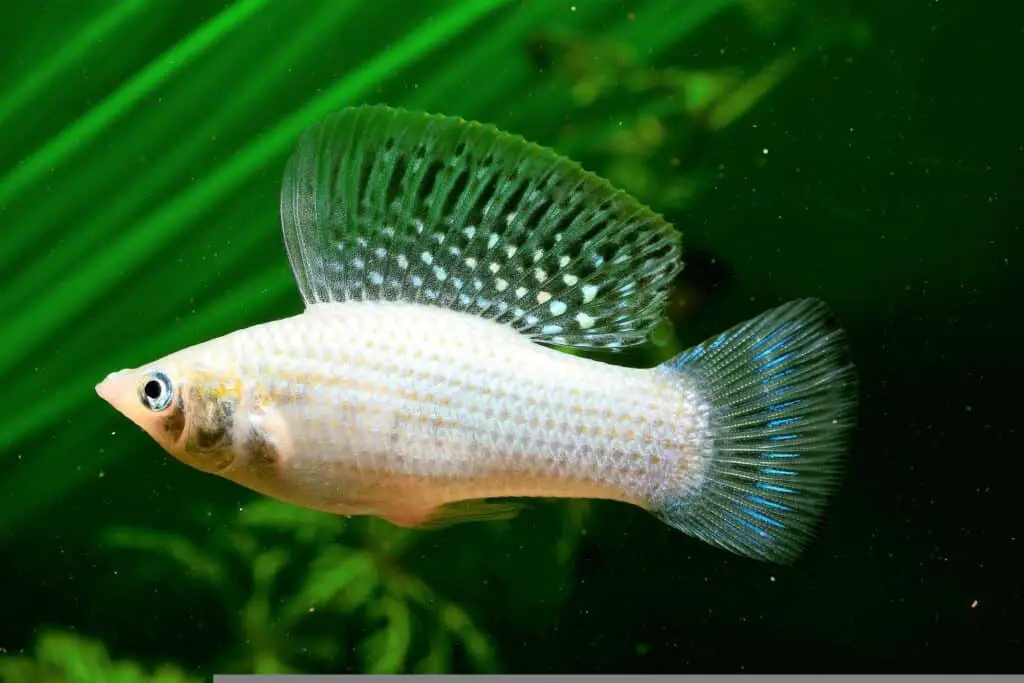
How Do You do a Water Change Without Removing a Fish?
One way to do a water change without removing a fish is to use a siphon to remove the dirty water from the tank. This will avoid stressing the fish out by removing them from their home. Filters can also be used to clean the water, which will help keep the tank healthy and reduce the amount of work needed for future water changes (this does not mean that you can neglect fish. Rather, it will aid you in your goal of a clean aquarium).
To clean using a siphon, simply
- add a siphon to the water.
- Start the water flow by pulling with a ball or even your mouth.
- Allow for water to drain.
- If you notice lots of waste, vacuuming that up is a good idea.
- Once the desired amount of water is removed, simply top-up.
- Add conditioners that you often use to the water before adding it to the tank, and you’re done!!
Is There a Way I Can Change The Water Without Stressing Fish?
I prefer changing out water more frequently with a lesser volume, like 20-40% per week or even 10- 15% every 3 or 4 days rather than changing 50% or more every 2-3 weeks. Also, because a large volume of aquarium water remains, the new water will evenly circulate and not alter the parameters too much.
If you have a planted or gravel with decorations aquarium, it’s best to clean up the gravel at least once a month. If you have small species of fish, it may be long before a gravel vacuum is needed as the plants will use loads of waste. Therefore, your regular water changes should be to take only water out and replace it with clean water. Your siphon won’t even need to go to the bottom of the tank. This is the least stressful for your aquarium fish.
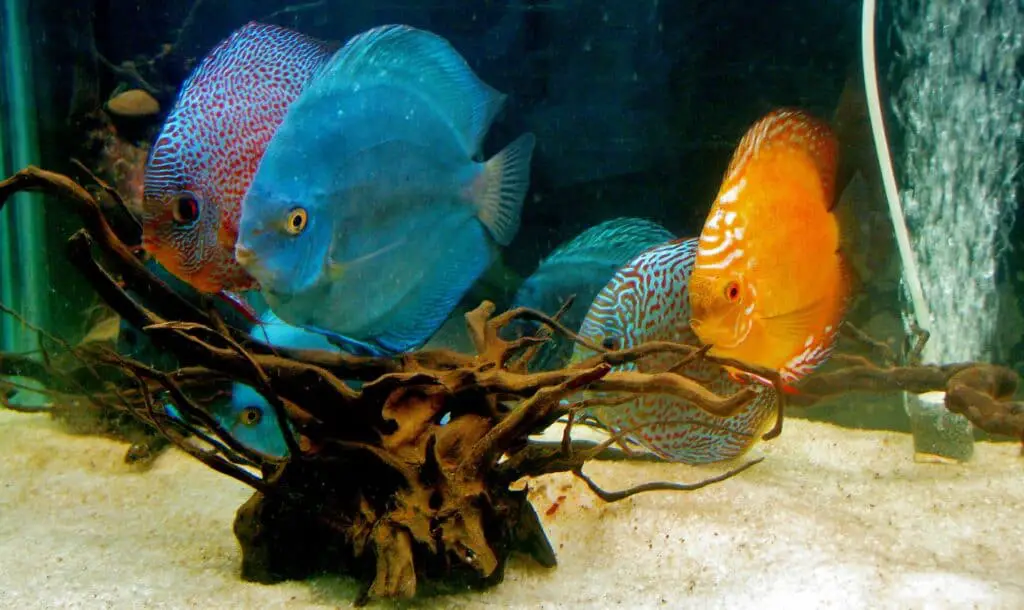
If you have gravel with decorations aquarium, same steps as above, but just use your judgement. If it looks foul, clean it. This will be more frequent than a planted aquarium.
if you have a bare bottom tank and there are loads of waste building up, use your judgement and remove if excessive, but the same process as above will apply water out and water in smaller volumes
Fish like water changes because it helps to keep the tank clean and healthy. There are many ways to do a water change without removing fish, so find a method that suits you and stick to it. Remember not to alter the water chemistry too much unless absolutely needed.