It’s important to take the well-being of our fish into account when undertaking any maintenance tasks such as water changes. We must be gentle and knowledgeable when completing these tasks.
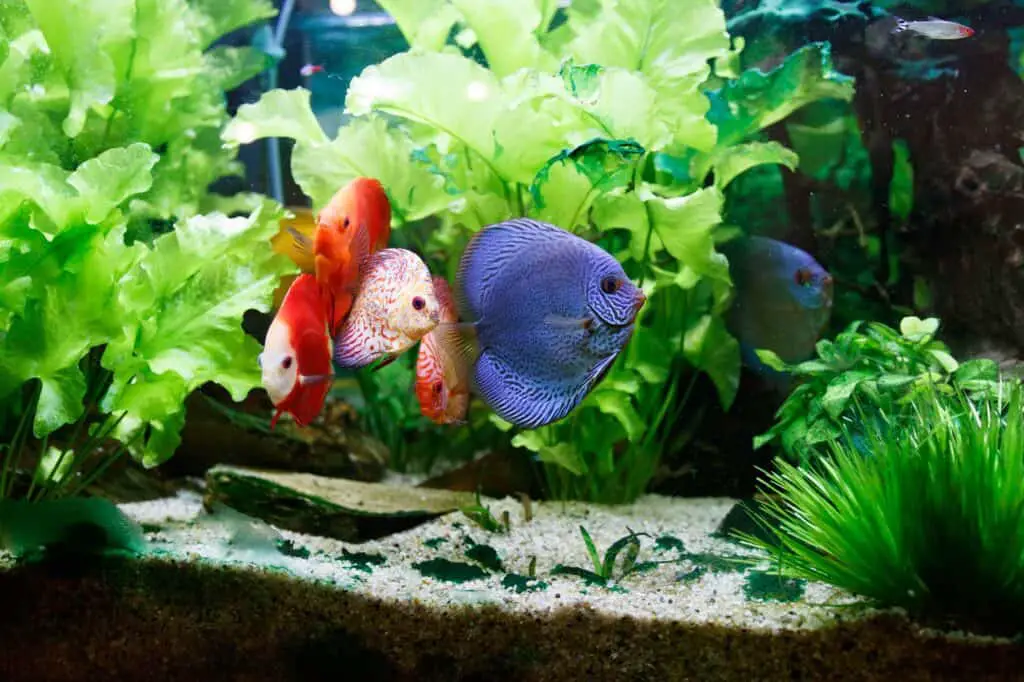
Fish are known to get stressed during water changes because it disrupts their natural environment. They can also become stressed after water changes due to water chemistry changes. Therefore, it is best to conduct more minor changes to avoid significant disruption.
While water changes are great for the overall environment of the fish, these disruptions can cause them stress and even death in some scenarios. let’s take a look at the do’s, and dont’s in what is to follow
Do Fish Stress During And After Water Changes
Water changes are one of the most integral parts of maintaining a healthy aquarium; however, each time you open the canopy or lid, you may notice them swimming away or even hiding behind ornaments and decorations. This is because fish prefer the least amount of disruption possible. When you open their lid, it’s a sudden change, and this shocks them as well, as some fish get scared when you get too close. They are even scared of a reflection moving too quickly toward them.
Fish can also get stressed after your water change is done, and you may think, how is that possible after I just introduced clean water into the aquarium? The answer is simple: when you perform water changes, the temperature of your tank water is almost never going to be the same as the water you’re going to introduce, which may shock them.
Another prime example is if your water in the aquarium has a different PH level from the new clean water you are going to add, then your PH will fluctuate, and most fish do not do well with these spikes, and thus they will stress, and the stress itself won’t always kill them but once stressed they are very susceptible to diseases and more often than not they will succumb to fatalities.
Can Too Large Of A Water Change Stress Fish
This is a valid question, as it is essential to be gentle when completing water changes to avoid stressing out our fish. Too large of a water change can undoubtedly affect fish, as it can cause a sudden change in the water’s temperature and pH levels. This can be extremely disruptive and cause fish to become agitated and stressed. Therefore, it is essential to do smaller water changes more frequently to avoid causing any significant stress to the fish.
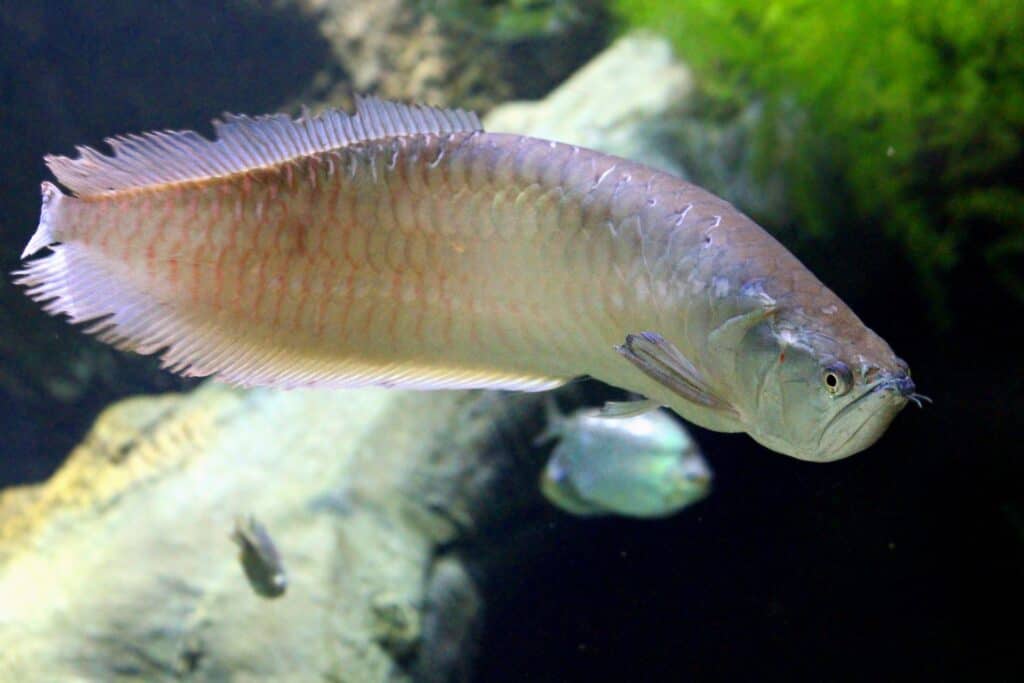
Can A Fish Die After A Water Change?
Yes, a fish can die after a water change if the water temperature or pH levels are too drastic. Consequently, care should be taken when changing the water in an aquarium to not stress the fish out too much. Smaller, more frequent water changes are often best to avoid significant disruptions.
How Do You Keep Fish From Dying After A Water Change?
One way to keep fish from dying after a water change is to be careful when changing the water temperature and pH levels. Making sure that the water is introduced gradually over an hour or so can help avoid any sudden changes that could cause stress and death. Another way to help reduce the risk of fish dying after a water change is to ensure that the new water is of the same temperature and pH levels as the old water. This will help to keep any disruptions to a minimum.
Can Fish Recover From Water Temperature Shock?
Fish can recover from water temperature shock, though it depends on the severity of the shock and the fish species involved. If the water change is relatively small and the fish are hearty and adaptable, they may not suffer any long-term effects. However, if the change is significant or the fish are delicate, they may become stressed or even die. You should, therefore, always be careful when changing water and research your fish species beforehand to ensure that they can handle the change.
Can Too Many Water Changes Stress Fish?
Yes, too much water change can stress fish. It is important to do water changes gradually so that the fish can adjust to the new temperature. When the temperature change is too drastic, it can cause the fish to go into shock and may even kill them. Too much water change can also make the fish more susceptible to disease.
Will A 100% Water Change Kill Or Stress My Fish Out?
A 100% water change will most likely kill or stress out your fish. Fish are susceptible to changes in their environment, and a sudden change like this can be too much to handle. If you must do a 100% water change, promptly acclimate your fish slowly to the new water conditions. Otherwise, you run the risk of killing them.
Will Light Increase Stress In Fish After A Water Change?
After a water change, some fish may become stressed from the sudden change in light. Particularly applicable to fish that come from dark environments, such as caves. During a water change, if the light is on, try to avoid shining it directly on the fish. You may also want to turn the lights off after a change as the fish will be more comfortable with less or no light.
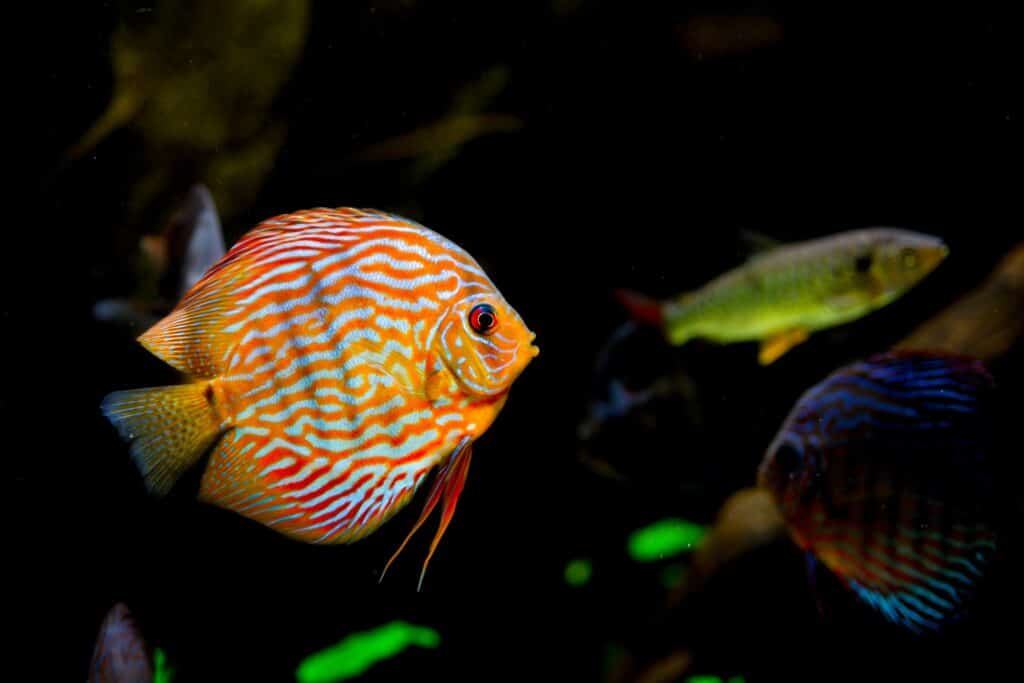
How To Reduce Fish Stress During Water Changes
We want to be as gentle and stress-free as possible for our fish when it comes to water changes. The following tips will help reduce the amount of stress your fish experience during a water change:
– Use a bucket or container instead of pouring water directly from the faucet. This will help decrease water flow and make the change less forceful.
– Make sure the new water is the same temperature as the old water. This will help avoid any sudden temperature shocks that can be very stressful for fish.
– Add the new water gradually, allowing the fish time to adjust to the changes.
– Keep an eye on your fish during the change and intervene if they seem agitated or stressed.
Water changes are necessary for fishkeeping, but they can also be stressful for our aquatic friends. We must take care when completing them and try to match the water quality as closely as possible. Fish can die from stress due to water changes, so we must be gentle and understanding when undertaking this task.