Maintaining a freshwater aquarium can be a lot of work. Suppose you’re not up for doing all the cleaning and caretaking yourself. In that case, you might need to hire a freshwater aquarium cleanup crew. They can help keep your tank clean and looking great, and they’ll take care of all the maintenance work, so you don’t have to.
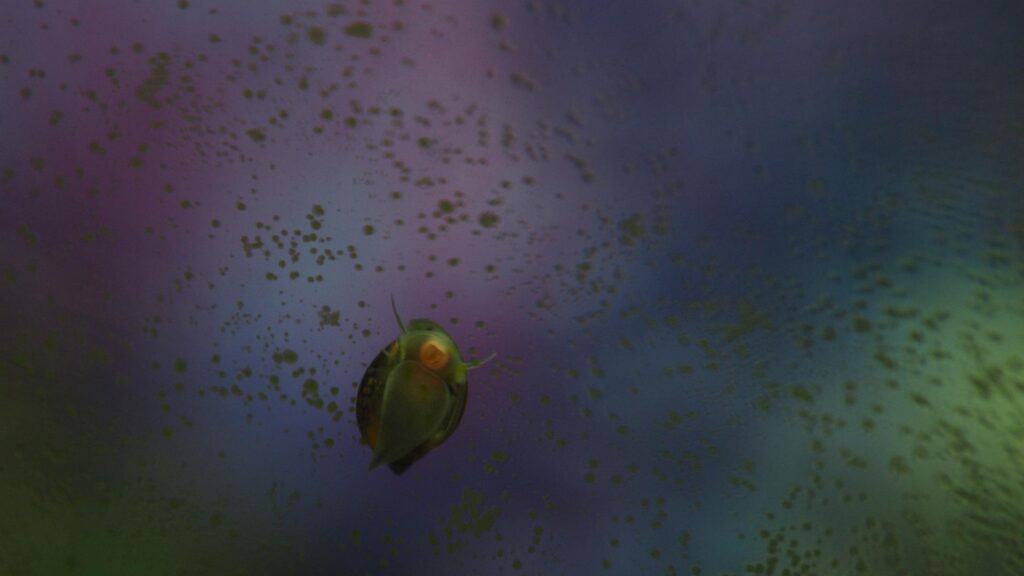
An aquarium crew can be an excellent idea as they will ensure there is no leftover food lying around; these specific species will get inside the smallest spaces and eat excess food, detritus, and algae. In turn, your aquarium will look clean, and your maintenance will be less frequent, leaving your aquarium to thrive in pristine conditions.
cleanup crews are deemed beneficial to any aquarium due to their hardworking personalities, so we have compiled a list of over 50 species that will be your so-called “janitor” fish
Clean up crews for aquariums can be an excellent idea if you prefer a more hands-off approach to maintain your freshwater aquarium. These crews can help keep your tank clean and looking great by taking care of all the cleaning and maintenance work for you. Fish of all types make excellent janitor fish, and they can be a valuable addition to any freshwater aquarium.
Some Of The Best Janitor Fish For Freshwater Aquariums Include:
Chinese Algae Eater –
The Chinese Algae Eater is a freshwater fish that is native to China. It is a popular fish for aquariums because it is a voracious eater of algae. The Chinese Algae Eater can grow up to six inches in length and has a bronze-coloured body with black markings.
Siamese Algae Eater –
The Siamese Algae Eater is a fish that is often used in aquariums. They are known for their ability to eat algae, and they are usually very peaceful fish. It is necessary to have a tank of at least 20 gallons, and they need plenty of plants and places to hide. It is crucial that they consume a balanced diet of meat and vegetable-based foods.
Siamese Flying Fox –
Aquarium Siamese Flying Foxes are generally peaceful and make good pets. They like to live in an aquarium with a lot of plants and branches to hang from. They need a diet that is mainly insects, but they can also eat Algae and vegetables.
Whiptail Catfish –
The Whiptail Catfish is a freshwater fish that requires a tank with a minimum size of 30 gallons. They need plenty of swimming space and like to hide in caves or among plants. Ideally, the water temperature should be. Ideally, the water temperature should be between 72 and 80 degrees Fahrenheit, and its pH should range between 6.5 and 7.5.
Mollies-
The Mollie is a type of fish that can be kept in freshwater or saltwater aquariums. They require a tank with plenty of plants and hiding places and should be fed a diet of meaty foods. Mollies are generally hardy fish and do well in most aquarium conditions, but they should not be kept with other fish.

Red Garra-
Red Garra is a type of fish that requires a lot of space to thrive. They need a large aquarium with plenty of plants and rocks to hide in. The water should be well-oxygenated and kept at a temperature of around 72 degrees Fahrenheit.
Ghost Shrimp –
Shrimps called ghost shrimp are freshwater shrimps that can be found in many different parts of the world. They are a popular aquarium fish and are known for their precise colouration and dynamic nature. Ghost shrimp require a moderate level of care and must be kept in water that is pH-balanced and has a temperature between 68 and 82 degrees Fahrenheit
Crystal Shrimp-
The Crystal Shrimp is a freshwater shrimp that is popular in the aquarium hobby. While not difficult to keep, They are not hard to care for but do require some specific requirements.
First and foremost, Crystal Shrimp need a well-filtered and aerated aquarium. It is also necessary for them to maintain a constant temperature of 74 degrees Fahrenheit. The pH should be between 6.5 and 7.5, and the water hardness should be between 5 and 15 dGH.
Black King Kong Shrimp-
The Black King Kong Shrimp is a rare and unusual shrimp that can be found living in brackish and saltwater environments. They require a high amount of salt in their water to survive and typically live in areas with a high concentration of salts, such as mangroves and estuaries. They are large shrimp, naturally growing to a length of 4-5 inches (10-12 cm). Their bodies are black in colour, with red stripes running along their backs. Black King Kong Shrimp are predators and typically eat small fish, shrimp, and crabs.
Wine Red Shrimp-
The Wine Red Shrimp is a type of shrimp that is known for its bright red colour. This shrimp is a saltwater fish and requires a specific environment in order to thrive. In order to have a healthy Wine Red Shrimp, you will need to provide them with an aquarium large enough for them and has plenty of live rock.
Red Cherry Shrimp-
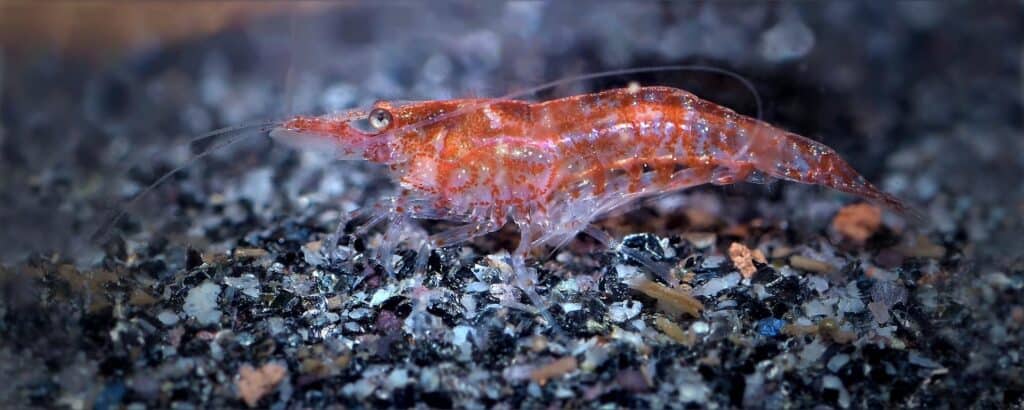
Red Cherry Shrimp are a type of shrimp that are popular in the aquarium hobby. They are small shrimp, typically measuring only 1-2 inches in length, and they are a bright red colour. Care for them is moderate, and they can be kept in a tank with other fish and invertebrates.
Amano Shrimp-
Amano shrimp, also known as Yamato Numa-ei, is a freshwater shrimp that is popular in the aquarium trade. They are a popular choice for first-time aquarists since they are relatively hardy and do not require a lot of special care. In addition, Amano shrimp are omnivorous and will eat most types of food.
Bee Shrimp –
Bee shrimp is a type of shrimp that live in freshwater. They require a tank with plenty of plants and hiding places and a PH level of 7 or below. Peaceful fish, can live alongside other small fish.
Red Rili Shrimp –
Red Rili shrimp are a type of freshwater shrimp that require a specific set of living requirements in order to thrive. They require a tank at least 10 gallons in size, with plenty of places to hide and swim. It is advisable to maintain the temperature of the water in the range of 72 and 78 degrees Fahrenheit, with a pH level between 6.5 and 7.5.
The tank should also have a filtration system to keep the water clean.
Red Rili shrimp are omnivorous, so they will eat a variety of different foods. They are especially fond of algae but will also eat pellets, flakes, and other small pieces of food.
Red Tiger Shrimp/Tiger Shrimp –
Red Tiger Shrimp are beautiful shrimp that typically ranges in colour from a deep red to a light orange. They require a minimum of 30 gallons of water and need plenty of room to swim. They also require a high protein diet, and they should be fed at least twice a day.
Blue Bolt Shrimp –
The blue bolt shrimp is a small but striking freshwater shrimp that is popular in the aquarium hobby. They require a moderate amount of water flow and plenty of hiding places to feel secure. The ideal tank should be planted with a dark substrate. They will eat most types of food but prefer meaty items.
Pinto Shrimp –
Pinto shrimp are omnivorous animals that live in salt and brackish water. They require a habitat with a low level of dissolved oxygen, which can be found in areas with dense vegetation. Their diet consists mainly of plant material, but they also eat small invertebrates.
Bamboo Shrimp-
Bamboo shrimp are a type of freshwater shrimp that require a specific set of living requirements to thrive. For example, they need a heavily planted aquarium with plenty of hiding places, and they prefer groups of six. Bamboo shrimp also require pristine water, so regular water changes are essential.
Blue Velvet Shrimp
A freshwater shrimp, the Blue Velvet Shrimp, originates from Southeast Asia. They are a popular aquarium species and can be found in both red and blue colour morphs. This species prefers slightly acidic water with a pH range of 6.5-7.0 and a temperature range of 72-78 degrees Fahrenheit. Blue Velvet Shrimps are omnivorous and will eat both plant and animal matter. They are known to feed on detritus, algae, and small insects in the wild. If they are kept in captivity, they can be fed many different types of food.
Vampire Shrimp –
The Vampire Shrimp is a species of shrimp with many unusual features. For one, it can live in complete darkness and does not need to eat very often. In fact, it can go for up to two years without food. It also has sharp claws, which it uses to kill its prey.
Indian Whisker Shrimp –
The Indian Whisker Shrimp is a tropical freshwater shrimp that is found in Southeast Asia. They prefer water temperatures between 75 and 84 degrees Fahrenheit and a pH of 6.0 to 7.5. They are a scavenger and will eat almost anything, including detritus, algae, and other invertebrates.
Grass Shrimp –
Grass shrimp are a type of small shrimp that can be found in both salt and fresh water. They require a moderate level of pH, from 6.5 to 8.5, and a water temperature range between 68 and 86 ° Fahrenheit. Moreover, they need a lot of places to hide, as they are prey animals.
Pinocchio (Pinokio) Shrimp-
Pinocchio shrimp are a variety of freshwater shrimp that require a particular set of living requirements to survive and thrive in an aquarium. The water must have a pH level of 7.5 or higher, a water temperature of 68-78 degrees Fahrenheit, and moderate to high levels of dissolved oxygen.
Tibee Shrimp-
The Tibee Shrimp is a small freshwater shrimp that can be found in many parts of the world. They require a temperature range of 64-86 degrees Fahrenheit and a pH range of 6.0-8.0. They are a hardy species and can tolerate a wide range of water conditions, making them an ideal choice.
Green Lace Shrimp –
Green Lace Shrimp is a type of shrimp that requires a specific set of living requirements to thrive. These requirements include a pH level of 6.5-7.5, a water temperature of 72-78 degrees Fahrenheit, and a water hardness of 5-15 dGH.
Cardinal Shrimp –
The cardinal shrimp is a small, colourful shrimp that lives both in salt and fresh water. The temperature ranges from 68 to 80 °Fahrenheit, and the pH ranges from 6.5 to 7.5. Scavengers feed on detritus and other tiny organisms.
Apple Snail-
The Apple Snail is a freshwater snail that can be found in North America and parts of Europe. They are popular pets due to their low maintenance needs and exciting behaviour. Apple Snails need a tank with a lot of plants for hiding and should be fed plant and animal matter. a balanced diet of both plants and animals.
Nerite Snail –
Snails of the nereid species can live in both salt and fresh water. A moderate amount of water is needed for them to live, but they can also survive in damp environments. They like to hide in rocks and plants, so providing them with plenty of hiding places in your tank is crucial.
Gold Inca Snails-
Gold Inca Snails are a type of snail that thrives in warm environments. They require a pH level of 6.0 to 7.5 and a humidity level of 70% to 80%. Additionally, they should consume plenty of fruits and vegetables.
Ramshorn Snail-
Ramshorn snails are a type of aquatic snail that can be found in freshwater habitats, such as ponds and rivers. They are relatively small snails, measuring only about 1.5 inches in length, and have a brown or black shell with a spiral shape.
Mystery Snail –
Snails called “Mystery Snails” can be found in many types of water, including ponds, streams, and even lakes. They prefer to live in cool, clean water and can tolerate a wide range of pH levels. Mystery Snails need a place to hide and can be very active at night.
Ivory Snail –
Ivory snails are a type of aquarium snail that can be kept in freshwater or saltwater tanks. They prefer a diet of algae and other plant matter. Ivory snails are not particularly active and will usually spend most of their time grazing on algae or hiding in the substrate.
Trumpet Snail-
Trumpet snails are a type of aquatic snail that can be found in both freshwater and saltwater aquariums. Despite being relatively easy to care for, they are often used to help clean up algae in the tank. Trumpet snails can grow up to 2 inches in length, and they breed rapidly.
Assassin Snail –
Assassin snails, also known as Clea Helena, are a type of freshwater snail. Aquaria enthusiasts enjoy them since they are in the aquarium hobby. They are well-liked because they are attractive and relatively low maintenance. Assassin snails require a moderate to high level of water movement and oxygenation. The pH of their water should be around 7.5 or higher, and the temperature should be between 75 and 82 degrees Fahrenheit.
Japanese Trapdoor Snail –
Japanese Trapdoor Snails do best in a tank with plenty of plants to hide in and a substrate that is at least 6 inches deep. In addition, they need a water temperature of at least 68 degrees Fahrenheit and a pH of 7.0 or higher.
Black Devil Snails –
Black Devil Snails (Neritina natalensis) are freshwater snails often kept in aquariums. They are tiny snails, typically measuring only around 1.5 inches in length, and are a dark black colour with light-coloured stripes running down their bodies.
Clown Loach –
Clown loaches are a type of fish that is best kept in an aquarium with a pH level of 6.5 to 7.5 and a water temperature of 72 to 82 degrees Fahrenheit. They prefer a tank that is at least 20 gallons in size and is heavily planted.
Pangio kuhlii( Kuhli Loach) –
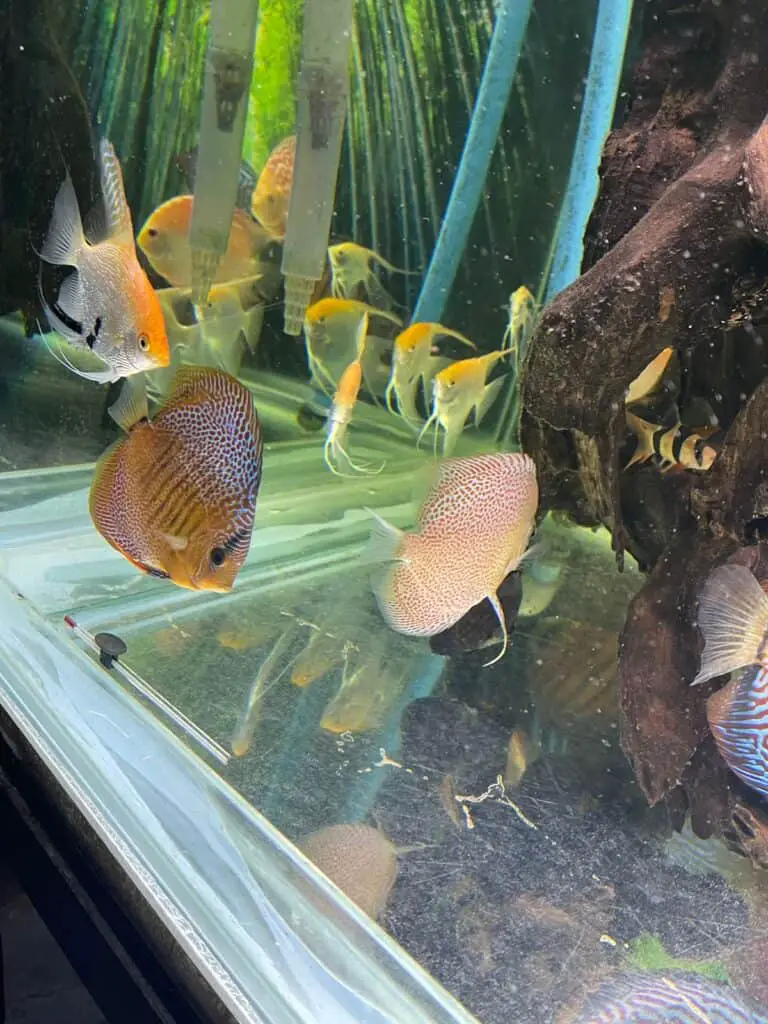
Pangio kuhlii, also known as the Kuhli Loach, is a small freshwater fish that originates from Southeast Asia. This fish is a popular choice for aquarists because of its peaceful nature and exciting appearance. Pangio kuhlii can be found in slow-moving waters such as ponds, ditches, and canals in the wild. Therefore, keeping at least six Pangio kuhlii in an aquarium is best.
Petruichthys (Rosy Loach)-
Aquarium enthusiasts often add Petruichthys (Rosy Loach) to their tanks for their bright colours and lively personalities. Their aquariums should contain many plants and hiding places, as they like to spend time hiding among the leaves. They do best in a tank with a moderate current and no more than one other loach species. Petruichthys are peaceful fish and make good tank mates for small, delicate fish of similar size.
Ambastaia Sidthimunki (Dwarf Chain Loach)-
Ambastaia sidthimunki (Dwarf Chain Loach) is a small, schooling fish that originates from Southeast Asia. You need to house them in groups of no fewer than six individuals in the aquarium, as they are a social species. They prefer a well-maintained planted tank with a moderate to strong current.
Botia Kubotai (Polka Dot Loach or Angelicus) –
The Botia kubotai is a peaceful, schooling fish that does well in most community aquariums. These loaches prefer cooler water temperatures, so they are good for temperate aquariums. You should house them together in groups of six or more and need plenty of hiding places among the plants and decorations. They will eat most aquarium foods but prefer live or frozen foods. The Botia kubotai is a nocturnal fish, so it is best to feed them at night. These loaches can grow to be about 4 inches long.
Misgurnus Anguillicaudatus(Dojo Loach) –
Aquarium living requirements for Dojo Loach (Misgurnus anguillicaudatus) is a tropical fish that requires a water temperature range of 68-79 degrees Fahrenheit and a pH range of 6.5-7.5. They prefer good water movement and like to hide among the plants, rocks, and substrate
Sewellia Lineolata (Hillstream Loach )-
Hillstream loaches, Sewellia lineolata, are fish that requires specific requirements to survive. These fish are native to fast-flowing streams and rivers in East Asia and need clean, highly oxygenated water with a pH of 6.5 to 7.5. The water must also be cool, with a temperature range of 68 to 75 degrees Fahrenheit.
Botia Balmorhea (Yoyo Loach)-
The Botia Balmorhea (Yoyo Loach) is a small, peaceful fish that originates from Southeast Asia. This fish does well in aquariums that have a temperature range of 72-78 degrees Fahrenheit and a pH of 6.5-7.5. The Yoyo Loach needs plenty of hiding places and a soft, sandy substrate. This fish does best in groups of five or more of its own kind. The Yoyo Loach will eat most aquarium foods, but most enjoy live and frozen foods.
Pangio Anguillaris (Silver Kuhli Loach)-
Pangio anguillaris (Silver Kuhli Loach) is a small, eel-like fish that originates from Southeast Asia. This fish is best kept in a heavily planted aquarium with plenty of hiding places, as it is a timid fish that is easily stressed. Pangio anguillaris (Silver Kuhli Loach) is a nocturnal fish, meaning it is most active at night. During the day, this fish will often hide among plants or in caves.
Botia Striata (Zebra Loach )-
Botia striata (Zebra Loach ) are a peaceful, schooling fish that should be kept in groups of six or more. They require clean water and a moderate to high level of oxygen. The substrate should be sand or smooth gravel, as they like to burrow. This species can tolerate a pH range of 6.0-8.0 and a water hardness of 5-20 dGH.
When Should I Add a Cleanup Crew to my Tank?
Adding a cleanup crew to your tank can help keep it clean and healthy. You should add a cleanup crew when the tank is first set up and then add new members as needed. A cleanup crew can include snails, crabs, and fish that eat algae or other debris.
Is There Anything I Should Feed the Cleanup Crew?
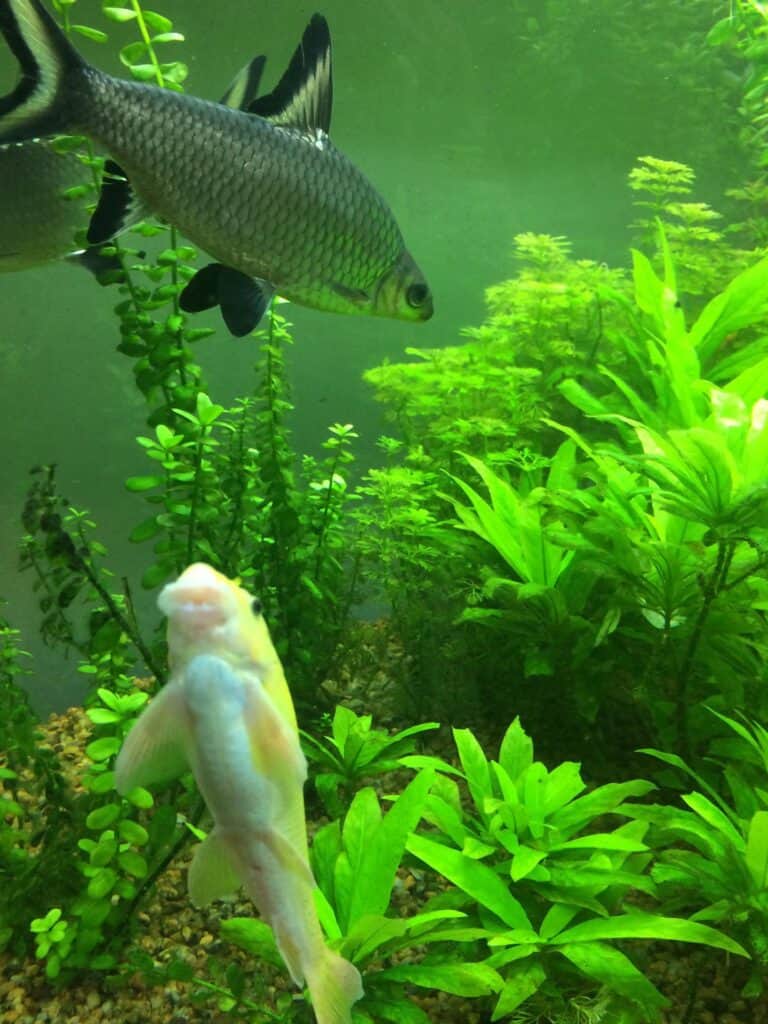
When you add a cleanup crew to your tank, you should also add food that they can eat. This can include algae wafers, pellets, and freeze-dried food. Feed your clean up crew once or twice a day, and make sure to remove any uneaten food after a few hours.
How Many Species of Cleaners Should I Add?
You should add one or two species of cleaners to your tank. This can include snails, shrimp, and fish that eat algae or other debris. It is important to do your research on the species you are adding to your tank to ensure they are compatible with your tank’s other inhabitants.
Will Clean Up Crew Lower Nitrates?
Many people wonder if adding a cleanup crew to their tank will lower the nitrates in the water. This is a valid question, as high levels of nitrates can be harmful to tank inhabitants.
Adding a clean up crew will certainly avoid nitrite spikes as uneaten food and fish waste decompose and release nitrites into the water. In a brand new tank, a cleanup crew will help keep ammonia levels in check. So, while a cleanup team cannot directly lower nitrates in the water, they can help to keep them at a manageable level.
Will a Clean up Crew eat Diatoms?
The cleanup crew, which is responsible for removing detritus and algae from the aquarium, may eat diatoms. Diatoms are unicellular algae that can form large colonies and are often one of the first algae to appear in an aquarium. These animals provide food for many animals in the aquarium, including the cleanup crew.
Cleanup crews are a great way to help maintain your fish tank. They will remove detritus and algae from the aquarium and can also eat diatoms. You should add one or two species of cleaners to your tank, making sure to research their compatibility with your other inhabitants.