The benefits of bloodworms for tropical fish are many. They are a high-protein, low-fat food that helps keep fish healthy and active. This food also provides vital nutrients to help tropical fish thrive.
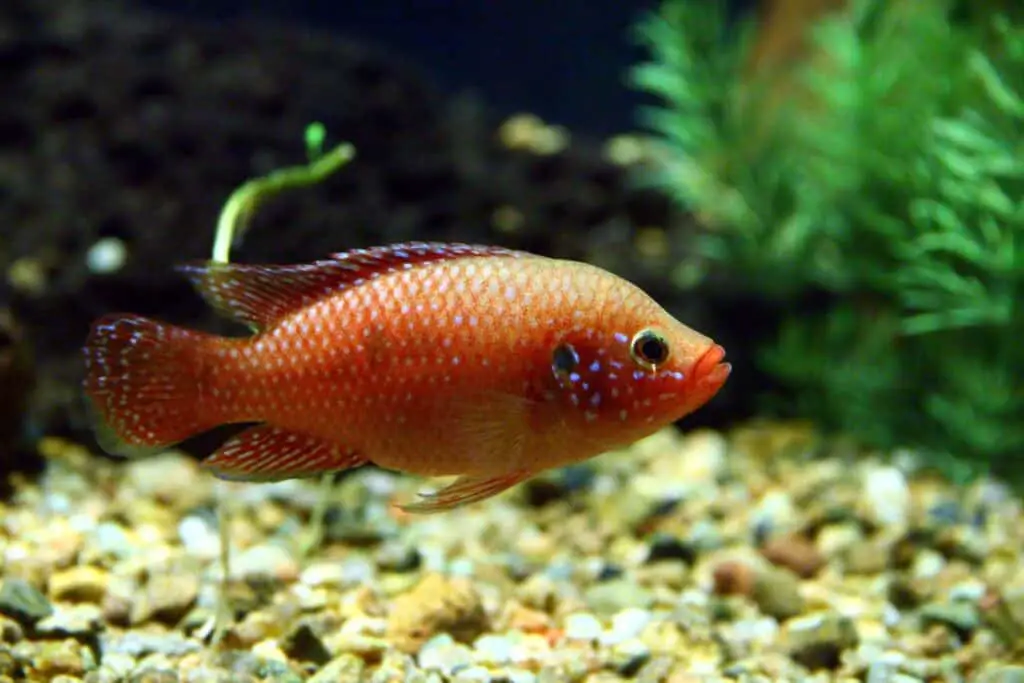
Tropical fish can eat bloodworms. They are an excellent source of nutrition. They are also easy on their digestive system. Bloodworms are packed with nutrients that fish thrive on in the wild. This specific food should be fed in moderation and not the only thing they eat.
While bloodworms can be a good source of nutrients for your fish feeding them too much can carry its own problems, so we will discuss these common concerns and answer the most obvious questions you may have regarding bloodworms.
Are Bloodworms Good For Tropical Fish, And How Often Can I Feed This Food?
All tropical fish that are omnivores and Carnivores will eat bloodworms. This includes, but is not limited to:
Tetras
Gouramis
Barbs
Danios
Rasboras
Angelfish
Even some species of plecos and catfish will consume bloodworms on occasion. Whenever feeding tropical fish, it is important to remember that they should only be given as a supplement to their regular diet. It is not recommended that bloodworms are the only thing they are eating as this can lead to nutritional deficiencies. It is best to feed them bloodworms a few times a week or every other week as part of a varied diet.
Several different methods exist for feeding bloodworms to your tropical fish. The most common way is to buy them frozen. Most pet stores carry them that sell fish supplies. They come in small cubes or pellets and can be thawed and then fed to your fish using a small mesh net. Another option is to buy live bloodworms. These are usually found at bait shops and can be kept alive in a small container with some water for a few days. When you are ready to feed them to your fish, simply drop a few into their tank. The live bloodworms will sink to the bottom where the fish can eat them.
If you have tropical fish that are picky eaters or are shy around other fish, you may want to try feeding them freeze-dried bloodworms. These can be found at most pet stores and come in small packets. To provide them to your fish, simply sprinkle a few onto the surface of the water and watch as they sink to the bottom and are devoured by your fish.
Can Bloodworms Cause Internal Parasites?
It is debatable whether bloodworms can cause internal parasites in tropical fish. Some believe that the high protein content of bloodworms can cause these parasites to develop. However, others claim there is no evidence supporting this theory. But most hobbyists insist that too many bloodworms can cause internal parasites, which are a nightmare to get rid of.
No matter which side you believe, it is recommended that you don’t keep bloodworms as a primary source of food. Instead, this is like a treat that you would offer to them once or twice a week while supplementing with other foods; this will ensure your fish get all the nutrients they need and not an oversupply of specific nutrients. Furthermore, it is always a good idea to keep an eye on your tropical fish and watch for any signs of illness. If you notice any problems, take your fish to a qualified veterinarian.
How Often Can You Feed Bloodworms?
Bloodworms can be fed every day, but they don’t have to be. Some people feed them every other day or even once a week. It all depends on the fish and what works best for them.
If you’re not sure how often to feed your fish bloodworms, start with once a day and adjust as needed. You’ll know it’s time to increase or decrease the frequency if you see your fish getting too skinny or looking unhealthy.
Bloodworms are a nutritious food for tropical fish, but they should not be a primary diet. A varied diet is vital for keeping your fish healthy, so make sure to offer them other types of food. Brine shrimp, for example, are also high in protein and low in fat and make an excellent addition to any tropical fish diet.
Why Do Fish Get Excited At The Sight Of Bloodworms?
Some people believe that fish get excited at the sight of bloodworms because they are a high-protein food source. This means that bloodworms can help fish stay healthy and active, which may be why some fish seem to enjoy eating them. Fish will often go into a frenzy once they get a sniff of the blood and they realize it’s food time. This will not mean anything except that they are hungry and want food. As with anything in life, we all like tasty treats, and so do fish.
How Many Bloodworms Should I Feed My Fish?
How many bloodworms you should feed your fish depends on various factors, including the size of your fish, the type of fish, and the diet you’re already feeding them. In general, it’s a good idea to start by feeding your fish a few bloodworms per day and then adjust as needed.
Suppose you see your fish getting too skinny or looking unhealthy. It might be time to increase the number of bloodworms you’re feeding them or up your supply of their other foods. When in doubt, always underfeed as opposed to overfeeding.
Can Bloodworms Live In Freshwater?
Yes, bloodworms can live in freshwater. They are a type of worm that is found in both salt and fresh water, so they can thrive in either environment. However, bloodworms are not native to any specific location, so they may not be found in every freshwater habitat. If you’re looking to stock your fish tank with bloodworms, you may purchase them from a pet store or online.
What Do Bloodworms Turn Into?
Bloodworms turn into adults by going through a process called metamorphosis. During this process, the worm grows and develops into an adult fly. The adult fly then hatches from the cocoon and begins to mate, laying eggs that will hatch into new bloodworms. Cycles can take 2 weeks to 2 months, depending on the species of bloodworm.
What Eats Bloodworms?
There are a few different animals that eat bloodworms, including fish, amphibians, reptiles, and birds. Bloodworms are high in protein and low in fat, so they make a good meal for many animals. In the wild, bloodworms are often eaten by fish, frogs, and turtles. If you have bloodworms in your aquarium, you may also see your fish eating them.
Do Bloodworms Bite Humans?
No, bloodworms do not bite humans. They are not equipped with teeth or a mouth that could bite a human. However, bloodworms can release a toxin that can cause an allergic reaction in some people. If you’re concerned about getting bit by a bloodworm, it’s best to avoid handling them directly. In any case, wash your hands thoroughly afterwards. Bloodworms are a type of worm that is found in both salt and fresh water.
How Long Can Bloodworms Stay In An Aquarium?
Bloodworms can stay in a tank for two weeks, but they will eventually die. If you have bloodworms in your aquarium, you may subsequently see them die and sink to the bottom of the tank. After a bloodworm dies, it will decompose and release toxins into the water.
These toxins can be harmful to your fish, so it’s best to remove the dead bloodworms from your tank as soon as possible. If you have fish in that aquarium, you may notice that there is no need to clean them up as your fish will eat them long before they decompose.
Tropical fish love bloodworms as a tasty treat, but they should not be fed bloodworms as their primary food source. Many other types of food are better for their overall health. Tropic fish thrive on bloodworms, which help keep them healthy and active. They should not, however, be the only food your fish consume. Ensure they eat a balanced diet by offering them other foods as well.