When you are setting up your aquarium, one of the most important decisions you will make is what kind of substrate to use. Many people opt for gravel because it is affordable and easy to clean. However, there is a risk that too much gravel can crack the aquarium glass. This article will discuss the dangers of using too much gravel and offer some alternatives.
If you are using too much gravel in your aquarium, it can put pressure on the glass and cause it to crack. The situation is especially problematic if your tank contains a great deal of heavy decorations or rocks. In addition, if you use a vacuum cleaner to clean your gravel, it can also create suction that can crack the glass.

To avoid these problems, it is vital to use the right amount of gravel. A general rule of thumb is to use one pound of gravel per gallon of water. This will ensure that your tank is not too heavy and that the glass can withstand the pressure.
What is gravel, and why is it used in aquariums?
Aquarium gravel is a popular substrate choice for fish tanks since it can benefit the tank’s inhabitants and its overall appearance. This sedimentary rock comes in a variety of colours and sizes, making it an ideal decorative element. Additionally, aquarium gravel helps to filter the water and increase surface area for beneficial bacteria growth. A substrate is an integral part of your tank’s growth of beneficial bacteria.
List of Gravel Alternatives:
1) Aquarium sand – Aquarium sand is a popular choice because it’s very affordable and comes in a variety of colours. However, it can be difficult to clean if any fish waste or food particles get stuck in it.
2) Glass marbles – Glass marbles are another affordable option and come in many different colours and sizes. Fish may find them a bit slippery, but they are also easy to clean.
3) Ceramic tiles – Ceramic tiles are a good choice if you’re looking for something that’s both durable and easy to clean. However, they can be expensive and can sometimes chip or crack when dropped.
4) Pebble stones – Pebble stones are another durable option that comes in many different shapes, sizes, and colours. They’re also easy to clean, but if you need a lot of them, it can be expensive.
There are a few alternatives to gravel that you can use for your aquarium if you are concerned about its safety. Sand can be substituted for gravel as an alternative. Sand is much lighter than gravel and will not put as much pressure on the glass. Another option is to use live plants as your substrate. This will provide a natural look for your tank, help filter the water, and keep the tank clean.
In order to avoid damaging your aquarium, you must use the right amount of substrate no matter what you choose. Too much of the wrong gravel can crack the glass and cause serious problems for your fish. Therefore, when choosing a substrate for your aquarium, it is essential to consider the weight of the gravel, the size of your fish, and the amount of filtration you need. By following these tips, you can ensure that your aquarium will be safe and healthy for years to come.
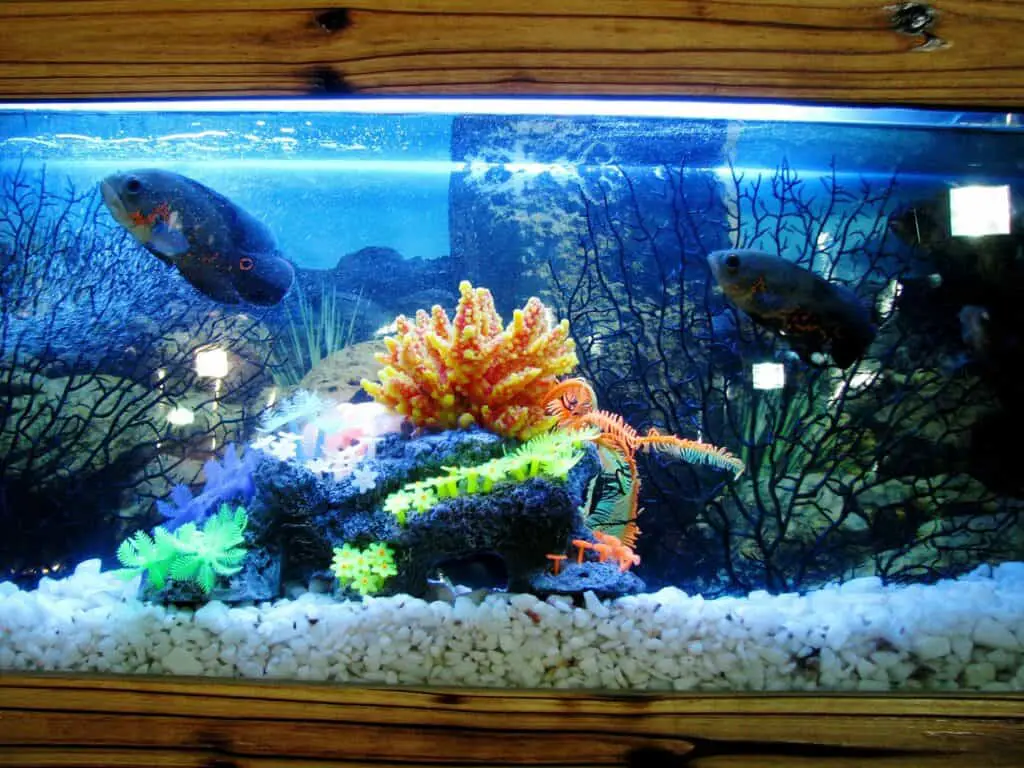
The risks associated with using too much gravel in aquariums
Gravel can act as a barrier, preventing oxygen from getting to the roots of plants. This can lead to unhealthy plant growth and could eventually kill the plants. In addition, too much gravel can also increase the nitrate levels in the water, which can be harmful to fish. As a result, it is crucial to use gravel sparingly in an aquarium and to ensure plenty of oxygenation occurs. Otherwise, the health of the ecosystem could be at risk.
How to avoid cracking your aquarium glass with too much gravel?
Any aquarium owner knows that gravel is essential for providing fish and other aquatic creatures with a healthy environment. Not only does it provide a place for roots to anchor, but it also helps to regulate water chemistry and provides a natural filtration system. However, gravel can also be very heavy, and if too much is added to an aquarium, it can cause the glass to crack. To avoid this problem, it is important never to fill an aquarium more than two-thirds full of water. This will leave enough room for gravel without putting too much pressure on the glass. In addition, it is vital to use more braces at the top of the aquarium to evenly distribute the gravel’s weight.
How much gravel is too much?
Any experienced fishkeeper will tell you that gravel is integral to a healthy aquarium. Plants can even benefit from gravel, which provides a place for beneficial bacteria to grow and buffers water pH. However, too much gravel can cause problems. An excess of gravel can make it difficult to vacuum the tank and can trap debris, leading to poor water quality. Gravel can also be disruptive if it is not the right size or shape for your aquarium. If you are using gravel in your aquarium, be sure to use a layer that is no more than 2-3 inches deep. This will help to ensure that your gravel does not cause any problems in your aquarium.
What can I use to ease the pressure on the glass for a gravel-filled aquarium?
One of the most common questions asked by aquarium owners is, “What can I use to ease the pressure on the glass for a gravel-filled aquarium?” The answer is simple – aquarium silicone. Aquarium silicone is a clear, odourless, and non-toxic sealant that can be used to bond glass, metal, and plastic. It is also safe for aquariums and can be used to secure rocks, gravel, and sand. In addition, aquarium silicone can be used to repair cracked or chipped aquariums. When applied correctly, it will create an invisible seal that will hold the glass in place and prevent leaks. Use aquarium silicone if you’re looking to ease the pressure on your glass aquarium.