If you’re a fish enthusiast, you may wonder if using rainwater in your tropical fish tank is okay. You are correct in thinking so because using the wrong type of water can be fatal to fish. In addition, it will be hard to identify the Ph and hardness without a tester, so should you use rainwater in fish tanks?
Rainwater can be used for fish tanks, but some things must be considered. They are that rainwater contains low mineral content. The ph may vary from your fish tank water, so you might need to use conditioners to bring the water to a balanced point for safe usage.
Several things need to be considered before you do. In this blog post, we’ll discuss everything you need to know about using rainwater in a fish tank, including how to collect and store it and its benefits. We’ll also dispel some myths about using rainwater in aquariums and provide tips for keeping your fish happy and healthy.
Is rainwater suitable for a tropical aquarium?
Rainwater can be used in tropical fish tanks, but there are a few things to consider before doing so. In general, rainwater is softer than tap water, which can be beneficial for planted tanks but can also be harmful to non-planted tanks. If you decide to use rainwater in your tank, monitor the pH and hardness levels regularly to ensure they stay within the appropriate range for your fish. Additionally, rainwater may contain harmful chemicals or pollutants that can harm your fish, so be sure to filter it before adding it to your tank. Ultimately, whether or not you use rainwater in your tropical fish tank is up to you, but it is important to do ample research and understand the potential risks involved before making a decision.
What kind of water do you put in a tropical fish tank?
The type of water you put in your tropical fish tank is vital for the health of your fish. Tap water is the most common water source, but rainwater and distilled water are also used in some tanks. The benefits and risks of each type of water are different, so it is important to do your research before making a decision. Tap water is readily available and usually contains all the nutrients fish need to survive. However, some tap water contains chemicals that can be harmful to fish. Rainwater is softer than tap water and can be beneficial for planted tanks, but it may also be harmful to non-planted tanks. Water that has been distilled is free of minerals and nutrients that can be harmful to fish, so it is often used in tanks with live plants. Ultimately, the type of water you use in your tropical fish tank is up to you, so you’ll need to do your research and make sure you understand the potential risks involved before making a decision.
What fish can live in rainwater?
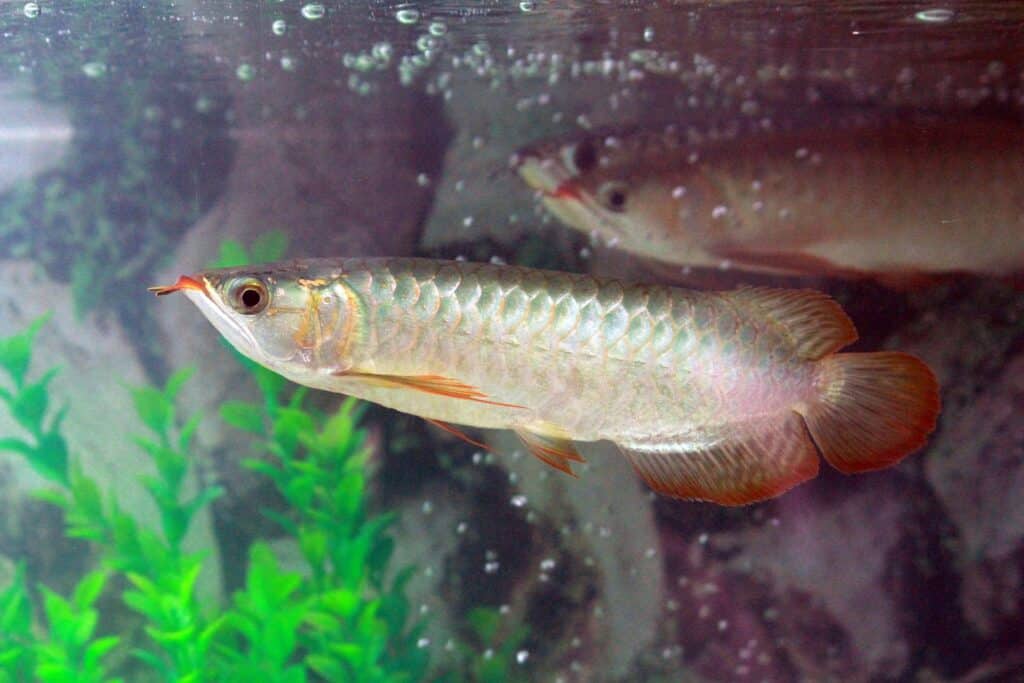
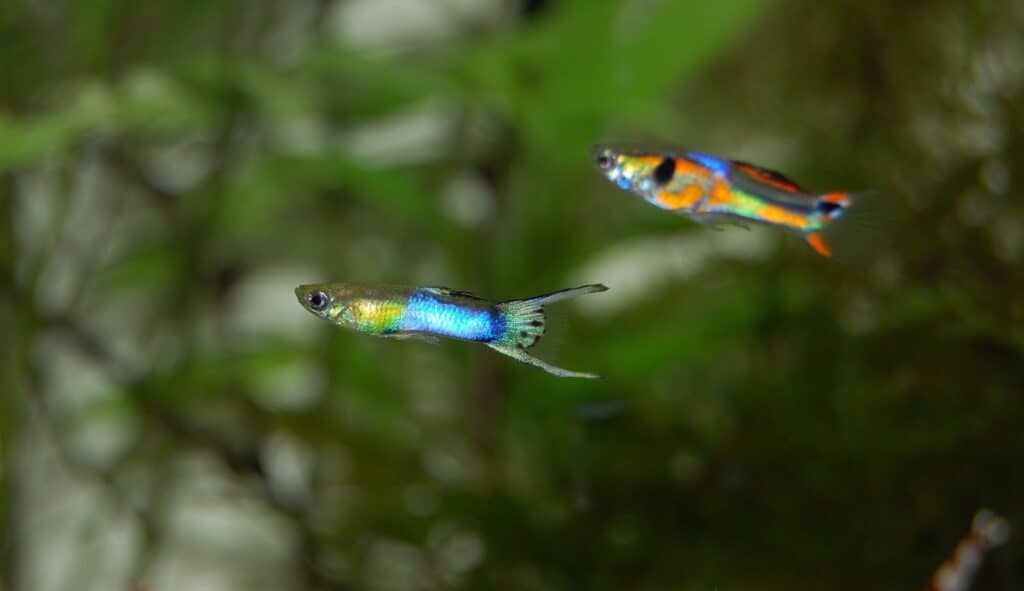
Researchers have been wondering for years if any fish can survive in rainwater, and this is a question that baffles them to this day. Some believe that only certain species of fish are able to withstand the high levels of acidity found in rainwater, while others believe that any type of fish can live in rainwater as long as the pH levels are monitored closely. The truth is, there is still much we don’t know about the effects of rainwater on fish. However, some studies have shown that goldfish, guppies, and catfish are able to thrive in rainwater tanks. It’s important to remember, however, that rainwater will have a higher concentration of dissolved minerals than regular tap water, so it’s essential to monitor the tank’s pH levels and water hardness to ensure the fish can thrive.
Is there ammonia in rainwater?
There is a common misconception that rainwater contains ammonia, but this is not the case. Ammonia is a gas that is released into the atmosphere when animal waste decomposes. However, rainwater is simply water that has condensed from vapour in the air. Therefore, it does not contain any chemicals or pollutants. In fact, rainwater is actually relatively pure and can be used for drinking, irrigation, and other purposes. So, next time you see rain falling from the sky, rest assured that it does not contain any ammonia.
What is the ph of rainwater?
Rainwater has a pH of around 5.5, which is acidic. When rainwater falls into a tropical fish tank, it can lower the water’s pH and make the environment too acidic for the fish to live in. This can be harmful to the fish and potentially kill them. If you have a tropical fish tank, it is crucial to test the pH of the water on a regular basis and take steps to adjust it if necessary. A variety of products available can help raise the water’s pH, and these should be used if the pH falls below 6.0. It is important to keep tropical fish healthy and happy by taking the steps outlined above.
Should I dechlorinate rainwater before adding it to my fish tank?
Remembering that rainwater is not necessarily safe for human consumption is important. Although rainwater is generally clean, it can pick up pollutants from the air or become contaminated by contact with objects on the ground. As a result, you should never drink rainwater unless it has been filtered or treated first. The same goes for using rainwater in your fish tank. Although rainwater is harmless to fish, it may contain contaminants that can be harmful to your fish or affect the water quality in your tank. For this reason, it’s always best to filter rainwater before adding it to your fish tank. This will remove any large particles or contaminants that may be present in the water, ensuring that your fish will be healthy throughout the entire time they are in it.
Should I age rainwater for fish tank use?
Most people believe that they should age rainwater before using it in a fish tank, but this simply isn’t necessary. In fact, most fish tanks come with filters that will clean and purify the water, so if you have a fish tank with a filter, you do not need to worry about adding any extra chemicals or treatments. On the other hand, suppose you are concerned about the quality of your rainwater. In that case, you can always use a water testing kit to check for contaminants. Ageing rainwater won’t make it any safer for your fish and may even cause problems if the water contains unhealthy levels of minerals or other impurities. Save yourself some time and effort by skipping the ageing process altogether.
Should I boil rainwater before adding it to my fish tank?
Boiling water is a vital step in making it safe to drink, but it’s not necessary for rainwater that will be used in a fish tank. Rainwater is naturally soft and contains few dissolved minerals, making it an ideal choice for fish tanks. In addition, rainwater is less likely to contain harmful bacteria and other contaminants than water from other sources. As a result, there’s no need to boil the water before adding it to your fish tank. Instead, just be sure to use a clean container to collect the rainwater, and you’ll be all set!
How can I store rainwater for later usage in tropical fish tanks?
It is vital to store rainwater for later usage in tropical fish tanks because rainwater is free of chlorine and other chemicals. There are a number of chemicals available on the market that can be harmful to fish and also cause health problems. Also, rainwater is softer than tap water, which can benefit tropical fish. There are several ways to store rainwater for later use in a tropical fish tank. One easy way is to collect the rainwater in a large container, such as a trash can or barrel, and then pour it into the fish tank when needed. Another option is to install a rain barrel under the eaves of your house to collect the rainwater. This water can then be piped directly into the fish tank. By storing rainwater for later usage in tropical fish tanks, you can ensure that your fish have clean, safe water to live in.
Can rainwater affect my fish adversely?
It’s a nice day outside; you’ve just collected some rainwater to top off your fish tank. But before you pour it in, you wonder, can rainwater affect my fish adversely?
The answer is yes. Rainwater can affect your fish adversely if it is not clean. You should only use rainwater to fill your fish tank if you have cleaned it properly. Also, make sure that the rainwater is not too cold or too hot before adding it to your fish tank. If the rainwater is too hard, it can shock your fish and kill them. If the water is too hot, it can also kill your fish. So make sure the rainwater is just right before adding it to your fish tank.
Is bottled water safe for fish?
Bottled water is not safe for fish. The water in bottles is often distilled, meaning all of the minerals have been removed. Fish need these minerals to survive, so using bottled water will eventually kill them. Instead, you should only use tap water that has been treated with a water conditioner to make it safe for fish. Water conditioners remove the harmful chemicals from tap water, making it safe for fish to live in. without the necessary minerals, fish will become sick and may even die. So, suppose you’re wondering whether it’s okay to use bottled water for your fish. In that case, the answer is no – stick to tap water that’s been treated with a water conditioner. Your fish will thank you for it!
How can you make water safe for fish without chemicals?
Water quality is essential for the health of fish and other aquatic creatures. Unfortunately, polluted water can often contain harmful toxins and chemicals that can be deadly to fish. In order to guarantee that your fish are safe, it is crucial to take steps to purify their water. This can be carried out through the use of a filtration system. This can help to remove any harmful particles or toxins from the water. By complying with these steps, you can help to ensure that your fish have clean, safe water to live in.
Can storing rainwater over a period of time contaminate it for tropical tanks?
Can storing rainwater over a period of time contaminate it? Many people ask it a valid question, especially in light of recent events. Despite the fact that there is no simple answer, there are some essential things to consider before storing rainwater for an extended period.
The possibility of contamination is one of the main concerns. Suppose the water is not used right away. If the water becomes contaminated in this way, harmful bacteria or other contaminants could enter the water. The evidence is lacking, but this may be a real risk even without conclusive evidence. If you’re concerned about contamination, you can always filter or boil the water before using it.
Another consideration is the quality of the water. Rainwater is generally high in quality but can deteriorate over time if it’s not stored correctly. For example, suppose you’re planning on storing rainwater for an extended period of time. In that case, it’s important to use a food-grade container that won’t leach chemicals into the water. Keeping the container sealed and stored in a cool, dark place is also essential.
If you take these precautions, there’s no reason why you can’t safely store rainwater for an extended period of time.
So, what’s the verdict? Can you put rainwater in your tropical fish tank? The answer is yes – as long as you take a few precautions. Make sure to clean and filter the water before adding it to your tank, and monitor the pH levels closely. With proper care, using rainwater can be a great way to keep your fish healthy and happy. Thank you for reading. We hope this has helped. Best of luck.