Jewel cichlids are a type of tropical fish found in many different colours. These fish are an excellent choice for beginners, as they are easy to care for and do not require maintenance.
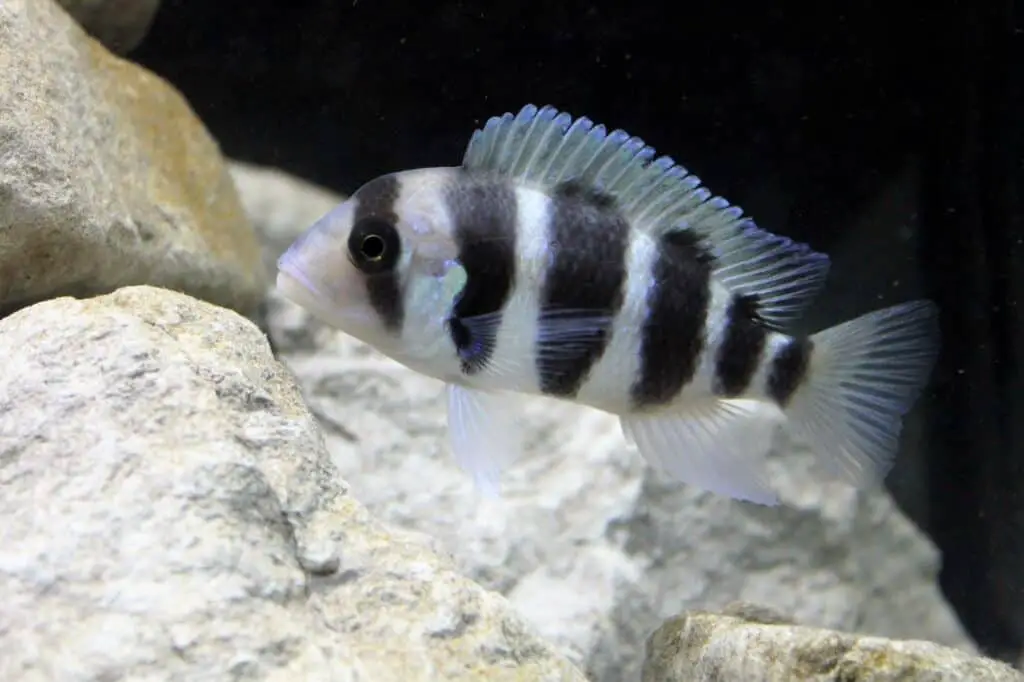
Jewel cichlids are hardy fish and will survive in water conditions with PH from 6.5 to 7.5. A temperature range of 70°F and 80°F ( 21.11° to 26.66°C ) and water hardness should be neutral and never exceed 12 dGH jewels are omnivores. They will live for about 5-6 years, growing to 5-6 inches.
Jewel cichlids are beautiful and colourful, yet they are aggressive fish and incredibly temperamental, especially when they seek to mate. They are considered fin nippers because they will nip the fins of other fish. If you plan to get one, you should read the information below before doing so.
How Hardy Are Jewel Cichlids?
Jewel cichlids come from Africa and South America. They have been introduced to other parts of the world, including the United States. These fish are an excellent choice for beginners, as they are easy to care for and do not require a lot of maintenance.
Jewels aren’t very fussy regarding water conditions because they are part of the Malawi species. The species is known for its hardiness as well as adaptability to water parameters. These fish will survive the harshest of conditions as long as there is no sudden change and the water quality is not too poor
jewel cichlids should be kept in a tank that is at least 40 gallons and has plenty of hiding places.
Are Jewel Cichlids Aggressive?
Most jewel cichlids are peaceful fish that get along well with other fish in the tank. However, there are a few aggressive species of jewel cichlid that can be territorial and may attack other fish in the tank. Make sure you do your research before adding any jewel cichlids to your tank and to make sure that they will be compatible with the other fish in your tank.
These fish will get along with other fish most of the time. Suddenly, when they are ready to breed, they can snap and start picking on other fish and diligently guard flat rocks or mating spaces. They will often kill other fish during this period if said fish aggravate them. They are not at all suitable for community tanks, but if you choose to place them in one, ensure you have ample hiding places for the fish to avoid fatalities.
How Do Jewels Breed? Are They Good Parents?
Jewel cichlids are relatively easy to fish to breed and make good parents. They will usually lay their eggs on a flat surface, such as a rock or piece of wood, and will guard them until they hatch. The fry will then be watched over by both parents, and they will fan them and move them a few times around the tank. When they are ready to hatch, the parents usually move them to a less visible location. After that, you will only see the eggs again when they are hatched, and the parents are giving them a tour under supervision.
Surprisingly in this species, the father has more parental instinct than the mother but make no mistake about it, both parents will defend their babies to the death from any perceived threat, and these fish are not a fish you would want to pick a fight with, their colour will appear striking red when they are in attack mode, and that surely means trouble.
If jewel cichlids breed in a community tank where there are larger, more dominant males, their eggs will often be eaten long before they have time to hatch, and you could lose your fish (both parents) as a result of them trying to protect their young.
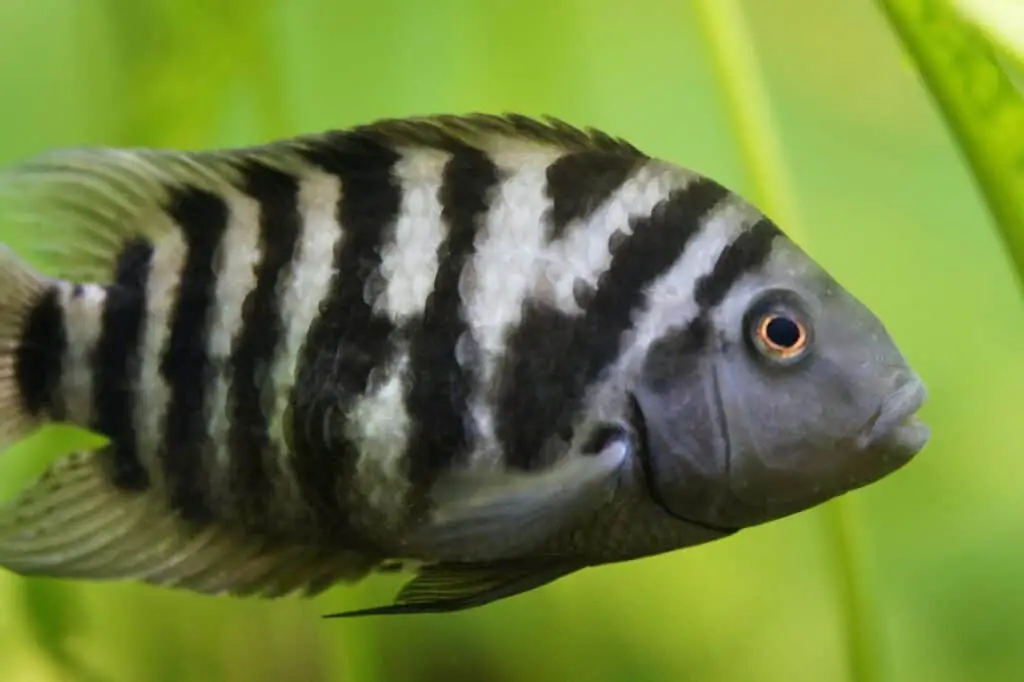
Do Jewel Cichlids Need Special Food?
No, jewel cichlids do not need special food. They can be fed a variety of foods, such as pellets, flakes, live food, and frozen food. It is essential to give them a varied diet to keep them healthy and to meet their nutritional requirements, but rest assured, if you plan to get one of these beautiful fish, they will eat just about anything.
Can I Have 2 Male Jewels In An Aquarium?
Yes, you can have two male jewel cichlids in an aquarium. However, it is vital to make sure that they are compatible and that they will get along well. Starting small is the best approach, with just one male jewel cichlid and add more fish later if needed.
Despite this, it is not a good idea to keep more than 1 male in an aquarium that has a female of the same species unless it is a massive aquarium. This will lead to 1 fish showing more dominance and the other being picked on and not being allowed to swim freely in all parts of the aquarium. You are better off adding more females and a single male or many females and 2 males, and so on.
How Fast Do Jewel Cichlids Grow?
Jewel cichlids grow relatively quickly and can reach a size of 6 inches in just a few months. They are relatively small fish, but they can grow quite large if given the proper care and diet. In order for them to grow, you must have enough room in your tank for them to develop properly. You are prepared to take care of a fish that will eventually reach a size of approximately 6 inches.
How Many Babies Will Jewel Cichlids Have At A Time?
Jewel cichlids can have a lot of babies at one time. They can have anywhere from 10 to 100 babies. However, the average number of babies that jewel cichlids have is 20 to 30. Jewel cichlids are an excellent choice for beginner fishkeepers because they are easy to care for. Even their babies are relatively easy to care for and will start eating flakes from about 1 week old. During that time, they will snack on unseen food in the tank.
Why Do Jewel Cichlids Turn Red?
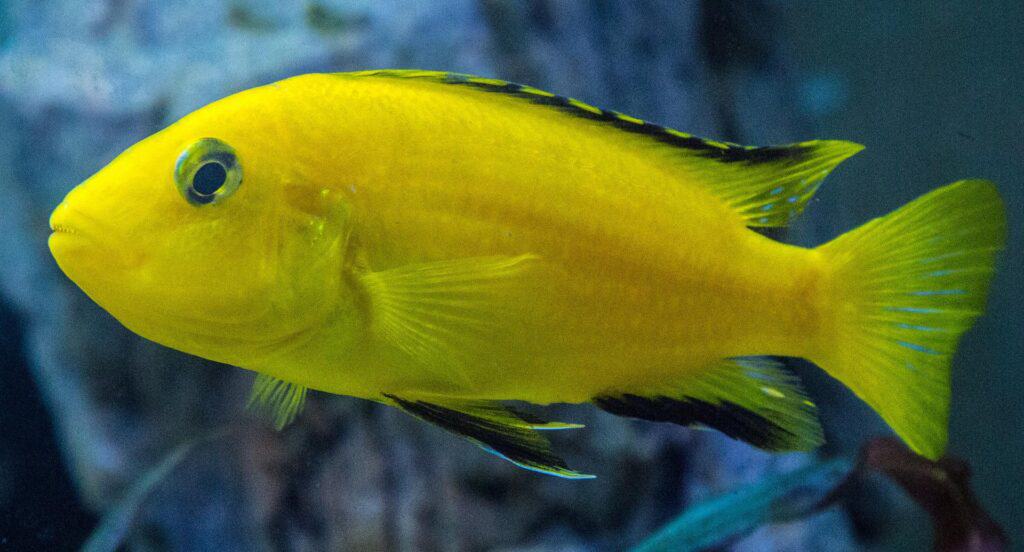
There are a few reasons why jewel cichlids turn red. One reason is that they are excited or stressed. Another reason is that they are mating. And the last reason is that they are sick. If your jewel cichlid is turning red and you are not sure why it is always best to consult a veterinarian.
Jewel cichlids can be an excellent choice for beginner fishkeepers, as they are easy to care for and do not require a lot of maintenance. However, it is essential to keep in mind that jewel cichlids are not meant for community tanks and can be highly aggressive. Looking for a hardy tropical fish that comes in many different colours, then jewel cichlids may be the right choice.