If you have angelfish, you may have noticed that they are always hungry. Angelfish are a type of fish that are found in many different parts of the world. They come in a variety of colours and can be quite beautiful to look at. Angelfish can be kept as pets in aquariums and are relatively easy to care for. But, do you have an angelfish that is always hungry? If so, you’re not alone. This is a common problem among angelfish owners.
Angelfish are always hungry because they are carnivores and need to eat a lot of protein to stay healthy. Therefore, a constantly hungry angel fish could also indicate a happy and healthy fish which is thriving in its environment. However, on the flip side, a hungry angel fish could also indicate a lack of feeding or malnutrition.
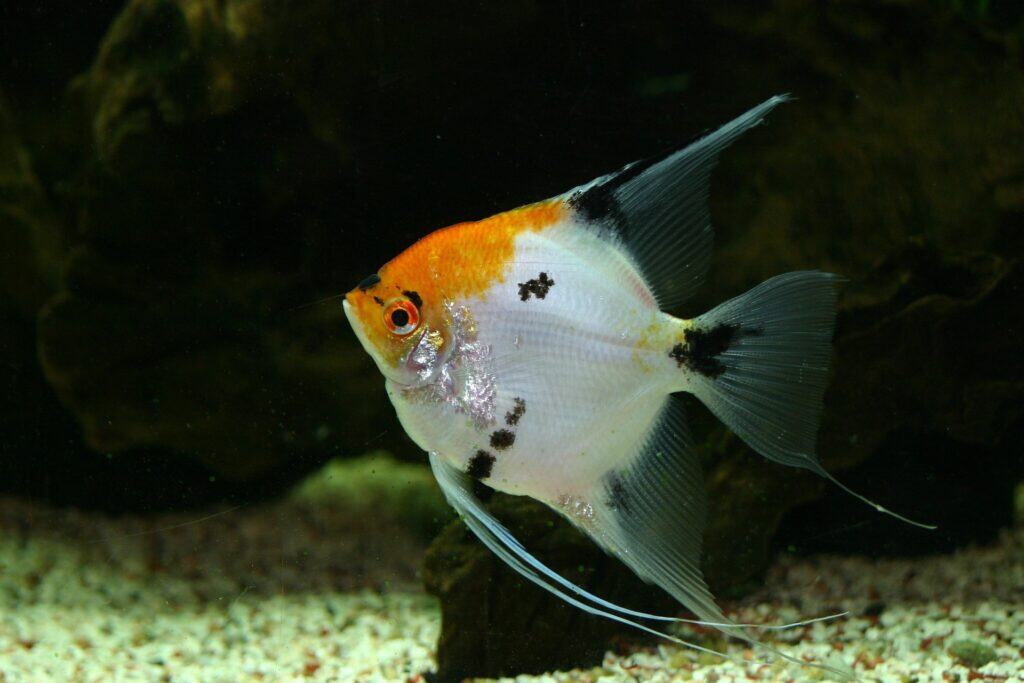
Angelfish are a magnificent species their shape and unique markings catch the attention of people in a heartbeat. While these fish are relevantly easy to care for, you should know a few things, so spare a min and read the following. It will enable you to better care for your angelfish.
Are angel fish naturally greedy?
Angelfish are one of the most popular aquarium fish, and they come in a wide variety of colours. They are a type of cichlid, and they can grow up to 12 inches long. They are predatory fish, and they eat a wide variety of things, including small fish, shrimp, and even other angelfish.
Angelfish are not naturally greedy but always hungry because they are predators. They need to eat a lot to get the energy they need to hunt for food. Angelfish also have a very hearty appetite, so they eat just about anything in their tank. This can sometimes lead to problems if they start to over-eat or if they start to eat things that they shouldn’t, like plants.
If you are concerned that your angelfish might be getting too greedy, you can try feeding them smaller meals more often. You can also try putting some plants in their tank for them to nibble on. This will help them get the nutrition they need without over-eating.
Can angel fish eat too much?
In all honesty, I am not sure what the answer to this question is since there is no one-size-fits-all answer for how much any given fish can eat. However, it’s generally recommended that you don’t feed your angel fish more than they can consume in a few minutes since overfeeding can lead to health problems like swim bladder disease or gill damage. Overfeeding also pollutes the water, which can stress or even kill the fish. So, if you’re not sure how much to feed your angel fish, it’s better to err on the side of caution and give them a little less rather than a little more. And, of course, if you see that your angel fish are consistently overeating, it’s essential to consult with a veterinarian or other expert to find out how to best solve the problem.
What are the symptoms of overfeeding angel fish?
If you overfeed your angel fish, they will become bloated and have difficulty swimming. They may also lose their appetite, and their colouring will become pale. If you think you have overfed your fish, stop feeding them and observe their behaviour. If they recover quickly, then you have probably just given them too much food. However, suppose they do not improve within a few hours or seem to be in distress. In that case, you should seek professional advice from a vet or aquarist. Overfeeding can lead to serious health problems in fish, so it is essential to be careful when feeding them. Symptoms of overfeeding include bloating, lethargy, loss of appetite, and pale colouring.

What are the symptoms of underfeeding angel fish?
Underfeeding angel fish can cause a number of issues, the most common of which are poor growth, weak immune systems, and low energy levels. If you are not providing your fish with enough food, they may become thin and weak, and their colours may fade. In extreme cases, underfeeding can lead to death. Get in contact with your veterinarian or a qualified aquarium specialist if you think your fish are not getting enough to eat. They can help you determine if you are providing enough food and recommend improving your fish’s diet.
How much can an angel fish consume in a single day
As any aquarium owner knows, fish can be very messy eaters. They often miss their mouths, and bits of food end up floating around in the water. This can not only make the aquarium look dirty, but it can also pollute the water and potentially harm other fish. For this reason, it’s important to be aware of how much food your fish are consuming each day.
Angelfish are particularly voracious eaters and can easily consume 2% of their body weight in a single day. This means that a 10-pound angel fish could eat up to 200 grams of food in a day. While most of this food will be small fish, shrimp, and other aquatic creatures, they can also eat insects and other small land animals. If you’re not careful, your angel fish could quickly start to pollute the water in your aquarium. As a result, it’s important to monitor their food intake and make sure they’re not eating too much.
Can overeating be a sign of internal parasites in angel fish?
Yes, overeating can be a sign of internal parasites in angel fish. When an animal overeats, it’s usually a sign that something is wrong. Often, when animals overeat, it’s because they’re trying to fill an empty stomach or because they’re trying to gain weight. But in some cases, overeating can be a sign of a health problem, such as internal parasites.
In the case of internal parasites, the animal is overeating because it’s trying to fill its stomach with food in order to survive. However, the parasites steal the nutrients from the animal’s food and always leave the animal feeling hungry. So the animal keeps eating, even though it’s not really getting any nutrition from the food.
If you think your angel fish might have internal parasites, you should take it to a veterinarian for help. Your vet will be able to evaluate the problem and prescribe the appropriate treatment.

What are signs that my angel fish is full or had enough
A few signs can indicate whether or not an angel fish has had enough to eat. One sign is that the fish will become less active and stay at the bottom of the tank more often. Another sign is that the fish will start to lose weight, and its body will become more elongated. The final sign is that the fish will start to produce less waste. If you notice any of these signs, it is a good indication that your angel fish has had enough to eat, and you should stop feeding it. Continuing to overfeed your fish can lead to health problems such as obesity, swim bladder disease, and even death. Therefore, it is vital to be aware of the signs that your fish has had enough to eat in order to keep it healthy and happy.
Why do angel fish spit out food?
Angelfish are beautiful creatures that often grace salt water tanks. They are peaceful and docile fish that get along well with other tank mates. Angelfish are known to be messy eaters, however, and one of their messier habits is spitting out food.
There are a few reasons why angel fish might spit out their food. One possibility is that the food isn’t fresh or it’s been contaminated. Another reason is that the food may be too big for the fish; thus, as it chews the food, it may spit out some for better digestion. And finally, the angels might simply not like the taste of the food!
If your angel fish is spitting out its food, it’s important to first check the quality of the food. If it’s old or contaminated, get rid of it and get fresh food. In addition, be sure that the food is a good size for the fish – if it’s too big, they may have trouble digesting it. Lastly, if you’ve tried different foods and they all get spit out, it’s possible that your angel fish just don’t like the taste! Try a different brand or type of food and see if that makes a difference.
What food is best for angel fish
What food is best for angel fish? This is an important question to consider if you are owning or thinking about owning an angel fish. Angelfish are a beautiful and popular type of aquarium fish. They are easy to care for, but they have specific dietary needs that must be met to keep them healthy.
One of the most important things to remember when feeding angel fish is that they should only be given as much food as they can consume within a few minutes. Overfeeding will lead to health problems, such as Swim Bladder Disorder, which can be fatal. In general, it is best to feed small amounts several times per day rather than one large feeding. This will help ensure the fish get the nutrition they need without overfeeding them.
When it comes to what type of food to give angel fish, there are several good options. Bloodworms, brine shrimp, daphnia, and freeze-dried plankton are all great choices. Of course, you can do some experimentation to see which food your fish prefer, but it is crucial to ensure that they are getting a variety of different nutrients in their diet.
Overall, feeding angel fish is not difficult, but it does require some planning and preparation. It is important to research what kind of food is best for them and how much to feed them, you can help ensure that your fish stay healthy and happy for years to come.
What to do if your angel fish has eaten too much
If your angel fish has overeaten, the first thing you should do is not feed the fish. Angelfish will survive for a few days without food, so you don’t need to worry about it starving. You can also try giving the fish smaller meals more often instead of one large meal. You may need to consult a veterinarian if the fish is still overeating. Overeating can be a sign of a health problem, so it’s crucial to get the fish checked out by a professional. Angelfish are beautiful and unique creatures that make great pets. However, they require special care and attention. Overeating is just one of the many potential problems that can occur if they’re not correctly cared for. With a little bit of knowledge and vigilance, you can help ensure your angel fish stays healthy and happy.
Ideal water parameters for angel fish
The water parameters for keeping angel fish should be a pH of 6.5-7.5, a water hardness of 10-25 dGH, and a water temperature of 72-78 degrees Fahrenheit. Angelfish are peaceful community fish but can be nippy towards other fish with long fins. They are best kept in pairs or groups of four or more. A 20-gallon tank is a minimum size for keeping angel fish. Angelfish should have plenty of hiding places and plants to hide in. They are also good jumpers, so make sure your tank has a tight-fitting lid. Angelfish are Omnivores; their diet should consist of live foods, frozen foods, flakes, and pellets. Feed them 2-3 times a day.

Angelfish are scavengers and will eat anything that is edible. They have a varied diet which includes both plant and animal material. Angelfish consume more food when they are stressed, so providing them with a healthy environment is key to keeping them well fed. One way to help reduce angelfish stress is to provide them with plenty of hiding places in the aquarium. If your angelfish are still not eating enough, you can try supplementing their diet with live or frozen food.