There’s something about the angel fish that makes it a popular choice for aquariums. Maybe it’s their graceful movements or their brightly-coloured scales. Whatever the reason, these fish are sure to bring beauty and life to any tank. However, when it comes to keeping Angelfish in an aquarium, one of the most common questions people ask is how much poop do angelfish produce? This is a valid question, as anyone who has kept an aquarium knows that fish waste can quickly accumulate and cause problems.
Angelfish are known to produce more waste than other species of similar size. Many things can affect the way angelfish poop, including diet, activity level, and water quality. In contrast, overfeeding is one of the most common reasons why angelfish poop a lot.
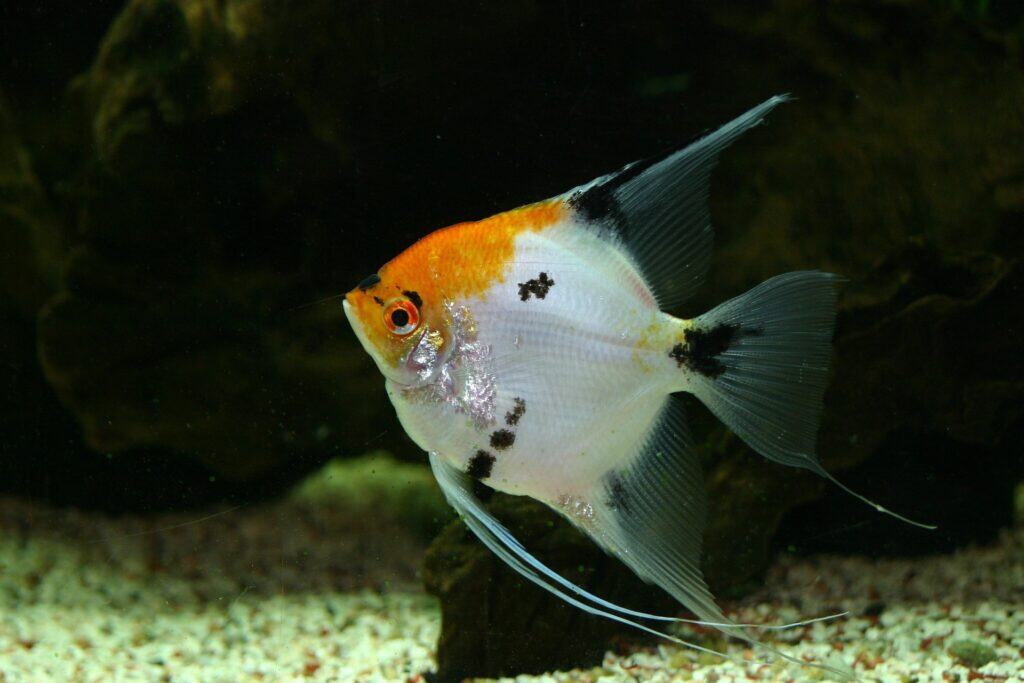
A healthy angelfish should produce small, dark pellets of waste that sink to the bottom of the tank. Notice that your angelfish are pooping more than usual. There could be a reason for it, such as stress, illness, or overfeeding. After years of keeping angelfish thought, I would share some tips with you, so I have compiled a few bits of information below that will prove invaluable when keeping angelfish.
What causes angelfish to poop a lot
Angelfish are notorious for their copious amounts of poop; no single factor explains why they tend to expel such large quantities of waste. One reason is that angelfish have extremely high metabolisms and require a lot of energy to sustain themselves. As a result, they eat copious amounts of food on a daily basis, which puts a significant strain on their digestive systems. Additionally, the chimneys within their digestive tracts act as pumps to push ingested food along towards elimination, causing them to produce even more waste. Ultimately, the factors that contribute to angelfish pooping include their high metabolism and the specific structure and function of their digestive system. Thus, it seems likely that angelfish will continue to be known for their prodigious poop output for years to come.
Do angel fish generate lots of waste?
No clear consensus exists regarding whether angel fish generate a lot of waste. Some people argue that their relatively high protein diet contributes to increased ammonia levels, resulting in more waste. Others, however, claim that angel fish produce less waste than many other fish species since they only need to eat about a third as much as other types of fish.
Regardless of which side is right, one thing is clear: it is essential to monitor the water quality in your tank if you have angel fish. Doing so will help you ensure that your fish are healthy and thriving and that your tank environment remains suitable for them. So whether you think angels generate lots of waste or not, staying vigilant and mindful of their needs is key to keeping them happy and well cared for.
Does overfeeding contribute to more poop?
People differ on feeding fish, with some suggesting that overfeeding can contribute to more poop. In some cases, excess food may lead to waste, but a number of factors also need to be taken into account when determining whether or not excess food is leading to an uptick in waste. For example, the age, size and health status of your fish play a key role in how much – and how often – they will eat. Additionally, changes in temperature and light exposure can impact their appetite and digestive efficiency.
Consequently, you should be careful about how much you feed your fish and closely monitor their waste output. Notice an excessive amount of waste building up in your tank. This could be a sign that you are not feeding them enough or have something else going on, like water quality issues or disease symptoms. To avoid these problems and keep your fish healthy and thriving, take care to monitor your fish’s eating habits and behaviour carefully so that you can ensure optimal nutrition for optimal results!
Do male or female angelfish poop more.
When it comes to angelfish, there is some debate about which sex produces more poop. On the one hand, many researchers suggest that males tend to be bigger and produce more waste simply due to their larger size. However, other experts argue that this may not be the case, as female angelfish may actually eat more food or digest their nutrients more fully than males, thus producing just as much waste as their male counterparts. As for the answer to this question, it probably depends on a number of factors, including the size, diet, and digestion efficiency of individual fish. However, regardless of which sex produces more waste in angelfish species overall, it is clear that both males and females are essential for maintaining overall ecosystem health. After all, their faeces contains vital nutrients like nitrogen and phosphorus that help to fertilize nearby plants and keep the soil healthy. In light of this, it is imperative that we continue to monitor and research these fascinating fish in order to better understand their role in the natural world.
Does the size of the angelfish determine how much waste is produced?
At first glance, the size of an angelfish may not seem to be related to the amount of waste that it produces. After all, a small fish is still a tiny fish, regardless of whether it is an angelfish or a guppy. However, the truth is that there is indeed a relationship between the size of an angelfish and how much waste it produces. These changes may be due to several factors, including the higher energy requirements of larger fish and their need for more food to sustain themselves. As a result, larger angelfish tend to create more waste than smaller ones, making it essential for aquarists to consider this factor when choosing tankmates for their pets. Ultimately, though the size alone cannot predict exactly how much waste will be produced by an angelfish, larger fish generally create more waste than smaller ones. You might consider the smaller varieties of angelfish if you want a low-maintenance fish for your aquarium. Then perhaps the smaller varieties of angelfish are best suited for your needs.

What can I do to reduce waste produced by angelfish?
In order to reduce waste produced by angelfish, it is crucial to focus on these fish’s diet and feeding habits. The recommendation is to feed them a balanced diet that contains both plant and animal matter. You can help them digest their food more effectively and produce less waste overall. Additionally, buying high-quality food is another crucial way to minimize the amount of waste produced by these fish. By carefully selecting quality food products, you can ensure that the nutrients are absorbed and utilized by the fish rather than being excreted as waste. Finally, investing in an aquarium filter can also play a key role in reducing waste in your tank. This advanced filtration system will help to remove any uneaten food or waste from the water, ensuring that your aquarium remains clean and healthy for your angelfish.
Does cheap food make angelfish produce more waste?
At first glance, cheap food may seem like the best option for angelfish. After all, this type of food is often less expensive, allowing fish owners to save money in the long run. However, angelfish are very sensitive to food, so there is a big difference between low-cost food and high-quality food when it comes to how efficiently it is absorbed by angelfish.
As anyone who has owned an angelfish knows, these fish produce a great deal of waste. In fact, waste products can be a significant source of stress and illness for these creatures. Therefore, it is important to choose food that will allow them to digest as many nutrients as possible and create less waste overall.
Cheap food simply cannot compete with high-quality food in this regard. Because ingredients in cheaper foods may not be as carefully selected or well-suited for angelfish digestion, these foods are often more complex for the fish to process and absorb into their system. This leads to dumping large amounts of leftover material into the water, which can create toxic conditions for other organisms living in the tank and stressful ammonia levels for the fish. On the other hand, higher-quality foods are connected easily by angelfish digestive systems, reducing unwanted waste output and keeping them healthier overall. So while cheap food may seem appealing at first glance, spending more on a quality diet will keep your fish healthier over time and help them thrive in their environment.
Is angel fish poop good fertilizer for plants
There is a common misconception that angel fish poop is not suitable for aquarium plants. Many assume that high ammonia and other waste nutrients will harm the plants or cause algae to flourish. However, this is not necessarily true. In fact, angel fish poop can actually be an excellent fertilizer for aquarium plants. The nutrients in the waste act as a potent fertilizer, triggering rapid growth in even the most delicate species of aquatic plants. Plus, the dense buildup of faeces on an aquarium’s bottom helps suppress unwanted algae growth, protecting delicate plant life from contamination. So if you want healthy and vibrant aquarium plants, don’t discount angel fish poop as a source of vital nutrients – it’s a natural and effective way to boost your plants!
Will angel fish still poop if they eat plants only?
Angelfish are carnivorous, meaning that they primarily feed on plants and animals. However, in order to maintain a healthy digestive system, they must also produce waste regularly. This waste can take many different forms, such as solid faecal matter or liquid urine. In the case of plant-eating angel fish, their diet may have a slightly lower impact on the environment since they are not ingesting as many animal by-products. But even when a fish consumes only plants and plant derivatives, it will still need to eliminate waste as part of its normal bodily functions. Therefore, although angel fish might poop less often if they eat mostly plants, they will still produce some form of excrement over time. And in order to do so successfully, the fish will need to balance its intake of nutrients with its production of waste in order to maintain optimal health at all times.
Will angelfish poop spike ammonia and nitrite?
Irrespective of whether you have never owned an aquarium or have been maintaining one for years, there are several hazards that can arise with fish. One such issue is angelfish poop, which can spike ammonia and nitrite levels if not properly managed. Preventing such a scenario requires crucial to keep track of waste levels in the aquarium and take steps to control the buildup of organics. This might involve doing more frequent water changes, using a filtering system that can accommodate a large amount of organic waste, or incorporating beneficial bacteria into your tank maintenance routine. Overall, it is essential to keep tabs on your angelfish poop if you want to maintain a healthy and thriving aquarium!
Yes, it is true that angelfish produce a lot of waste and are more likely to spike ammonia and nitrite levels in small aquariums. Because angelfish are larger fish that require more space and resources, they tend to produce more waste than other species. This can lead to buildups of toxic substances in the water, which need to be monitored and addressed as quickly as possible. Fortunately, aquarium owners can take steps to help keep ammonia and nitrite levels under control, such as using filtration systems and regularly changing the water. As long as you follow these measures, you can maintain a healthy ecosystem for your angelfish without worrying about unexpected toxicity spikes. So if you’re thinking about adding some angel fish to your aquarium, just remember that their poop might come with a few added challenges! But with careful monitoring and proper care, you should have no trouble keeping them happy and healthy for many years to come.